Folklore
-

SiAx and the author stumbled upon the ancient Twizel Bridge and discovered its role in the Battle of Flodden in 1513. The bridge, associated with supernatural tales, is rumoured to be haunted and surrounded by water spirits and ancient protectors…
-

In Scotland, encounters with fairies were a common part of everyday life, reflecting the close connection to the land. The Seelie Court represents fairies known for their friendly nature, offering aid and joy to humans. Their benevolence is mirrored in tales and art, a testament to the enduring cultural significance of Scottish folklore.
-

Australia, with its vast landscapes and ancient Aboriginal heritage, is home to a rich tapestry of folklore that weaves together Indigenous Dreamtime stories, colonial history, and the unique flora and fauna of the continent. This overview delves into the diverse realms of Australian folklore, exploring the threads that connect the past with the present. Dreamtime…
-

Superstitions about the days of the week reflect cultural, historical, and religious influences worldwide, shaping daily activities and rituals. From the “Monday blues” in the West to Friday’s significance in Islamic tradition, each day carries unique connotations. Global beliefs highlight cultural commonalities and the human tendency to seek meaning in time, enriching our understanding of…
-

The link between witches and weasels is a rich element in folklore, reflecting historical beliefs about magic and shape-shifting. Witches in European folklore were believed to transform into weasels to carry out their mischief. Weasels were seen as symbols of cunning and deception, and their association with witchcraft influenced cultural practices and superstitions.
-

Weasels, members of the Mustelidae family, are versatile carnivores found in various habitats. In folklore, they have been associated with both positive and negative omens in different cultures, serving as symbols of protection, cunning, and death. Weasels have been perceived as intermediaries between the living and supernatural, and are still influential in some cultural practices…
-
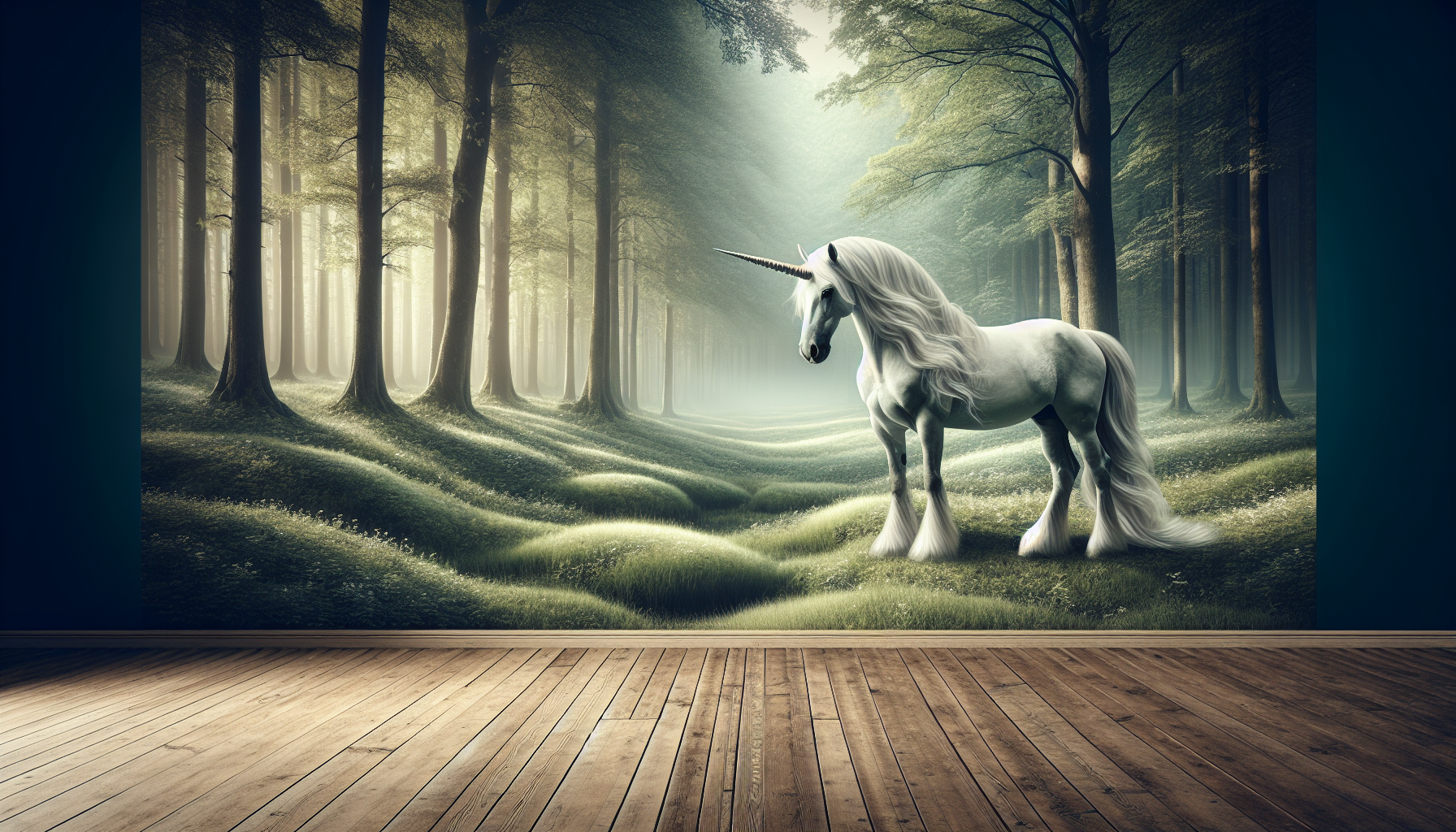
The Unicorn, a renowned fantastical creature, appears in myths, legends, and tales across cultures, depicted as a symbol of purity, grace, and untamable spirit. Its presence spans Greek, Roman, Persian, Chinese, African, Native American, and Scottish folklore, as well as literature and pop culture..
-

In the ancient land of Scotland, the Isle of Skye housed the formidable Dún Scáith, home to legendary warrior queen Scáthach. She trained hero Cú Chulainn in combat, wisdom and honor, shaping him into a renowned warrior.
-

As I delved into the depths of ancient folklore, the call of the horseshoe beckoned me like a siren’s call, promising untold riches and mystical powers beyond imagination. Its origins, shrouded in the mists of time, whispered secrets of civilizations long forgotten, each imbuing the horseshoe with its own unique lore and legend. ROAD TRIP!!!…
-

Owls have been revered across cultures as symbols of wisdom, mystery, and omens, depicted in myths and folklore. Associated with wisdom since ancient times, they are seen as protectors of the night and guides to the unknown. Despite their rich symbolism, real-world threats pose challenges to owl populations, highlighting the need for conservation efforts.
-
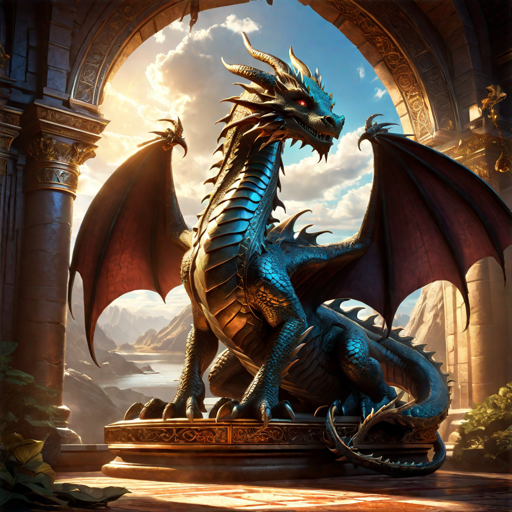
The fascination with dragons spans cultures and mythologies worldwide. While traditionally viewed as mythical, some believe in their past existence. Dragons are a universal archetype, symbolizing power and wisdom. Discoveries like “dragon bones” and dinosaur fossils fuel speculation. Depictions in art and encounters in historical accounts raise questions, blurring the line between myth and potential…
-
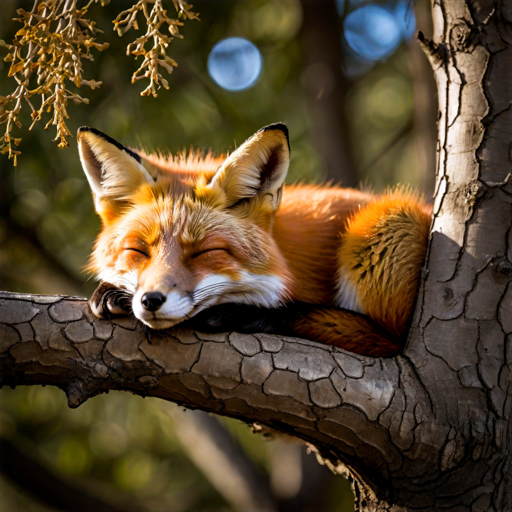
Whether revered as symbols of wisdom and cunning or feared as harbingers of misfortune and deceit, foxes continue to captivate and intrigue us with their mysterious nature – and long may they continue!
-

Molly Leigh, a 17th-century figure from Burslem, Staffordshire, faced persecution due to suspicions of witchcraft. Despite her charitable will and association with respected individuals, she was accused of witchcraft and endured public humiliation and confinement. Her defiance and mysterious death left behind a legend, cautioning against superstition and prejudice.
-

The giant panda, revered in Chinese folklore, symbolizes harmony and tranquility. Legends depict pandas as protectors of the forest, bringing good fortune. They are revered as symbols of peace and prosperity, embodying yin and yang. Beyond symbolism, pandas are global icons for wildlife conservation. In China, they are national treasures, protected by law and cherished…
-

Leap year, occurring every four years, carries ancient origins and customs in various cultures. From Julius Caesar’s implementation to the tradition of women proposing to men, and the superstitions surrounding this anomaly, leap year also celebrates “leaplings” born on February 29th. Global celebrations mark this rare occurrence, reflecting the enduring power of folklore and human…
-
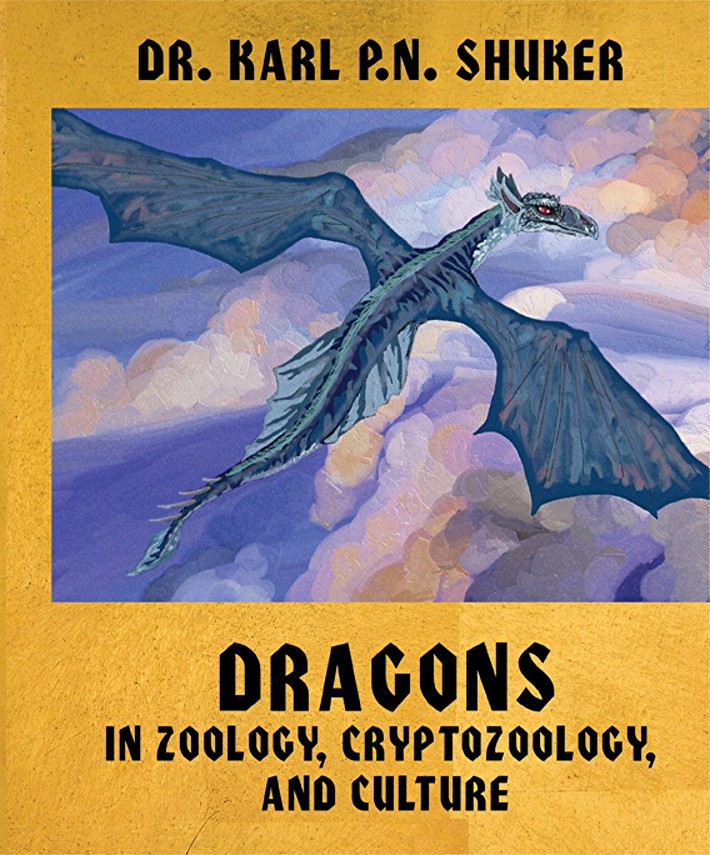
Dragons in Zoology, Cryptozoology, and Culture Of all the countless legendary beasts that have been conjured forth from the seemingly limitless capacity of the human imagination, none can remotely compare with the dragon for its sheer diversity of form, its symbolic significance, and its cross-cultural presence. Dragons are everywhere – still glimpsed in the living,…