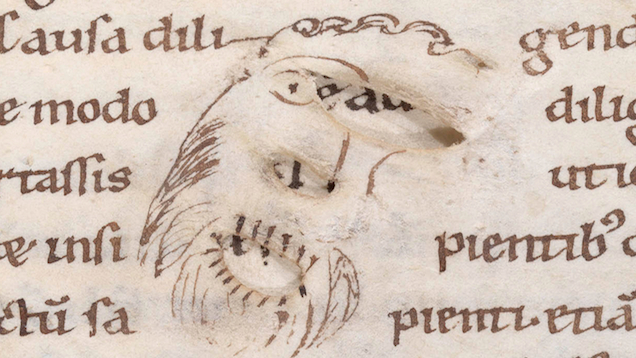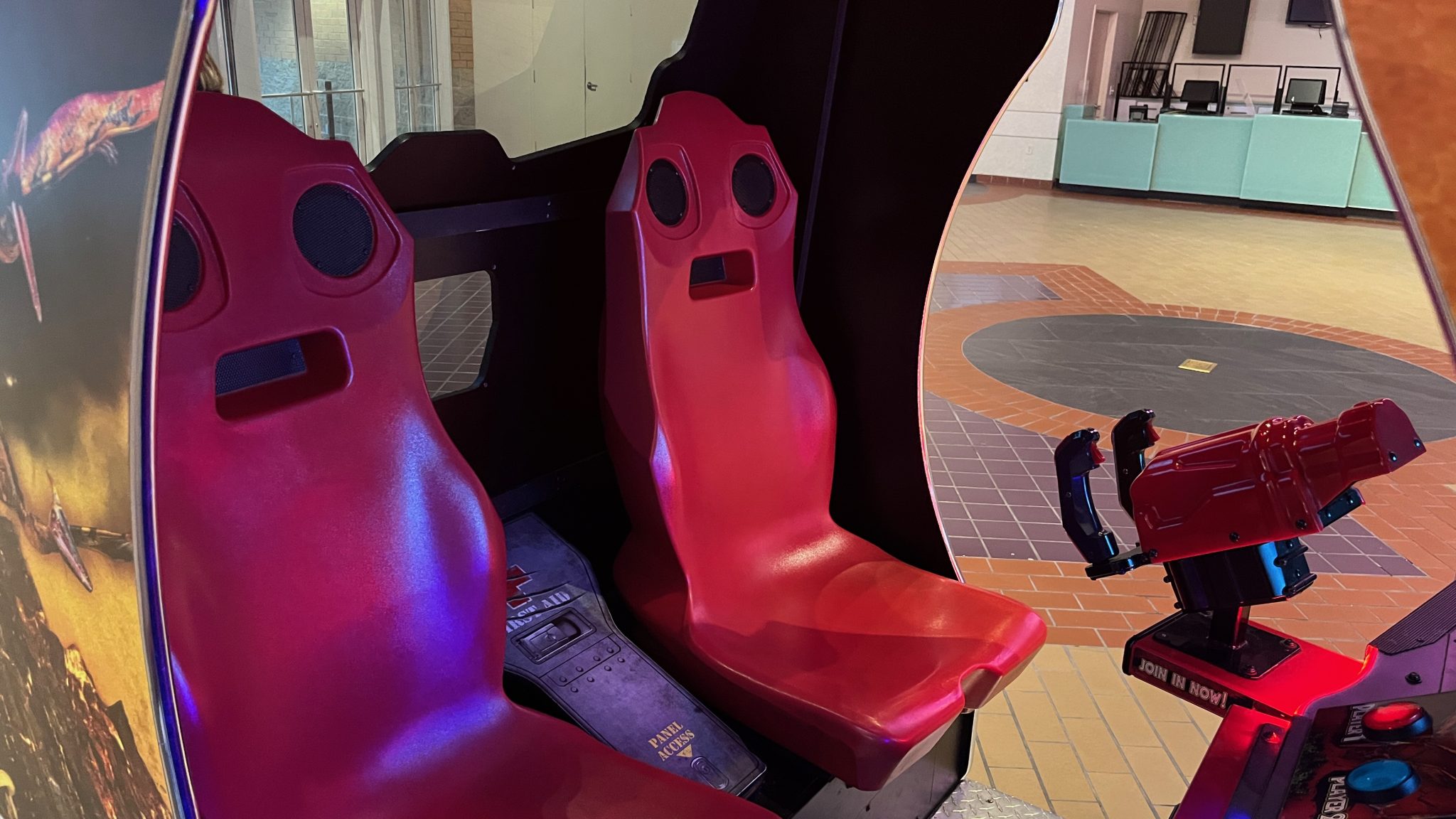
Pareidolia, the human tendency to find faces in everyday objects, finds its roots in the complex neural processing of visual information. Beyond facial features, pareidolia extends to encompass an expansive spectrum of recognizable patterns, demanding an in-depth exploration of the neurological mechanisms governing pattern recognition and faces challenges in discerning the borders between normal pattern recognition and clinically significant instances observed in conditions such as pareidolia-prone schizophrenia.
Artistic luminaries, including Salvador Dalí and Giuseppe Arcimboldo, have been known to cleverly exploit pareidolia in their creations, providing insights into the symbiotic relationship between cultural nuances and perceptual phenomena, while more recently the digital era has introduced new dimensions to pareidolia with the integration of artificial intelligence and machine learning.
Algorithmic pareidolia poses ethical problems, particularly in facial recognition software, necessitating a delicate balance between leveraging pareidolia for enhanced capabilities and mitigating potential ethical pitfalls.
Pareidolia seamlessly integrates into the fabric of daily life, appearing in a wide and varied range of activities, from cloud-gazing enthusiasts identifying familiar shapes to marketing strategies capitalizing on pareidolic principles.
Beyond scientific scrutiny, pareidolia often influences beliefs in the paranormal, particularly where individuals interpret perceived faces or figures in natural phenomena as supernatural signs.
The direction of pareidolia research lies at the crossroads of technological advancement and interdisciplinary collaborations. Synthesizing insights from cognitive psychology, neuroscience, art, and technology holds the promise of uncovering new facets of pareidolia, contributing to a deeper understanding of its implications across diverse domains.
In essence, pareidolia transcends mere perceptual idiosyncrasy, offering a scientific lens through which to explore the intricate interplay of neural processes, cultural dynamics, and technological advancements. A rigorous scientific inquiry into pareidolia enriches our understanding of human cognition, laying the foundation for critical insights in scientific disciplines, artistic endeavours, and the ethical considerations surrounding emerging technologies.