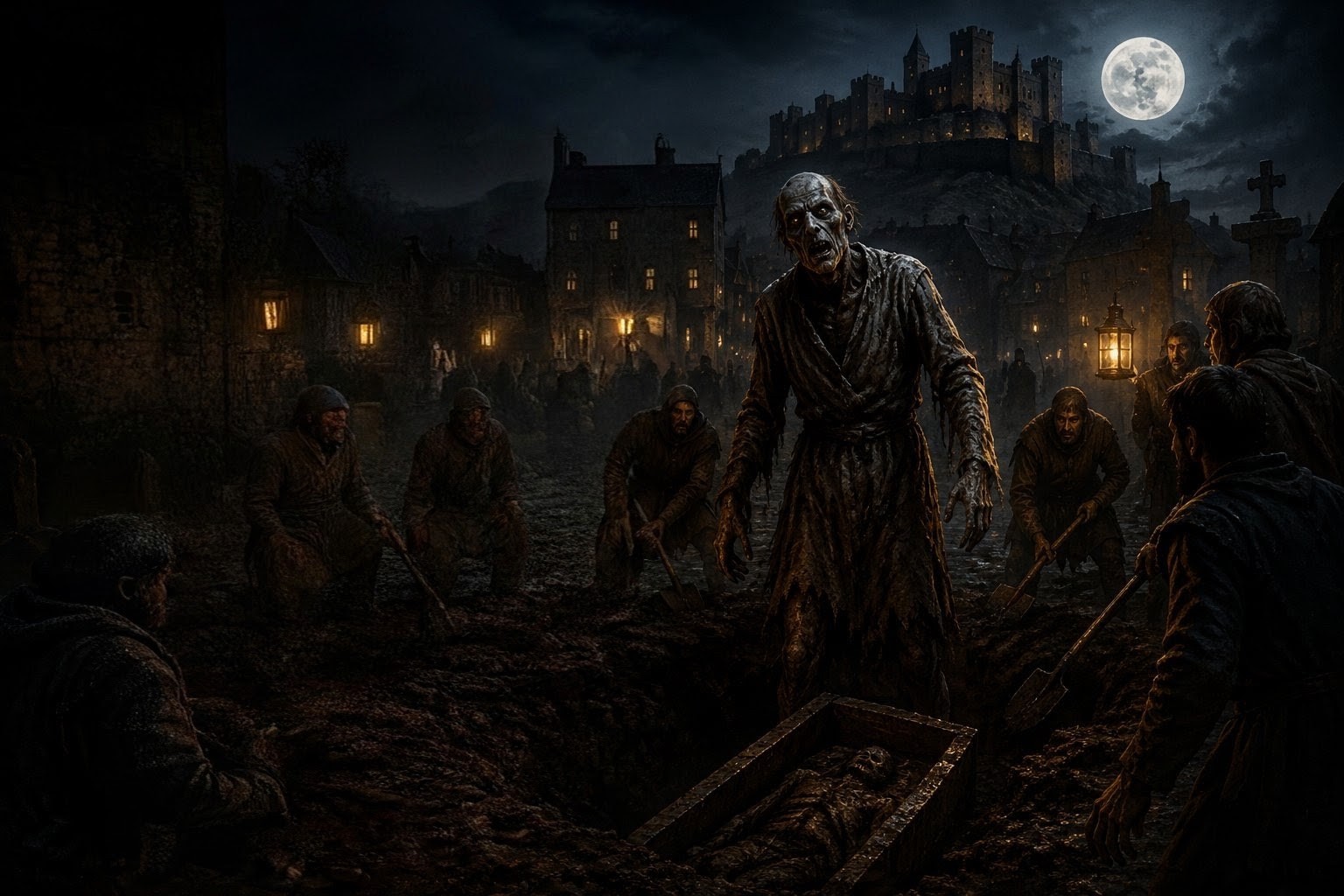
Long before Dracula gave Britain its elegant, aristocratic vampire, our dead were considerably less sophisticated. They got out of the grave, lumbered around frightening the neighbours, spread disease and occasionally required somebody to hit them with a spade.
Category: History

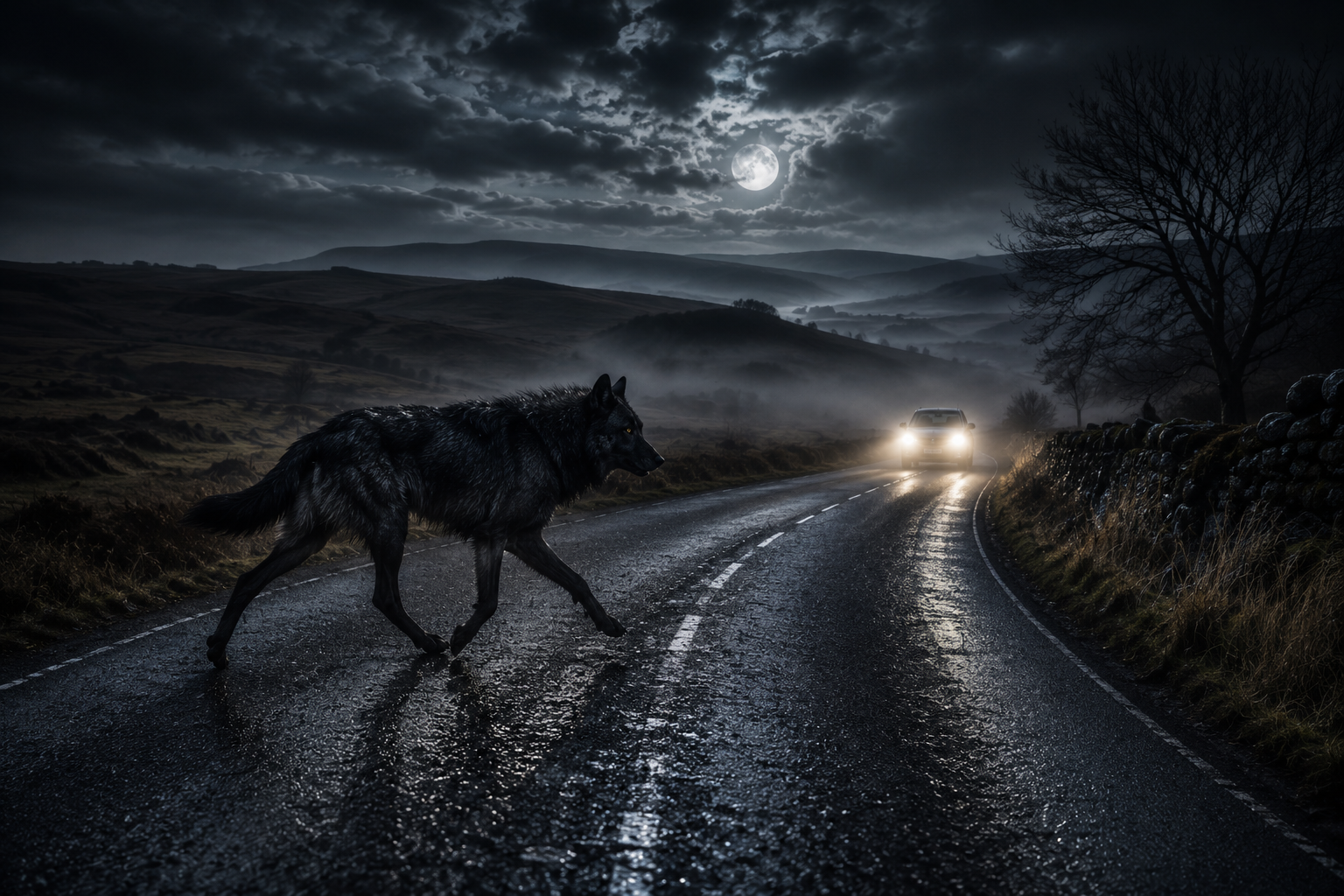
The Speed Wolf
From medieval wolf hunters to modern roadside encounters, the strange story of the creature said to haunt the roads around Buxton.
Sharing's Caring!


Star Jelly
For centuries, strange translucent jelly found on fields and hillsides was said to be the remains of fallen stars. In Wales it acquired the magnificent name pwdre sêr – “the rot of the stars”. But what if star jelly isn’t one mysterious substance at all, but several very earthly things sharing one extraordinary piece of folklore?
Sharing's Caring!

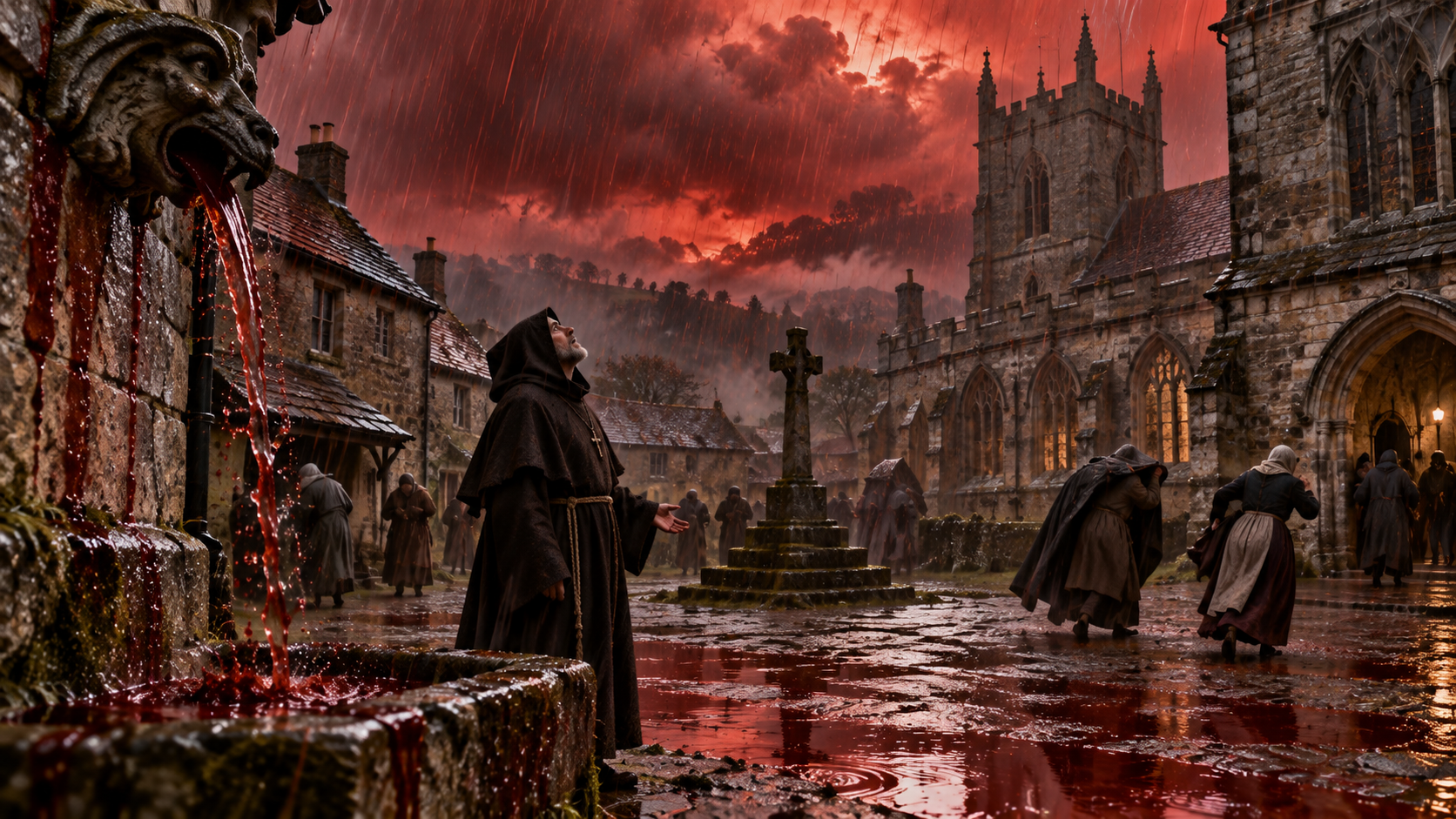
When the Sky Turns Red – Blood Rain
For centuries, red rain was recorded as a warning of war, plague and divine displeasure. But sometimes the explanation was travelling towards Europe from thousands of miles away. From ancient omens and medieval chronicles to Saharan dust carried across continents, what happens when the sky appears to bleed?
Sharing's Caring!


When It Rains Frogs and Fish
Fish falling over Wales. Frogs appearing after downpours. For centuries, people have reported animals apparently raining from the sky. Waterspouts and powerful winds offer a surprisingly plausible explanation – but explaining how it could happen isn’t quite the same as proving how a particular shower occurred.
Sharing's Caring!


The Kentucky Meat Shower
A clear Kentucky sky. A woman quietly making soap. And then pieces of flesh began falling from above. The Kentucky Meat Shower of 1876 sounds like folklore, but contemporary reports, preserved samples and microscopic examinations make the truth considerably stranger – and possibly much more disgusting.
Sharing's Caring!

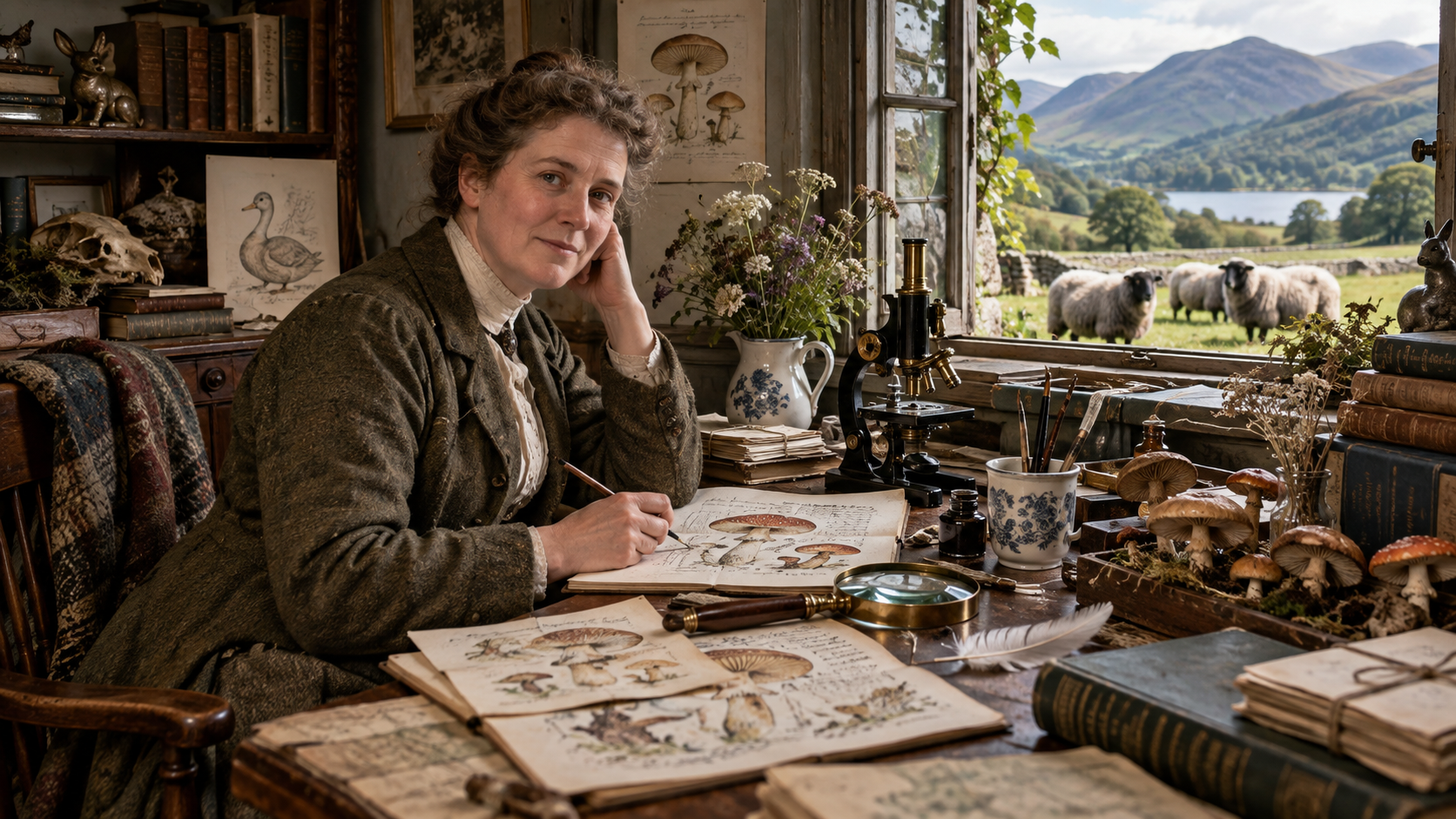
Beatrix Potter
Forget Peter Rabbit for a moment. Beatrix Potter was a mycologist, scientific illustrator, shrewd businesswoman, prize-winning sheep breeder and conservationist who helped preserve thousands of acres of the Lake District. Behind the little animals in jackets was a considerably more formidable woman – and one with a surprising fondness for fungi.
Sharing's Caring!


Eliza Maud Inglis (1864-1917)
Doctor, suffragist and formidable organiser, Elsie Inglis refused to accept the limits placed upon women. When Britain rejected her offer of an all-female medical unit during the First World War, she simply took her hospitals elsewhere – and changed thousands of lives.
Sharing's Caring!


Lilian Bland
In 1910, when aviation was still in its infancy, Lilian Bland decided she could build an aeroplane herself. Armed with determination, ingenuity, a Jameson’s whisky bottle and her aunt’s ear trumpet, she built the Mayfly – and then climbed aboard and flew it.
Sharing's Caring!


Maria Dickin CBE (1870-1951)
Maria Dickin saw something others had overlooked: poverty affected animals as well as people. From a Whitechapel basement she built the PDSA, transformed access to veterinary care and created the Dickin Medal for animal bravery.
Sharing's Caring!

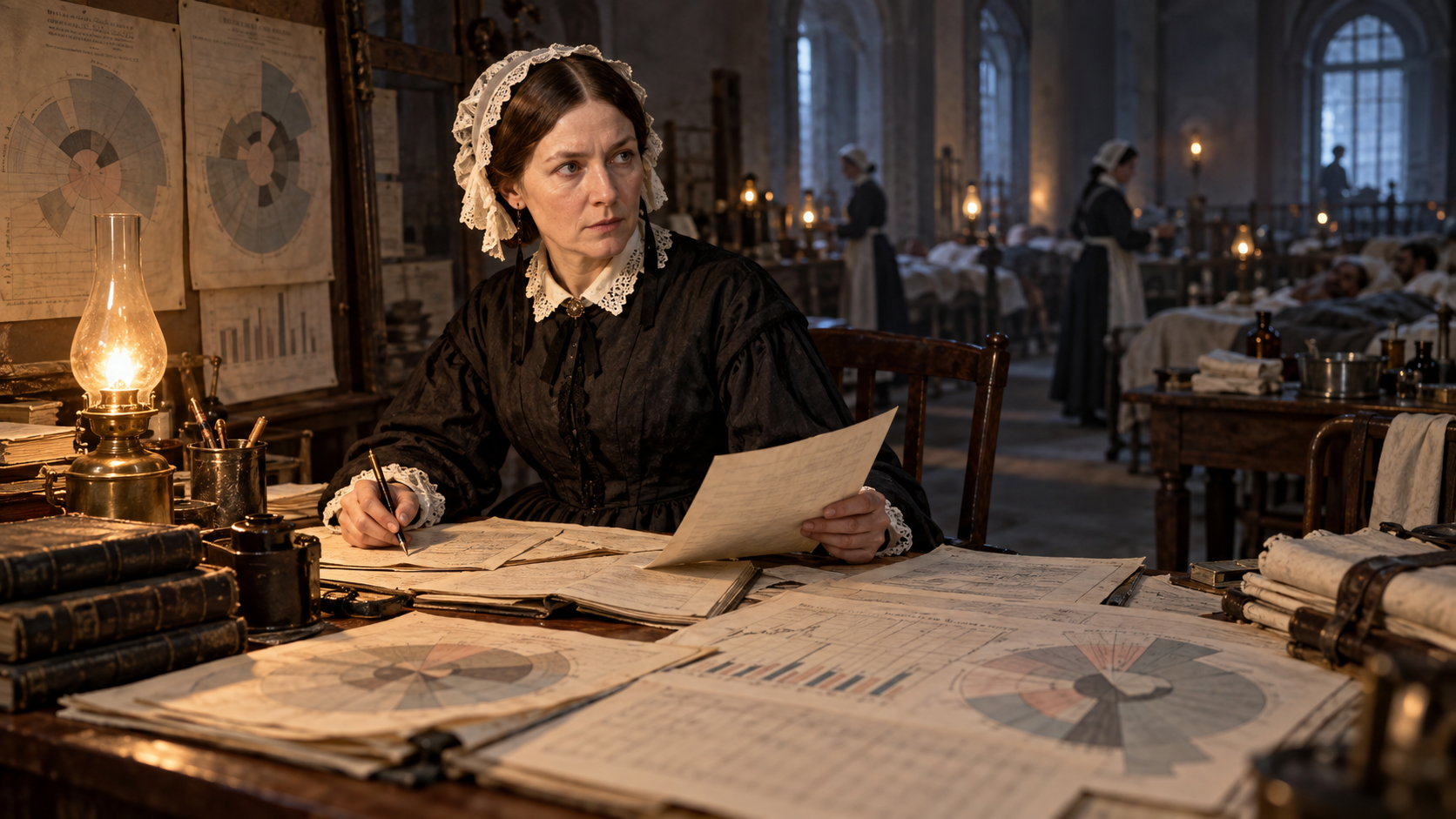
Florence Nightingale
Forget the gentle Lady with the Lamp. Florence Nightingale was a statistician, political operator and relentless reformer who used evidence to expose preventable deaths and force the British establishment to change.
Sharing's Caring!

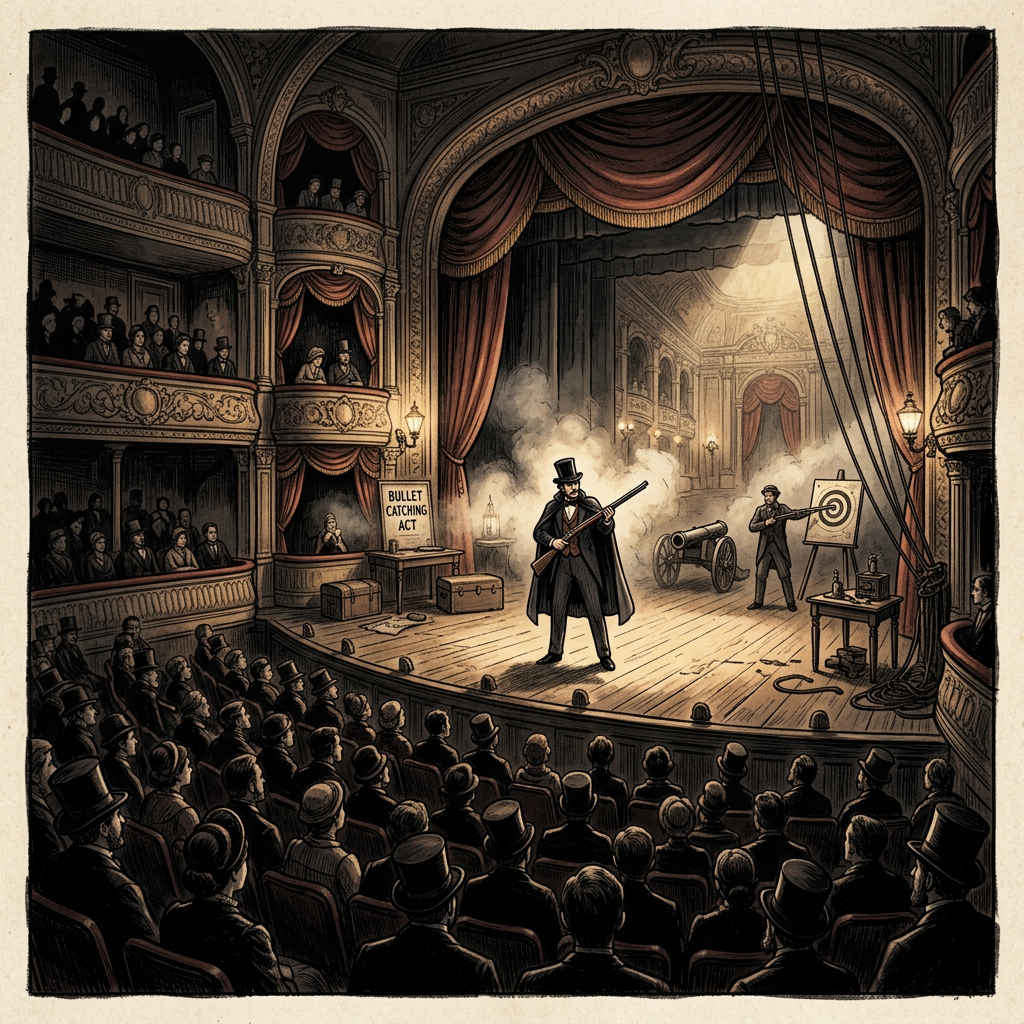
The Trick That Kills – The Bullet Catch
Ever since the invention of guns, it seems there have been people who were driven to prove they could catch the bullets ejected from the guns, between their teeth. Even today, in our modern world of TV shows, Deep Fake videos and constant warfare, the idea of trying the trick seems madness. Yet for 450 years, that is exactly what has happened, with Magician and Illusionist, one after another seeking to entertain us with what seems like the most dangerous or tricks.
Sharing's Caring!


Chung Ling Soo – The Magician Who Became His Own Illusion
For years, Chung Ling Soo couldn’t speak English. Then somebody shot him. Behind the robes, make-up and carefully constructed identity was William Robinson from New York, a magician who turned himself into perhaps his greatest illusion. But in 1918, at the Wood Green Empire, one tiny mechanical failure made something on his stage horribly real.
Sharing's Caring!

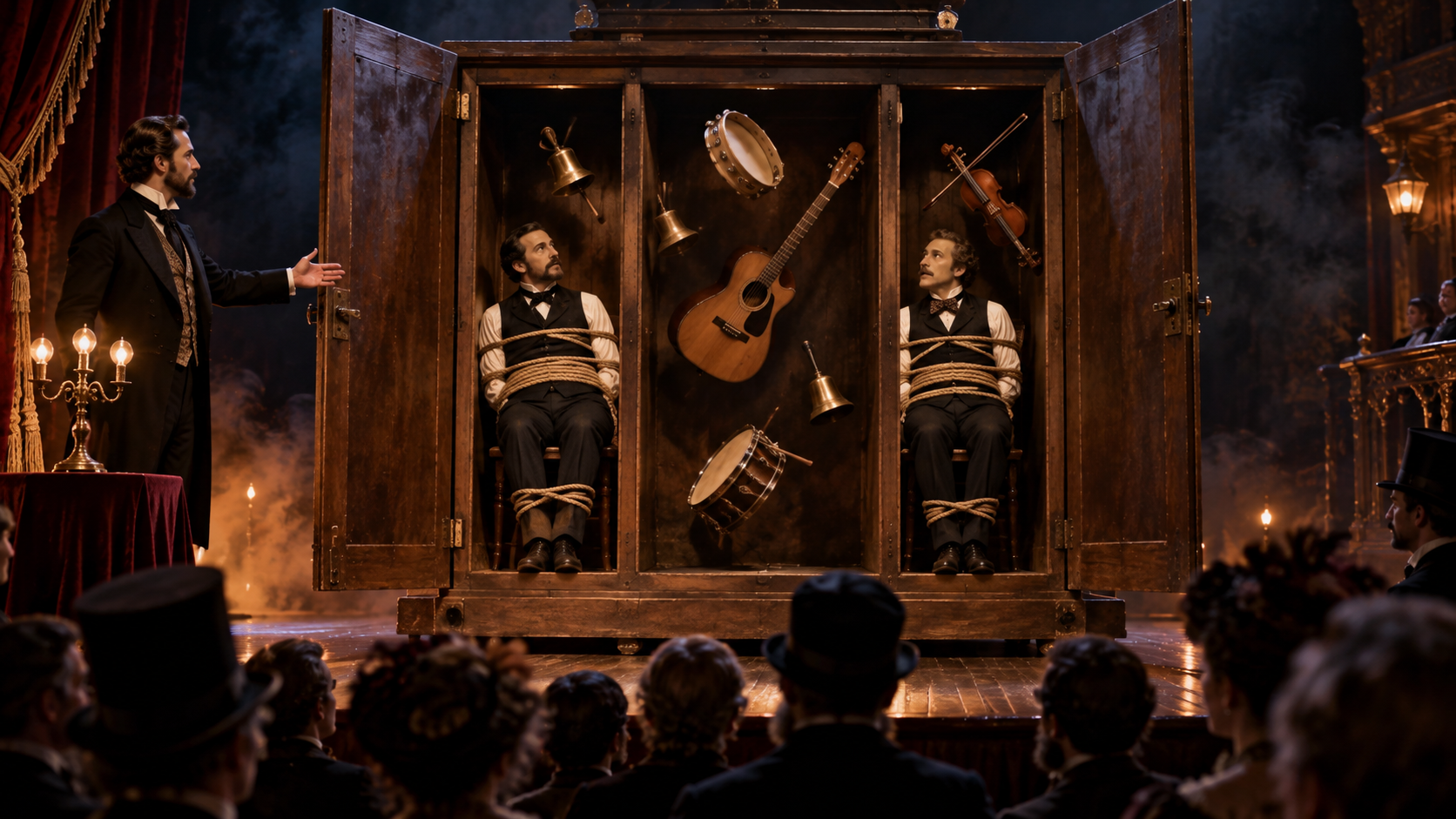
The Davenport Brothers – When Magic Met Spiritualism
Two brothers are tied inside a wooden cabinet. The doors close. Bells ring, instruments play and objects move – yet when the cabinet is opened, the brothers are still bound. Spirits, trickery or something in between? Meet the Davenport Brothers, the performers who set Victorian Britain arguing and inadvertently helped launch a new age of stage magic.
Sharing's Caring!


Adelaide Herrmann – The Queen of Magic
She caught bullets, conjured ghosts and commanded spectacular illusions on stages around the world. When her famous husband died, Adelaide Herrmann refused to disappear with him. Meet the London-born performer who stepped out of the magician’s shadow, demanded recognition on her own terms and became the Queen of Magic.
Sharing's Caring!


The Great Lafayette – The Magician Who Died Twice
In 1911, the Great Lafayette died in a catastrophic fire at Edinburgh’s Empire Palace Theatre. His body was recovered, identified and cremated. There was just one problem: three days later, they found Lafayette again. The extraordinary true story of a master illusionist, a mistaken corpse, a beloved dog named Beauty and one final macabre disappearing act.
Sharing's Caring!

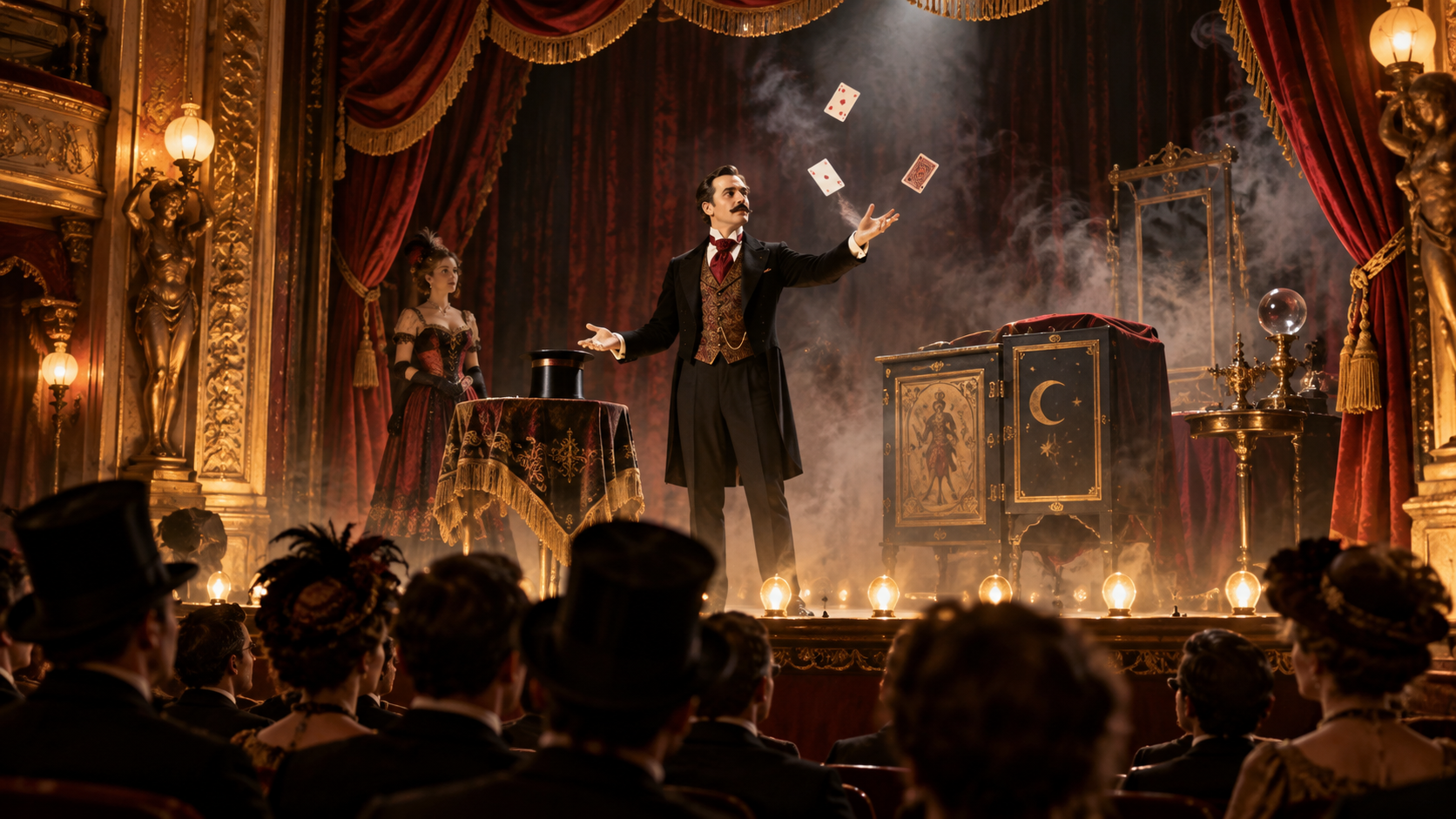
The Golden Age of Magic – When Conjurors Became Superstars
In the late nineteenth century, London’s Golden Age of Magic emerged, transforming magicians into celebrated entertainers. Figures like Jean-Eugène Robert-Houdin and John Nevil Maskelyne utilized technology and theatrical techniques to captivate audiences. The rise of Spiritualism also inspired magicians, fostering a collision between entertainment and belief. Magic became a respected art form, paving the way for its future.
Sharing's Caring!

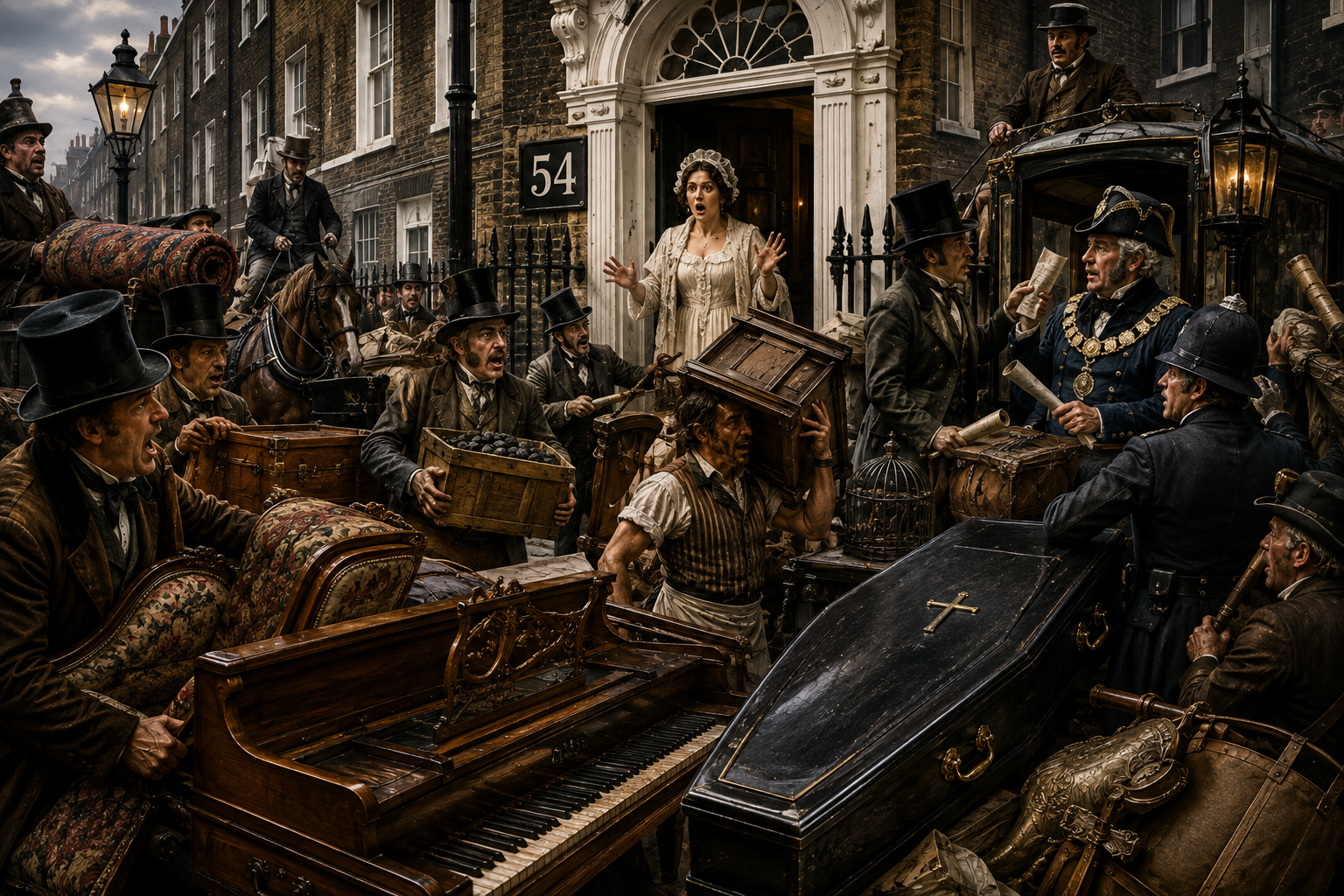
The Berners Street Hoax.
On 27 November 1810, an ordinary London house became the destination for an extraordinary procession of chimney sweeps, coal merchants, furniture, musicians, tradesmen, professionals, servants — and even the Lord Mayor. Someone had sent a barrage of convincing requests in the name of the unsuspecting woman at Number 54 Berners Street. More than two centuries later, we know the hoax happened. The question is: did Theodore Hook really do it?
Sharing's Caring!


The Boy Who Gave His Father Shakespeare
A forged signature was enough to delight his Shakespeare-obsessed father. So William Henry Ireland produced another document. Then another. Before long, he had created letters, poetry, relics – and an entirely “lost” Shakespeare play. What began as a son’s attempt to win his father’s approval became one of Britain’s most audacious literary hoaxes.
Sharing's Caring!

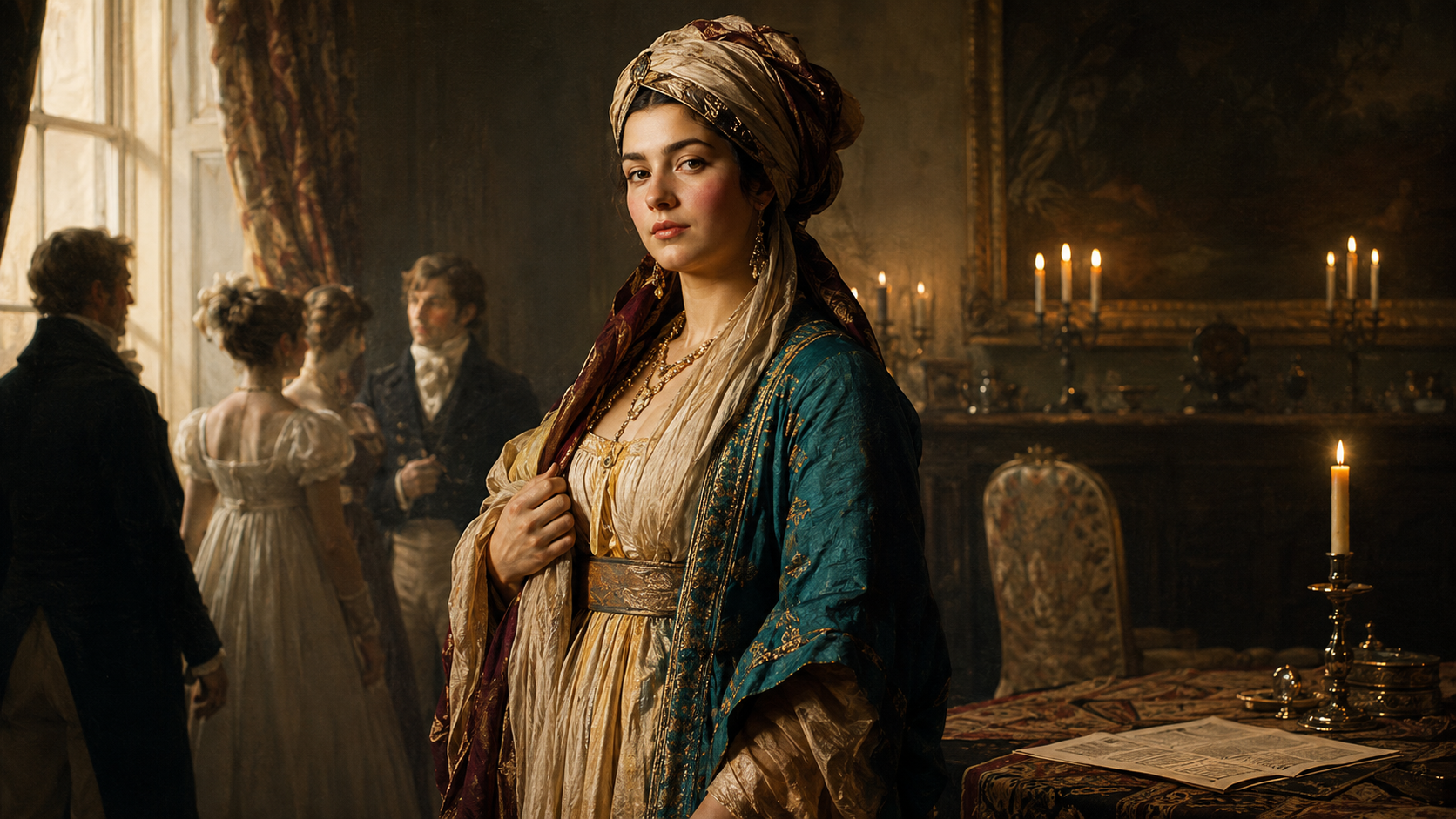
Princess Caraboo
In 1817, a mysterious young woman arrived in a Gloucestershire village speaking an unknown language. Soon, she had convinced polite society that she was Princess Caraboo of Javasu -but behind the elaborate performance was Mary Willcocks, a resourceful woman determined to survive.
Sharing's Caring!

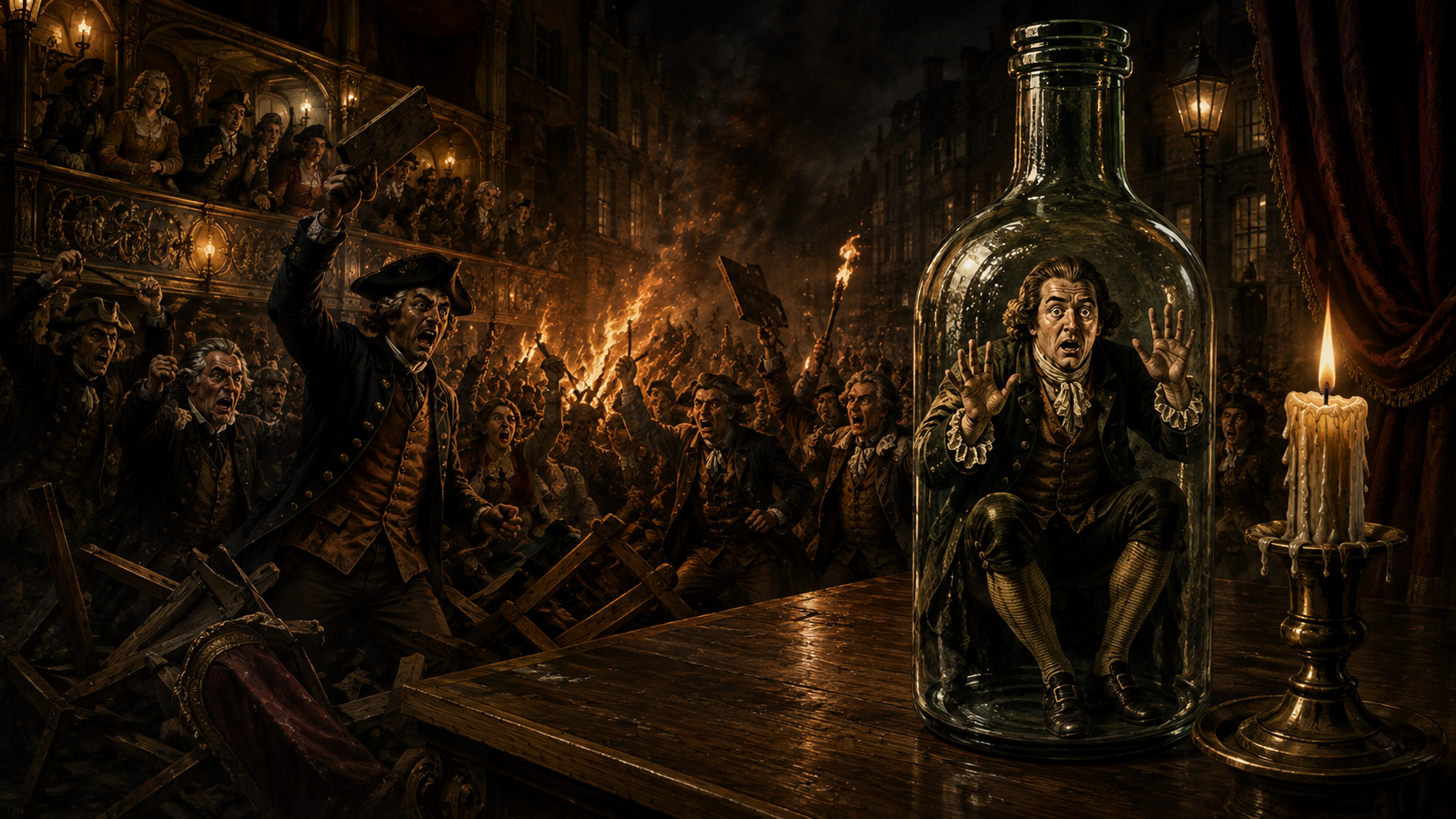
The Night London Rioted Over a Man in a Bottle
In January 1749, Londoners packed the Haymarket to witness an apparently impossible feat: a man climbing into an ordinary wine bottle. The performer never appeared. The audience did, however – and when they realised the trick had already been played on them, things got spectacularly out of hand.
Sharing's Caring!


The Woman Who Gave Birth To Rabbits
In 1726, Mary Toft became one of the most notorious women in England after apparently giving birth to rabbits. Doctors investigated, royal physicians became involved and London was transfixed. But behind one of history’s most infamous medical hoaxes lies a stranger story of pregnancy, belief, deception and a young woman whose role may have been far more complicated than the legend suggests.
Sharing's Caring!

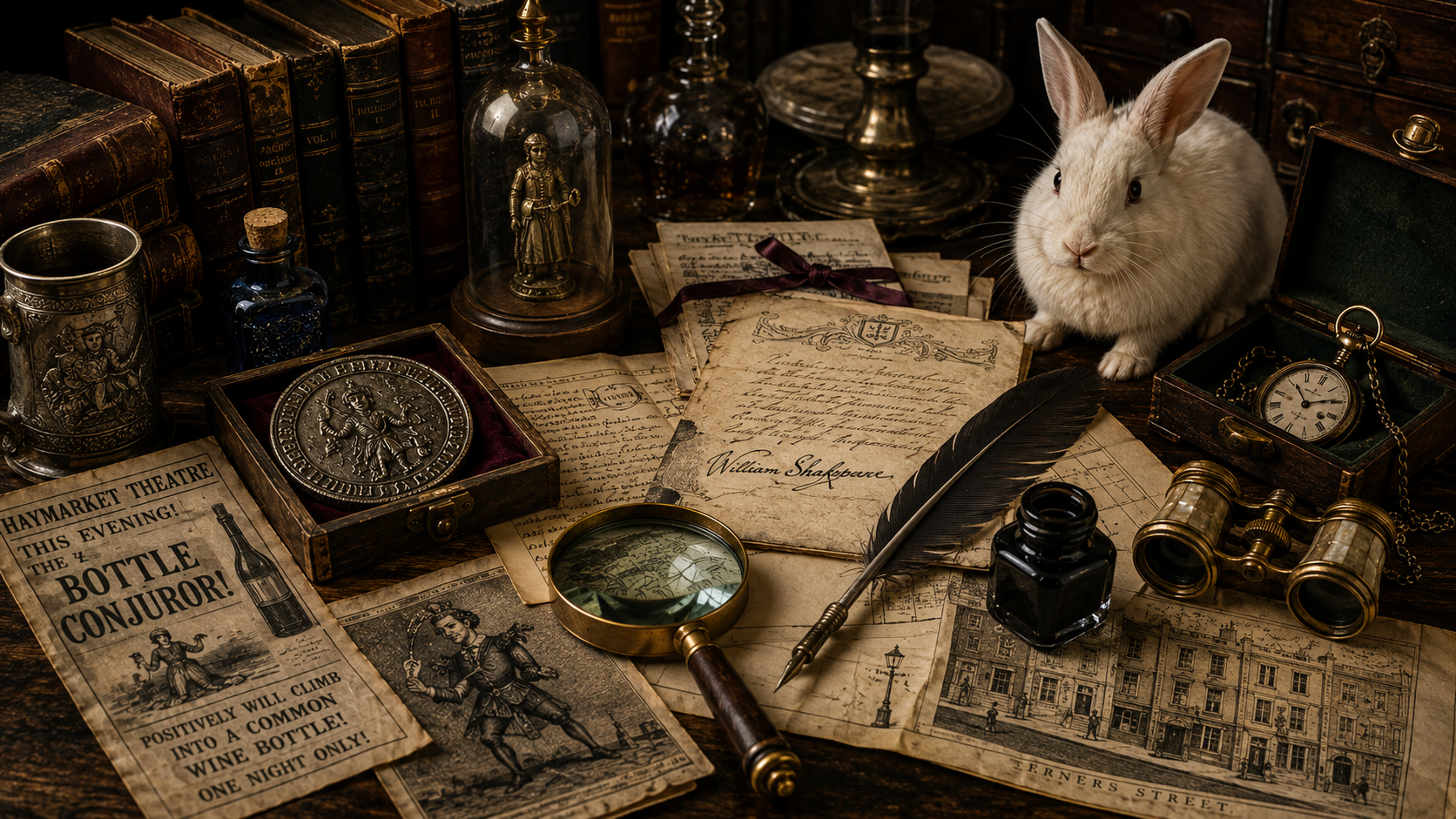
When Britain Loved Being Fooled
Britain has a long and glorious history of being fooled. From forged antiquities and impossible performances to mysterious princesses and women supposedly giving birth to rabbits, the greatest hoaxes succeed not because our ancestors were stupid, but because someone gave them exactly what they wanted to believe.
Sharing's Caring!

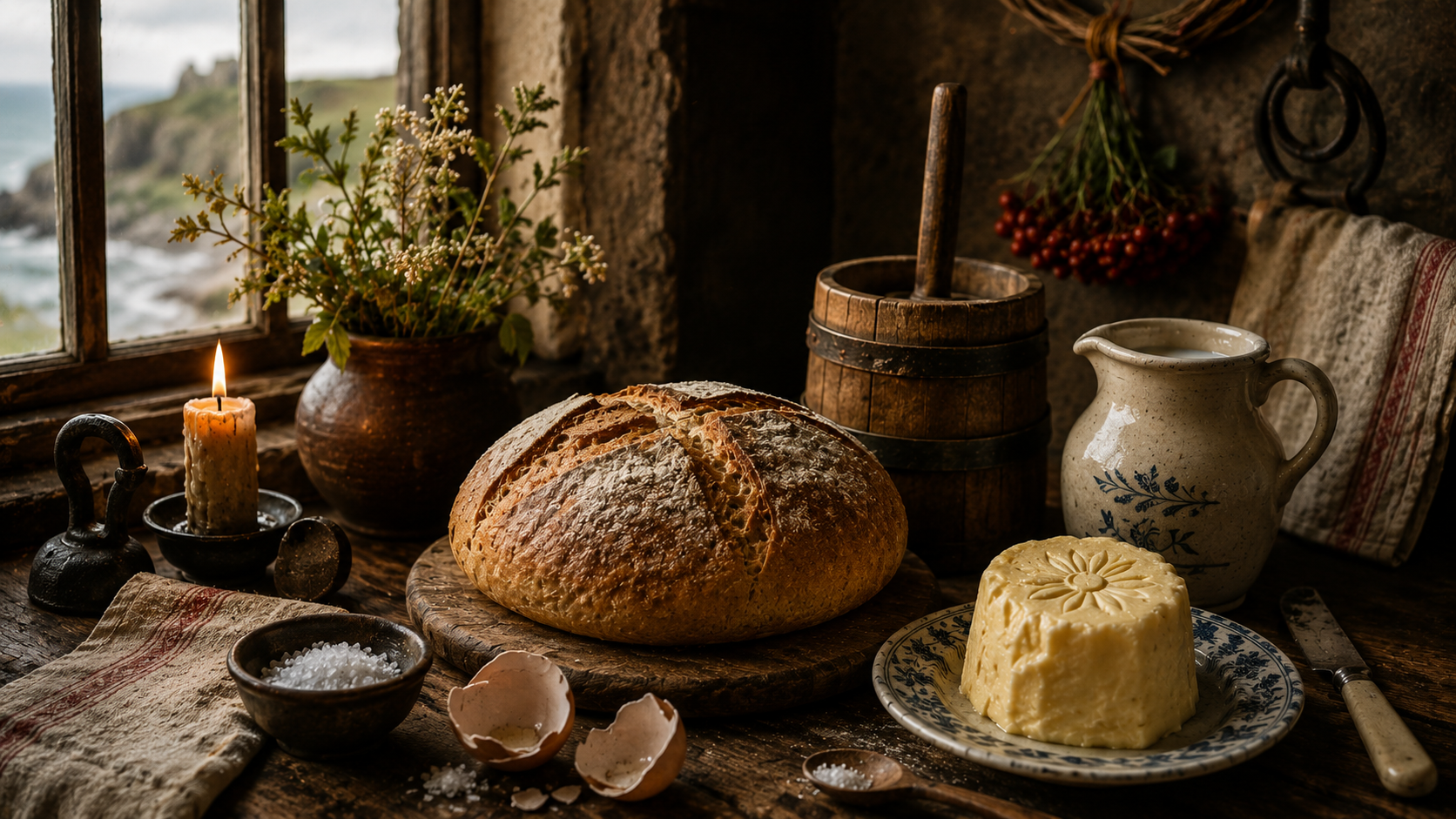
Don’t Turn the Bread Upside-Down
Bread, butter, salt, fire and even empty egg shells were once surrounded by rules designed to protect the household. Step into the kitchen, where everyday cooking still carries traces of some very Old Magic…
Sharing's Caring!

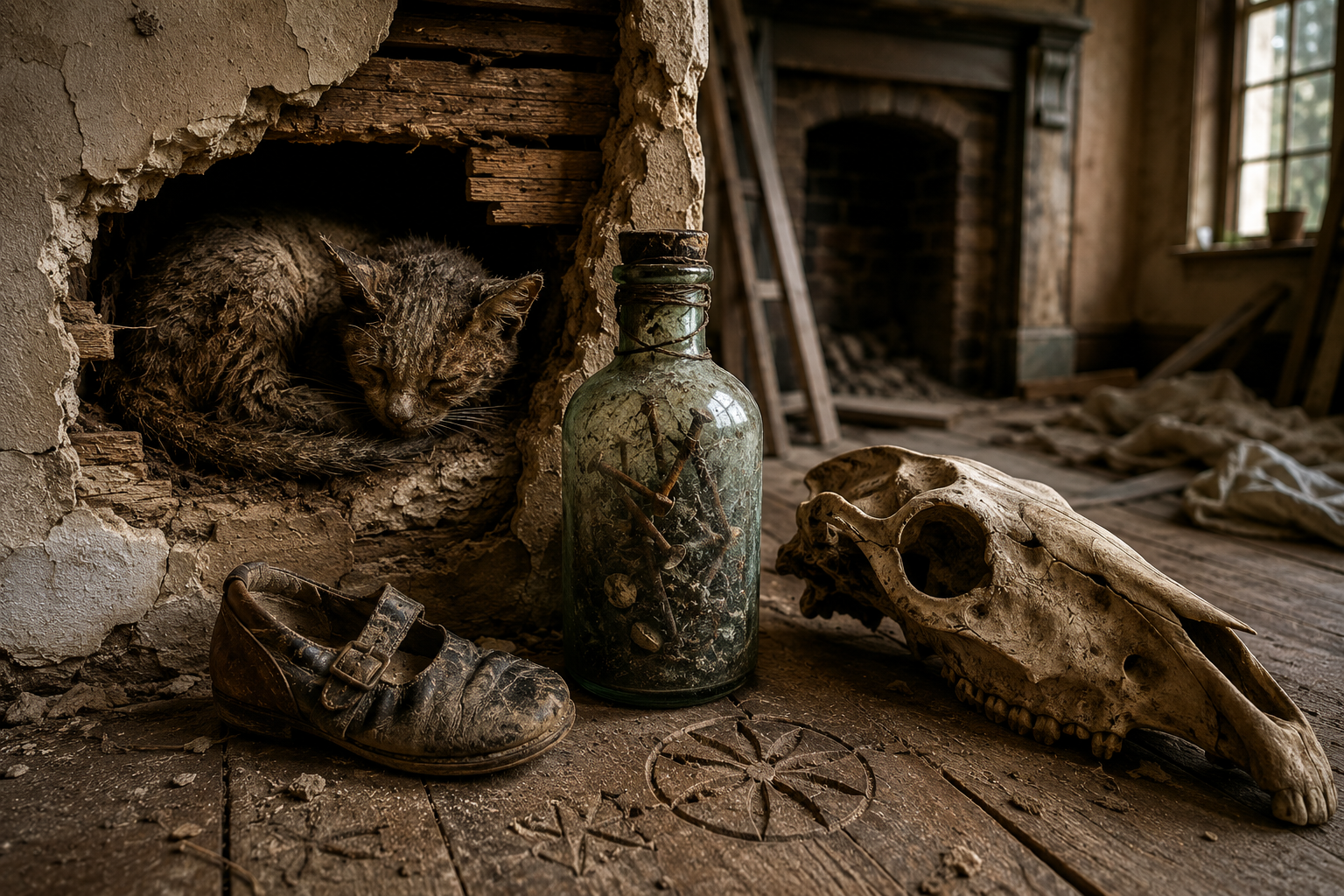
Put It Back
Shoes in walls, witch bottles beneath floors, horse skulls under houses and dried cats hidden in ceilings. Our ancestors built protection into their homes – and when we find it centuries later, sometimes we still put it back.
