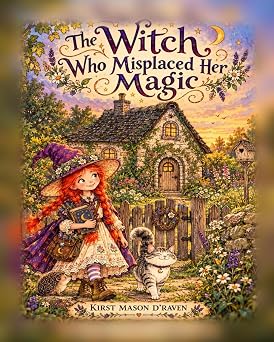
There’s a new witch in town. Unfortunately, she’s having a bit of trouble with the witchcraft…
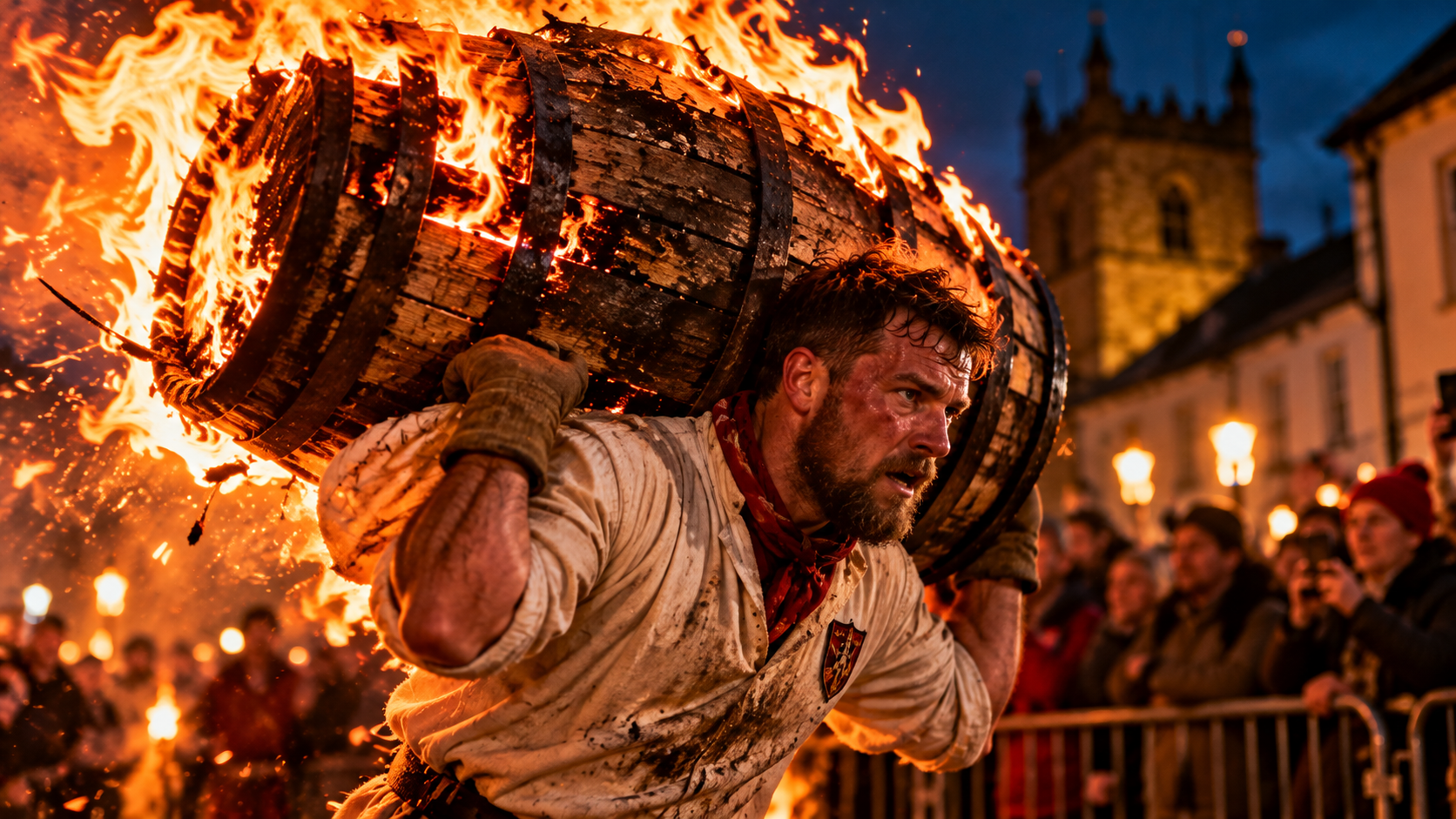
Ottery St Mary – The Devon Town That Carries Fire on Its Shoulders
There are plenty of places in Britain where people gather around bonfires on the fifth…
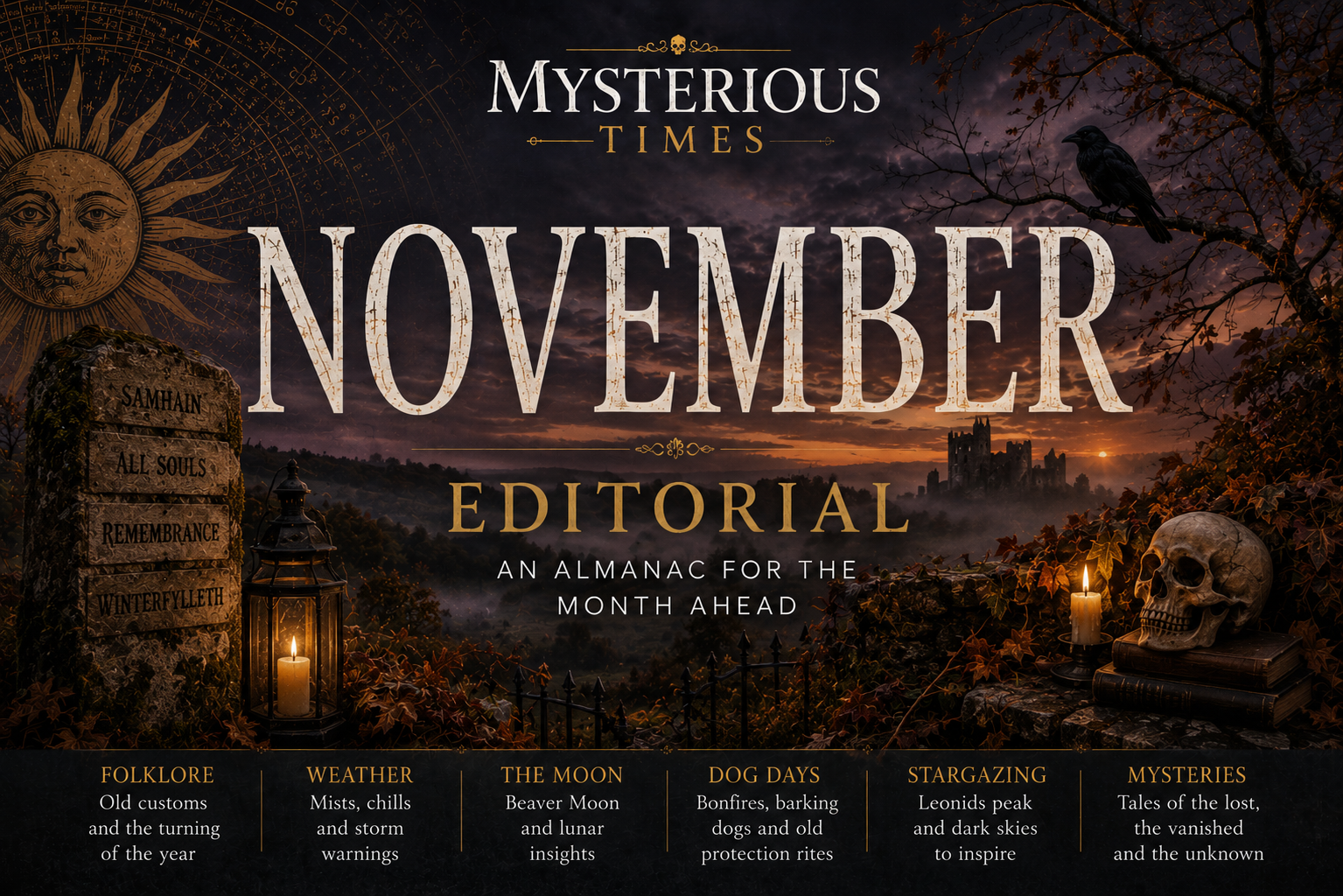
The Mysterious Times Almanac: November 2026
I love November. October makes a great fuss about its ghosts, witches and things that…
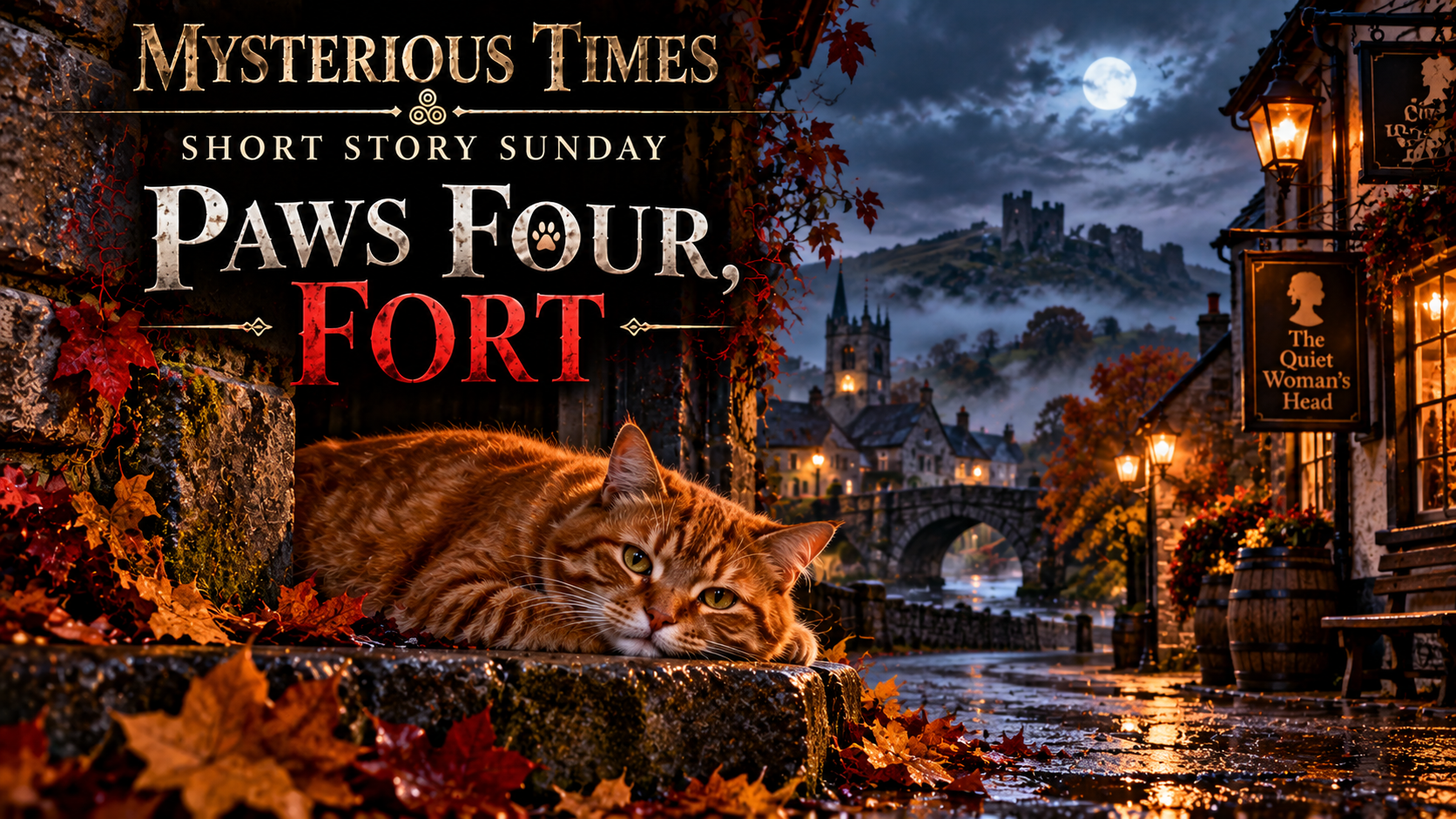
Short Story Sunday Part 2 Paws four, Fort
The next morning we felt a little worse for wear. Alison had had three double…

Ottery St Mary – The Devon Town That Carries Fire on Its Shoulders
Every Bonfire Night, the people of Ottery St Mary in Devon carry blazing tar barrels on their shoulders through crowded streets. It’s one of Britain’s most astonishing surviving fire customs, but where did it come from, and why has this extraordinary tradition endured when so many others disappeared?
Sharing's Caring!

The Mysterious Times Almanac: November 2026
Of Bonfires, Wandering Spirits, Falling Stars and the Gathering Dark…
Sharing's Caring!

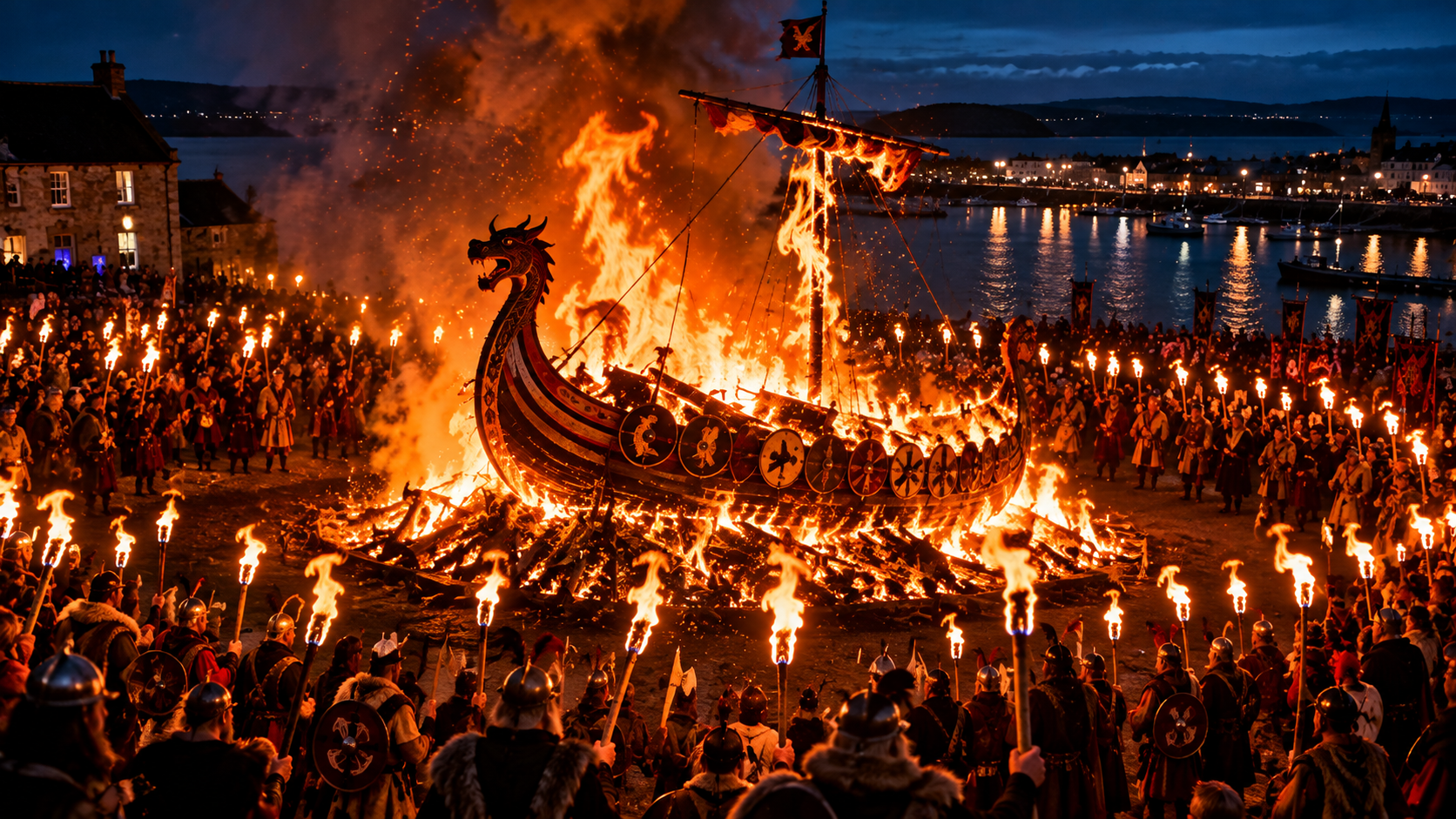
Up Helly Aa – The Viking Fire Festival That Isn’t Quite Viking
Every January, Shetland’s Up Helly Aa festival transforms Lerwick into a spectacular world of Viking costumes, flaming torches and a burning longship. Yet this extraordinary celebration isn’t an ancient Norse survival. Its real origins lie in nineteenth-century disorder, burning tar barrels and a community determined to reinvent its winter traditions.
Sharing's Caring!

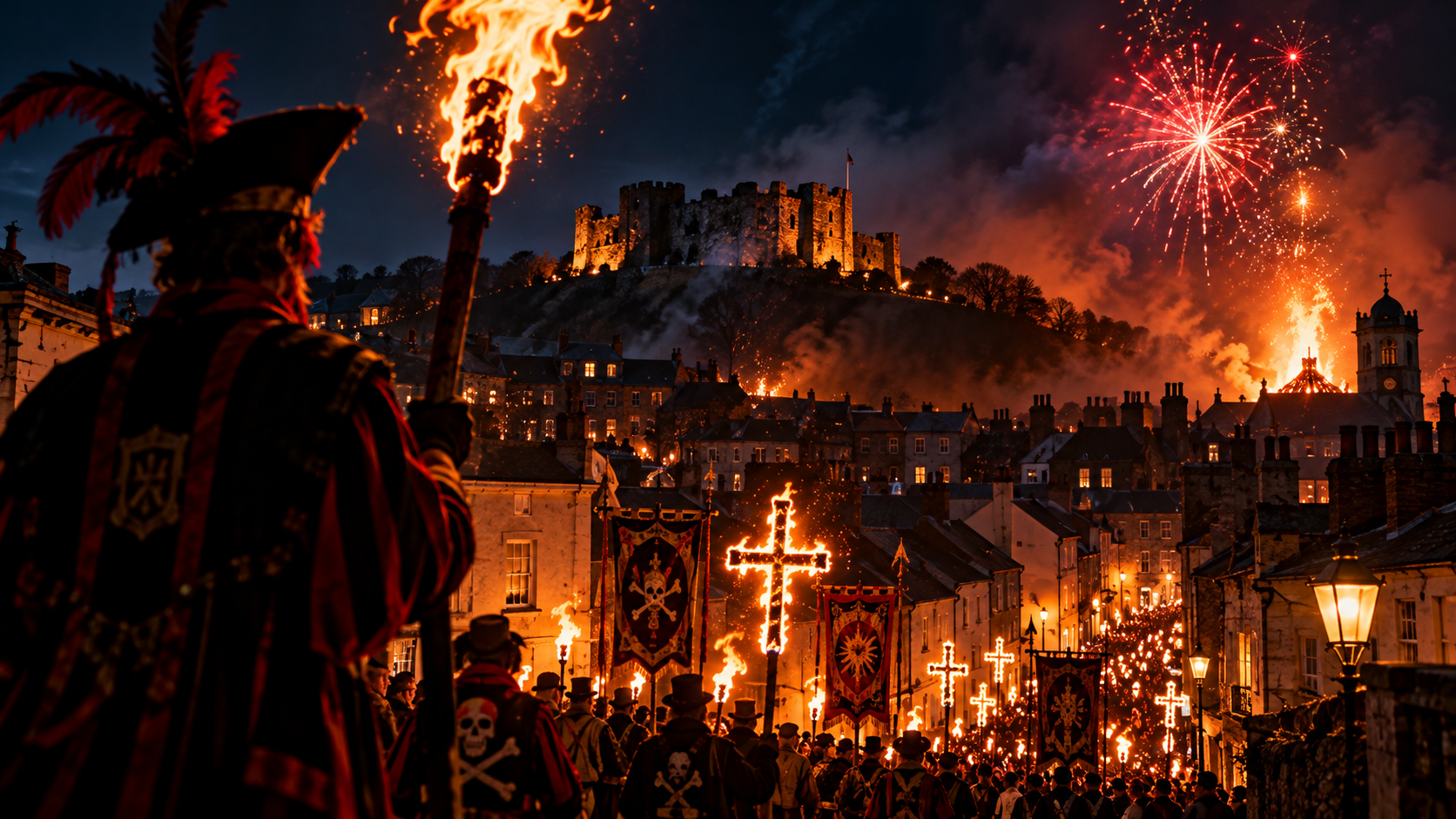
Lewes Bonfire – Gunpowder, Martyrs and the Town That Refused to Be Tamed
Every November, the streets of Lewes erupt in flames, fireworks and centuries of fiercely defended tradition. From the Marian martyrs and Gunpowder Plot to rebellious Bonfire Boys and battles with authority, the extraordinary history behind Britain’s most defiant Bonfire Night celebrations.
Sharing's Caring!


The Burning of the Clavie
Every January, the people of Burghead on Scotland’s Moray coast welcome the old New Year with a blazing barrel carried through their streets. The Burning of the Clavie is a remarkable survival of Scottish fire folklore, but how much of its supposedly ancient history can we really prove?
Sharing's Caring!


The Need-Fire – Kirst Mason D’Raven
When livestock begin dying in a remote British village, an elderly woman insists that every flame must be extinguished before midnight. Weeks later, a police interview reveals what happens when an ancient ritual is performed almost correctly. The dead are knocking, the lychgate is open, and some traditions were never meant to be forgotten.
Sharing's Caring!


Short Story Sunday Part 4. Sleep, perchance to dream of a stream. And Tahl-ee-ess-in.
Monday Morning November 3rd, 2025 I remember it vividly. We awoke around seven in the morning. One of those awakenings that is immediate and bright. […]
Sharing's Caring!

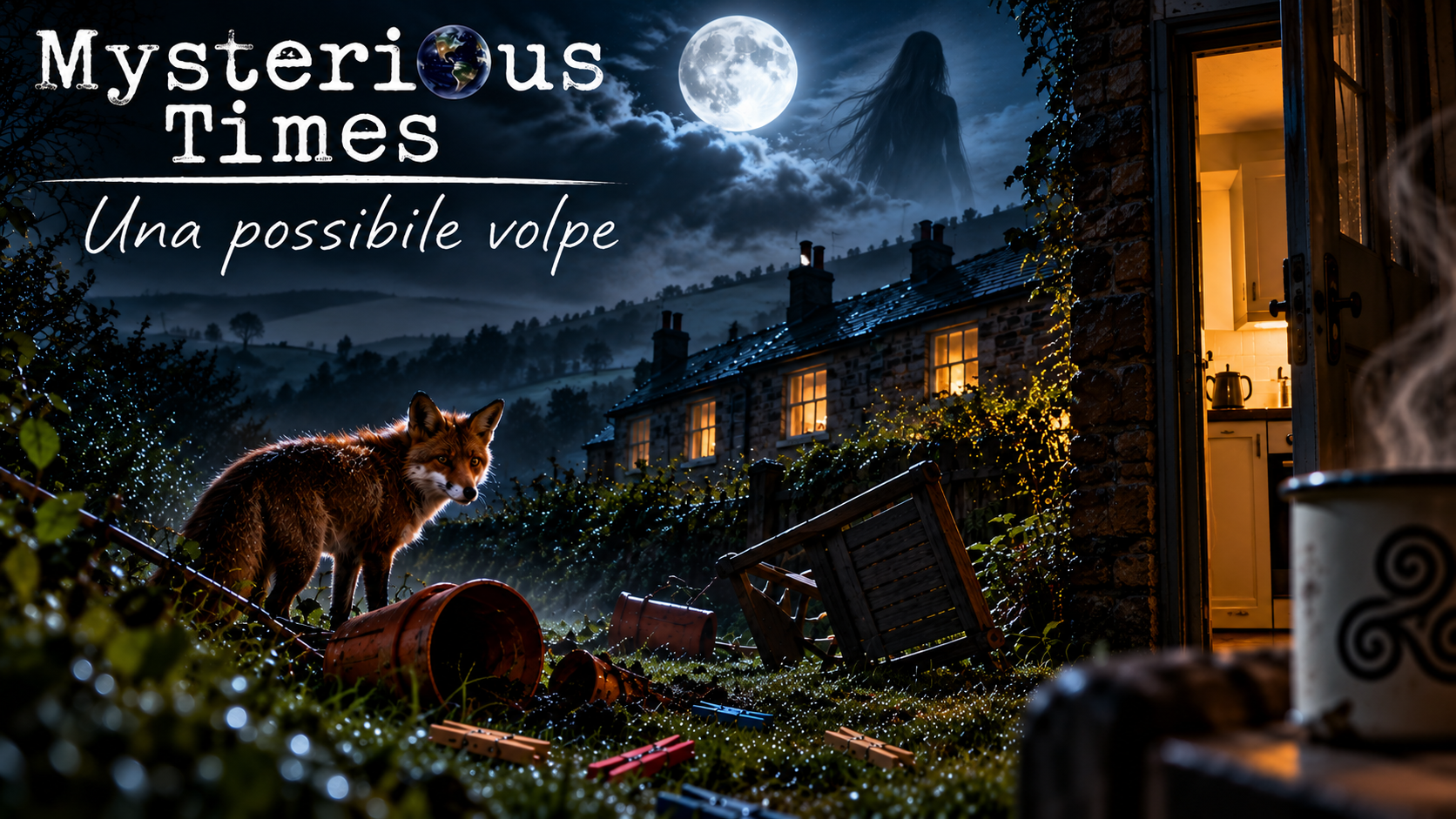
Short Story Sunday Part 3 “Una possibile volpe e un agnellino”
A disturbance in the garden, a voice that shouldn’t have been there, and a growing sense that something is terribly wrong. As Alison and Ken delve deeper into the legend of Ceridwen, a meeting with a Welsh historian raises more questions than answers. Are they uncovering an ancient mystery, or has something already begun to follow them?
Sharing's Caring!


31 Days of Fear – 17. Fear of the Moon
The Moon has always held a powerful sway over human imagination. It has been the subject of countless myths, legends, and scientific inquiry. Yet, for […]
Sharing's Caring!

Uncategorized
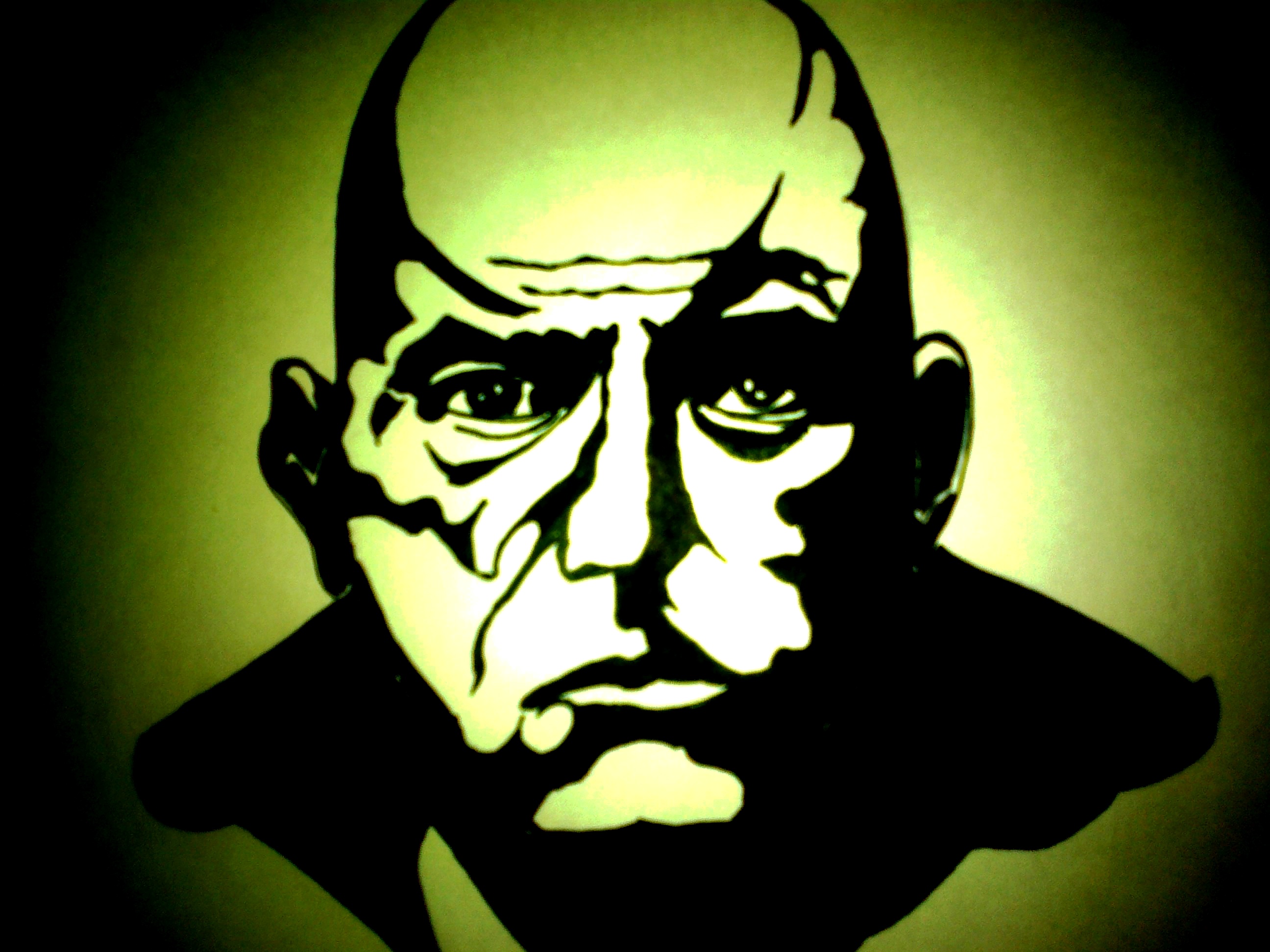
Aleistor Crowley – The Wickedest Man in the World.
Born Edward Alexander Crowley on the 12th October 1875 in Leamington Spa, Warwickshire. The self proclaimed Great Beast of the Apocalypse is regarded by some as the greatest magician of all time.
Sharing's Caring!

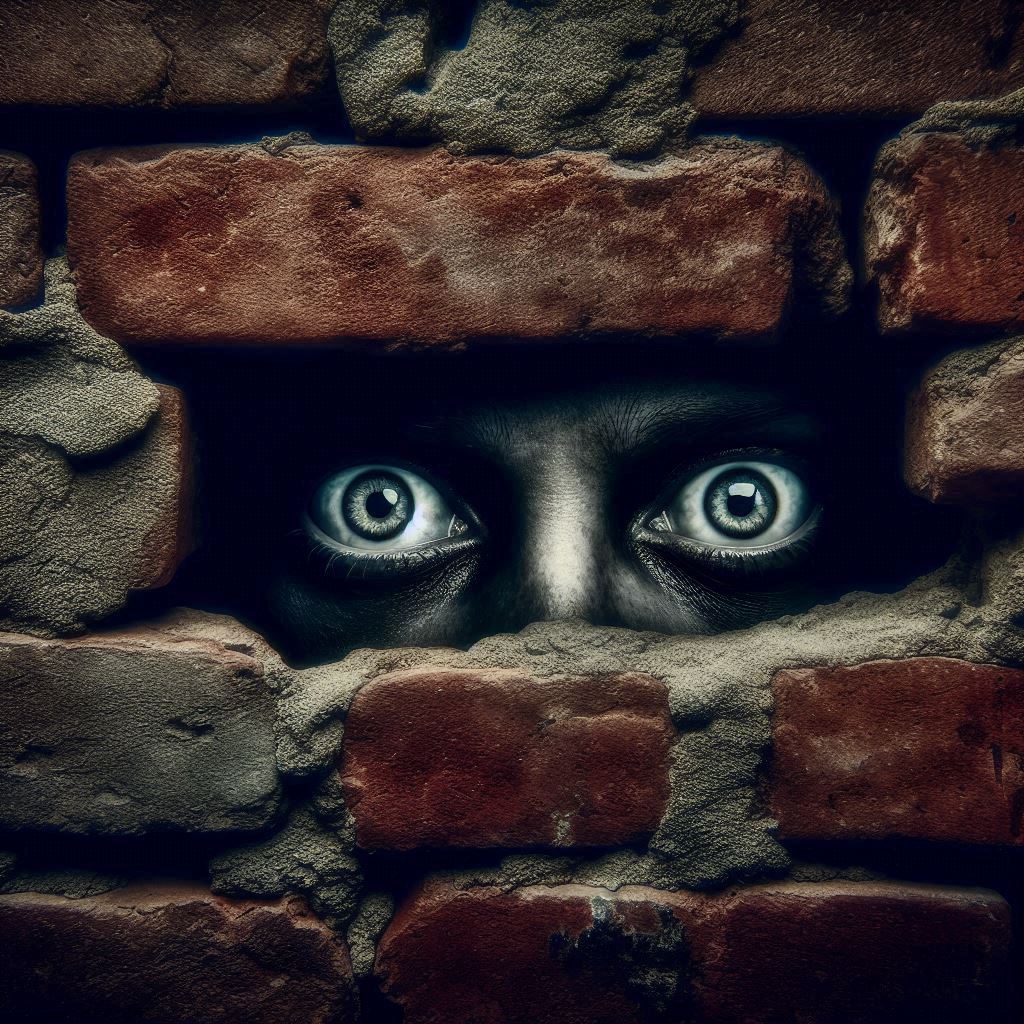
Trapped in Time – The Ghosts Behind Britain’s Walled-Up Tales
Whether these ghosts are seen as restless spirits seeking vengeance, tragic figures seeking peace, or simply echoes of a brutal past, their stories continue to captivate and terrify those who hear them.
Sharing's Caring!

Short Story Sunday Part 2 Paws four, Fort
The morning after a very strange Hallowe’en, Ken and Alison have questions.
Unfortunately, nobody else in the village seems to have noticed anything unusual.
A little digging leads them to the legend of Ceridwen – and the unsettling discovery that what they witnessed follows an ancient story rather too closely for comfort.
If something from Welsh mythology really did appear in their village, there is one particularly awkward question left to answer:
Why here? And why now?
Sharing's Caring!

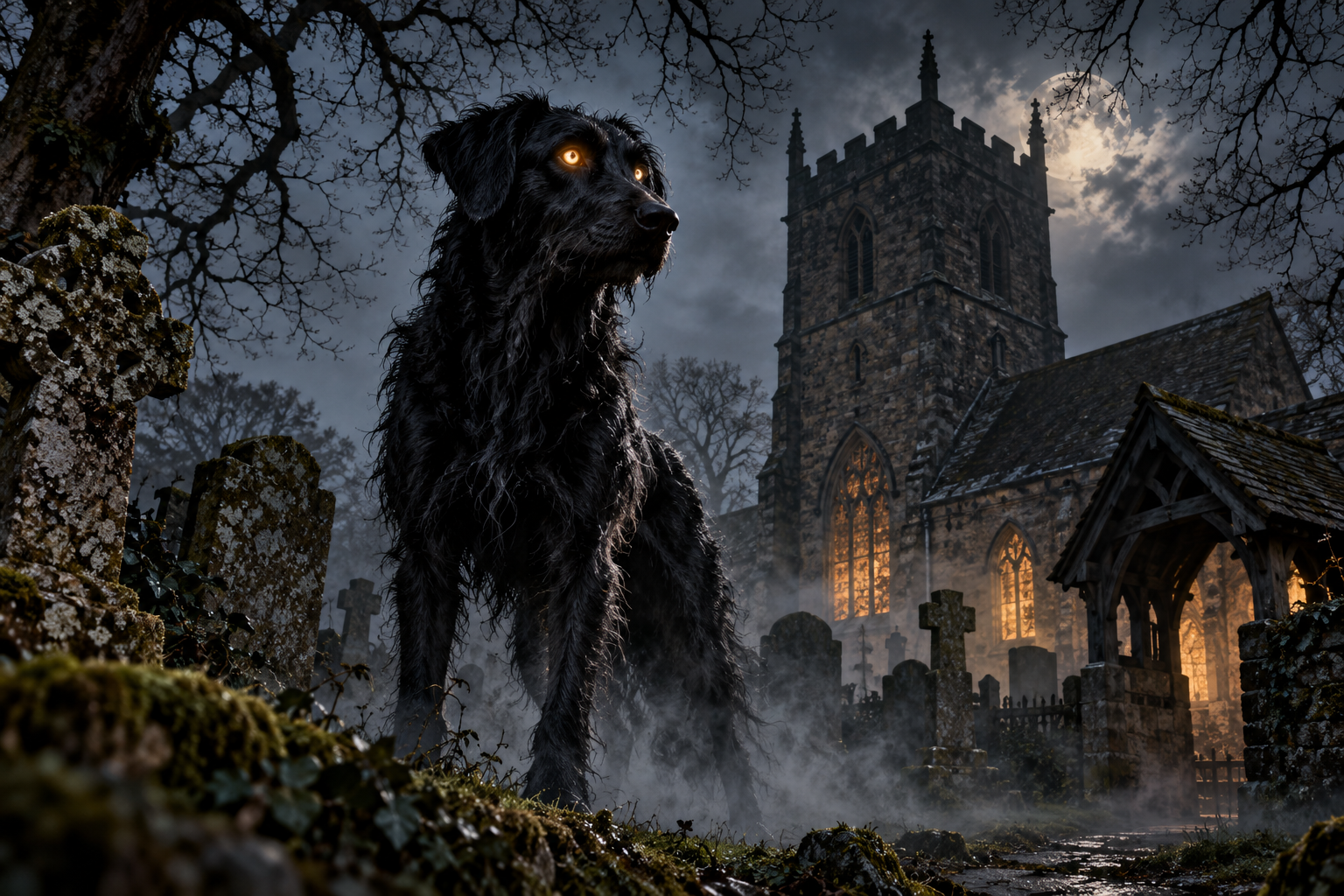
The Church Grim – Derbyshire’s Mysterious Guardian
If you’re into cosy vibes and spooky tales, Derbyshire’s got some creepy history! The Church Grim is a black dog spirit guarding graveyards, ensuring the dead stay safe from darker forces. Folks claim it shows up before a death, but it’s more of a watchful protector than a pure fright. Just be cool and let it do its thing!
Sharing's Caring!


Short Story Sunday Part 1 The Ghost of Ceridwen
Alison and Ken thought they knew what to expect from Hallowe’en: too many plastic skeletons, questionable seasonal merchandise and perhaps a hot toddy at the pub.
They weren’t expecting the woman in red.
Nor the hare she was chasing.
And they certainly weren’t expecting either of them to start changing shape.
What begins as an ordinary Hallowe’en in a quiet Welsh village is about to become something far older, stranger and considerably more complicated.
Sharing's Caring!

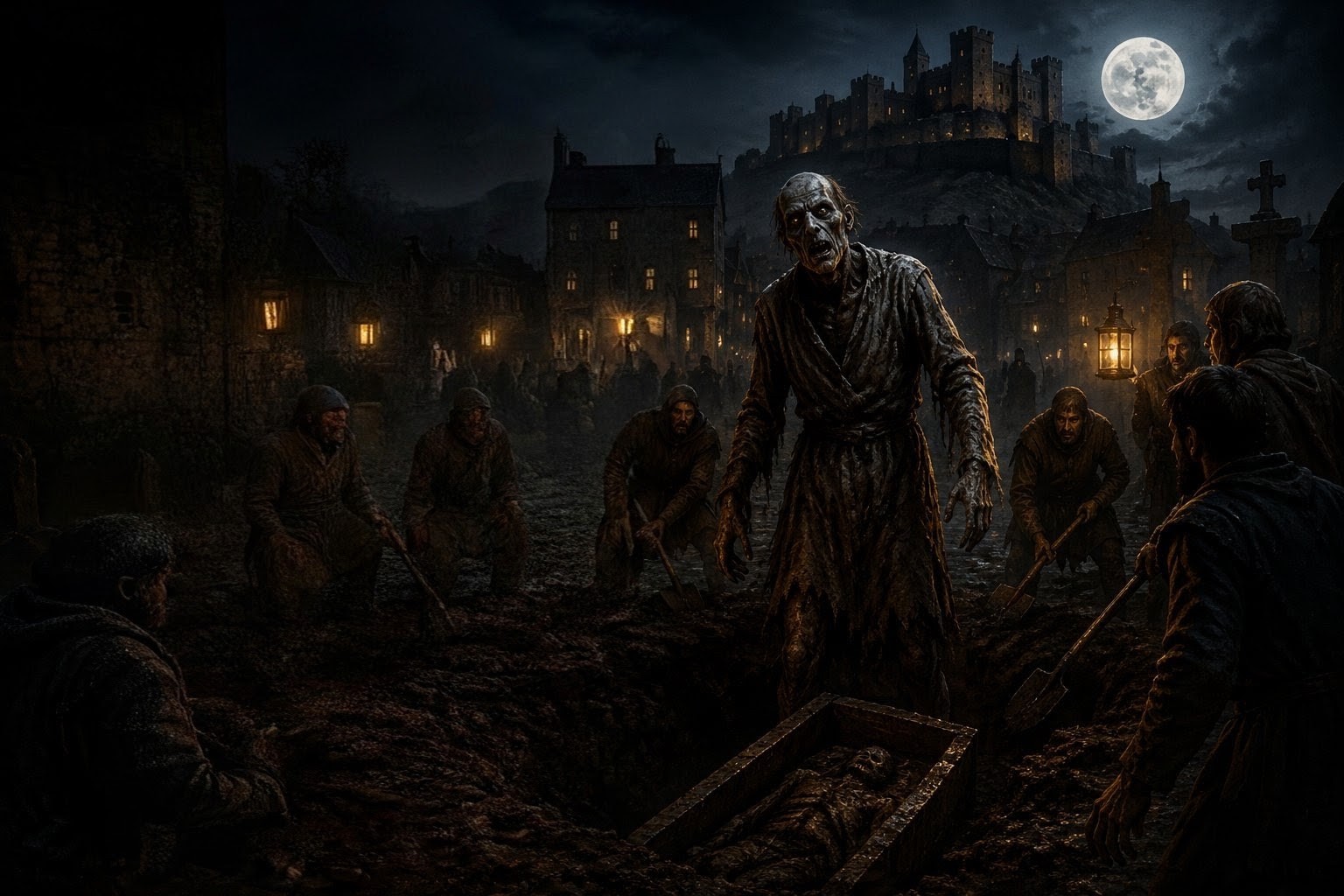
The Vampire of Berwick – Britain’s Medieval Walking Dead
Long before Dracula gave Britain its elegant, aristocratic vampire, our dead were considerably less sophisticated. They got out of the grave, lumbered around frightening the neighbours, spread disease and occasionally required somebody to hit them with a spade.
Sharing's Caring!

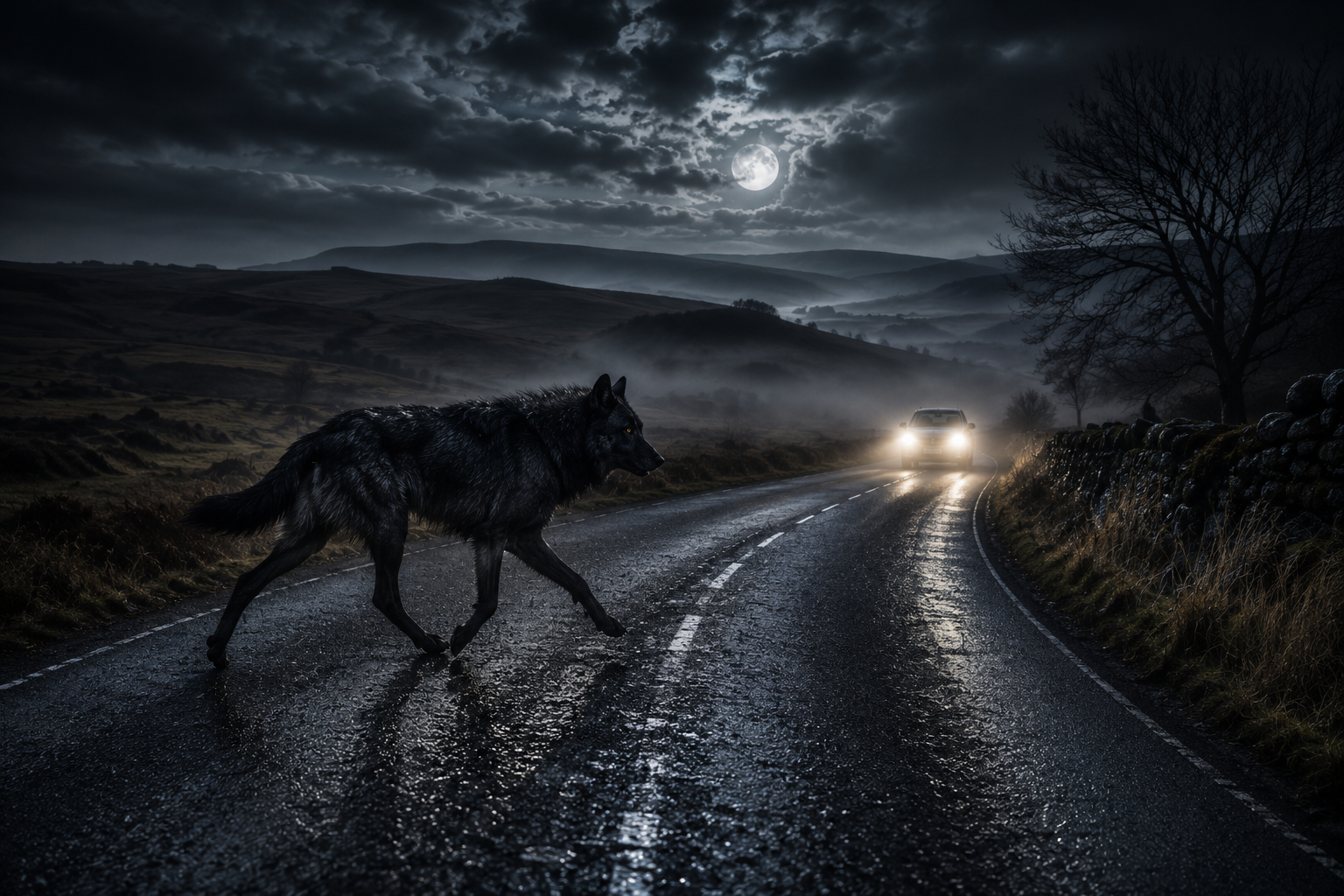
The Speed Wolf
From medieval wolf hunters to modern roadside encounters, the strange story of the creature said to haunt the roads around Buxton.
Sharing's Caring!


Dead Man Walking: When the Condemned Survive Execution
The rope has failed. The electric chair has malfunctioned. Lethal injections have gone wrong, and bodies delivered for dissection have unexpectedly begun breathing again. For centuries, condemned prisoners have occasionally done the one thing an execution was designed to prevent: survive. But if the state has already tried to kill someone and failed, should it be allowed to try again?
Sharing's Caring!

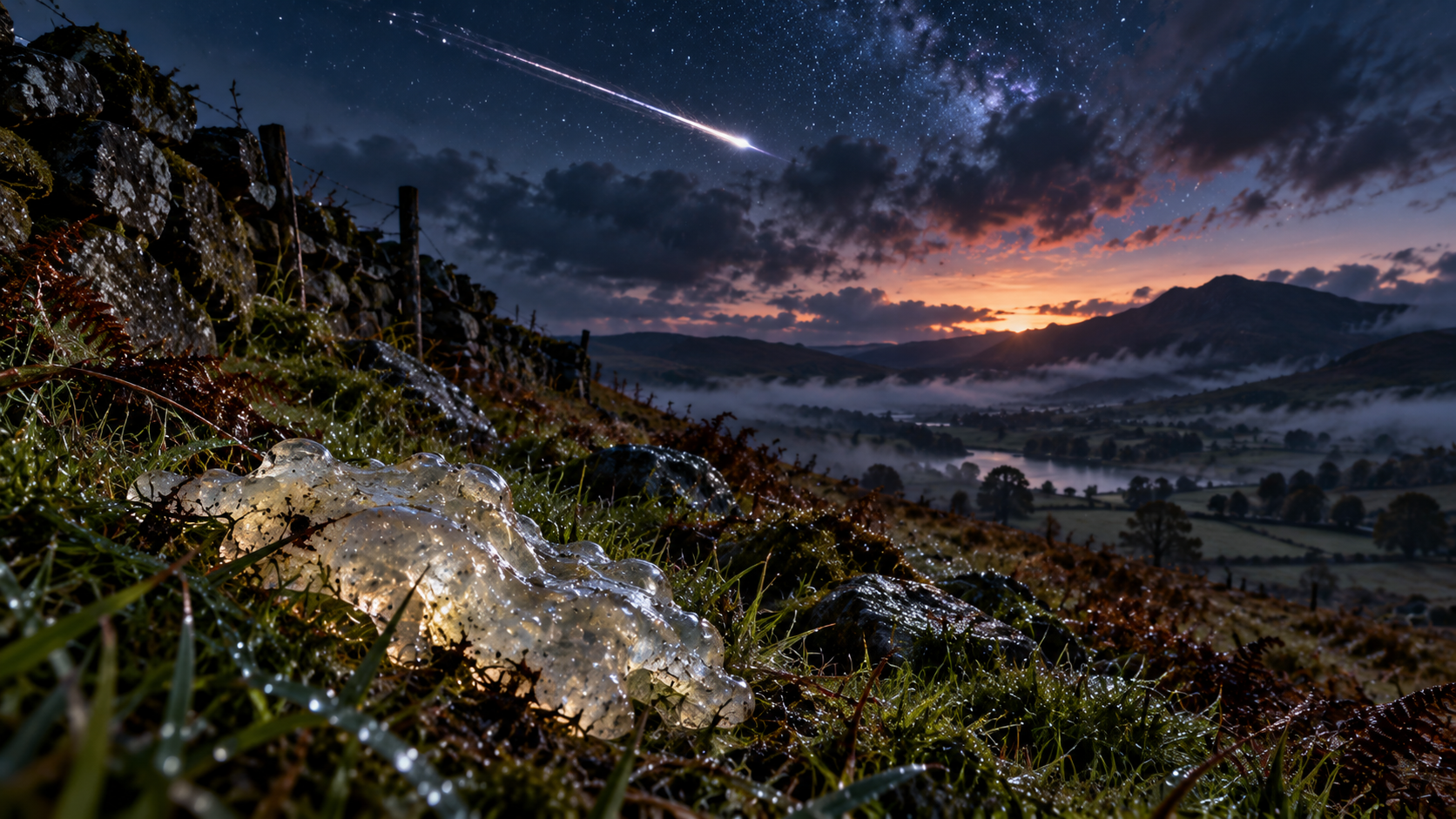
Star Jelly
For centuries, strange translucent jelly found on fields and hillsides was said to be the remains of fallen stars. In Wales it acquired the magnificent name pwdre sêr – “the rot of the stars”. But what if star jelly isn’t one mysterious substance at all, but several very earthly things sharing one extraordinary piece of folklore?
Sharing's Caring!

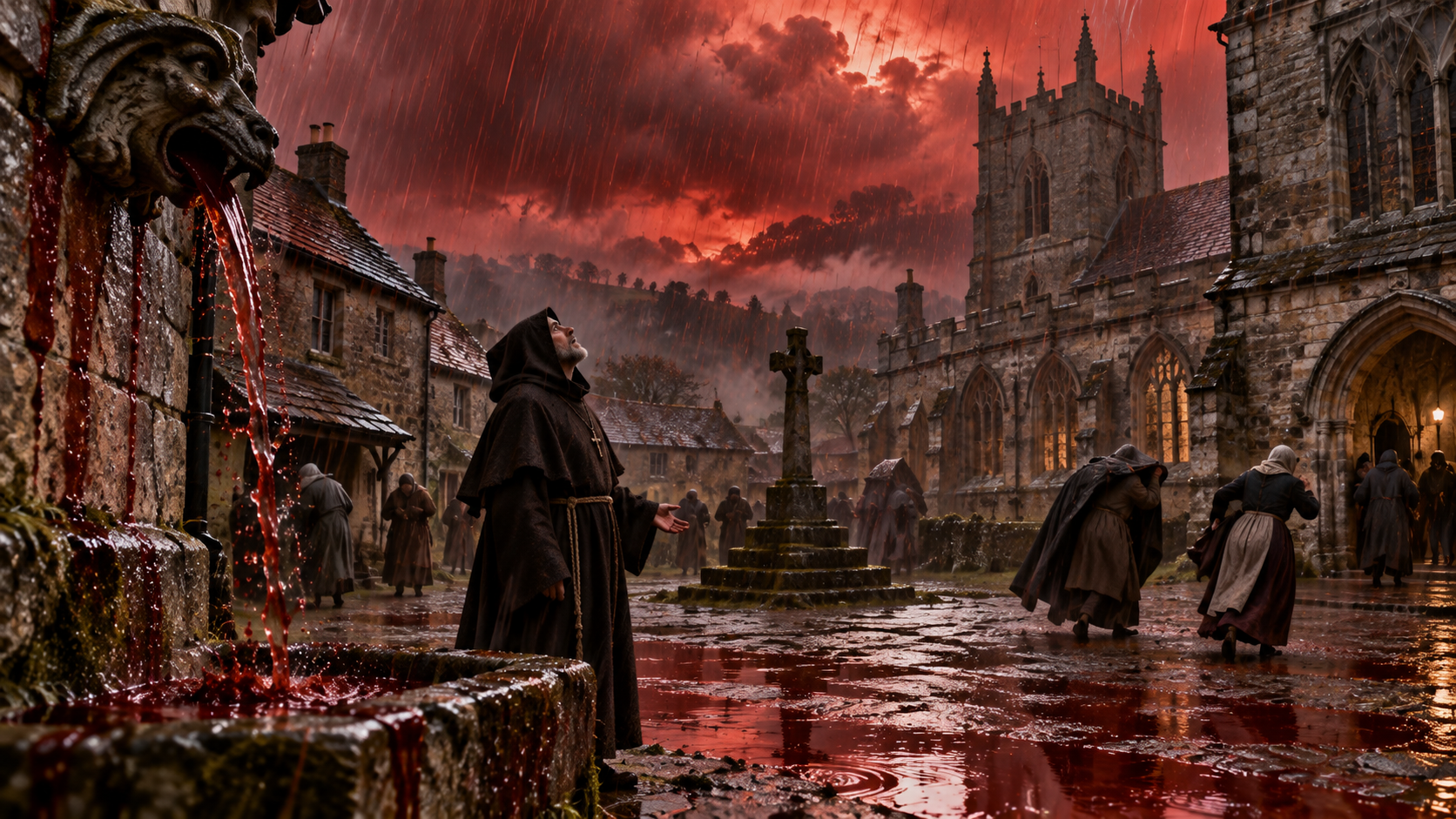
When the Sky Turns Red – Blood Rain
For centuries, red rain was recorded as a warning of war, plague and divine displeasure. But sometimes the explanation was travelling towards Europe from thousands of miles away. From ancient omens and medieval chronicles to Saharan dust carried across continents, what happens when the sky appears to bleed?
Sharing's Caring!


When It Rains Frogs and Fish
Fish falling over Wales. Frogs appearing after downpours. For centuries, people have reported animals apparently raining from the sky. Waterspouts and powerful winds offer a surprisingly plausible explanation – but explaining how it could happen isn’t quite the same as proving how a particular shower occurred.
Sharing's Caring!

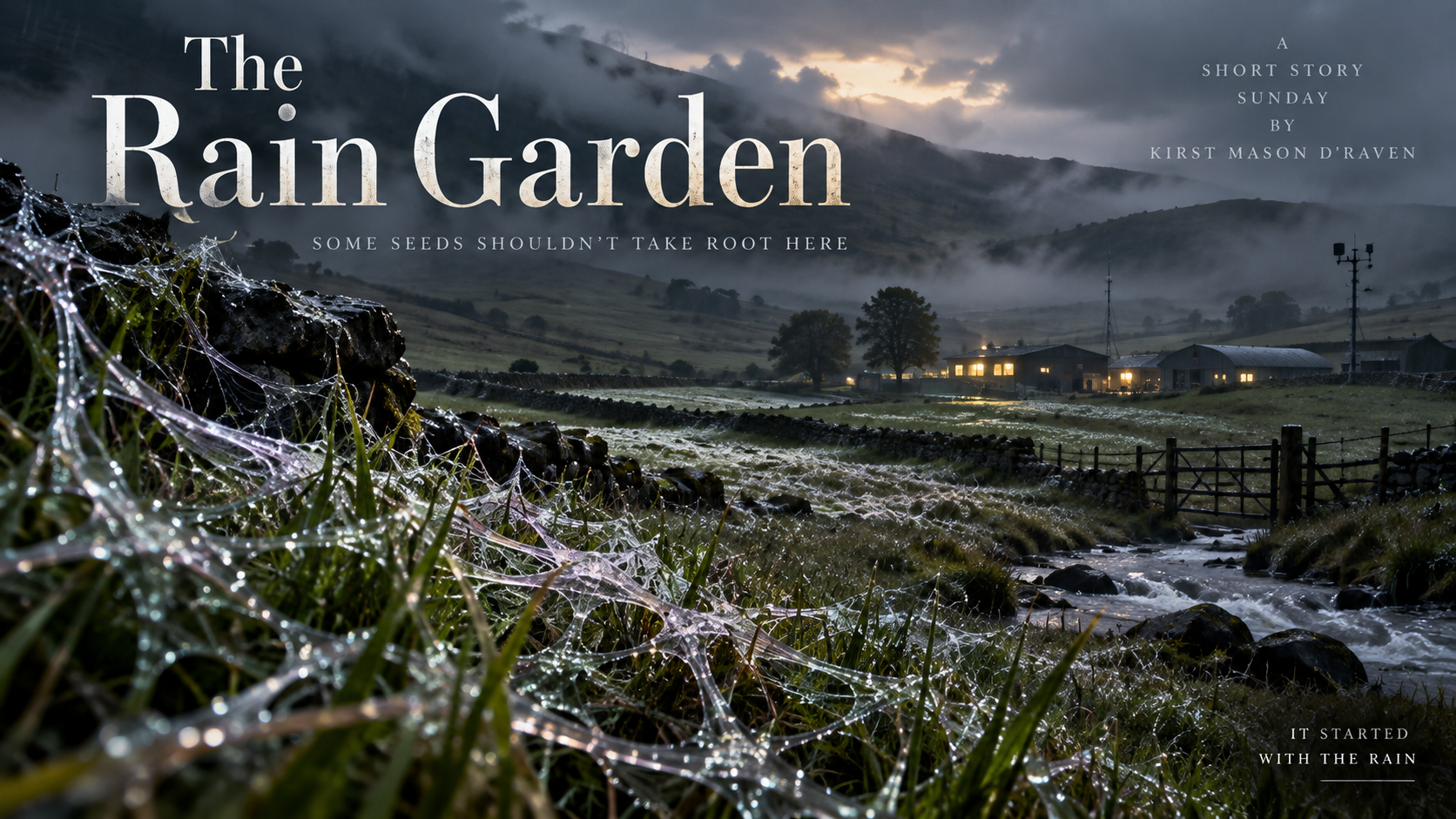
The Rain Garden – Kirst D’Raven
It came down with the rain.
At first, Dr Carys Morgan thought the strange silver threads spreading through the soil at Dyffryn Glas were just another problem to solve. Then the insects began to disappear. The ground started changing. And something impossible began quietly rewriting a Welsh valley.
Carys has science, several tonnes of mud and a rapidly diminishing list of sensible options on her side.
Whatever came out of the sky has the rain.
Sharing's Caring!


The Kentucky Meat Shower
A clear Kentucky sky. A woman quietly making soap. And then pieces of flesh began falling from above. The Kentucky Meat Shower of 1876 sounds like folklore, but contemporary reports, preserved samples and microscopic examinations make the truth considerably stranger – and possibly much more disgusting.
Sharing's Caring!

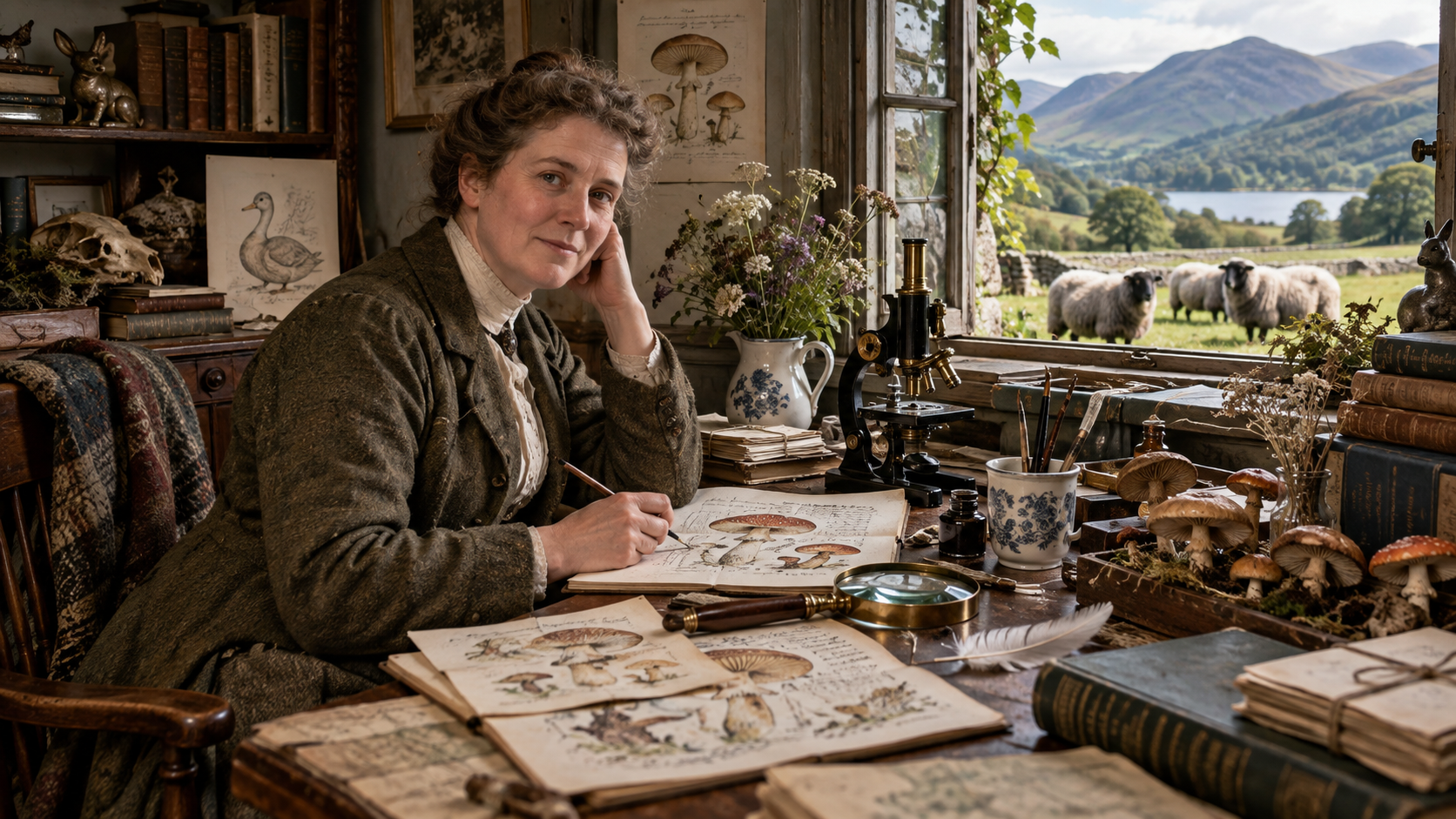
Beatrix Potter
Forget Peter Rabbit for a moment. Beatrix Potter was a mycologist, scientific illustrator, shrewd businesswoman, prize-winning sheep breeder and conservationist who helped preserve thousands of acres of the Lake District. Behind the little animals in jackets was a considerably more formidable woman – and one with a surprising fondness for fungi.
Sharing's Caring!


Eliza Maud Inglis (1864-1917)
Doctor, suffragist and formidable organiser, Elsie Inglis refused to accept the limits placed upon women. When Britain rejected her offer of an all-female medical unit during the First World War, she simply took her hospitals elsewhere – and changed thousands of lives.
