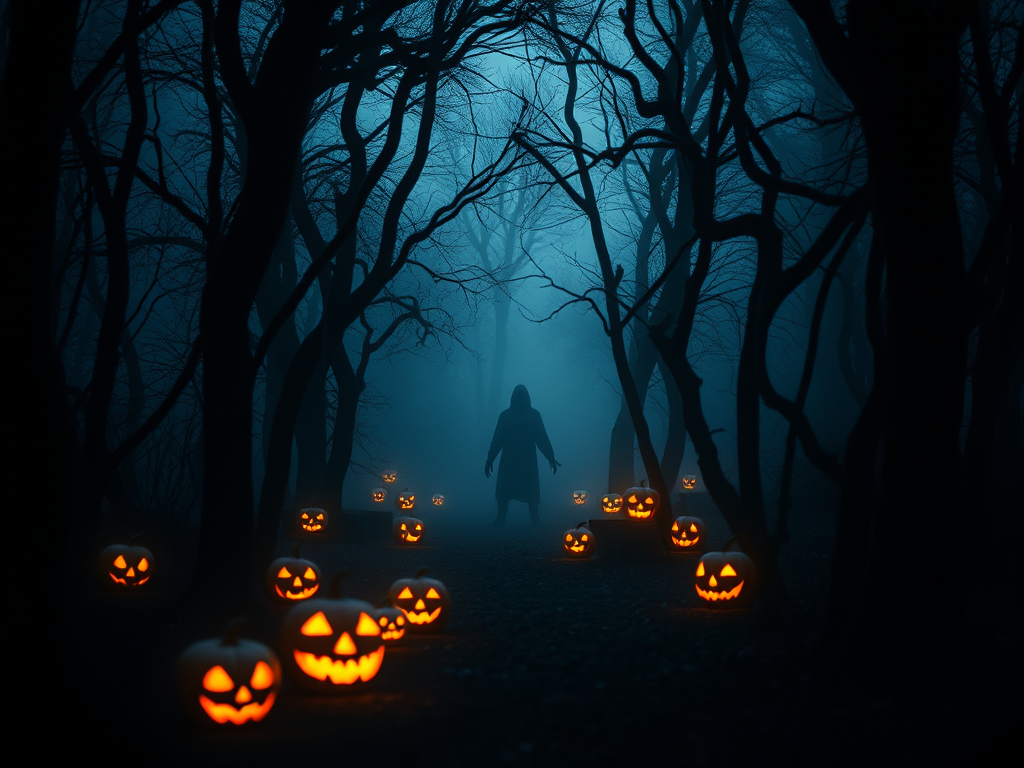
The supernatural raises questions about what it means to be human, about the soul, about existence beyond our physical bodies. In a strange way, the supernatural allows us to confront our own mortality.
Tag: 31 Days of Fear


31 Days of Fear – 30. The Fear of Death
I, like every other person living on this planet, don’t know the first thing about what it’s like to die and stay dead – how can anyone explain the process of why we fear death when we don’t actually know what the process of dying is like?
Sharing's Caring!

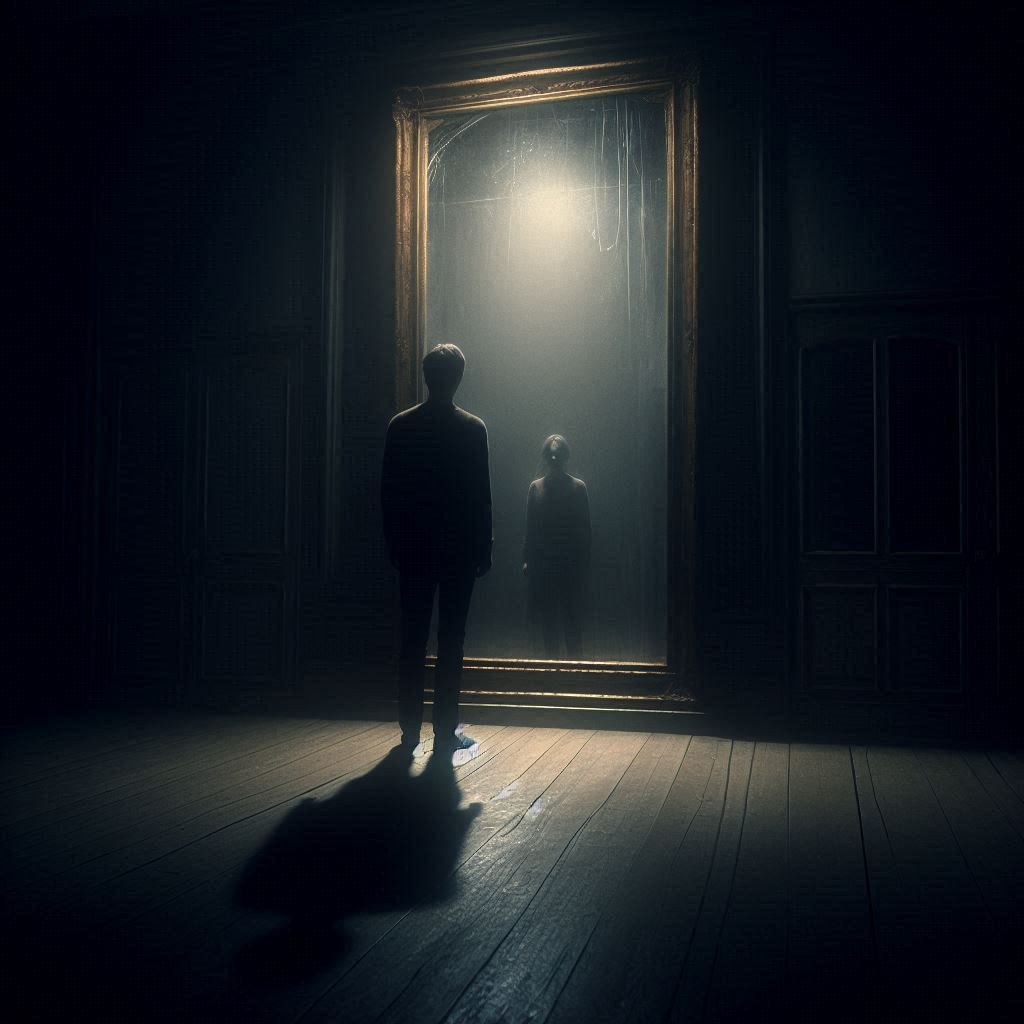
31 Days of Fear. 29. Fear of Mirrors.
what is it about mirrors that makes some of us uneasy? Why do they inspire dread in ways that other everyday objects rarely do?
Sharing's Caring!

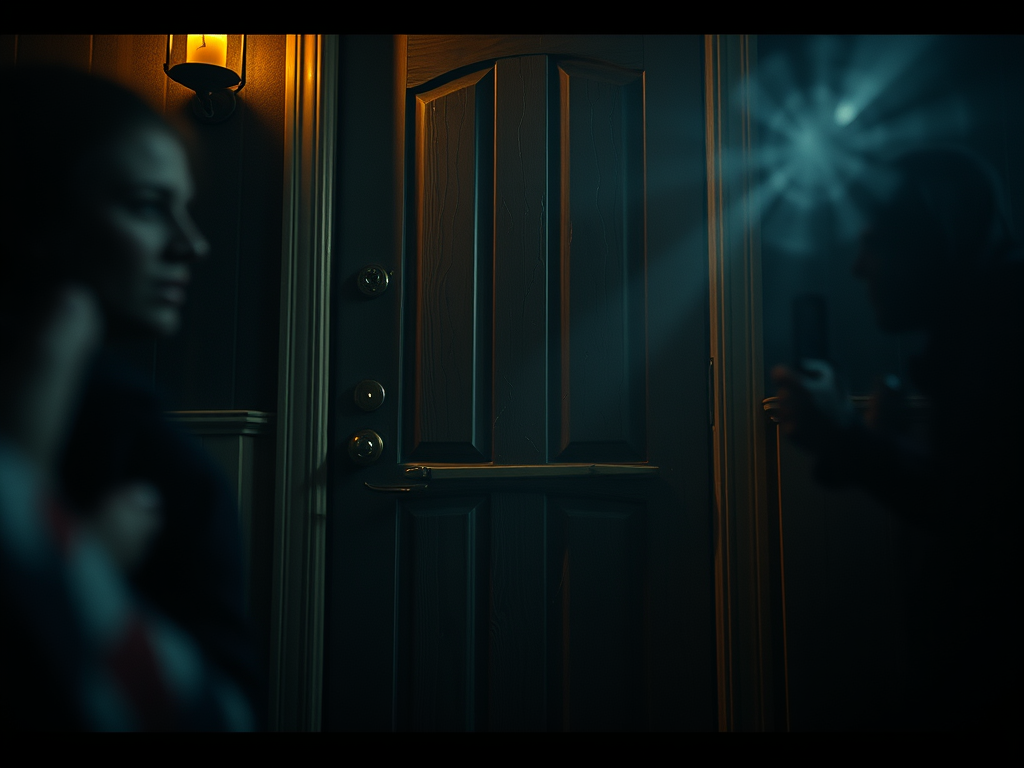
31 Days of Fear – 23. What Would You Do?
The idea of safety, of a world where people can live without constant fear, will feel like a distant memory. Even if the infected are stopped, the world has been forever changed.
Sharing's Caring!

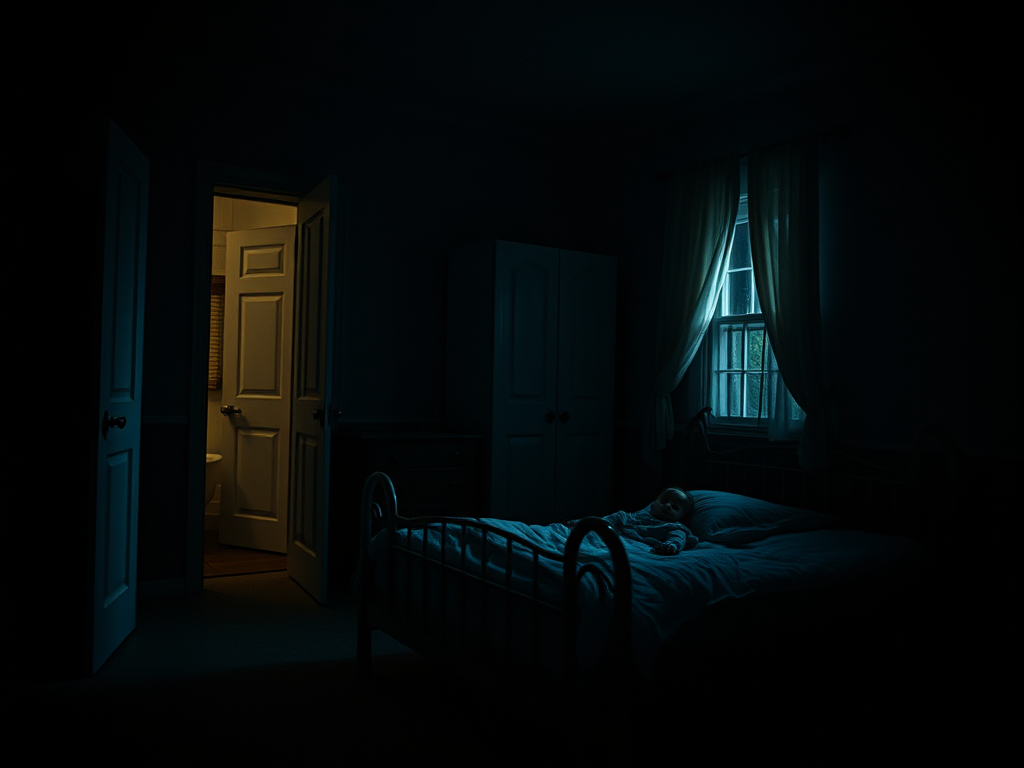
31 Day’s of Fear – 23. Fear of the Dark
In the absence of light, time can seem to stretch on forever. This distortion of time can increase feelings of dread, as it feels like we are trapped in the moment, unable to escape. This is why nights can seem longer when we’re afraid or anxious..
Sharing's Caring!

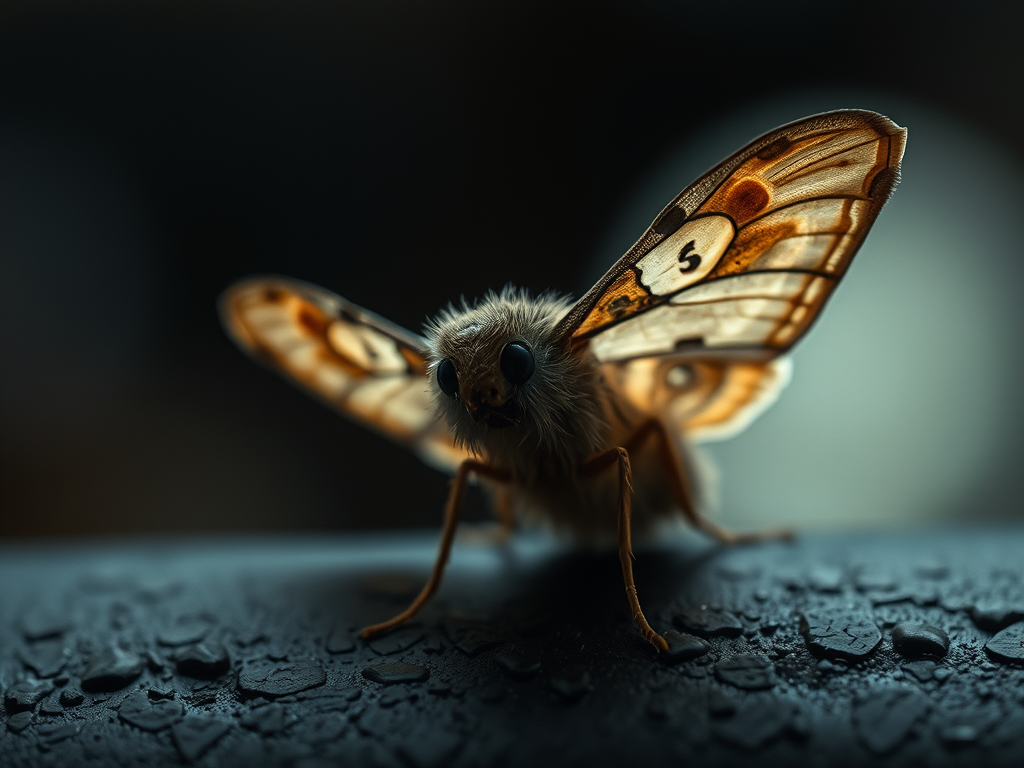
31 Days of Fear – 22. Fear of Moths
The fear of moths can be puzzling to those who don’t share it, but like most phobias, it’s likely that there’s more going on beneath the surface.
Sharing's Caring!

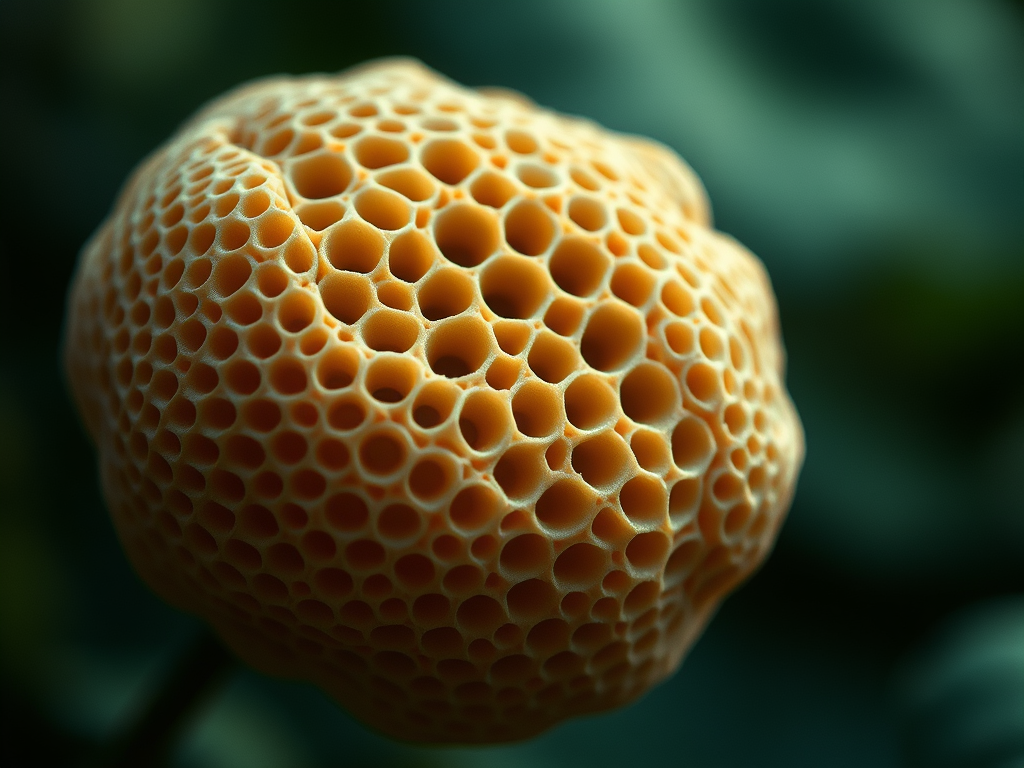
31 Days of Fear – 21. Fear of Holes
trypophobia is the aversion to clusters of small holes or bumps. These can appear in natural formations, like honeycombs or lotus seed pods, or in man-made objects like sponges or aerated chocolate.
Sharing's Caring!


31 Days of Fear. 18 – Fear of Losing One’s Mind
Human beings have an innate desire to understand and control their thoughts and emotions. When faced with the possibility of losing this control, a primal fear is ignited. This fear can be linked to a broader existential anxiety – what does it mean to exist if one cannot trust their mind?
Sharing's Caring!


31 Days of Fear – 17. Fear of the Moon
The Moon has always held a powerful sway over human imagination. It has been the subject of countless myths, legends, and scientific inquiry. Yet, for […]
Sharing's Caring!


31 Days of Fear. 16 – Fear of Disability in Others
the fear of mental illness and disability in others is often connected to our fears about our own fragility. Mental illness and disability are reminders that health and stability are not guaranteed.
Sharing's Caring!

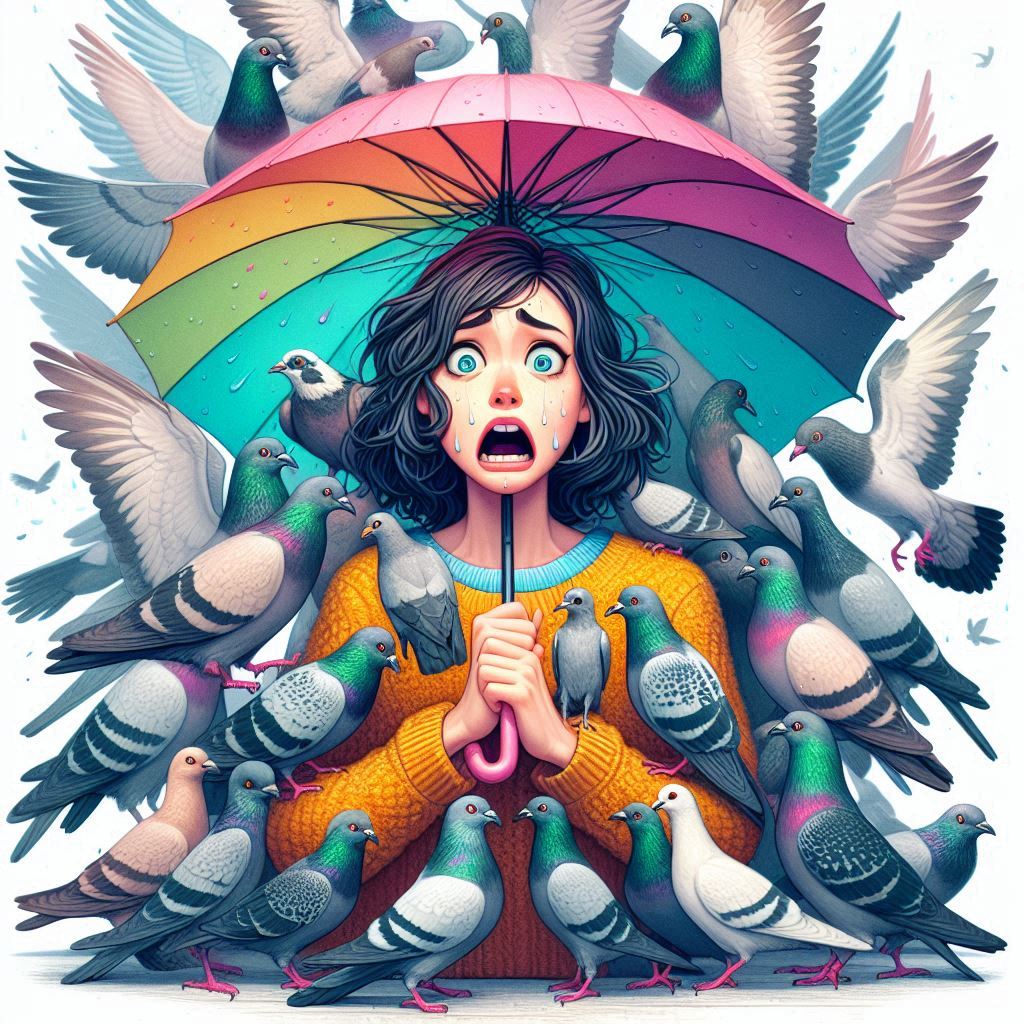
31 Days of Fear – Day 15. Fear of Birds.
Birds have long been symbols in myths and folklore, sometimes representing omens of death or misfortune.
Sharing's Caring!

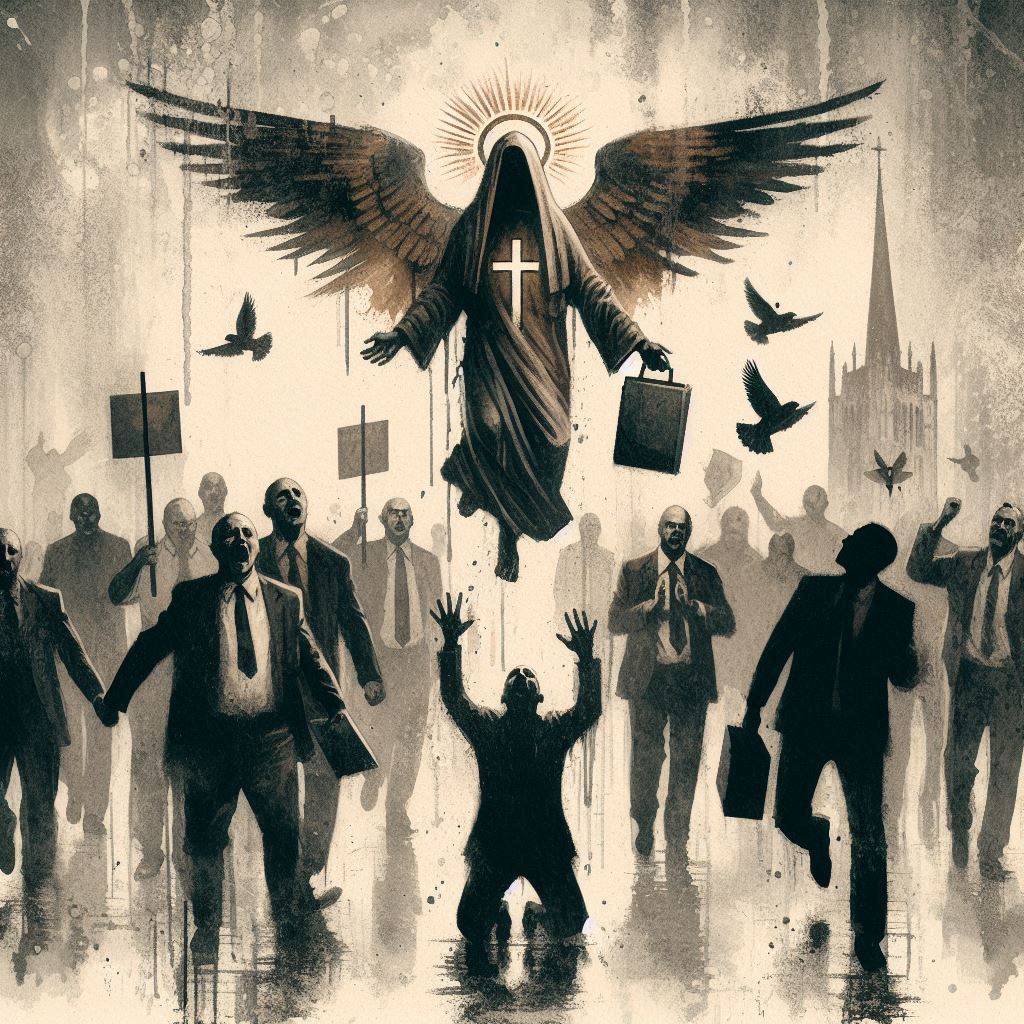
31 Days of Fear – 14. Fear of Religion
The fear of religion is not just an abstract or intellectual concern; it can have real emotional and psychological consequences for those who experience it.
Sharing's Caring!


31 Days of Fear – 12. Fear of Small Spaces
From a psychological perspective, the roots of claustrophobia are often tied to early life experiences, although it is not always easy to pinpoint a singular cause.
Sharing's Caring!


31 Days of Fear – 12. Fear of Change
Understanding the nature of this fear involves delving into the interplay between our biology, cognitive patterns, social conditioning, and individual experiences.
Sharing's Caring!


31 Days of Fear – 11. The Fear of Massive Things
The modern world, with its proliferation of colossal structures, might make it harder for someone with megalophobia to avoid their triggers, thus worsening the phobia over time.
Sharing's Caring!

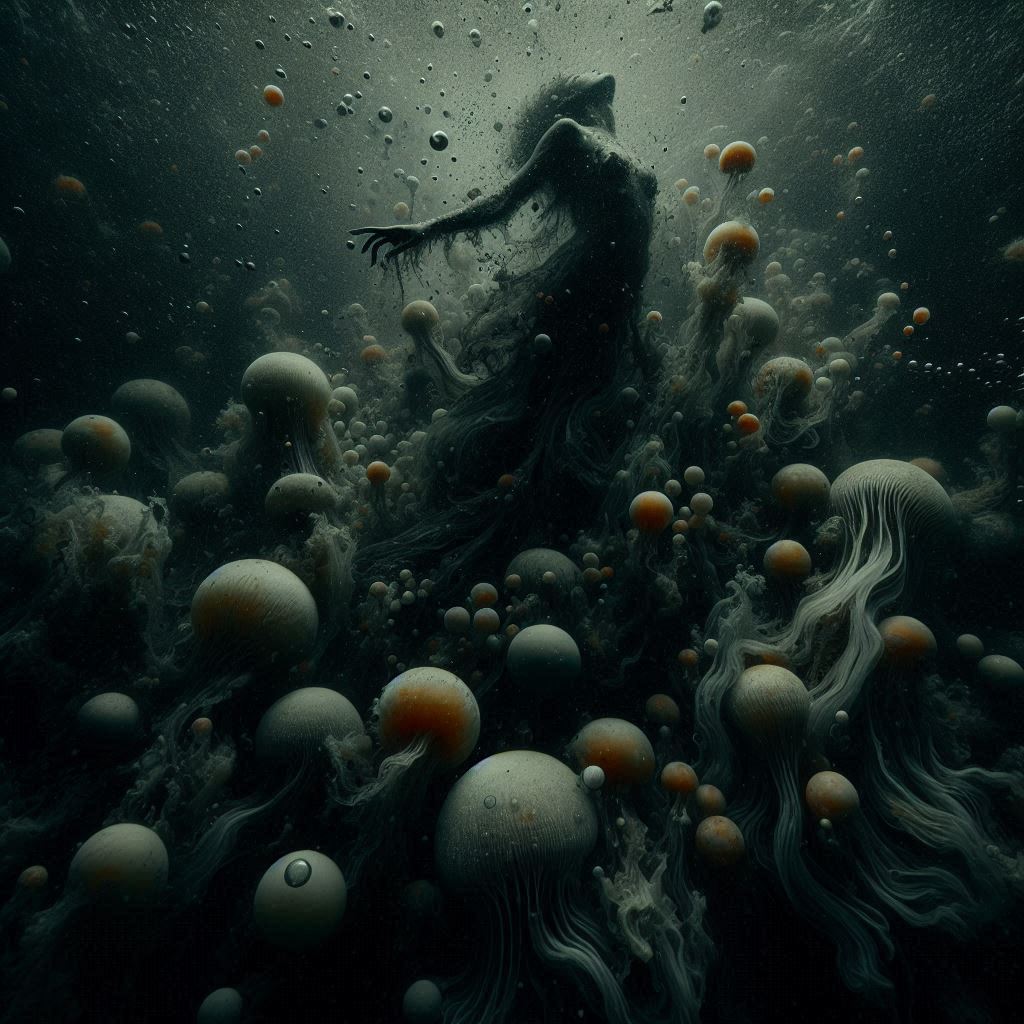
31 Days of Fear – 10. Fear of Open Water
For those who experience thalassophobia, the sight or thought of deep water can provoke feelings of terror, anxiety, or dread, often leading to physical symptoms like shortness of breath, a racing heart, or nausea.
Sharing's Caring!

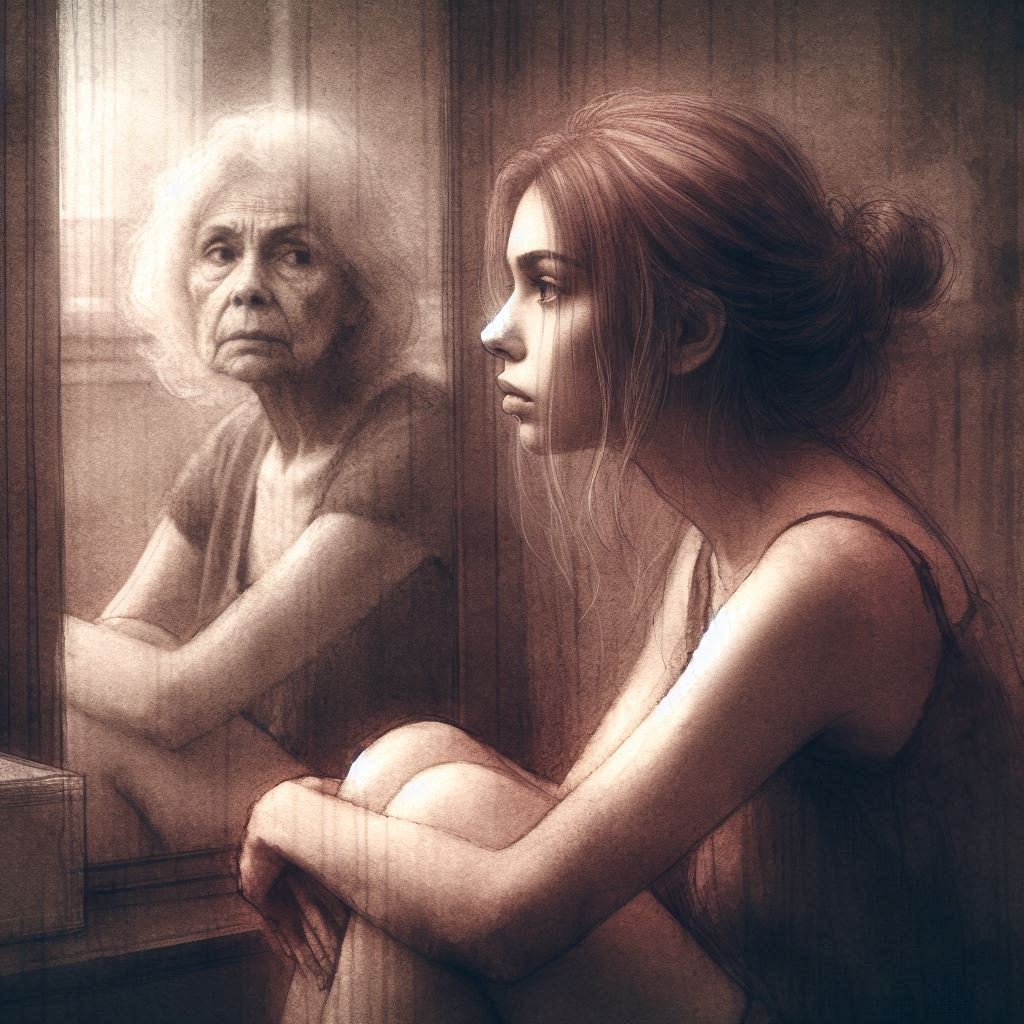
31 Days of Fear – 8. Fear of Growing Old
Each one of us will grow older, and while we may not be able to control the physical changes that come with age, we do have some control over how we perceive and experience this journey..
Sharing's Caring!

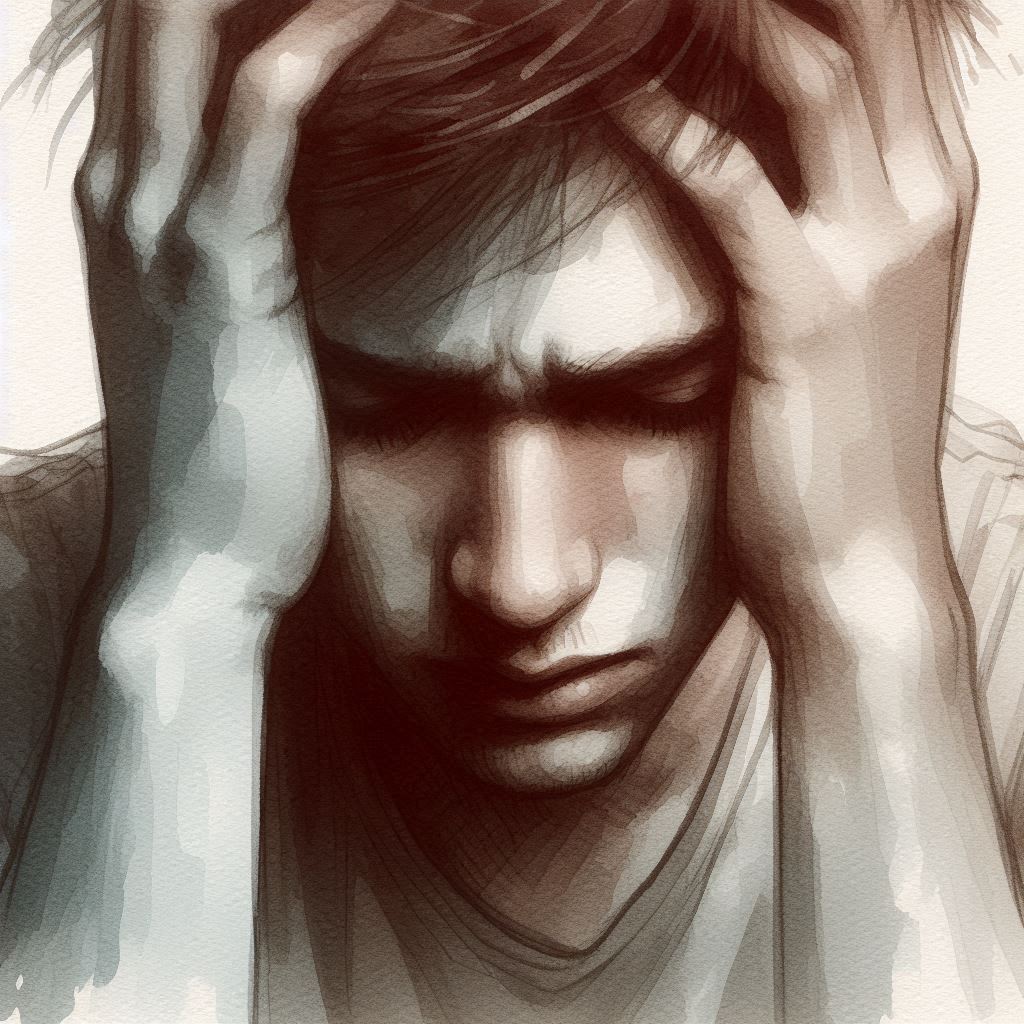
30 Days of Fear – 7. The Fear of Pain.
The fear of pain is a deeply rooted aspect of human nature, something we all instinctively recoil from. Whether it’s the sharp sting of physical […]
Sharing's Caring!


31 Days of Fear – 5. The Fear of Technology and AI
Day 5 of our 31 Days of Fear feature addresses our fears of being replaced by machines that we have created to improve our lives. Ironic…
Sharing's Caring!

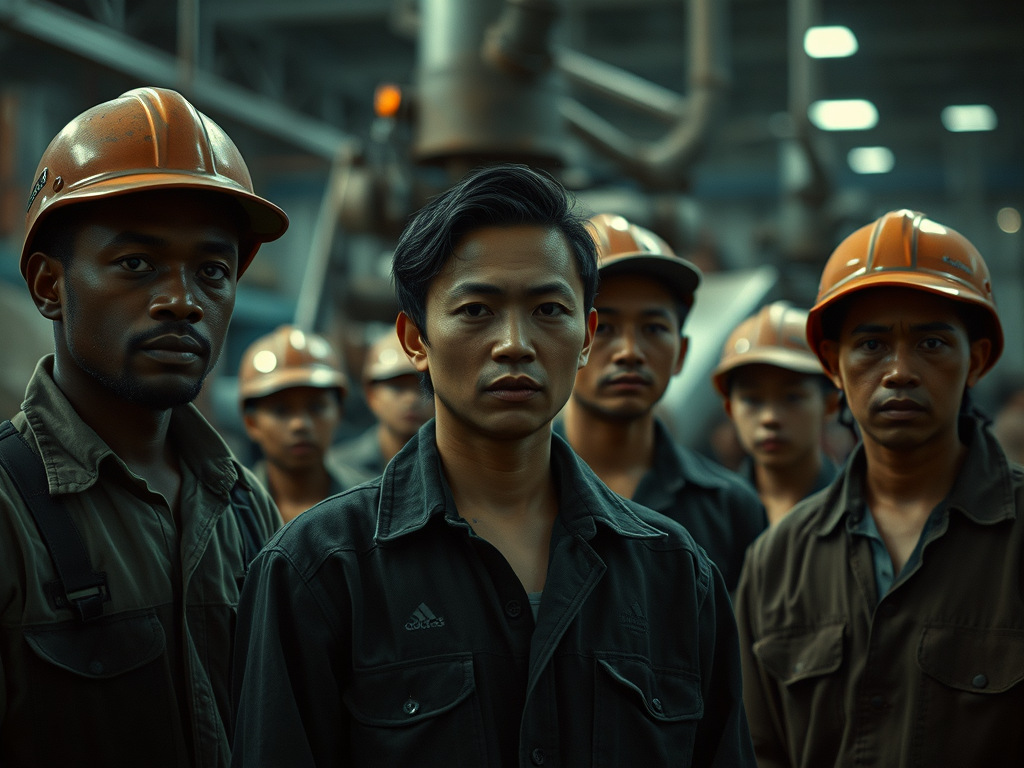
31 Days of Fear – 4. Fear of Dehumanisation
The fear of dehumanisation reflects a deep anxiety about individuality and identity being stripped away in modern systems of control, such as workplaces and bureaucracies. This pervasive concern threatens people’s sense of self, reducing them to mere objects disconnected from their humanity, worth, and dignity.
Sharing's Caring!


31 Days of Fear – 3. The Human Fear of Torture
The fear of torture encapsulates primal human anxieties about pain, control, and dehumanization. It highlights vulnerability, the loss of self, and the terrifying potential for suffering under another’s power, resonating deeply within societal consciousness.
Sharing's Caring!


31 Days of Fear – 2. Fear in the Face of Crisis
The fear of powerlessness during crises, rooted in our primal instincts, highlights our vulnerability and inability to protect loved ones. This anxiety intensifies amid unpredictable disasters and societal collapse, emphasizing human interconnectedness and resilience in adversity.
