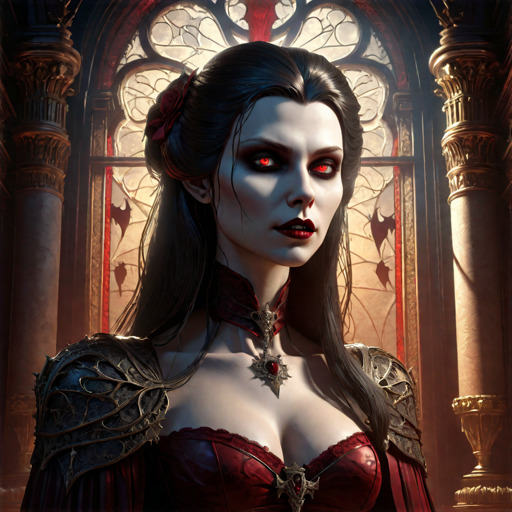
Vampires, those mysterious creatures of the night, have long held a profound fascination within the collective consciousness of humanity.
Across cultures and epochs, tales of bloodthirsty beings that roam in darkness, preying upon the living, have permeated folklore, literature, and popular culture. Here, we embark on a captivating journey spanning continents and millennia to unravel the intricate threads of vampire folklore and customs from around the world.
The beginnings of vampire folklore can be traced back to the dawn of human civilization, where primal fears and mystical beliefs intertwined to birth the earliest myths of blood-drinking entities.
In ancient Mesopotamia, the epic of Gilgamesh contains references to the demonic figure Lilitu, often regarded as a precursor to the modern vampire. Similarly, in the annals of Egyptian mythology, the lion-headed goddess Sekhmet is said to have possessed vampiric attributes, thirsting for the blood of mortals…
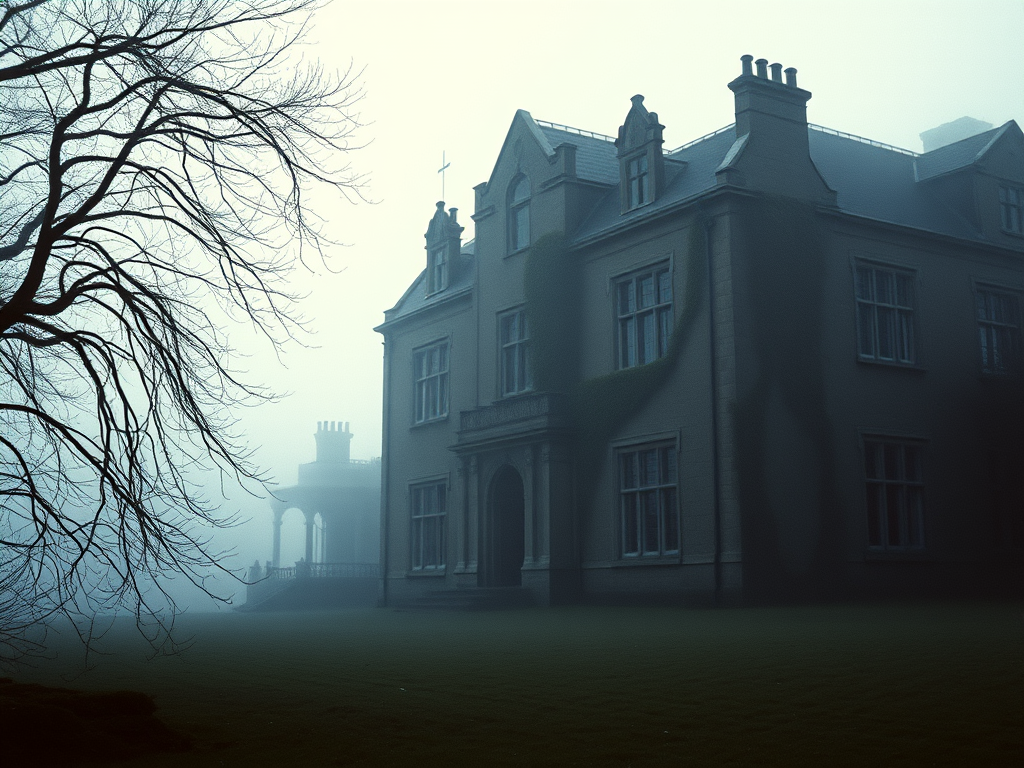
However, it is in the shadowy realms of Eastern Europe, amid mist-shrouded forests and crumbling castles where some of the most enduring and iconic vampire legends took root..
Across regions such as Transylvania, Hungary, and the Balkans, tales of the undead were rife, with creatures known as “strigoi” or “nosferatu” haunting the collective imagination. These vampiric entities were believed to rise from their graves, driven by an insatiable hunger for the blood of the living, spreading terror and death in their wake.
The 18th century marked a pinnacle of vampire hysteria across Europe, fueled by reports of alleged vampire attacks and sightings. Notable among these accounts is the notorious case of Arnold Paole, whose supposed posthumous activities sparked widespread fear and paranoia. This period of hysteria laid the groundwork for the literary masterpiece “Dracula” by Bram Stoker, forever immortalizing the Transylvanian Count and cementing his status as the quintessential vampire archetype.
In stark contrast to their European counterparts, the vampire myths of Asia offer a rich variety of diverse interpretations of the undead. Within the annals of Chinese folklore, legends of the “jiangshi” or “hopping vampire” reign supreme. These reanimated corpses, driven by dark magic or unfinished business, are said to hop in a stiff, jerking motion, draining the life force from their victims.
Similarly, Japanese folklore boasts a myriad of vampiric entities, from the vengeful spirits known as “yūrei” to the fearsome “kyonshi” or “hopping zombie.” These spectral beings, driven by a thirst for vengeance or a desire to fulfill unresolved desires, embody the eerie and ethereal qualities that define the vampire mythos in the Far East.
In the modern era, vampires continue to cast their spell upon popular culture, captivating audiences through literature, film, and television. From the brooding immortals of Anne Rice’s “The Vampire Chronicles” to the captivating romantics of the “Twilight” saga, each iteration of the vampire mythos reflects the shifting sensibilities and cultural zeitgeist of its time.
Moreover, the influence of vampire folklore extends far beyond the realm of entertainment, permeating global customs and traditions. Superstitions surrounding garlic, crucifixes, and mirrors find their roots in vampire lore, while annual rituals such as Halloween serve as a testament to the enduring fascination of the undead.
The worldwide history of vampire folklore stands as a testament to the enduring power of myth and imagination. Across continents and centuries, the legend of the vampire has woven itself into the very fabric of human culture, offering a mirror through which we confront our deepest fears and desires.
As long as darkness cloaks the earth and shadows dance upon the walls, the enigmatic charm of the vampire will continue to captivate and intrigue, reminding us of the eternal dance between light and darkness that defines the human experience.