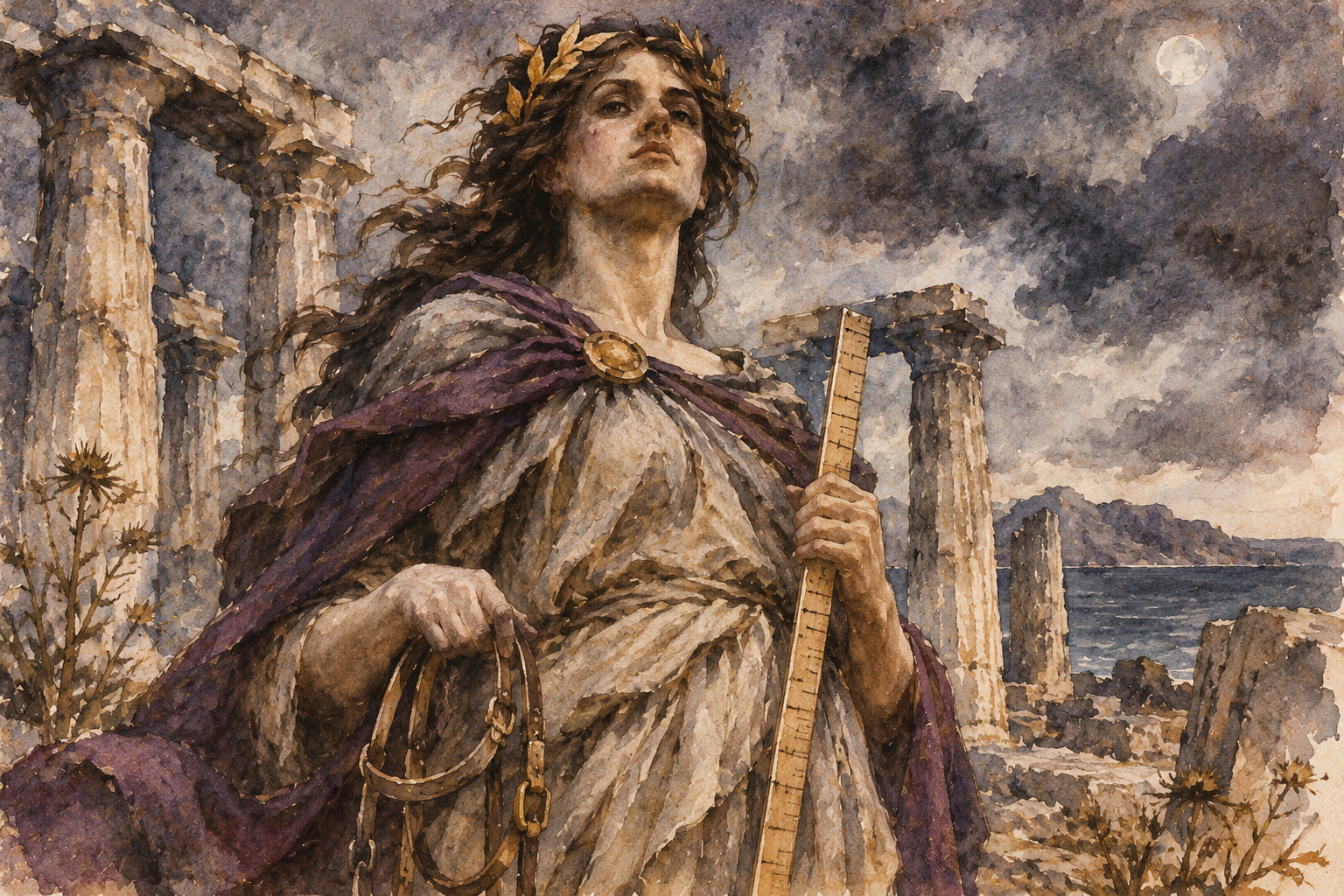
She was the daughter of Night, the enemy of arrogance and the divine power that reminded mortals they were not invincible. Meet Nemesis, the ancient Greek goddess of retribution, whose temples, myths and enduring reputation reveal a fascinating history of justice, pride and the consequences of going too far.
Category: Uncategorized

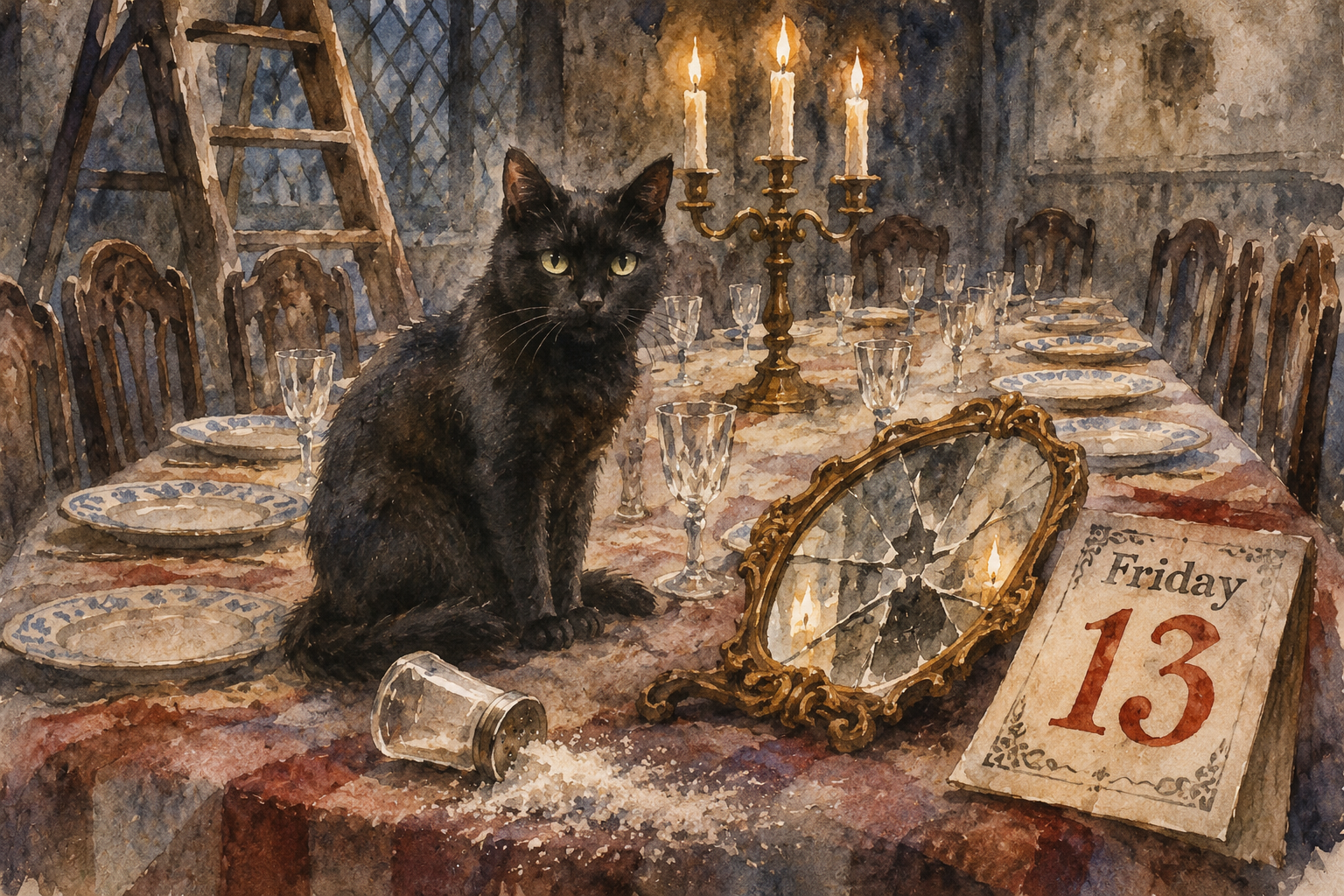
Unlucky for Some: How Friday the Thirteenth Got Its Reputation
Why is Friday the thirteenth considered unlucky? From medieval dinner superstitions and the Knights Templar to a Victorian club determined to defy fate, we investigate the curious history of the world’s most notorious date, and discover that its supposedly ancient curse isn’t quite what it seems.
Sharing's Caring!

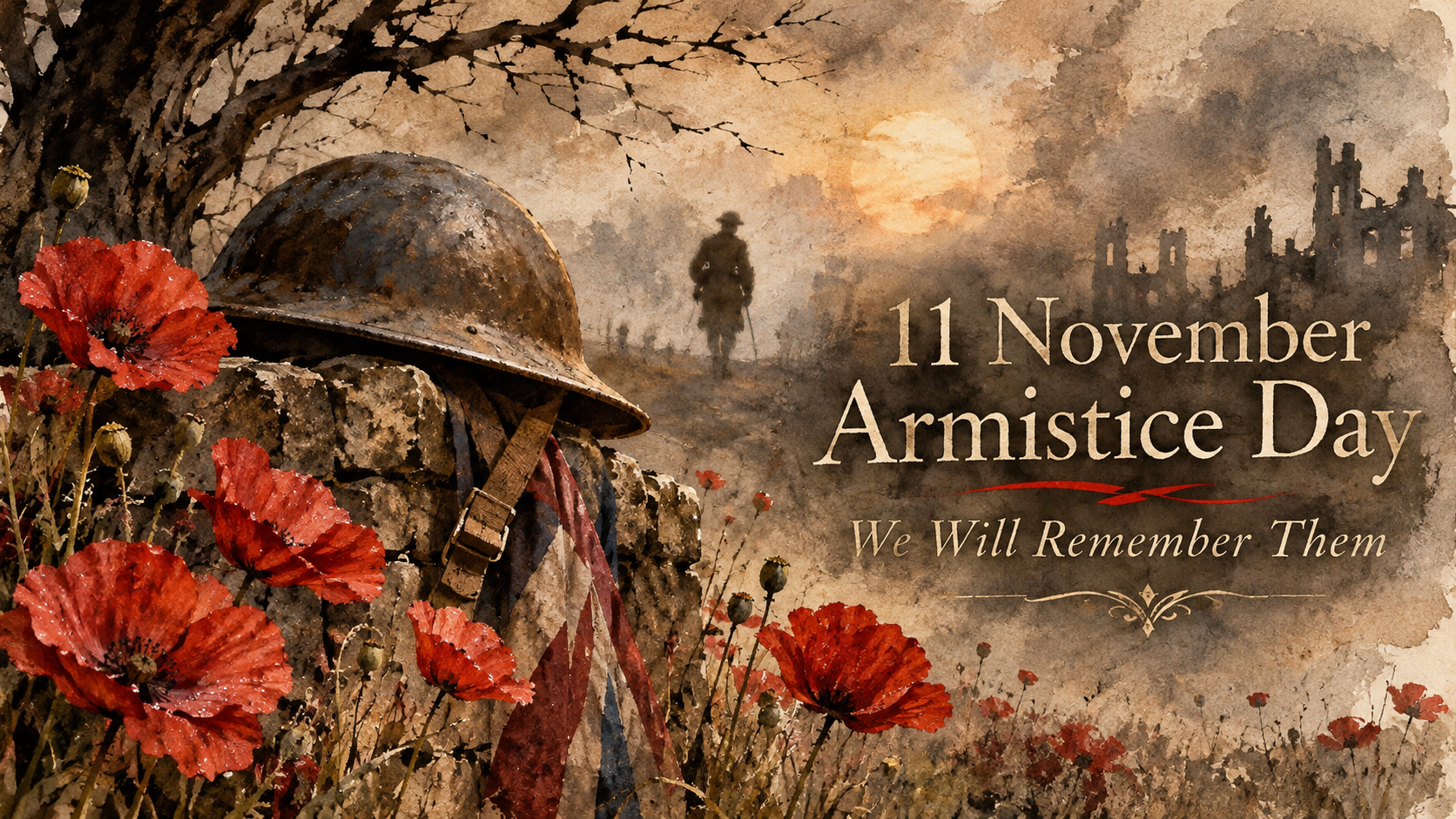
The Silence That Travelled Across the World: How Two Minutes Became an Act of Remembrance
At eleven o’clock on 11 November 1919, Britain fell silent. But the two-minute silence had a remarkable journey before it reached London, involving a grieving South African mayor, an Australian journalist and a father determined to honour the dead. This is the story of how silence became remembrance.
Sharing's Caring!


Britain’s Ritual Fires – When Flame Could Protect the Living
For centuries, communities across Britain believed that fire could protect livestock, ward off disease and drive away misfortune. From mysterious need-fires kindled by friction to the great seasonal bonfires of Beltane and midsummer, discover the fascinating folklore of ritual flames and the ancient beliefs that survived long after their origins were forgotten.
Sharing's Caring!

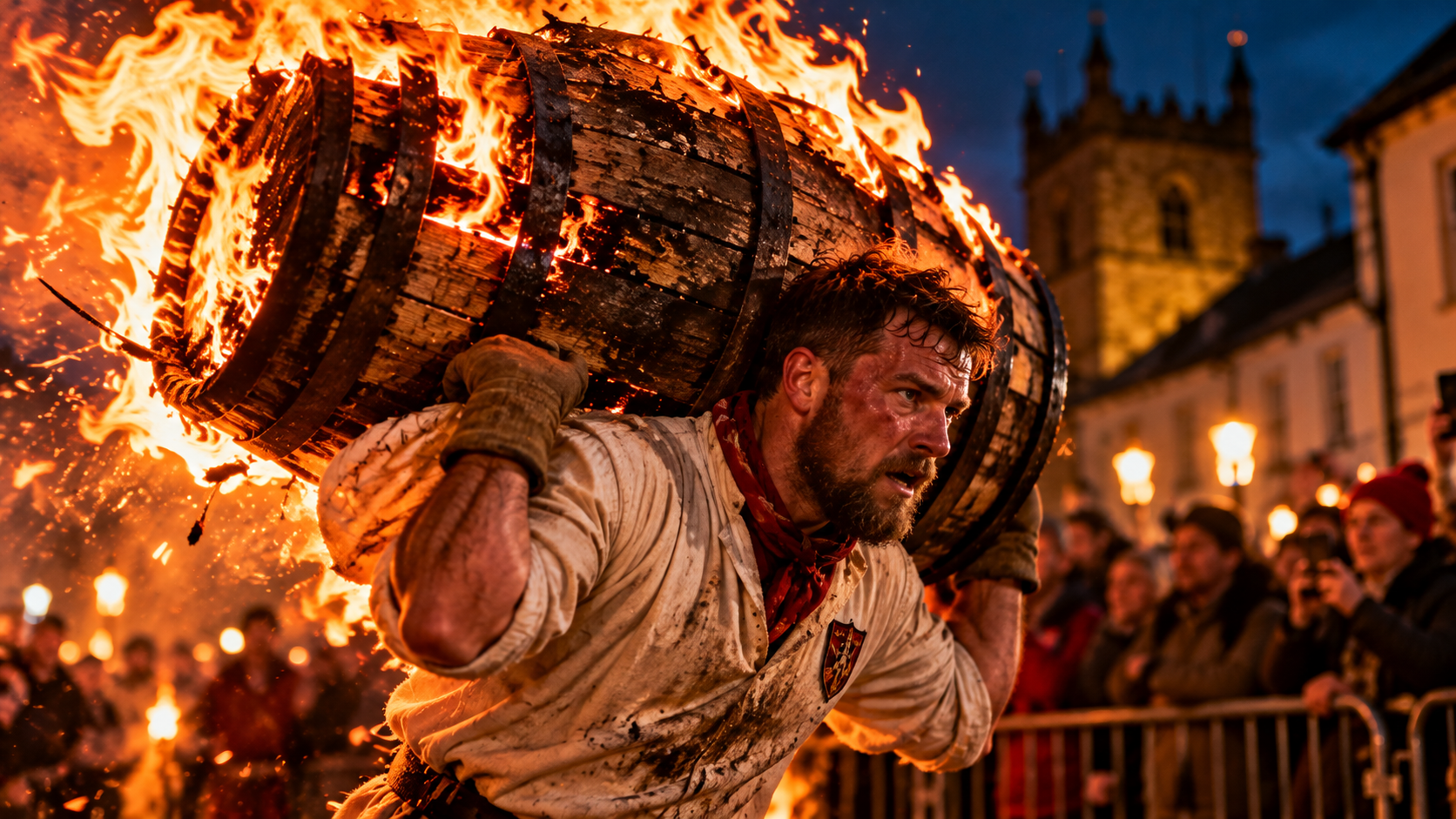
Ottery St Mary – The Devon Town That Carries Fire on Its Shoulders
Every Bonfire Night, the people of Ottery St Mary in Devon carry blazing tar barrels on their shoulders through crowded streets. It’s one of Britain’s most astonishing surviving fire customs, but where did it come from, and why has this extraordinary tradition endured when so many others disappeared?
Sharing's Caring!

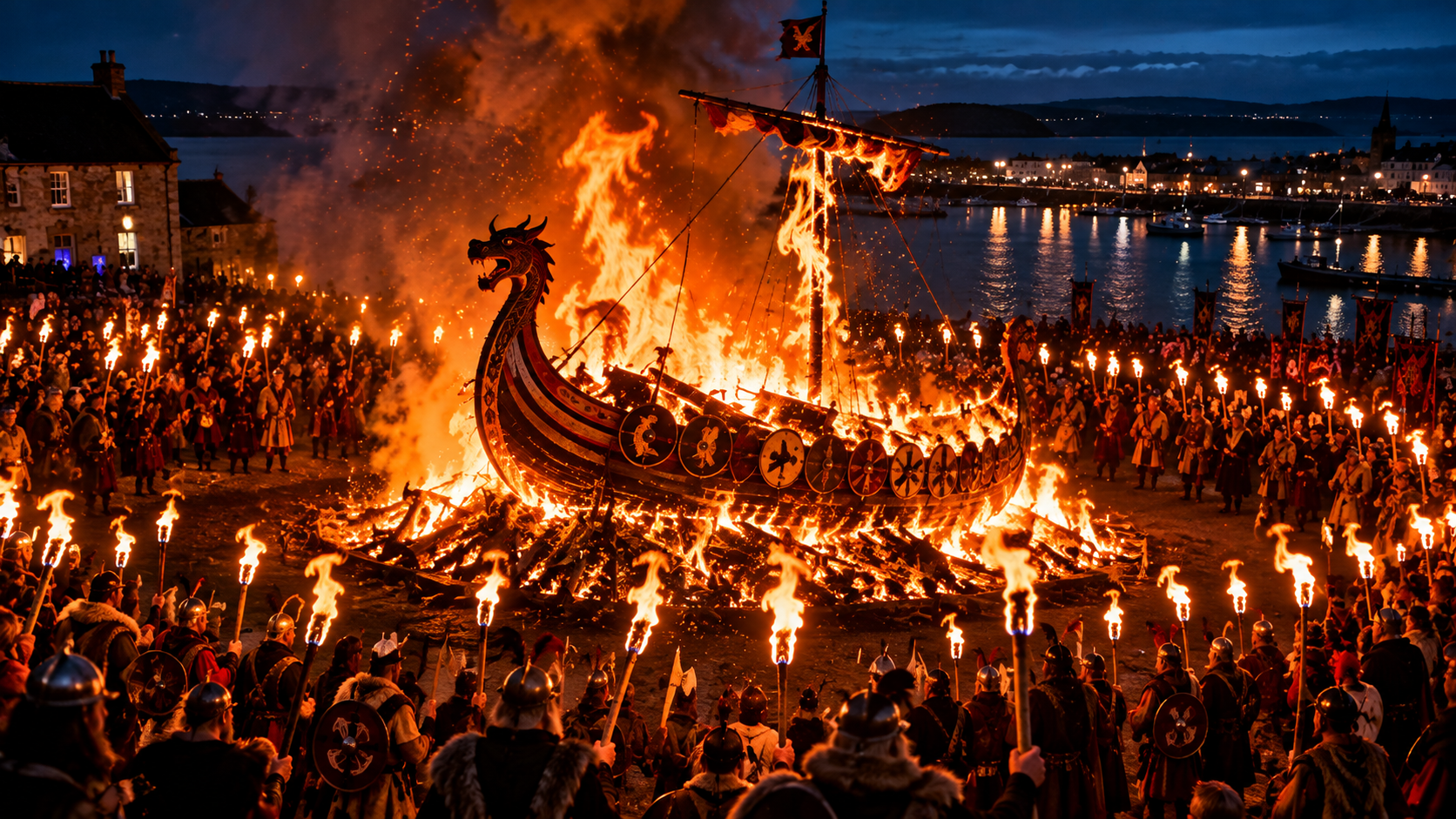
Up Helly Aa – The Viking Fire Festival That Isn’t Quite Viking
Every January, Shetland’s Up Helly Aa festival transforms Lerwick into a spectacular world of Viking costumes, flaming torches and a burning longship. Yet this extraordinary celebration isn’t an ancient Norse survival. Its real origins lie in nineteenth-century disorder, burning tar barrels and a community determined to reinvent its winter traditions.
Sharing's Caring!

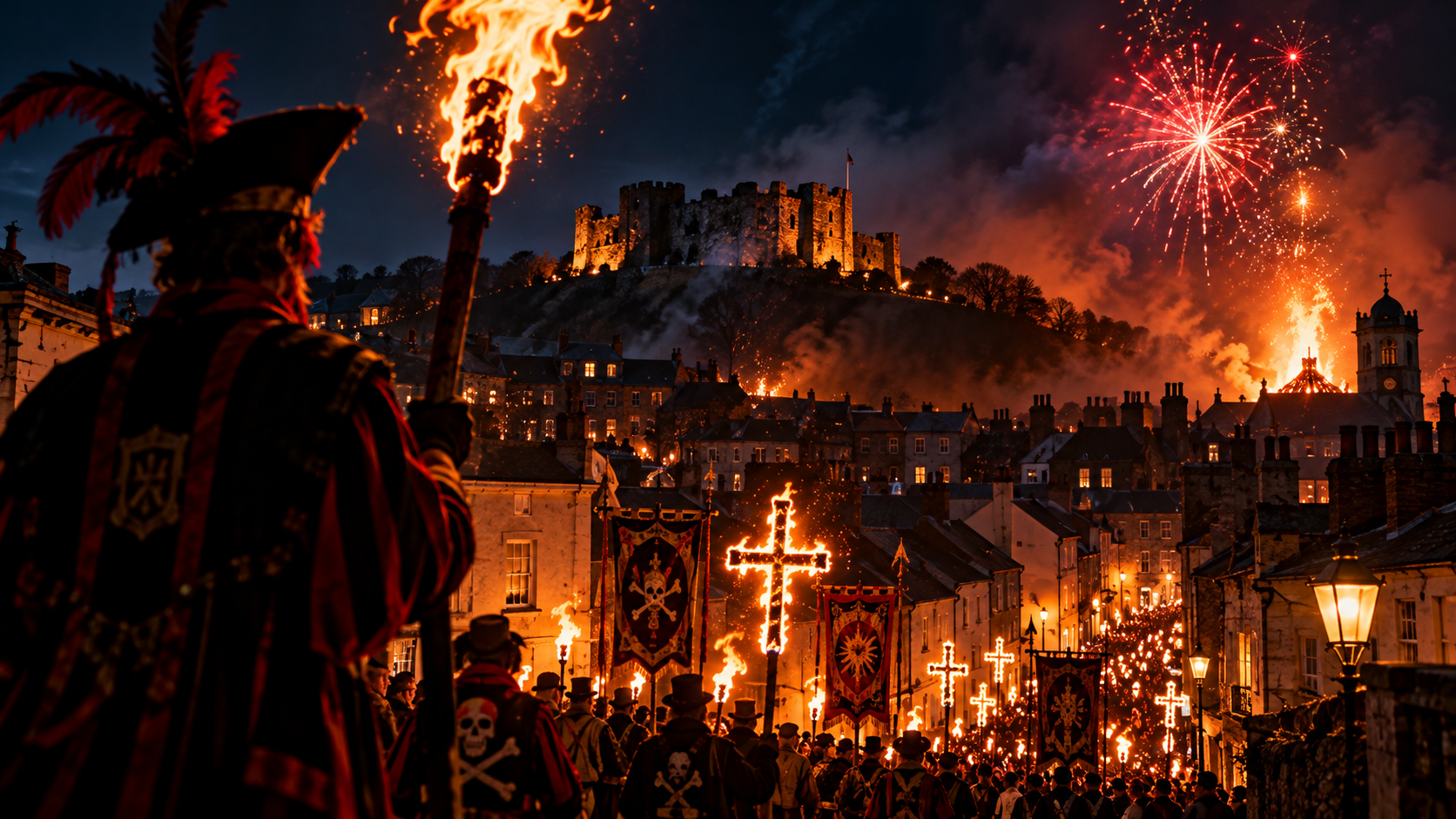
Lewes Bonfire – Gunpowder, Martyrs and the Town That Refused to Be Tamed
Every November, the streets of Lewes erupt in flames, fireworks and centuries of fiercely defended tradition. From the Marian martyrs and Gunpowder Plot to rebellious Bonfire Boys and battles with authority, the extraordinary history behind Britain’s most defiant Bonfire Night celebrations.
Sharing's Caring!


The Burning of the Clavie
Every January, the people of Burghead on Scotland’s Moray coast welcome the old New Year with a blazing barrel carried through their streets. The Burning of the Clavie is a remarkable survival of Scottish fire folklore, but how much of its supposedly ancient history can we really prove?
Sharing's Caring!


Trapped in Time – The Ghosts Behind Britain’s Walled-Up Tales
Whether these ghosts are seen as restless spirits seeking vengeance, tragic figures seeking peace, or simply echoes of a brutal past, their stories continue to captivate and terrify those who hear them.
Sharing's Caring!

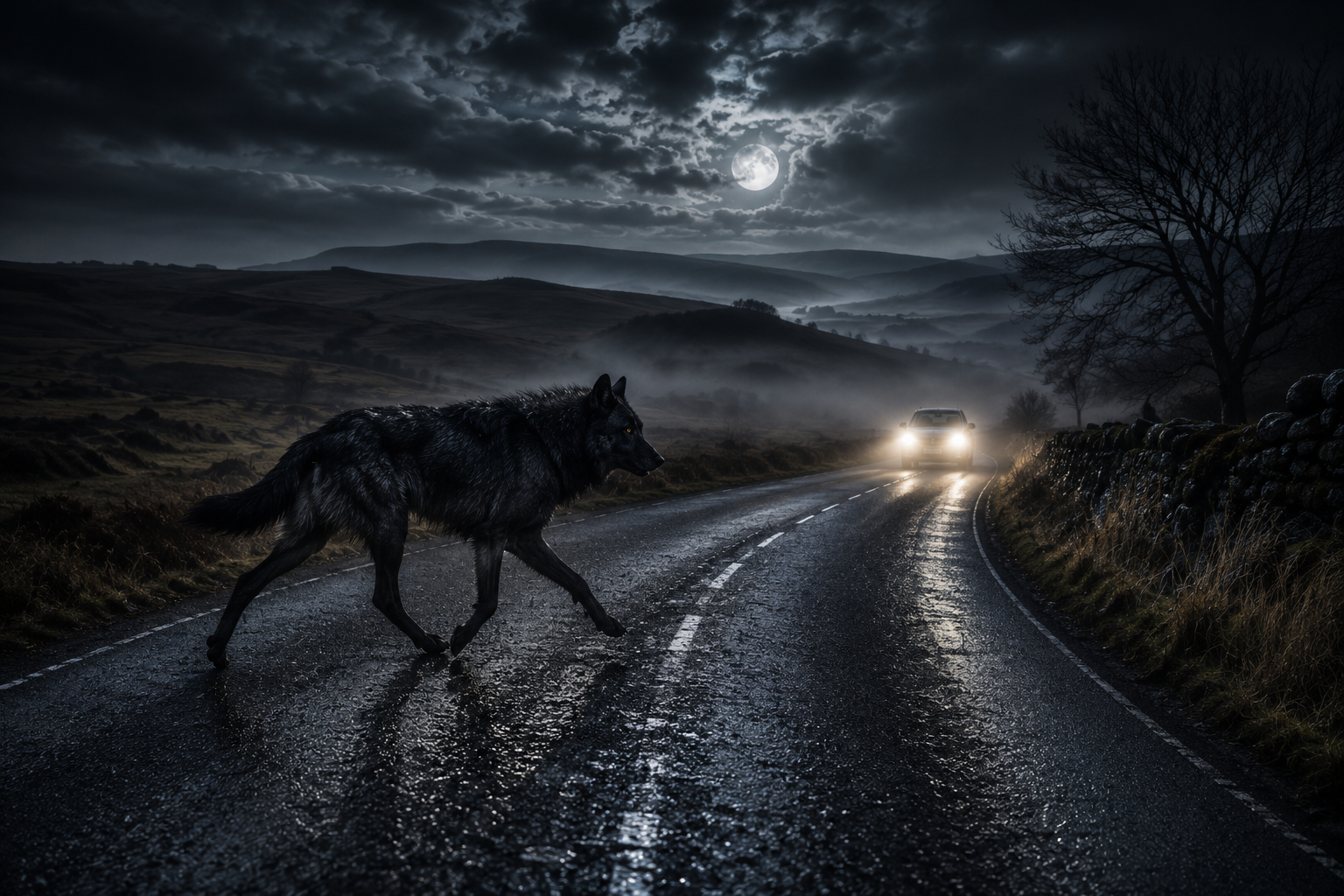
The Speed Wolf
From medieval wolf hunters to modern roadside encounters, the strange story of the creature said to haunt the roads around Buxton.
Sharing's Caring!


Dead Man Walking: When the Condemned Survive Execution
The rope has failed. The electric chair has malfunctioned. Lethal injections have gone wrong, and bodies delivered for dissection have unexpectedly begun breathing again. For centuries, condemned prisoners have occasionally done the one thing an execution was designed to prevent: survive. But if the state has already tried to kill someone and failed, should it be allowed to try again?
Sharing's Caring!

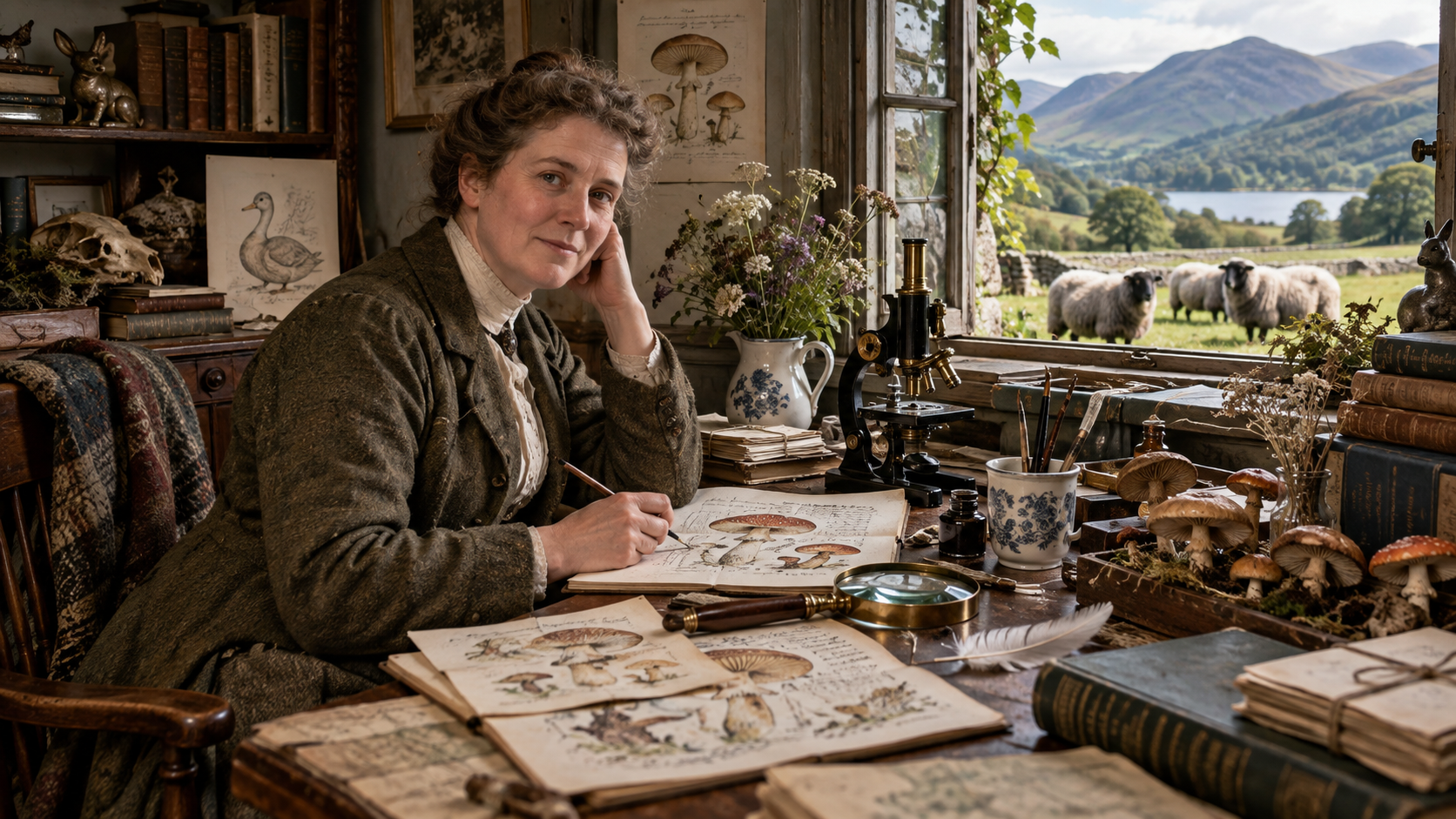
Beatrix Potter
Forget Peter Rabbit for a moment. Beatrix Potter was a mycologist, scientific illustrator, shrewd businesswoman, prize-winning sheep breeder and conservationist who helped preserve thousands of acres of the Lake District. Behind the little animals in jackets was a considerably more formidable woman – and one with a surprising fondness for fungi.
Sharing's Caring!


Eliza Maud Inglis (1864-1917)
Doctor, suffragist and formidable organiser, Elsie Inglis refused to accept the limits placed upon women. When Britain rejected her offer of an all-female medical unit during the First World War, she simply took her hospitals elsewhere – and changed thousands of lives.
Sharing's Caring!


Lilian Bland
In 1910, when aviation was still in its infancy, Lilian Bland decided she could build an aeroplane herself. Armed with determination, ingenuity, a Jameson’s whisky bottle and her aunt’s ear trumpet, she built the Mayfly – and then climbed aboard and flew it.
Sharing's Caring!


Maria Dickin CBE (1870-1951)
Maria Dickin saw something others had overlooked: poverty affected animals as well as people. From a Whitechapel basement she built the PDSA, transformed access to veterinary care and created the Dickin Medal for animal bravery.
Sharing's Caring!


Eglantyne Jebb
Eglantyne Jebb founded Save the Children, was arrested for campaigning for starving enemy children, and helped establish the revolutionary idea that children had rights of their own. One remarkable Shropshire woman whose legacy changed millions of lives.
Sharing's Caring!

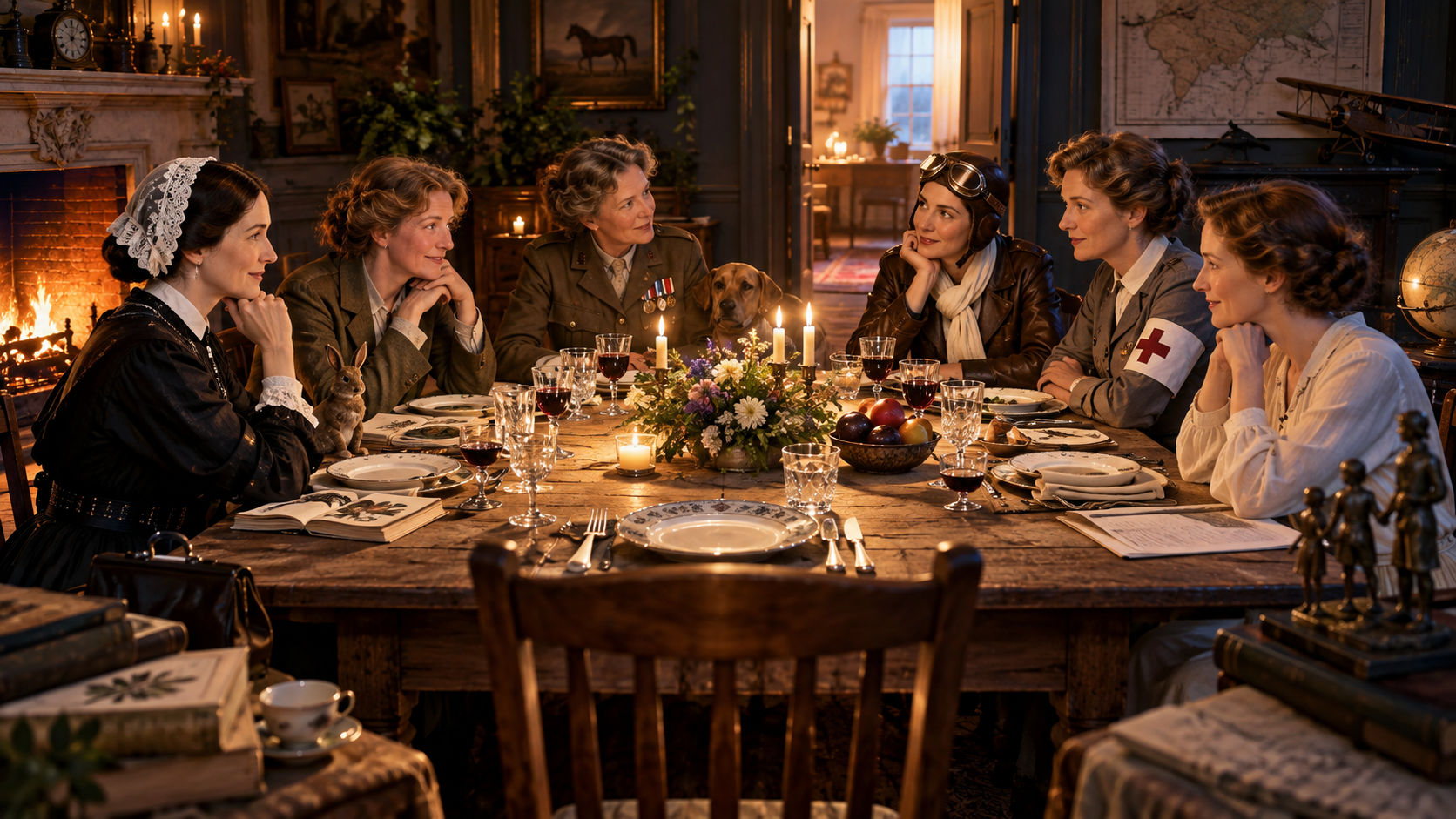
The Seventh Chair – Kirst D’Raven
Six women. Seven chairs. One invitation that makes no sense. Around a dinner table where time has apparently stopped, Florence Nightingale, Beatrix Potter, Maria Dickin, Lilian Bland, Elsie Inglis and Eglantyne Jebb discover they have rather more in common than history remembers. But one place remains empty. And perhaps it was never meant for them.
Sharing's Caring!

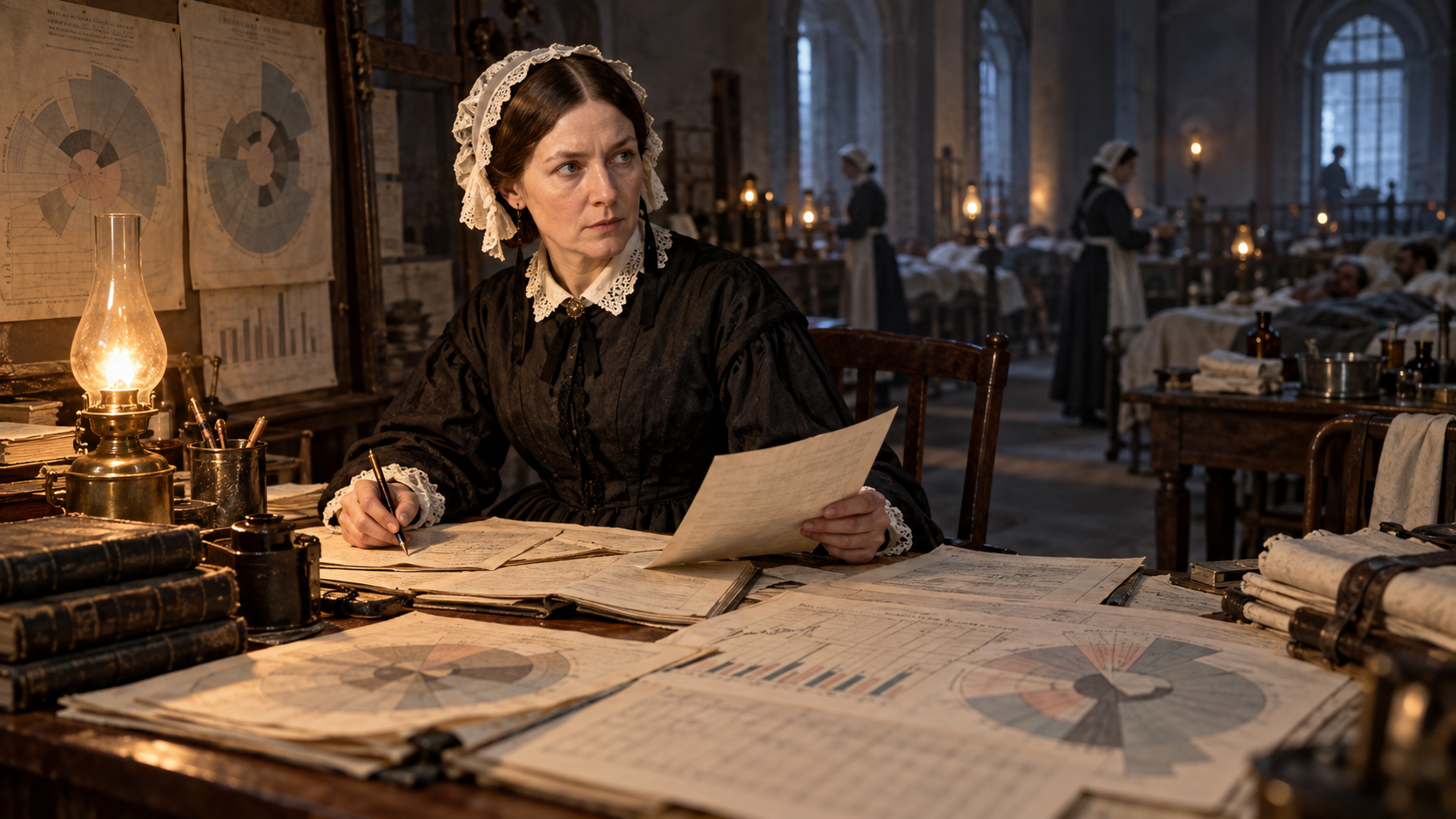
Florence Nightingale
Forget the gentle Lady with the Lamp. Florence Nightingale was a statistician, political operator and relentless reformer who used evidence to expose preventable deaths and force the British establishment to change.
Sharing's Caring!

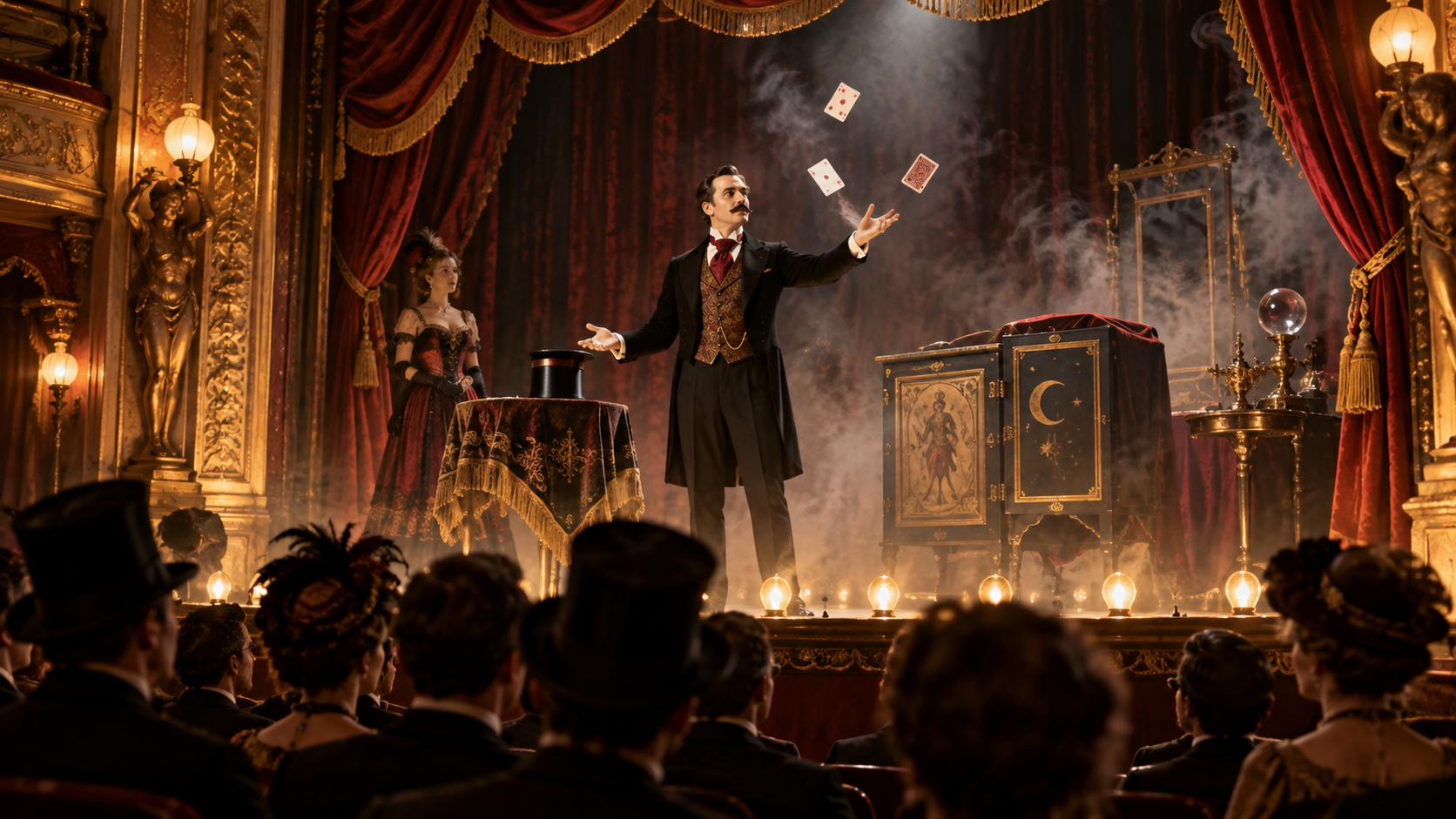
The Golden Age of Magic – When Conjurors Became Superstars
In the late nineteenth century, London’s Golden Age of Magic emerged, transforming magicians into celebrated entertainers. Figures like Jean-Eugène Robert-Houdin and John Nevil Maskelyne utilized technology and theatrical techniques to captivate audiences. The rise of Spiritualism also inspired magicians, fostering a collision between entertainment and belief. Magic became a respected art form, paving the way for its future.
Sharing's Caring!


The Woman Who Gave Birth To Rabbits
In 1726, Mary Toft became one of the most notorious women in England after apparently giving birth to rabbits. Doctors investigated, royal physicians became involved and London was transfixed. But behind one of history’s most infamous medical hoaxes lies a stranger story of pregnancy, belief, deception and a young woman whose role may have been far more complicated than the legend suggests.
Sharing's Caring!

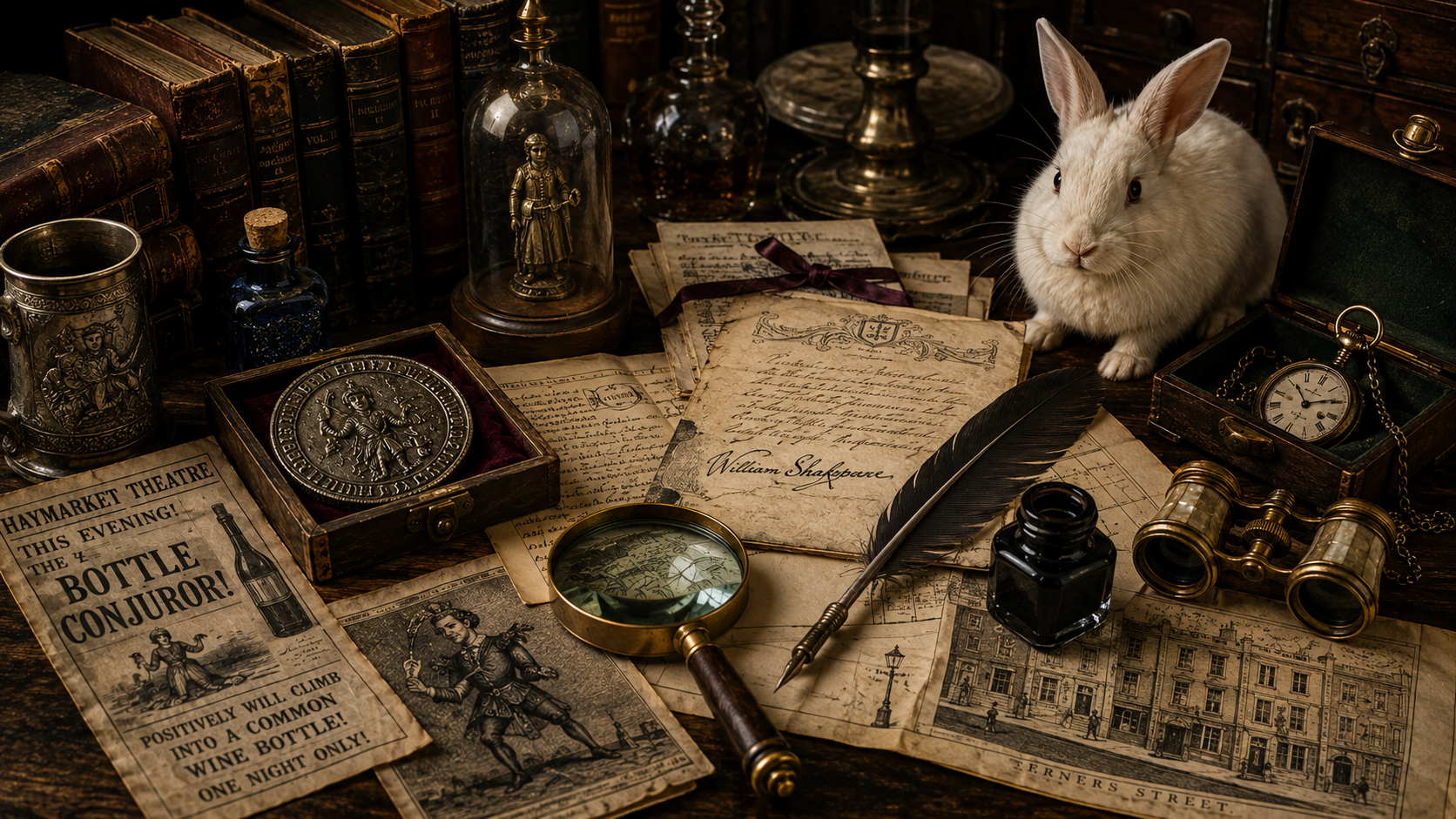
When Britain Loved Being Fooled
Britain has a long and glorious history of being fooled. From forged antiquities and impossible performances to mysterious princesses and women supposedly giving birth to rabbits, the greatest hoaxes succeed not because our ancestors were stupid, but because someone gave them exactly what they wanted to believe.
Sharing's Caring!

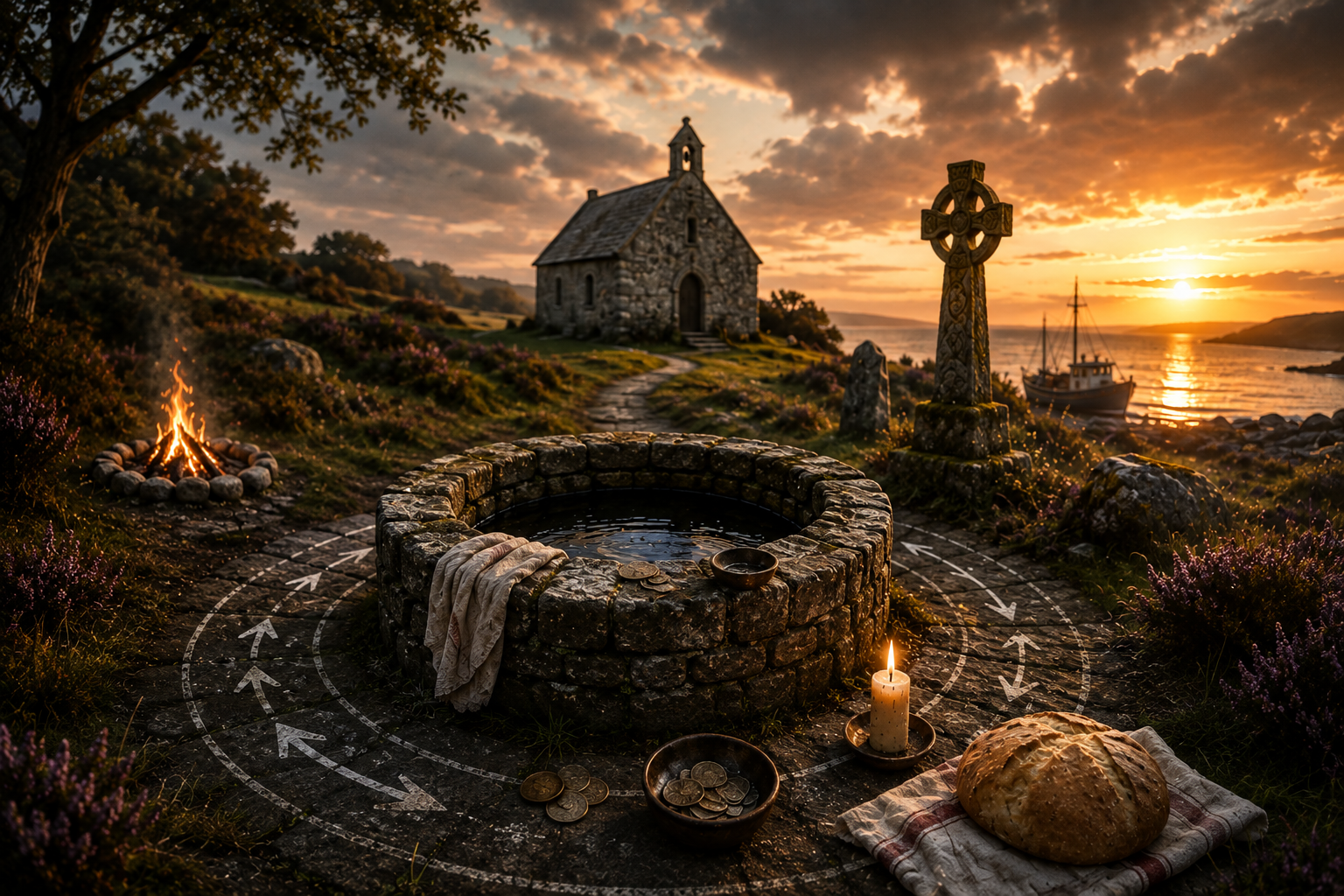
The Old Magic of Walking in Circles
Clockwise or widdershins? Around wells, boats, fires and even the kitchen pot, direction once mattered. Follow the sun for luck and protection – or go the other way when you want to turn the world upside down…
Sharing's Caring!

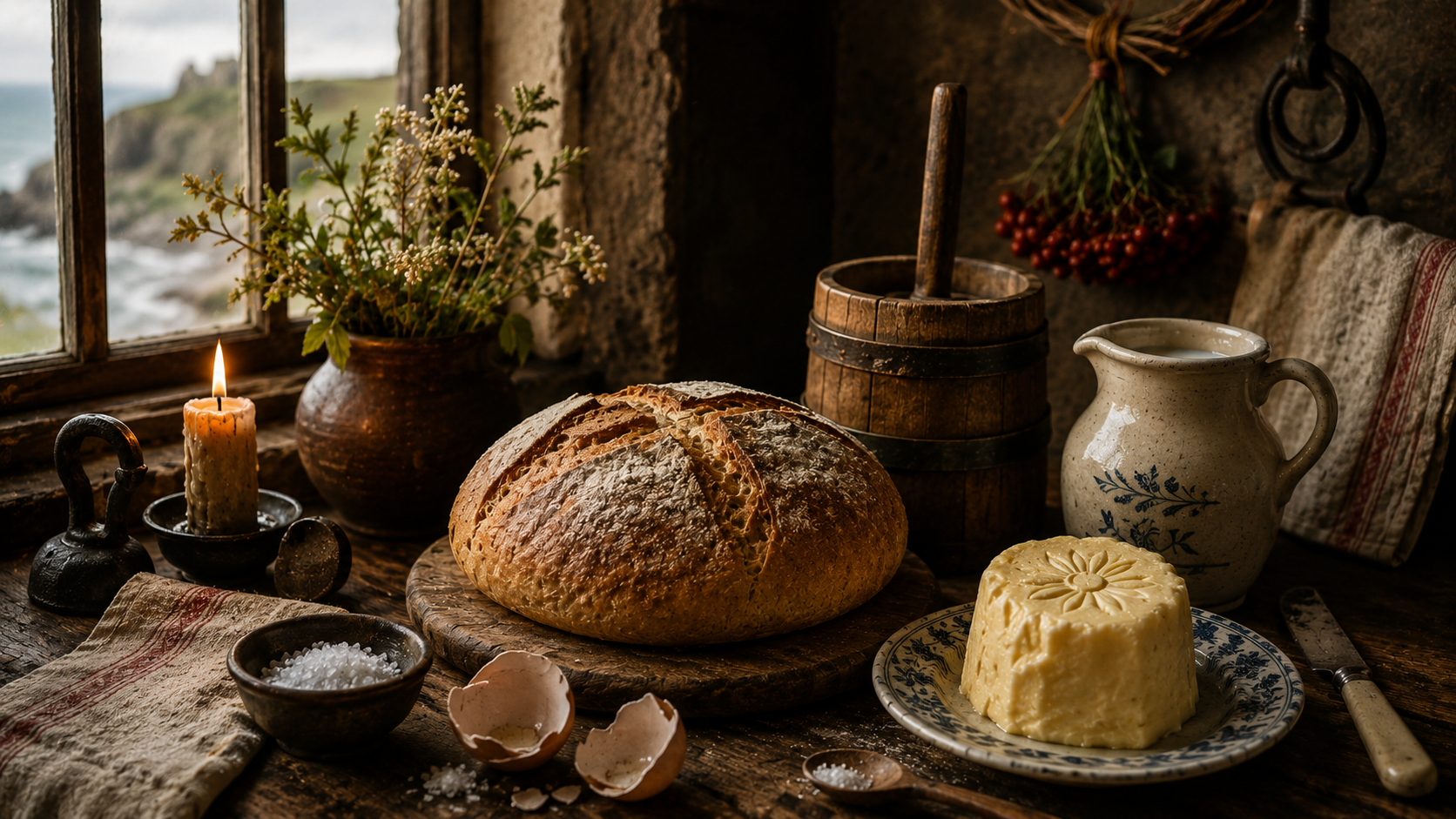
Don’t Turn the Bread Upside-Down
Bread, butter, salt, fire and even empty egg shells were once surrounded by rules designed to protect the household. Step into the kitchen, where everyday cooking still carries traces of some very Old Magic…
Sharing's Caring!

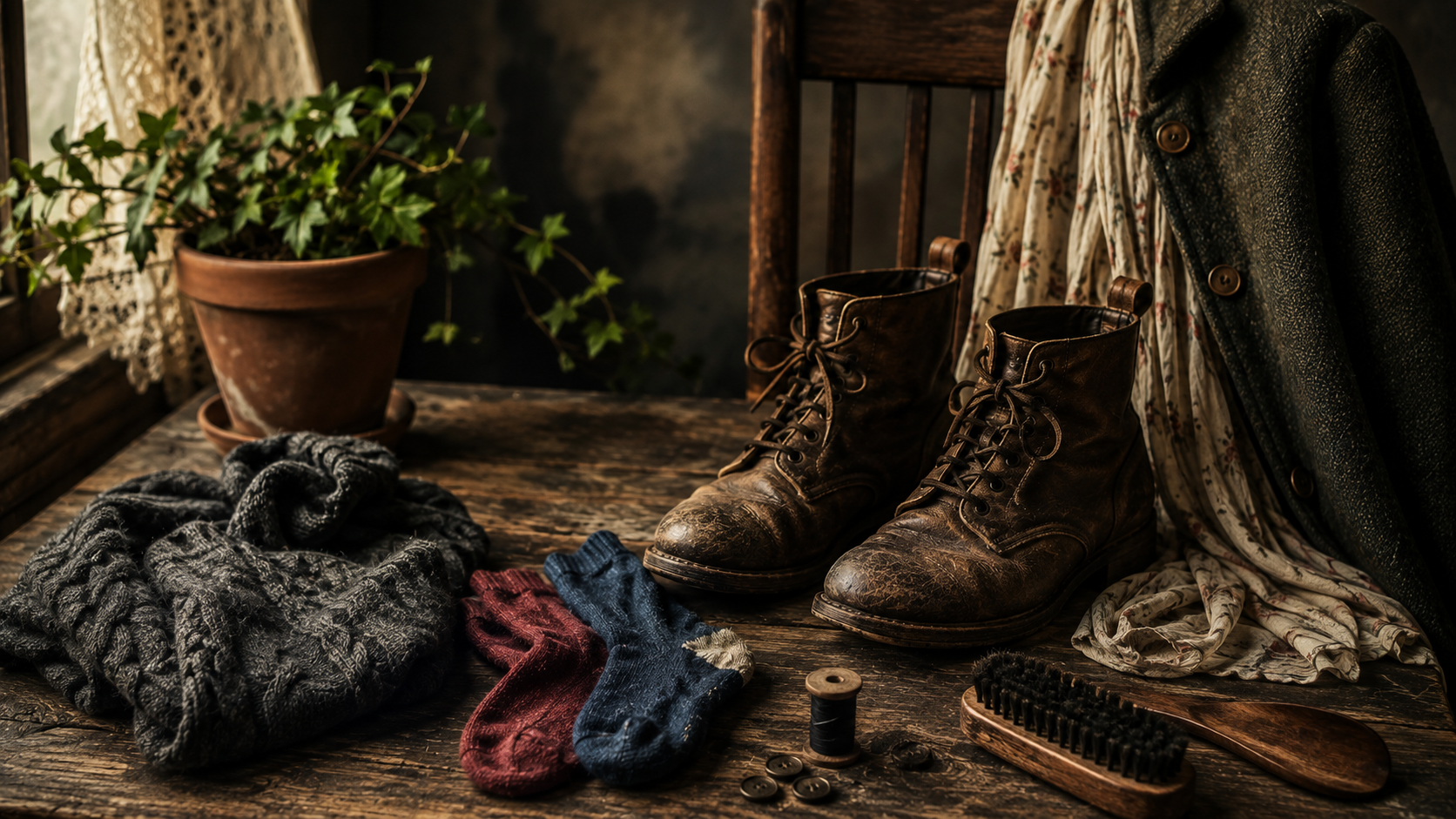
The Old Magic Hiding in Your Clothes
Getting dressed was once riddled with magic. From inside-out clothes and lucky socks to dangerous buttons, troublesome stiles and the unforgivable crime of putting shoes on the table, some of the old rules are still hiding in our wardrobes.
Sharing's Caring!

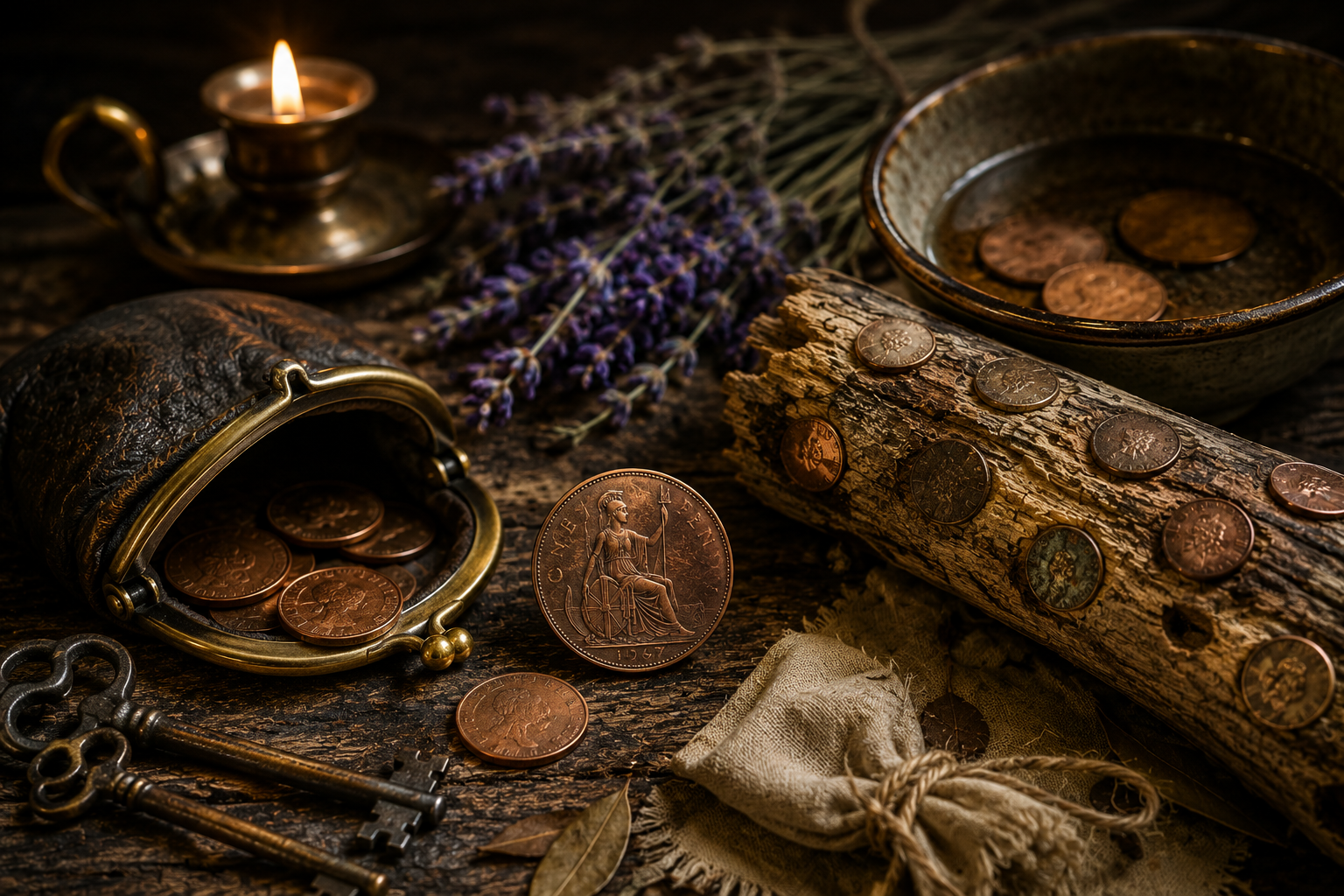
A Penny For Luck
A penny in a new purse, silver for a baby, a coin for a gifted knife or hammered into a wishing tree. We still use money for luck in ways that have very little to do with buying anything.
