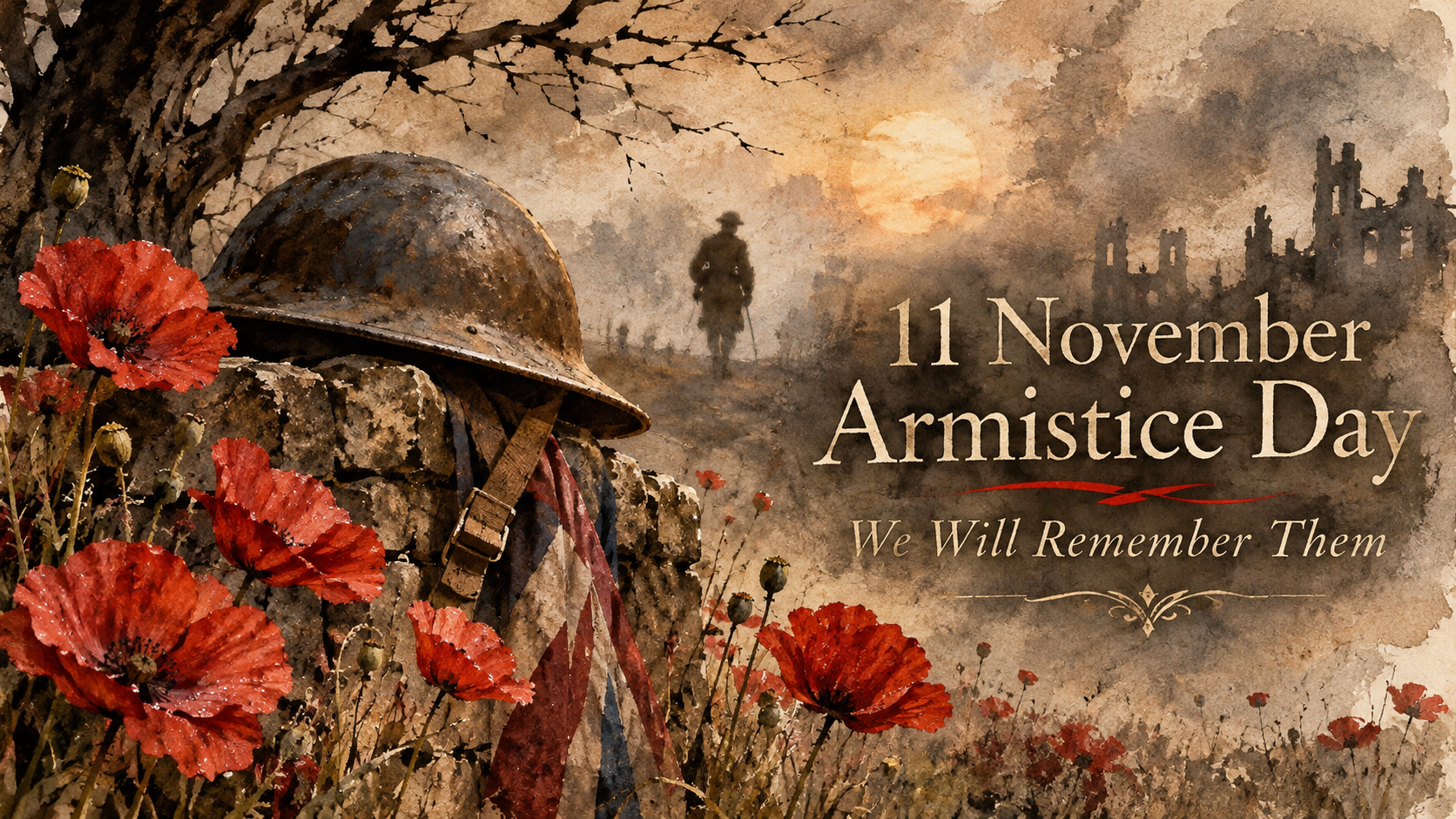
At eleven o’clock on 11 November 1919, Britain fell silent. But the two-minute silence had a remarkable journey before it reached London, involving a grieving South African mayor, an Australian journalist and a father determined to honour the dead. This is the story of how silence became remembrance.
Category: Traditions


Britain’s Ritual Fires – When Flame Could Protect the Living
For centuries, communities across Britain believed that fire could protect livestock, ward off disease and drive away misfortune. From mysterious need-fires kindled by friction to the great seasonal bonfires of Beltane and midsummer, discover the fascinating folklore of ritual flames and the ancient beliefs that survived long after their origins were forgotten.
Sharing's Caring!

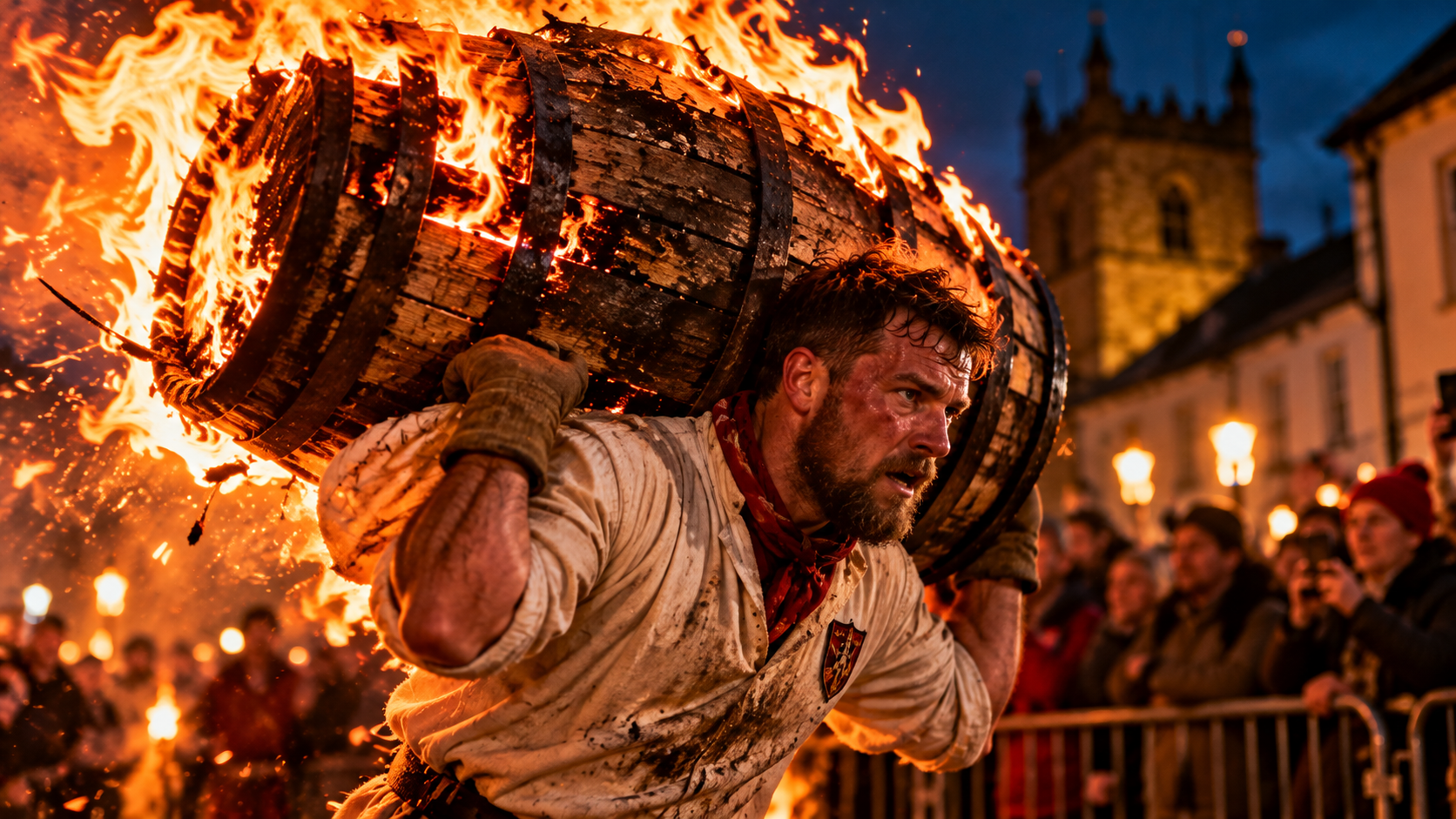
Ottery St Mary – The Devon Town That Carries Fire on Its Shoulders
Every Bonfire Night, the people of Ottery St Mary in Devon carry blazing tar barrels on their shoulders through crowded streets. It’s one of Britain’s most astonishing surviving fire customs, but where did it come from, and why has this extraordinary tradition endured when so many others disappeared?
Sharing's Caring!

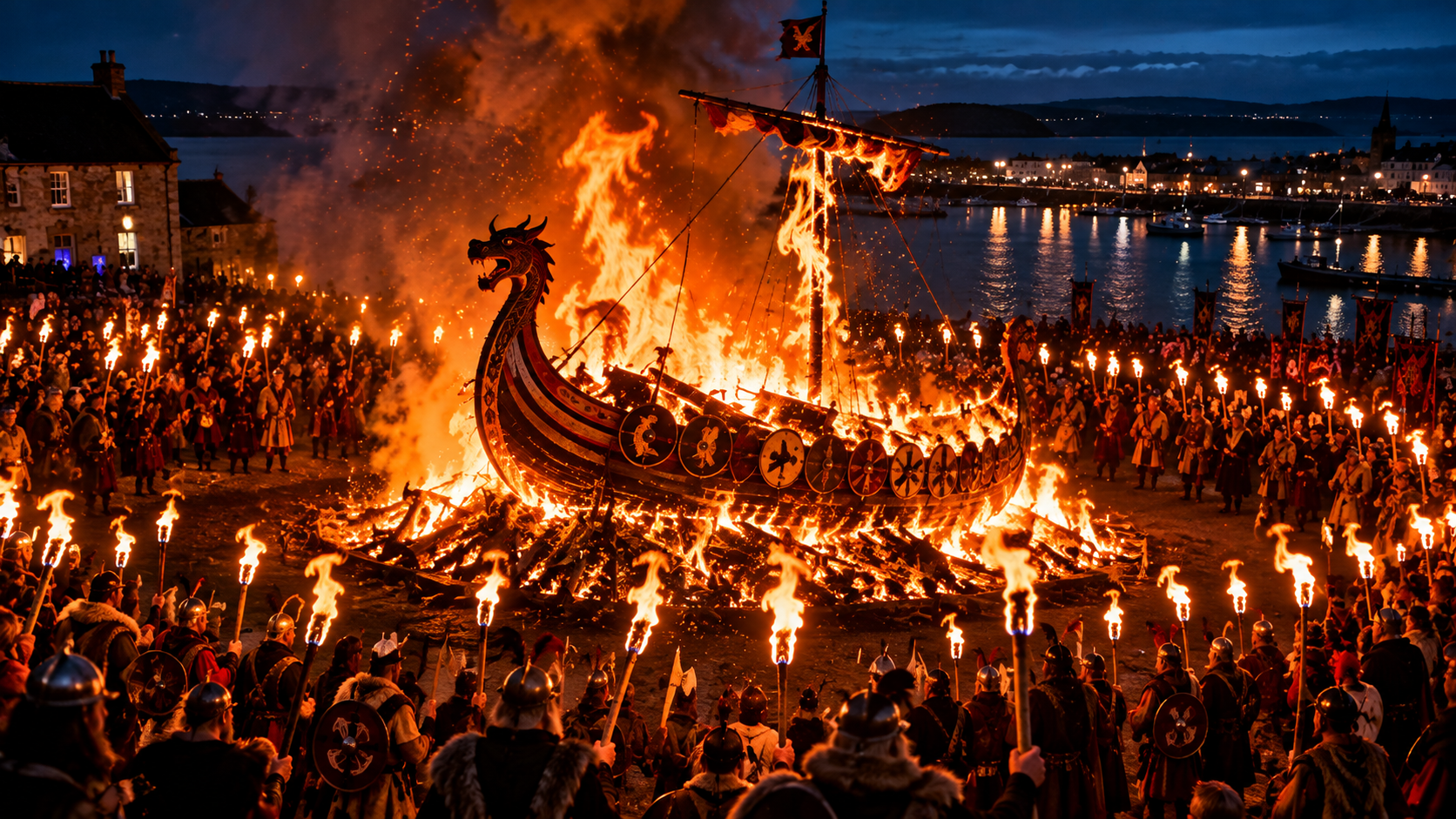
Up Helly Aa – The Viking Fire Festival That Isn’t Quite Viking
Every January, Shetland’s Up Helly Aa festival transforms Lerwick into a spectacular world of Viking costumes, flaming torches and a burning longship. Yet this extraordinary celebration isn’t an ancient Norse survival. Its real origins lie in nineteenth-century disorder, burning tar barrels and a community determined to reinvent its winter traditions.
Sharing's Caring!

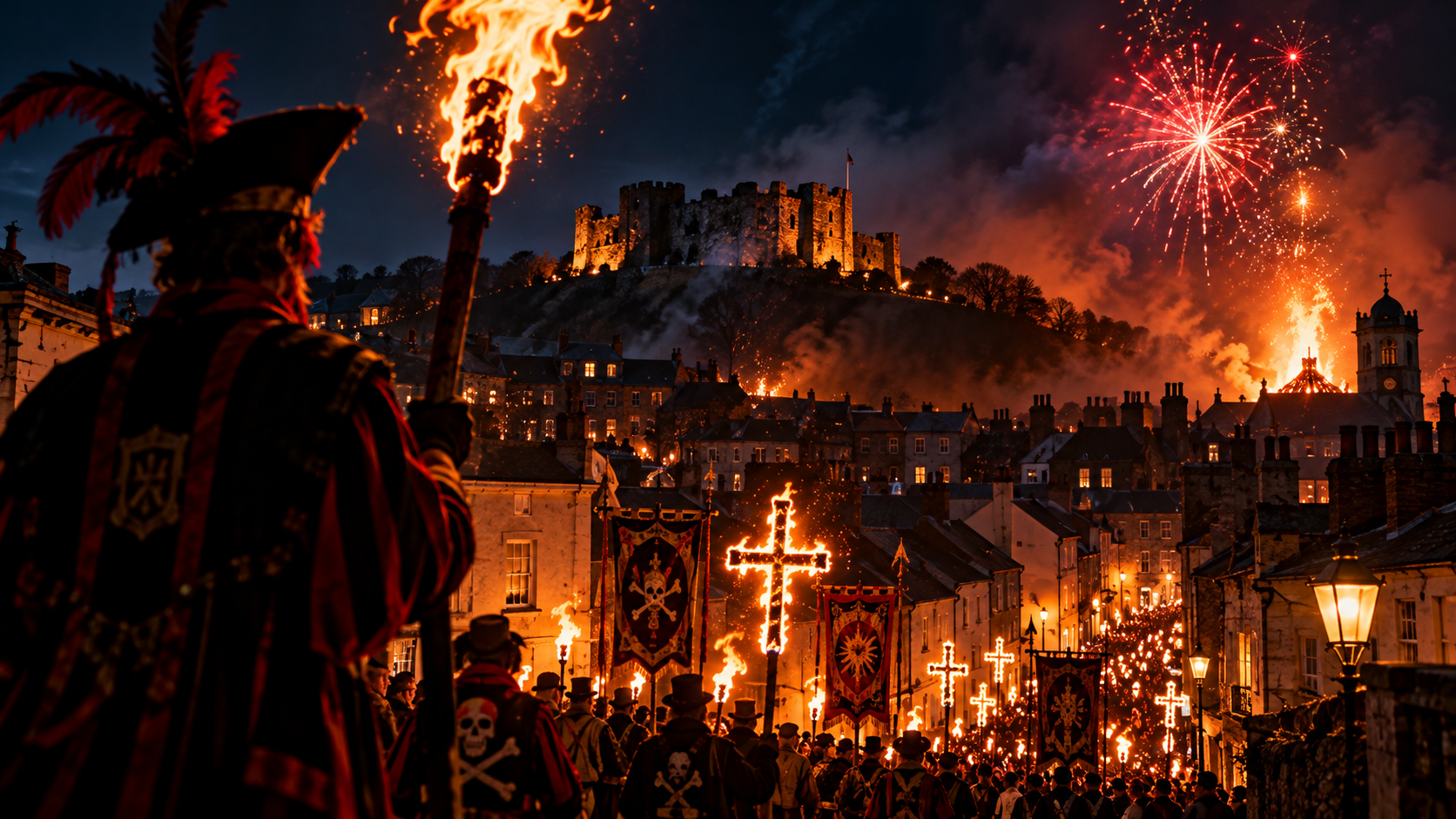
Lewes Bonfire – Gunpowder, Martyrs and the Town That Refused to Be Tamed
Every November, the streets of Lewes erupt in flames, fireworks and centuries of fiercely defended tradition. From the Marian martyrs and Gunpowder Plot to rebellious Bonfire Boys and battles with authority, the extraordinary history behind Britain’s most defiant Bonfire Night celebrations.
Sharing's Caring!

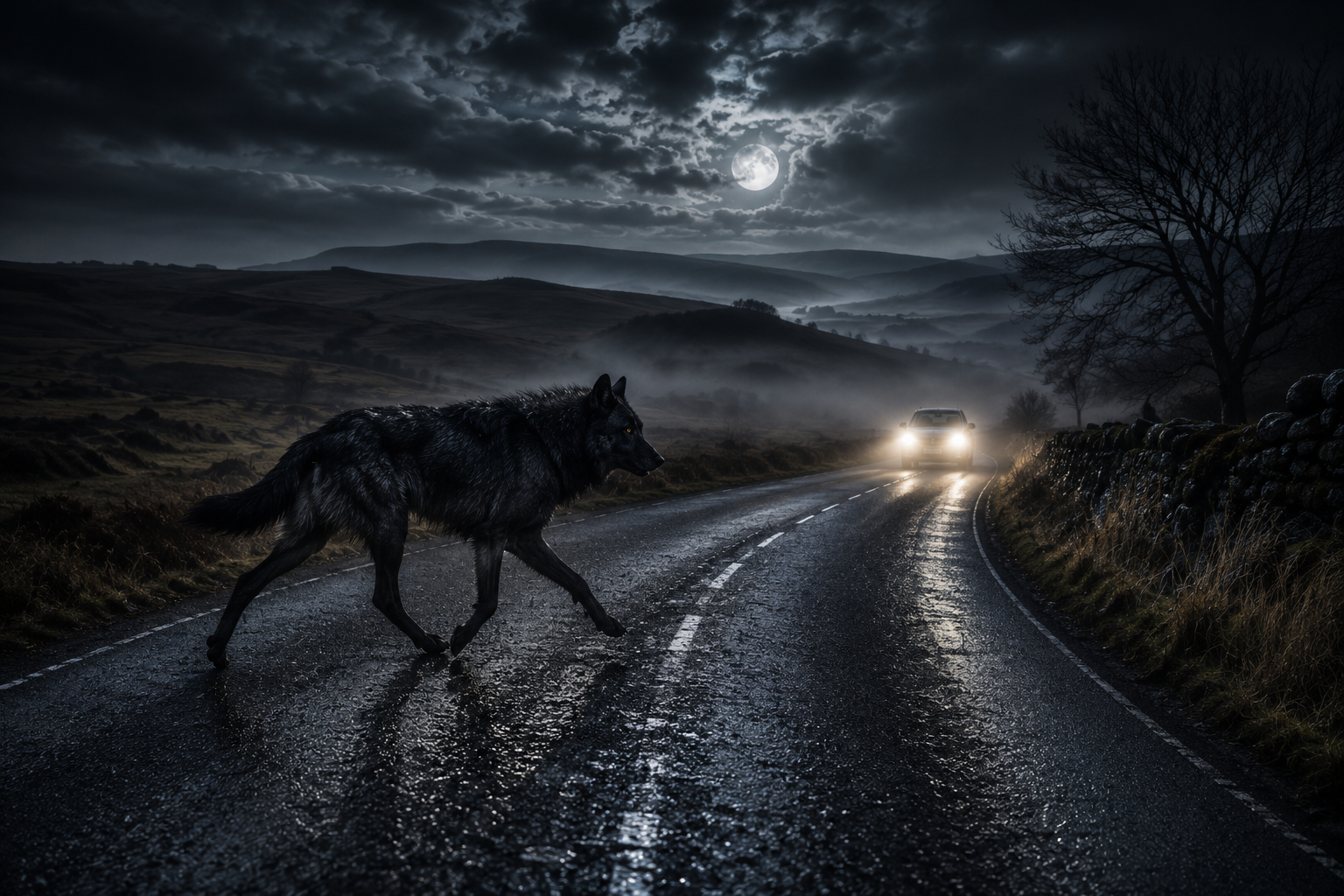
The Speed Wolf
From medieval wolf hunters to modern roadside encounters, the strange story of the creature said to haunt the roads around Buxton.
Sharing's Caring!

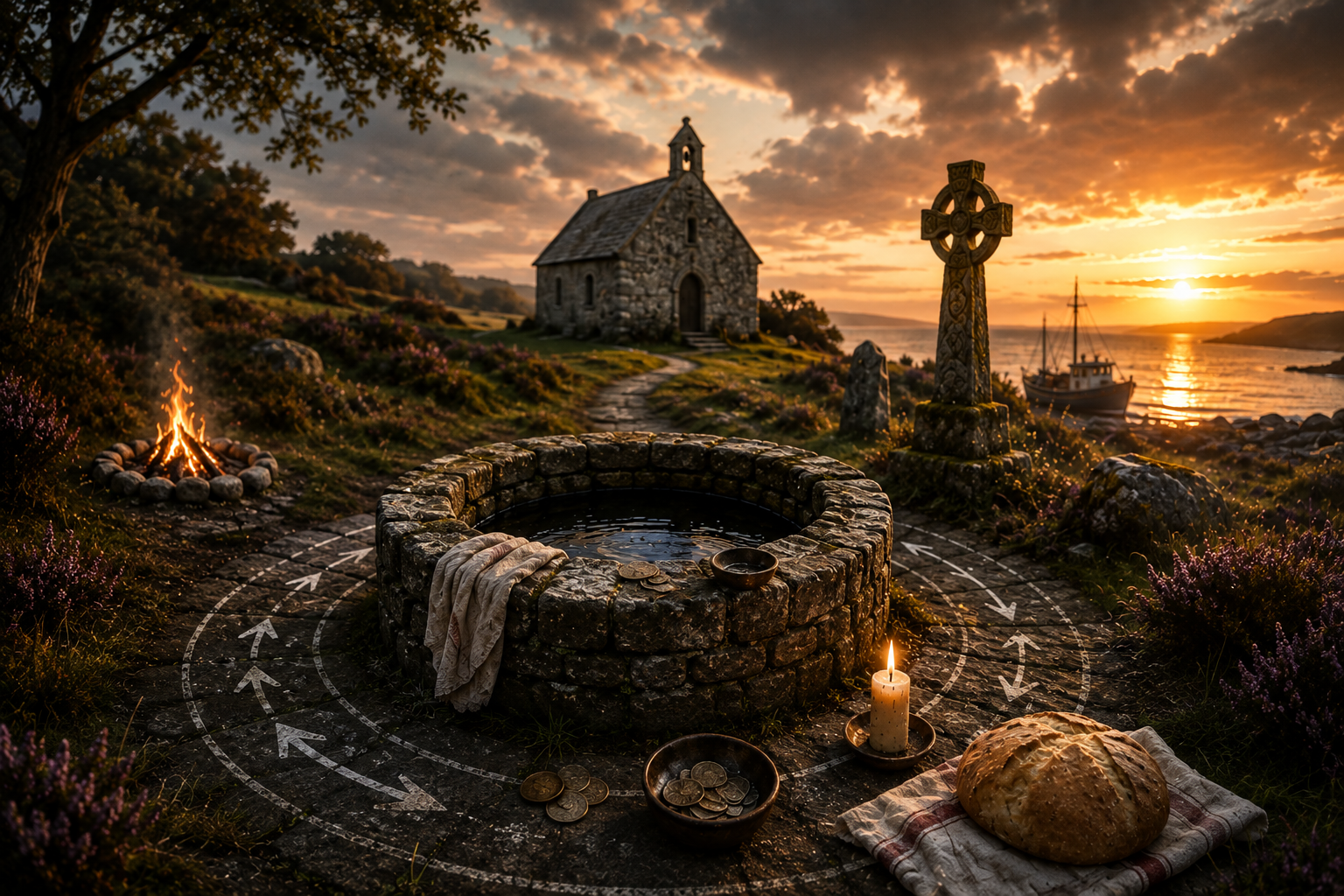
The Old Magic of Walking in Circles
Clockwise or widdershins? Around wells, boats, fires and even the kitchen pot, direction once mattered. Follow the sun for luck and protection – or go the other way when you want to turn the world upside down…
Sharing's Caring!

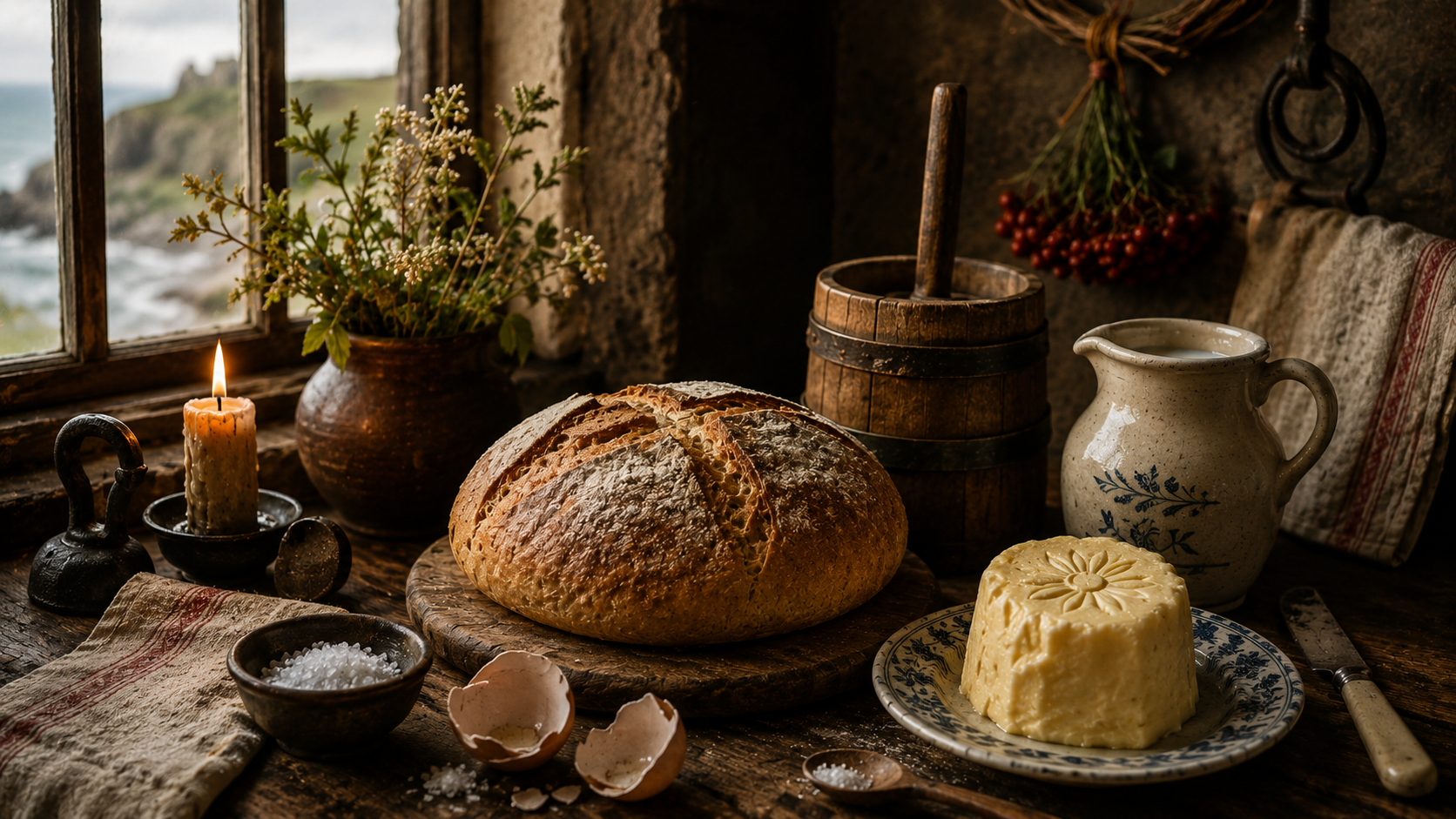
Don’t Turn the Bread Upside-Down
Bread, butter, salt, fire and even empty egg shells were once surrounded by rules designed to protect the household. Step into the kitchen, where everyday cooking still carries traces of some very Old Magic…
Sharing's Caring!

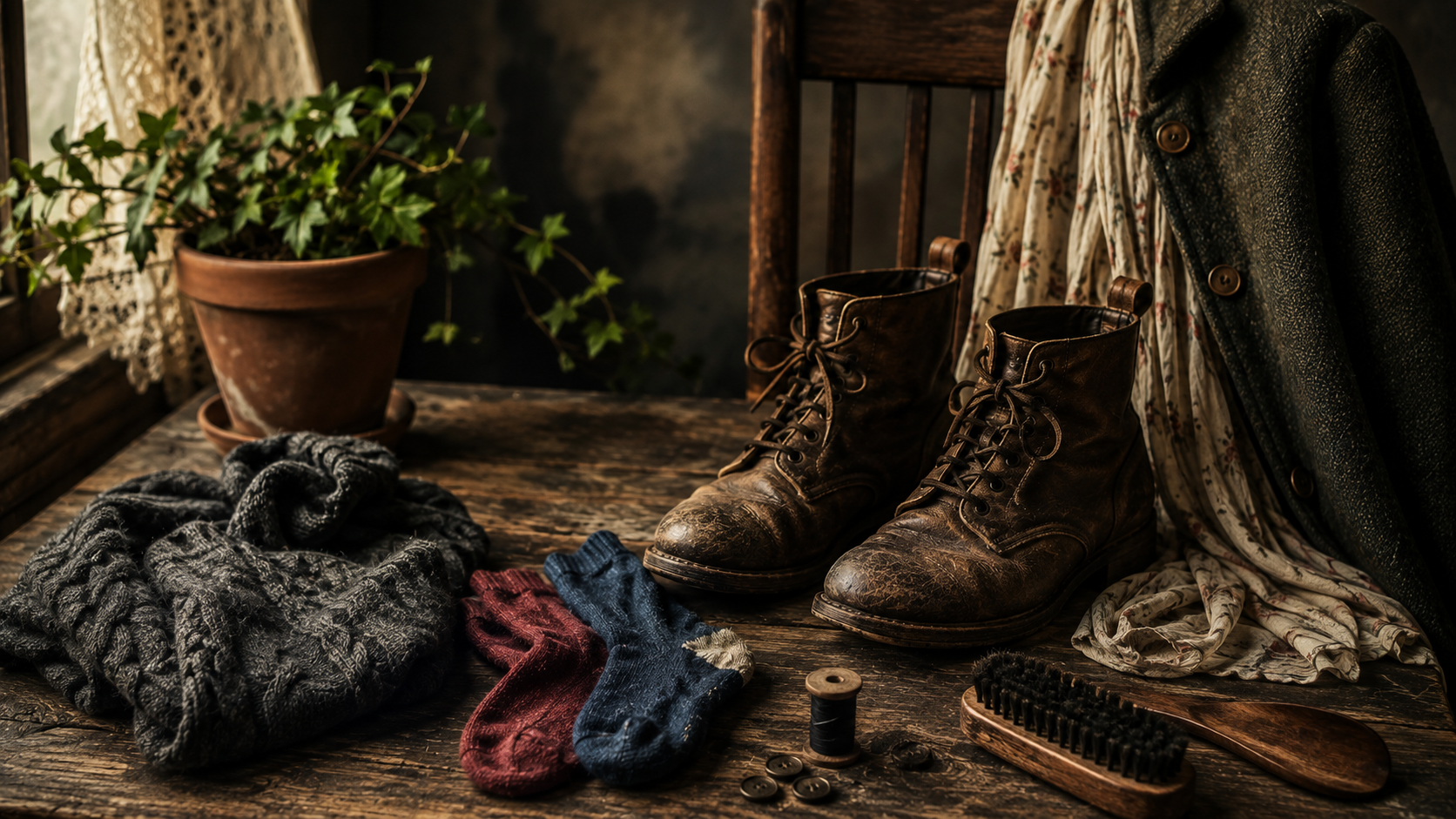
The Old Magic Hiding in Your Clothes
Getting dressed was once riddled with magic. From inside-out clothes and lucky socks to dangerous buttons, troublesome stiles and the unforgivable crime of putting shoes on the table, some of the old rules are still hiding in our wardrobes.
Sharing's Caring!

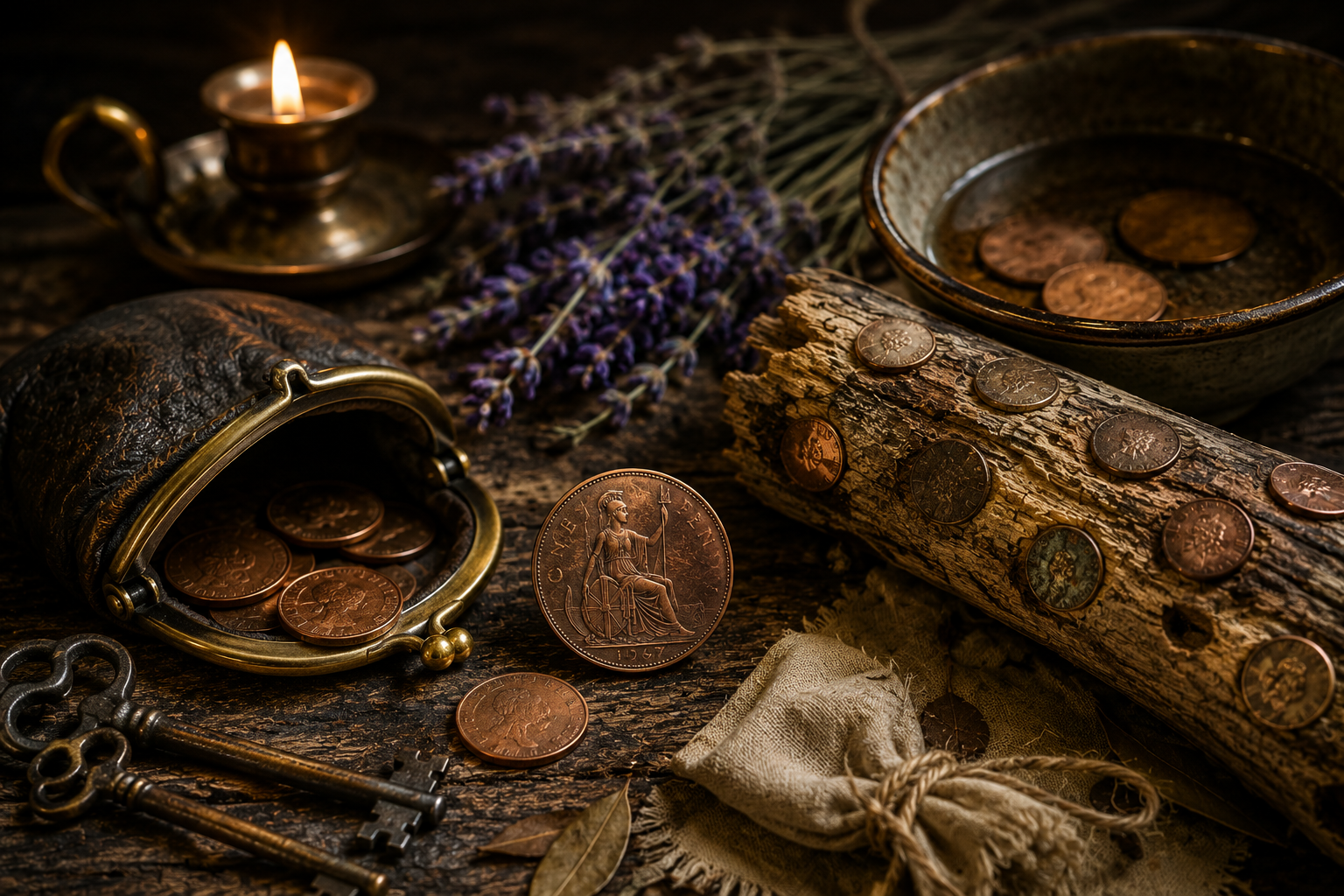
A Penny For Luck
A penny in a new purse, silver for a baby, a coin for a gifted knife or hammered into a wishing tree. We still use money for luck in ways that have very little to do with buying anything.
Sharing's Caring!


When the Dead Don’t Stay Dead
There are few things that humanity has been quite so consistently afraid of as a dead person who refuses to behave like one.
Sharing's Caring!

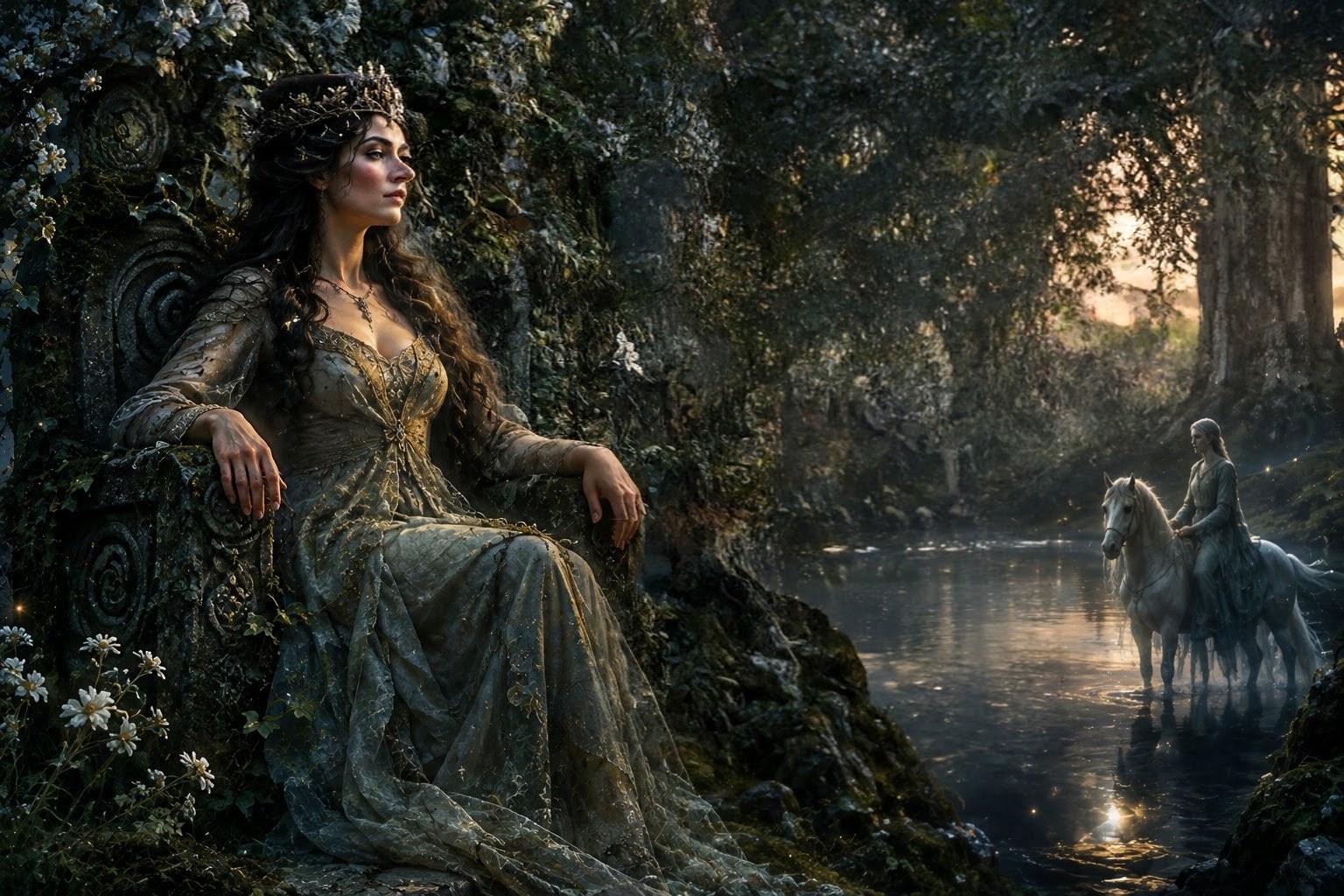
The Fairy Queen – Rulers of Britain’s Otherworld
Forget everything you think you know about the Fairy Queen. Long before glitter and fairy tales, Britain knew mysterious women who ruled hidden kingdoms below hills, lakes and ancient forests. Meet the powerful Queens of the Otherworld, where myth, magic and folklore become one…
Sharing's Caring!

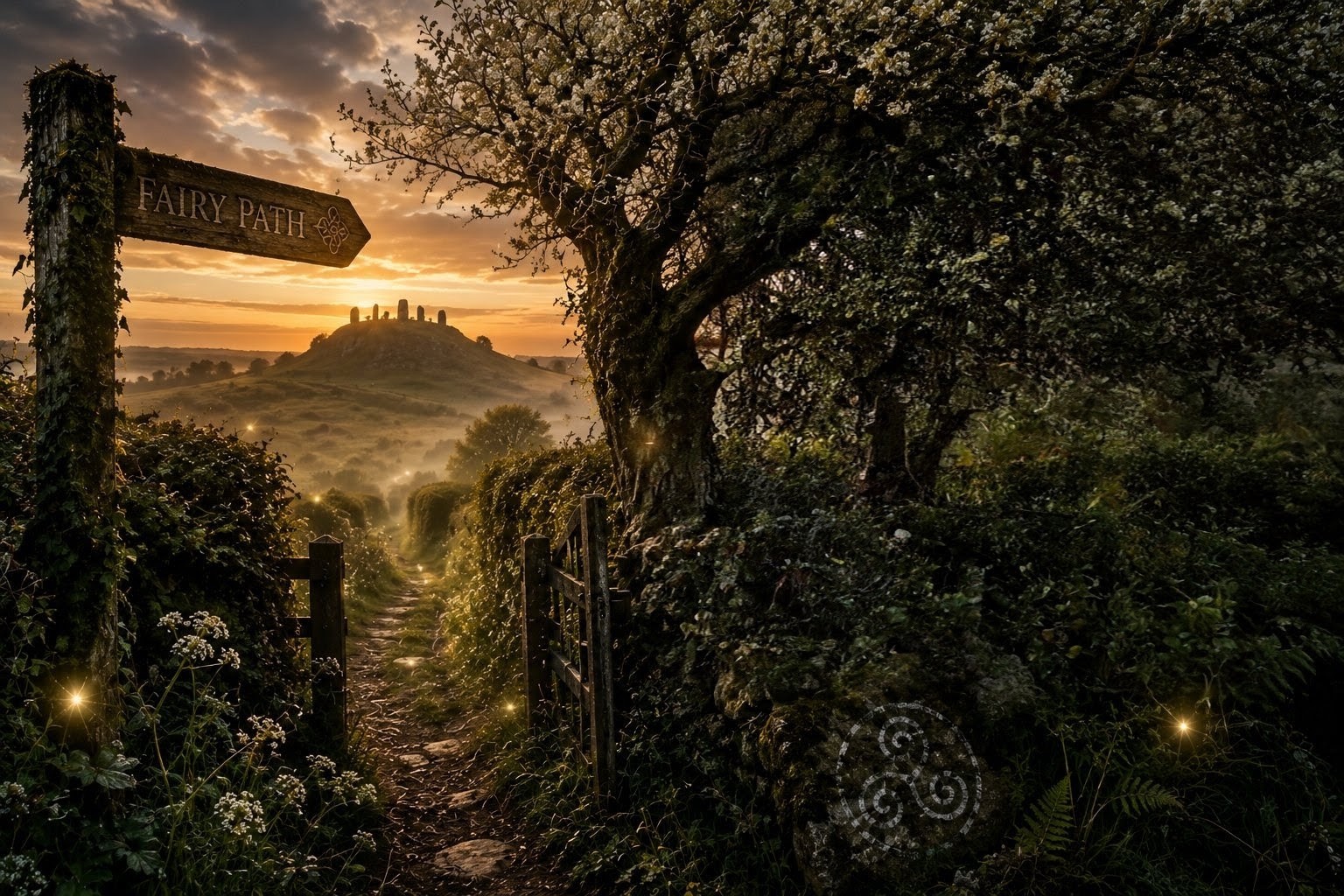
The Places You Should Never Disturb.
Fairy paths, forts and holloways..
Sharing's Caring!

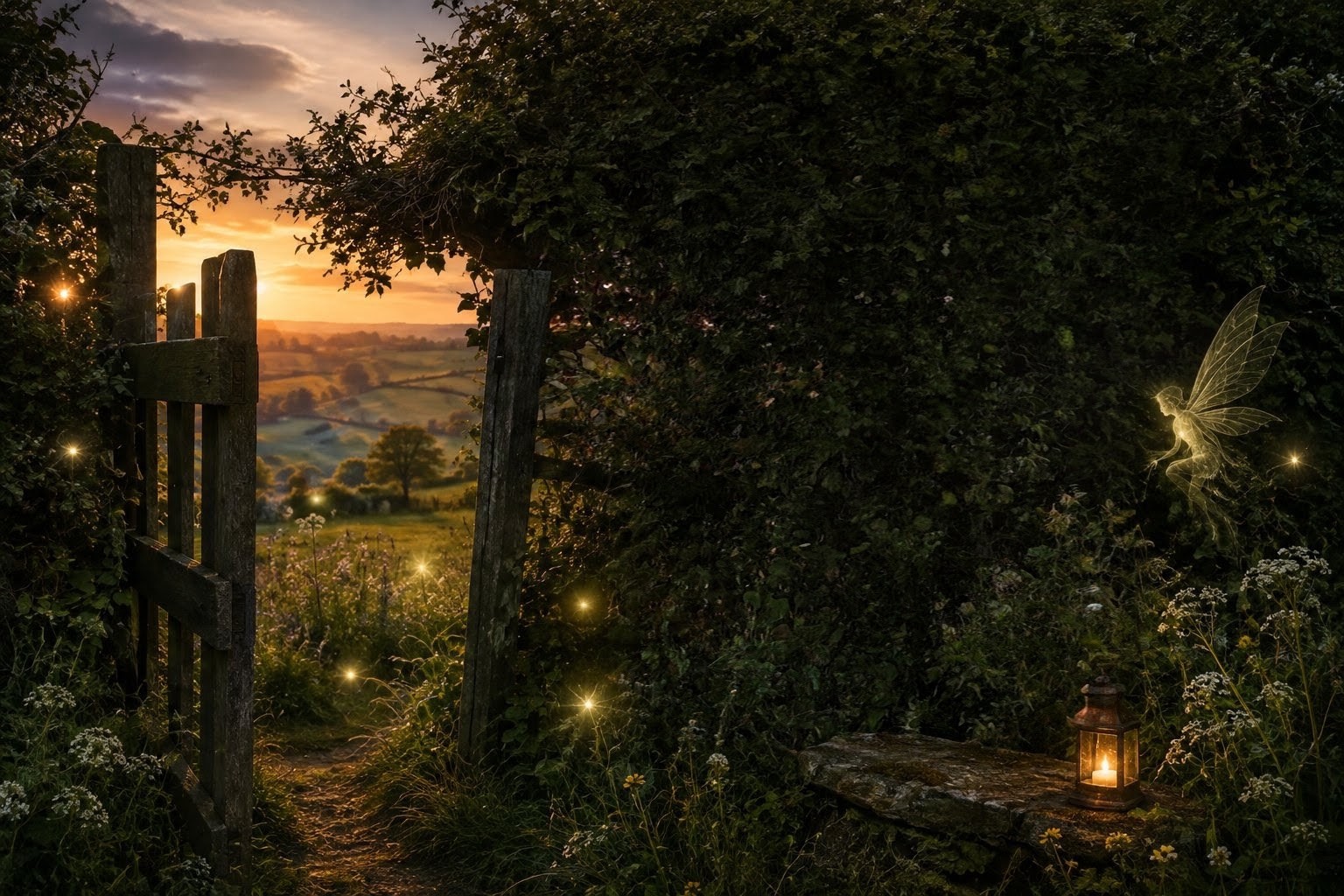
The Folk Beyond the Hedgerows
Beyond the hedge lies another Britain. A land of fairy paths, hidden kingdoms and ancient warnings…
Sharing's Caring!

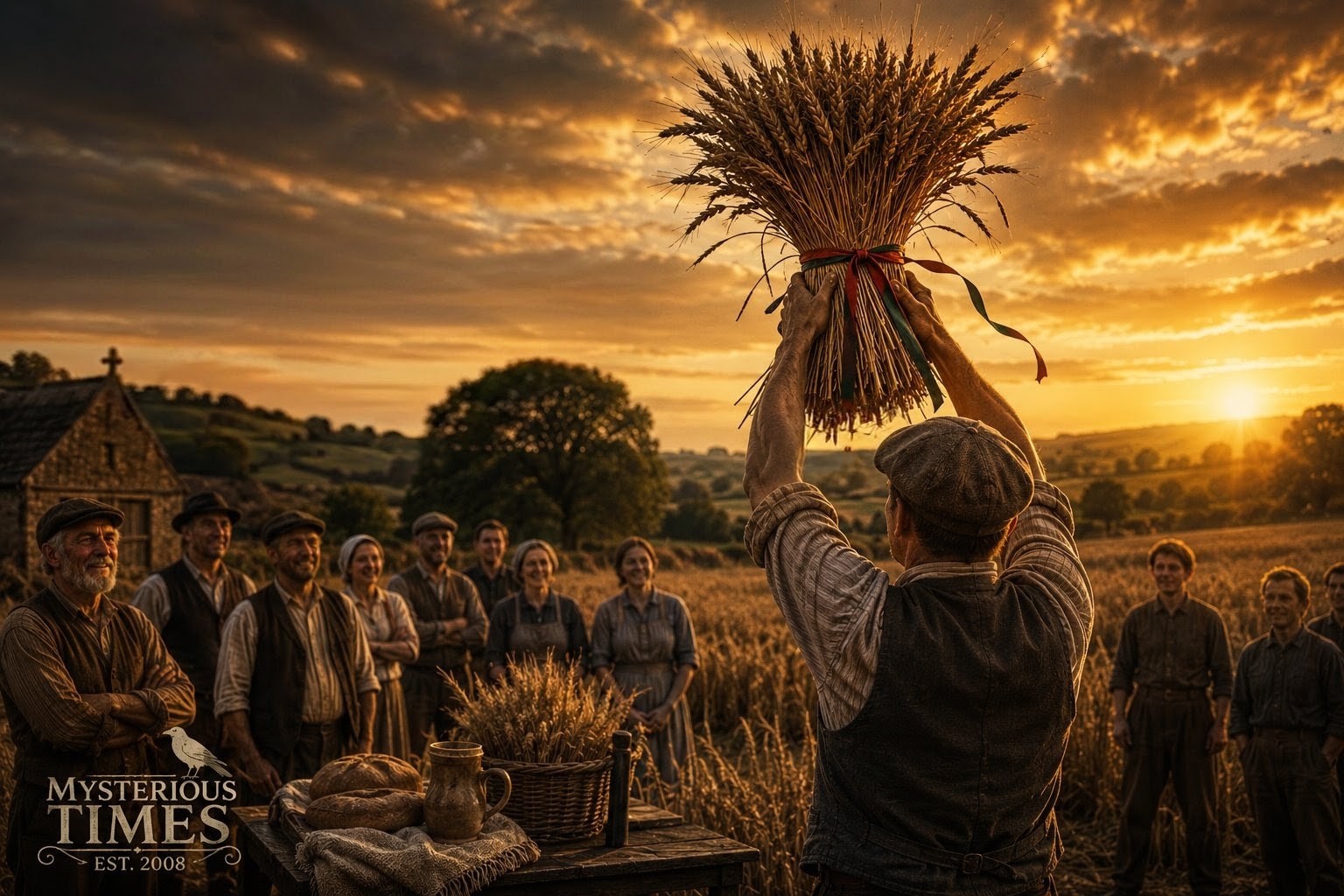
Crying The Neck
Harvest rituals like ‘Crying the Neck’ in Devon and Cornwall celebrate gratitude as farming communities mark the end of the harvest. It’s a mix of old customs and modern appreciation for agricultural roots.
Sharing's Caring!


The Watchers in the Fields
Scarecrows used to be harmless protectors of crops, but now they creep us out and star in horror stories. Still, towns celebrate them in festivals, showing their quirky charm and creativity.
Sharing's Caring!


The Man Who Had To Die.
John Barleycorn has been cut down, drowned and burned for centuries. But behind this brutal old folk song lies a much older story of harvest, sacrifice and rebirth…
Sharing's Caring!


Woven From the Last Harvest
Corn dollies are intricate straw creations from harvest traditions, symbolizing good fortune and community. They represent the blend of craftsmanship, belief, and the important relationship between people and the land.
Sharing's Caring!

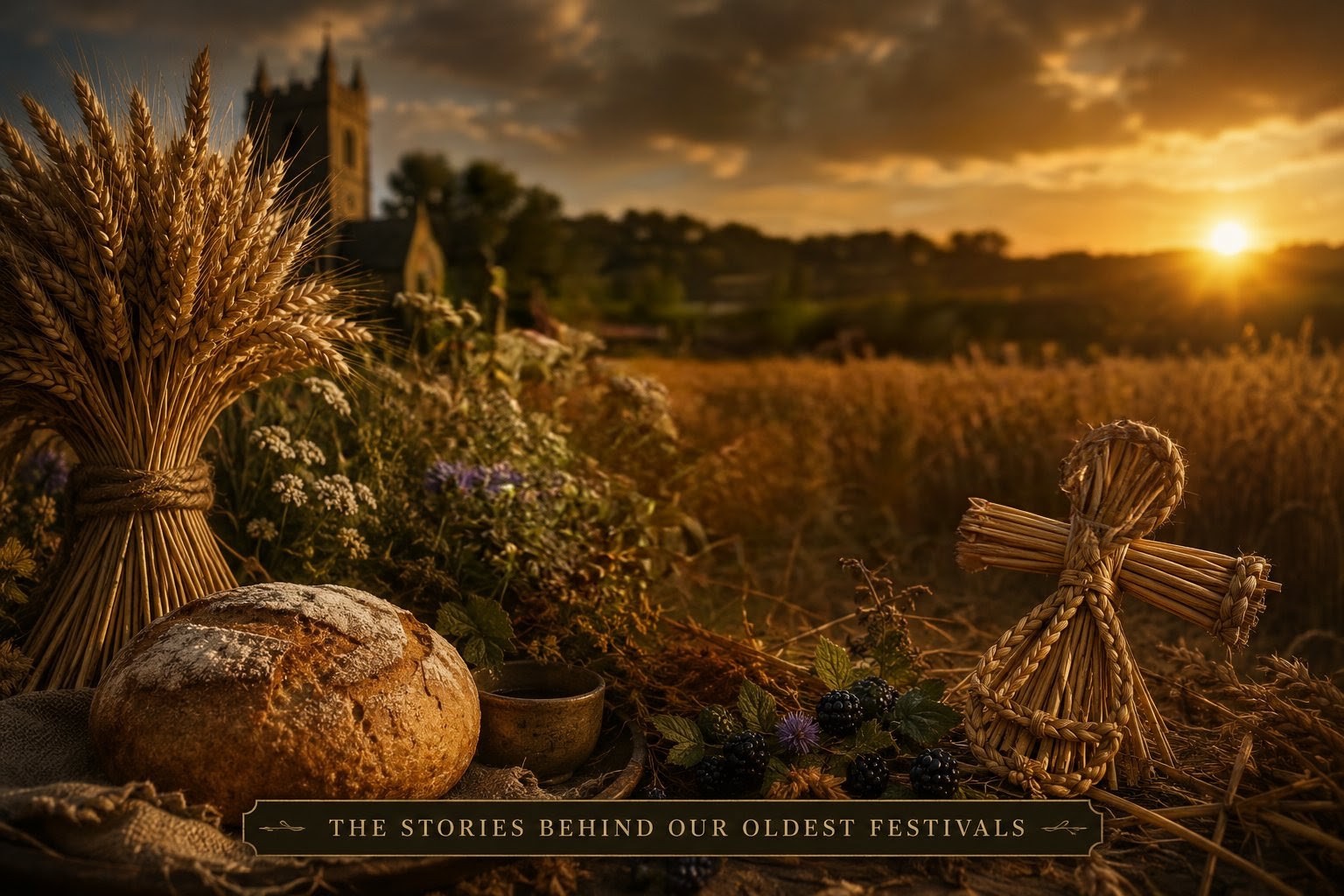
Lammas – The Bread That Bound a Community
Lammas, or Lughnasadh, marks the first harvest, symbolizing survival and community. Celebrated with bread offerings and gatherings, it intertwines gratitude for nature’s bounty with ancient customs, transitioning towards autumn.
Sharing's Caring!


The Story Trees
The post explores the significance of remarkable trees in Britain, highlighting their historical and community roles. Notable examples include the Capon Tree, symbolizing community unity, and the Ankerwycke Yew, embodying endurance and legend. These trees serve as reminders of shared stories and cultural heritage, emphasizing the importance of storytelling across generations.
Sharing's Caring!


The Chained Oak – The Curse That Refused to Die
“For every branch that falls from this old oak, a member of your family shall die.”
Sharing's Caring!

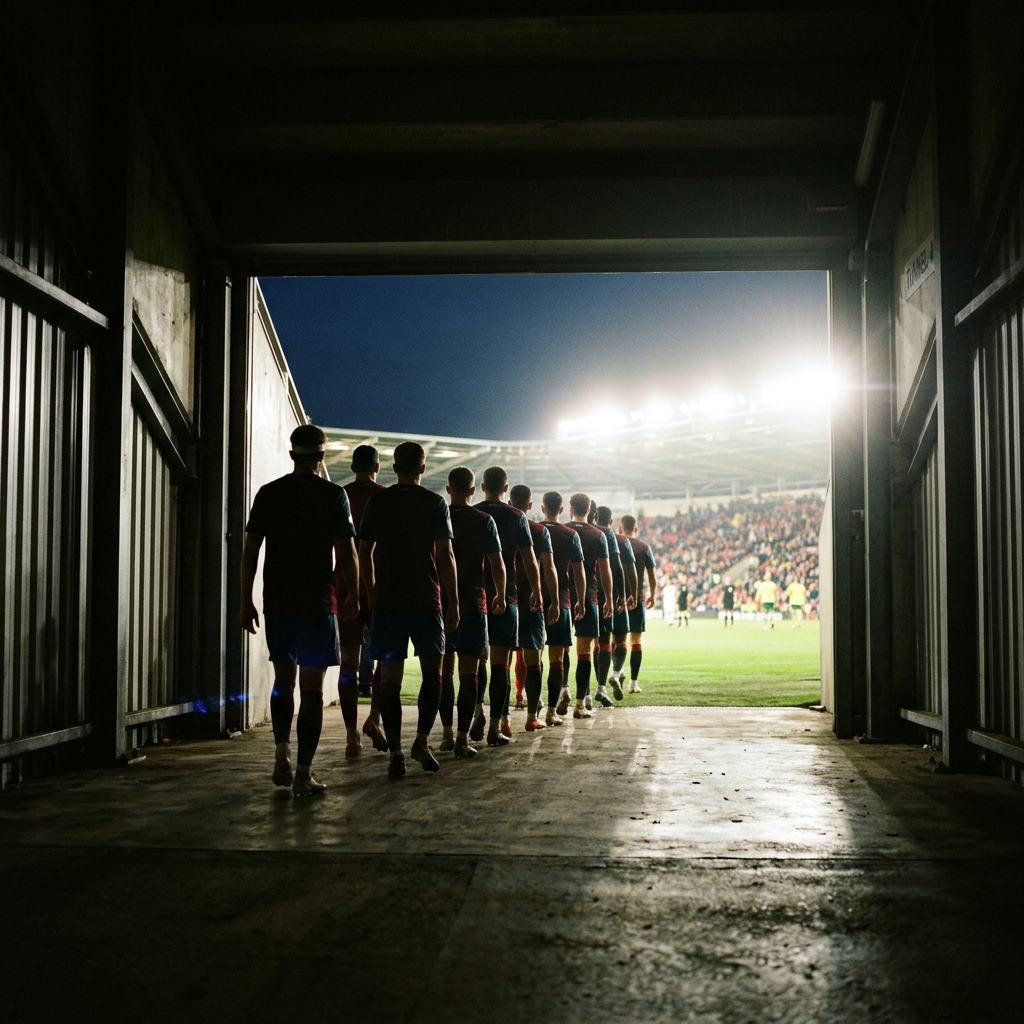
More Than a Game
The Superstitions, Rituals and Folklore of Football
Sharing's Caring!


The Three Lions
The Medieval Beast That Still Roars
Sharing's Caring!

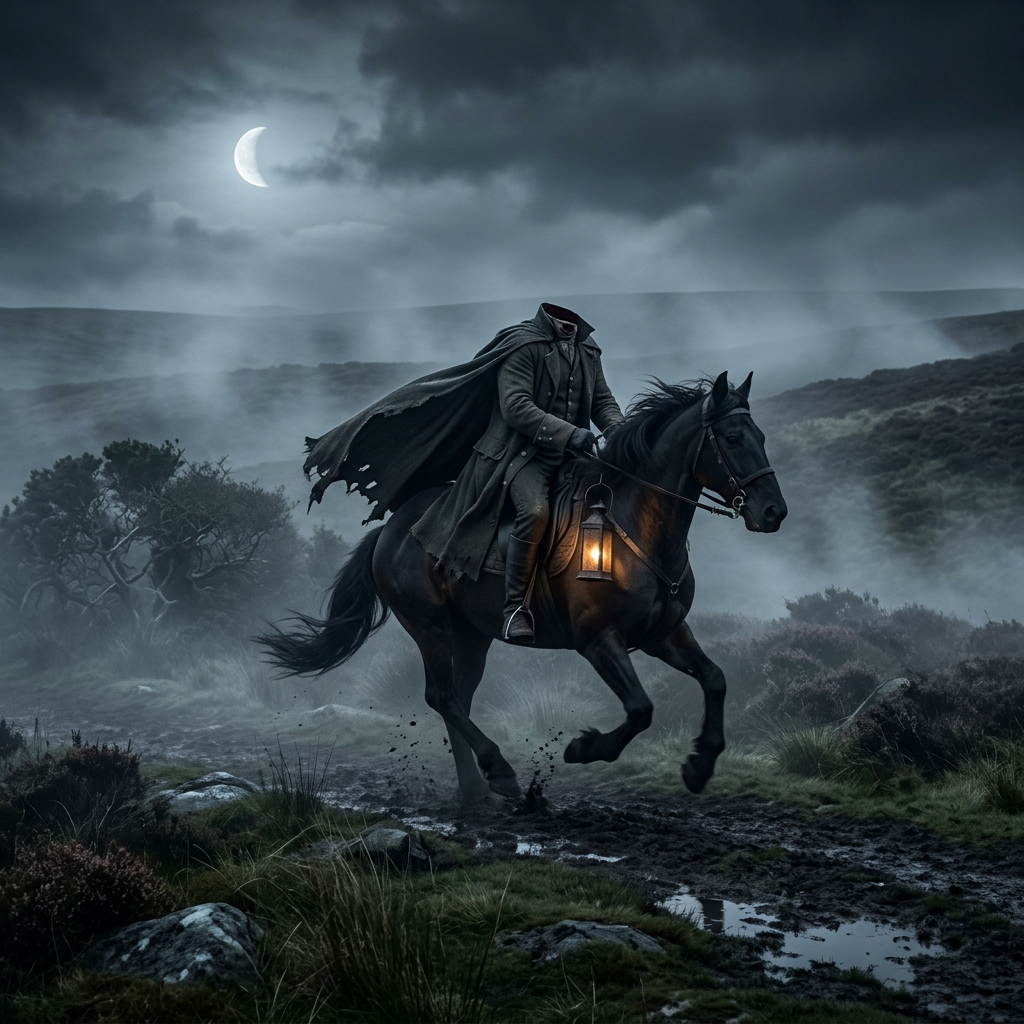
The Headless Horseman of the Staffordshire Moorlands.
“Count the heads before you climb aboard…”
Sharing's Caring!

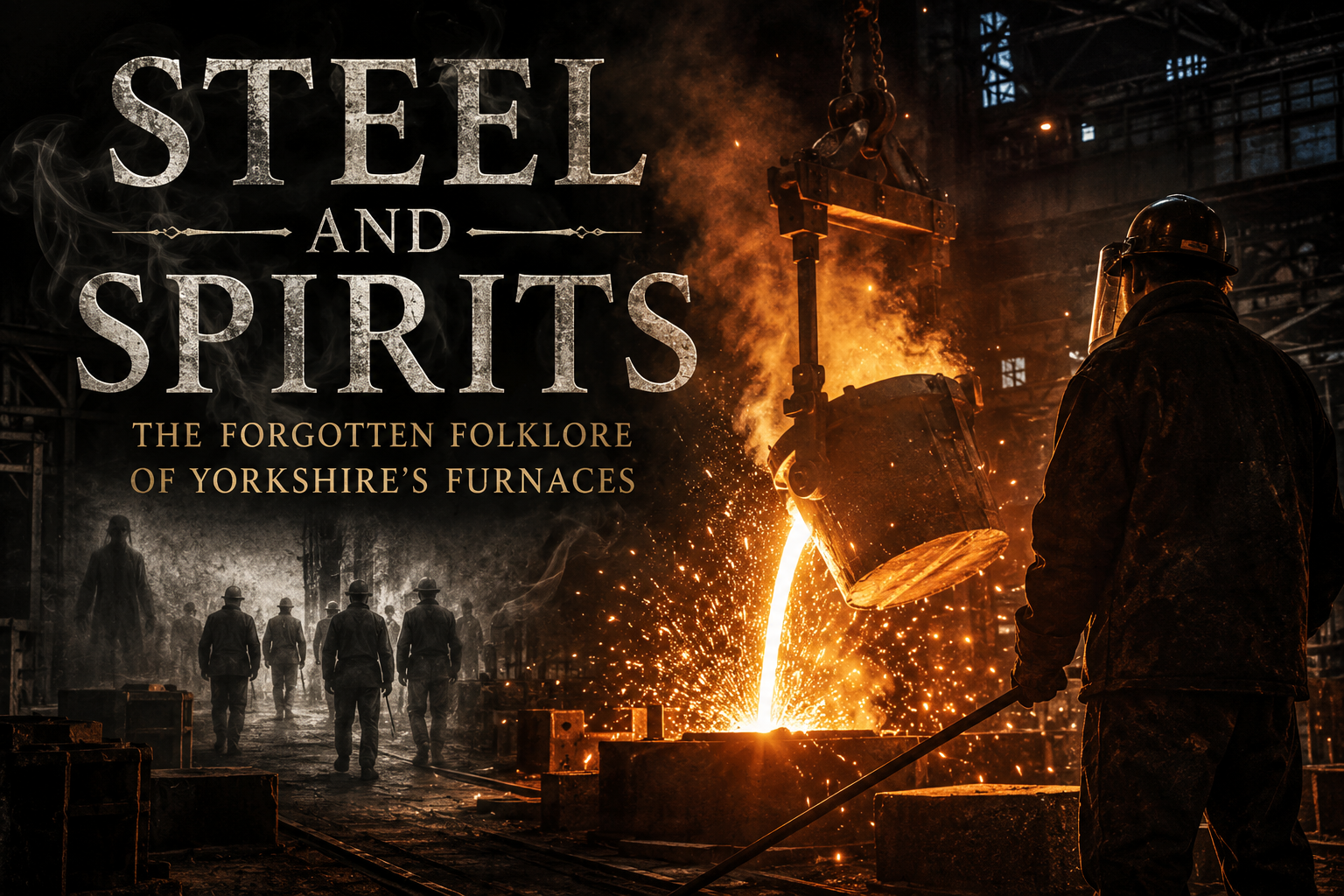
Steel & Spirits – The Forgotten Folklore of Yorkshire’s Furnaces
The steel industry shaped towns, communities and families. Yet, alongside the engineering, economics and industry there existed something else. Stories.
