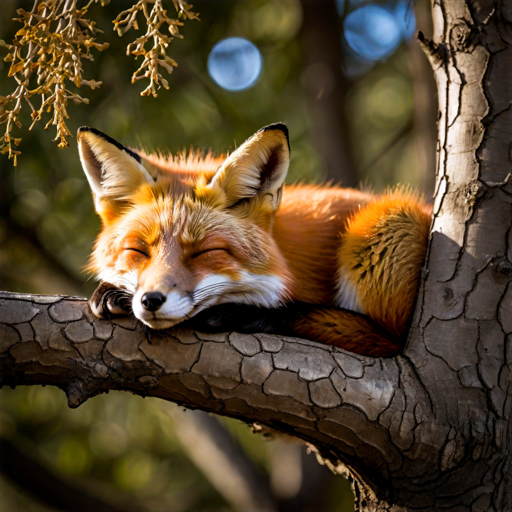
In the United Kingdom, the presence of foxes is a familiar sight in both urban and rural landscapes. These beautiful creatures, with their fiery red fur and piercing eyes, have carved out a niche in the British ecosystem and captured the imagination of city dwellers and countryside inhabitants alike.
In cities and towns, foxes have adapted remarkably well to human environments, making their dens in parks, gardens, and even under sheds. Their nocturnal prowling and distinctive calls are a common feature of urban nights, with sightings of foxes scavenging for food becoming increasingly frequent.
In rural areas, foxes play a vital role in controlling populations of small mammals like rabbits and rodents, helping to maintain the delicate balance of local ecosystems. However, they are also seen as pests by some farmers, who blame them for predating on livestock and poultry.
Foxes hold a special place in British folklore and literature, often depicted as cunning tricksters in stories and myths, earning them a reputation as symbols of both wisdom and deceit.
Our foxy friends have, however, inspired awe, fear, and reverence across other continents and throughout the ages, so since they are one of my favourite creatures, let us delve into the folklore, tradition, and superstition that surrounds these captivating creatures. Who knows? we may just learn something.
In many cultures, foxes are celebrated as symbols of cunning intelligence and adaptability, embodying the spirit of the trickster.
In Japanese folklore, the Kitsune, which translates to “fox” in Japanese, is believed to have originated from ancient Chinese mythology but has evolved into a distinctly Japanese entity over centuries .
These mystical fox spirits, revered for their cunning intelligence and shape-shifting abilities, are depicted as intelligent and magical beings capable of assuming human form, often to interact with humans or play tricks on unsuspecting mortals.
Shape-shifting is a central aspect of kitsune mythology, with these cunning creatures possessing the ability to transform into humans, animals, or even inanimate objects at will. They are typically depicted with multiple tails, with the number of tails representing their age, wisdom, and power. The most powerful kitsune are said to have as many as nine tails, while lesser fox spirits may have only one or two.
Kitsune play a variety of roles in Japanese folklore, ranging from benevolent guardians and messengers of the Shinto deity Inari to mischievous tricksters and seductive temptresses. They are often associated with rice, fertility, and prosperity, and are believed to bring good fortune to those who show them respect and reverence.
Despite their benevolent associations, kitsune are also capable of mischief and deception, using their shape-shifting abilities to play pranks on humans or lead them astray. Tales of kitsune bewitching unsuspecting travellers, possessing noblewomen, or exacting revenge on their enemies are common in Japanese folklore, serving as cautionary tales against the dangers of temptation and trickery.
The kitsune’s influence extends beyond folklore and mythology, permeating various aspects of Japanese culture, including literature, art, and religion.
Kitsune are a recurring motif in Japanese literature, appearing in classic works such as “The Tale of Genji” and modern manga and anime. In art, kitsune are often depicted in paintings, woodblock prints, and sculptures, their fox-like features and ethereal beauty captivating artists and audiences alike.
Kitsune hold a special place in the hearts and minds of the Japanese people, inspiring awe, reverence, and fear in equal measure.
In Native American mythology, foxes hold a special place as revered deities, tricksters, and guardians, embodying the duality of light and dark, good and evil.
From the Great Plains to the Pacific Northwest, foxes are depicted as powerful and multifaceted beings with the ability to shape-shift, outwit adversaries, and navigate the complexities of the natural and supernatural worlds.
Known by different names and with varying characteristics depending on the tribe and region, these cunning beings are often portrayed as mischievous yet ultimately benevolent spirits who challenge authority, disrupt social norms, and teach important lessons through their antics.
In Lakota mythology, the fox is known as “Tokála,” which translates to “fox” in the Lakota language. Similarly to the folklore of the Ojibwe people, Tokála the fox is celebrated as a cunning and resourceful figure who uses his wits, intelligence and resourcefulness to outwit larger and more powerful animals to overcome obstacles and achieve his goals to survive in a harsh and unforgiving world.
In Haida mythology, foxes hold a prominent place as revered beings with supernatural powers and profound significance. These cunning creatures, known as “Guhl’haan,” are revered as guardians of the forests and keepers of wisdom, playing a vital role in Haida culture and spirituality. They are intelligent and mystical beings with the ability to shape-shift and traverse between the human and animal worlds and are often depicted with striking red fur and piercing eyes, symbols of their connection to the natural world and their affinity for the forests. They are also believed to possess supernatural powers, including the ability to communicate with other animals, navigate through dense forests with ease, and provide guidance and protection to those who show them reverence.
In Haida culture, Guhl’haan serve as symbols of wisdom, adaptability, and the interconnectedness of all living beings. They are revered as guardians of the forests and the creatures that dwell within them, ensuring the balance and harmony of the natural world.
Guhl’haan are also associated with the transmission of knowledge and spiritual guidance. According to Haida mythology, foxes are often depicted as wise teachers who impart valuable lessons and insights to those who seek their counsel. They are seen as repositories of ancient wisdom, possessing the knowledge of the ages and the secrets of the natural world.
The reverence for Guhl’haan is deeply ingrained in Haida culture and spirituality, with foxes playing a central role in art, storytelling, and traditional ceremonies. Depictions of foxes can be found in Haida totem poles, carvings, and artwork, and stories and teachings about Guhl’haan are passed down from generation to generation, reinforcing the importance of respecting and honouring the wisdom of the foxes and the natural world they represent.
In Navajo tradition, foxes are known as “Áłtsé hashké,” which translates to “the red animal,” and are often associated with the changing seasons and the cycles of nature, embodying the spirit of renewal and transformation. Áłtsé hashké is believed to possess protective powers and is revered as a guardian spirit that can ward off evil influences.
Offerings of food and tobacco are often made to fox spirits as a sign of respect and gratitude for their protective influence.
However, not all depictions of foxes are so benign. In European folklore, the fox is often associated with deceit and betrayal, its cunning nature earning it a reputation as a symbol of trickery and manipulation.
Tales of the sly Reynard the Fox abound in European folklore, depicting the fox as a wily and untrustworthy character who outsmarts his foes with ease. This cunning and charismatic trickster has been a central figure in European mythology for centuries, weaving a complex and captivating tale of wit, deception, and moral ambiguity.
Reynard the Fox first emerged as a character in medieval European literature, where he was depicted as a sly and cunning anthropomorphic fox who outwits his adversaries through cleverness and guile. His origins can be traced back to French, Dutch, and Germanic folktales, where he is known by various names such as “Reynard” in French, “Reinaert” in Dutch, and “Reineke” in German.
Despite his morally questionable actions, Reynard is often portrayed as a charismatic and even sympathetic figure, with his wit and charm endearing him to audiences despite his flaws. His cleverness knows no bounds, and he uses his intelligence to navigate the complexities of the medieval world, often outsmarting even the most powerful of foes.
In European mythology, Reynard the Fox serves as a symbol of both cunning intelligence and moral ambiguity. He is a trickster figure who challenges authority, disrupts social norms, and exposes the hypocrisy and corruption of those in power. Despite his mischievous nature, Reynard is also depicted as a complex and multi-dimensional character, capable of acts of heroism and selflessness alongside his more selfish pursuits.
Reynard’s adventures often serve as cautionary tales, teaching important lessons about the consequences of greed, deceit, and hubris. Through his exploits, he exposes the flaws and foibles of human nature, reminding audiences of the dangers of arrogance and the importance of humility and empathy.
The legacy of Reynard the Fox extends far beyond the medieval tales in which he first appeared, permeating various aspects of European culture and literature. His adventures have inspired countless works of art, literature, and theater, with adaptations and reinterpretations of his stories appearing in everything from illuminated manuscripts to modern novels and films. Reynard’s enduring popularity speaks to the timeless appeal of the trickster archetype and the fascination with characters who challenge authority and subvert expectations.
Despite their reputation as clever tricksters, foxes are also associated with omens of misfortune and impending doom in many cultures. In European folklore, encountering a fox crossing one’s path was believed to bring bad luck or even death. This superstition likely stems from the fox’s nocturnal habits and its association with darkness and the unknown. Similarly, in some regions of Africa, the cry of a fox at night is considered an omen of disaster, signalling the presence of malevolent spirits or impending danger.
Superstitions surrounding foxes extend beyond mere sightings, encompassing a wide range of behaviours and characteristics. In Chinese culture, for example, the fox is associated with the element of fire and is believed to possess the power to bewitch or possess humans. Tales of fox spirits seducing unsuspecting mortals abound in Chinese mythology, serving as cautionary tales against the dangers of temptation and deception.
As if all this foxy cunningness wasn’t enough, foxes are also often deeply intertwined with rituals and symbolism in various cultures.
In Celtic folklore, the fox is associated with the Otherworld, a realm of magic and mystery beyond the veil of ordinary perception, inspiring a myriad of symbols, rituals, and tales that endure to this day.
As in most other cultures, the Celts tradition, often associated foxes with cunning intelligence, adaptability, and the ability to navigate the complexities of the natural world. They are revered as symbols of wisdom and intuition, with their keen senses and sharp wit serving as inspiration for seekers of knowledge and truth.
Foxes are also seen as guardians and protectors in Celtic culture, watching over the land and its inhabitants with a watchful eye. Their nocturnal habits and elusive nature make them mysterious figures, embodying the mystical and magical aspects of the natural world.
Foxes play a significant role in Celtic rituals and ceremonies, where they are often invoked as symbols of guidance and protection. In ancient times, Celtic tribes would offer prayers and sacrifices to fox spirits as a way of honouring their wisdom and seeking their favour.
Foxes are also associated with certain festivals and holidays in Celtic tradition, particularly those that celebrate the changing of the seasons and the cycles of nature. In some rituals, fox masks or costumes are worn as a way of channelling the energy and spirit of the fox into the ceremony.
Throughout Celtic folklore, foxes appear in a variety of tales and myths, where they are often depicted as cunning tricksters and shape-shifters. One of the most famous Celtic tales featuring foxes is the story of “Finn McCool and the Fox,” in which the hero Finn encounters a clever fox who outwits him at every turn.
In another tale, the fox is depicted as a guardian spirit who leads travellers through the forest and protects them from harm.
The reverence for foxes in Celtic culture continues to resonate in modern times, where they are celebrated as symbols of wisdom, adaptability, and the enduring connection between humans and the natural world. Through their symbolism, rituals, and folklore, foxes serve as a reminder of the profound interconnectedness of all living beings and the timeless wisdom of the Celtic tradition.
Amidst the towering gods and fearsome beasts of Norse mythology, the fox holds a special place as a symbol of cunning intelligence and mystical prowess. Playing a multifaceted and significant role in the myths and legends of the Norse people, our foxy friend is often associated with Loki, the trickster god and shape-shifter who embodies chaos and unpredictability. Loki is frequently depicted as taking on the form of a fox in his various exploits, using his cunning and guile to outsmart his enemies and navigate the complexities of the divine realm.
The fox is also associated with certain Norse deities, such as Freyja, the goddess of love, beauty, and fertility, who is said to ride in a chariot drawn by foxes. These mystical creatures are believed to possess magical powers and are revered as symbols of fertility and abundance.
In Norse mythology, foxes serve as symbols of both cunning intelligence and spiritual insight. They are revered as guardians of the natural world, watching over the forests and the creatures that dwell within them with a watchful eye. Their keen senses and sharp wit make them invaluable allies and guides for those who seek wisdom and enlightenment.
Foxes are also associated with trickery and deceit here, as in the other cultures, embodying the unpredictable and chaotic forces of nature. They are capable of shape-shifting and assuming various forms, using their cunning to outwit adversaries and achieve their goals.
Throughout Norse folklore, foxes appear in a variety of tales and myths, where they are often depicted as cunning tricksters and shape-shifters. In one tale, Loki takes on the form of a fox to evade capture by his enemies, leading them on a wild chase through the forests and mountains.
In another story, the fox is depicted as a wise and benevolent creature who offers guidance and protection to those who show it reverence.
The reverence for foxes in Norse mythology continues to resonate in modern times, where they are celebrated as symbols of cunning intelligence, adaptability, and the enduring connection between humans and the natural world.
In conclusion, the similar omens, traditions, and folklore surrounding foxes seem to reflect the deep and complex relationship between humans and nature across the world. Whether revered as symbols of wisdom and cunning or feared as harbingers of misfortune and deceit, foxes continue to captivate and intrigue us with their mysterious nature – and long may they continue!





Leave a Reply