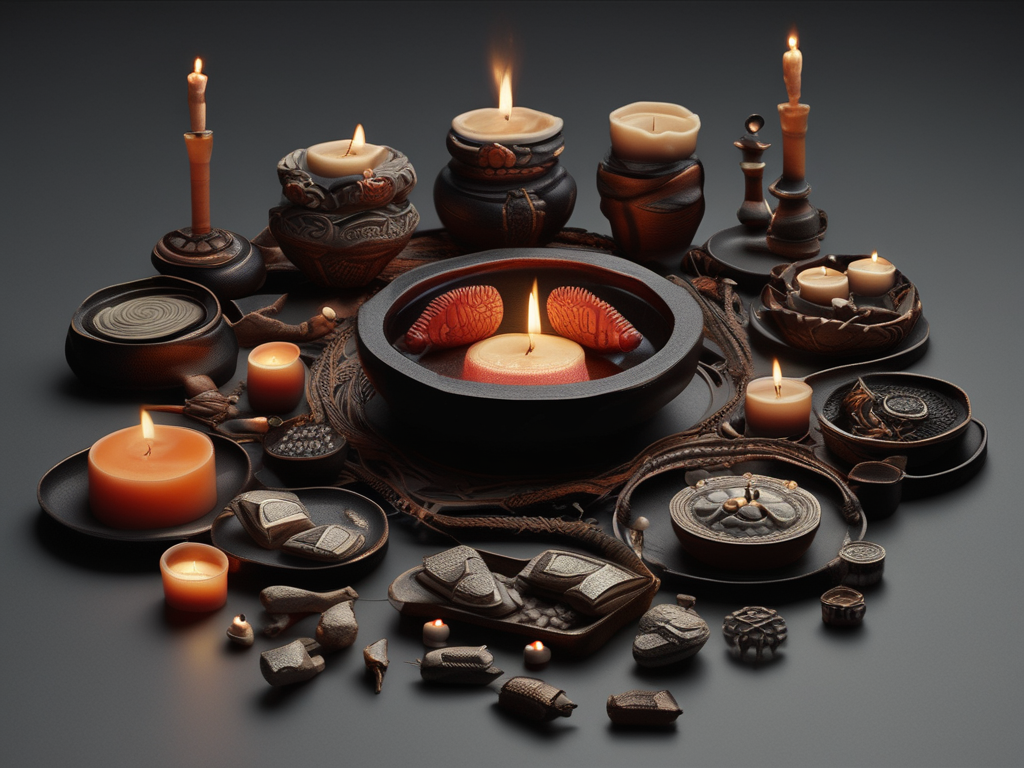
Rituals are fascinating, intricate parts of human life that go far beyond mere routine. They’re composed of specific actions or behaviors performed in a set order, often loaded with symbolic meaning and cultural importance. You can find them in every society, serving a myriad of functions such as reinforcing social bonds, expressing deeply held beliefs, marking life transitions, or aiming for specific outcomes.
Religious rituals, for instance, are some of the most recognizable. Think about the act of prayer, fasting during certain holy periods, or even making offerings. These rituals are a way to connect with the divine, express faith, and seek spiritual growth. They’re often laden with symbolism – like candles representing light, incense symbolizing purification, or holy water used in blessings.
Then there are the life-cycle rituals that mark significant moments in a person’s journey. Birth, puberty, marriage, and death are all occasions typically surrounded by ceremony. These rites of passage, such as baptisms, weddings, and funerals, help individuals and their communities navigate changes in social status or roles. They provide a sense of structure and meaning during times of transition.
Seasonal and calendar rituals are closely tied to natural cycles or the changing seasons. New Year celebrations, harvest festivals, and solstice observances are just a few examples. These rituals often serve to remind us of our connection to nature and the passing of time, providing a rhythm to the year that everyone can share in.
Rituals are also deeply embedded in the social and cultural fabric of communities. National holidays, parades, and communal feasts are practices that bring people together, strengthening community bonds and reinforcing shared identities. Even within families and smaller social groups, rituals play a vital role in maintaining relationships and traditions.The components of rituals are rich and varied. Symbols are a key element, with specific objects, actions, or phrases holding unique meanings. Ritual spaces can range from sacred places like temples and churches to special natural sites or even the home. The participants, whether they are priests, shamans, family members, or the entire community, each play a specific role. And there’s always a prescribed sequence of actions and words that must be followed to achieve the ritual’s intended purpose.
The functions of rituals are numerous. They foster social cohesion by providing shared experiences that strengthen community bonds. They play a crucial role in cultural transmission, passing down traditions, values, and beliefs from one generation to the next. Psychologically, rituals can offer comfort, structure, and a sense of control, especially during times of uncertainty or change.
From an academic perspective, rituals are studied through various lenses. Anthropologists look at them to understand their role in maintaining social order and transmitting culture. Psychologists explore the effects of rituals on mental health and stress relief. Sociologists examine how rituals contribute to societal functioning and create a sense of belonging. Scholars of religious studies delve into the theological and spiritual dimensions of rituals, their origins, and their significance within religious traditions.
Modern life has seen the adaptation and evolution of rituals. Secular rituals like graduation ceremonies, birthday parties, and even daily routines like morning coffee have become important. In multicultural societies, hybrid rituals blend elements from multiple cultures or religious traditions, reflecting the dynamic nature of human societies.
Superstition rituals are practices believed to influence fortune or fate, even though they lack scientific foundation. Here are some examples from various cultures:
- Knocking on Wood: To ward off bad luck after making a positive statement.
- Throwing Salt Over the Shoulder: To ward off evil spirits and bad luck.
- Crossing Fingers: For good luck or to invoke protection.
- Avoiding Walking Under Ladders: To avoid bad luck, as it disrupts the trinity (triangle shape).
- Breaking a Mirror: Believed to bring seven years of bad luck.
- Carrying a Rabbit’s Foot: As a charm for good luck.
- Wishing on a Star: Making a wish upon seeing the first star at night.
- Blowing Out Birthday Candles: Making a wish while blowing out all candles in one breath.
- Hanging a Horseshoe: Over a door for good luck.
- Opening Umbrellas Indoors: Believed to bring bad luck.
- Black Cats Crossing Your Path: Often considered a bad omen.
- Spilling Salt: Countered by throwing a pinch over the left shoulder.
- Finding a Four-Leaf Clover: Seen as a sign of good fortune.
- Saying “Bless You” When Someone Sneezes: To protect the soul from evil spirits.
- Itching Palm: Believed to signify coming money (right hand) or loss of money (left hand).
- Friday the 13th: Considered an unlucky day in Western culture.
- Wearing Red: In some cultures, red is worn to ward off evil and bring good luck.
- Carrying Amulets: Various objects like talismans or lucky stones believed to bring protection and good luck.
- Dream Interpretation: Believing that dreams can predict future events or provide omens.
- Avoiding Certain Numbers: For instance, the number 4 is considered unlucky in some Asian cultures because it sounds like the word for “death.”
These rituals often vary by region and culture, reflecting deep-rooted beliefs and traditions.
Rituals are more than just habits or customs; they are a profound part of our human experience, shaping and reflecting our identities. They connect us to our past, our communities, and often to something greater than ourselves. Whether through religious ceremonies, life milestones, or everyday routines, rituals provide structure and meaning, making the abstract aspects of life tangible and shared.


Leave a Reply