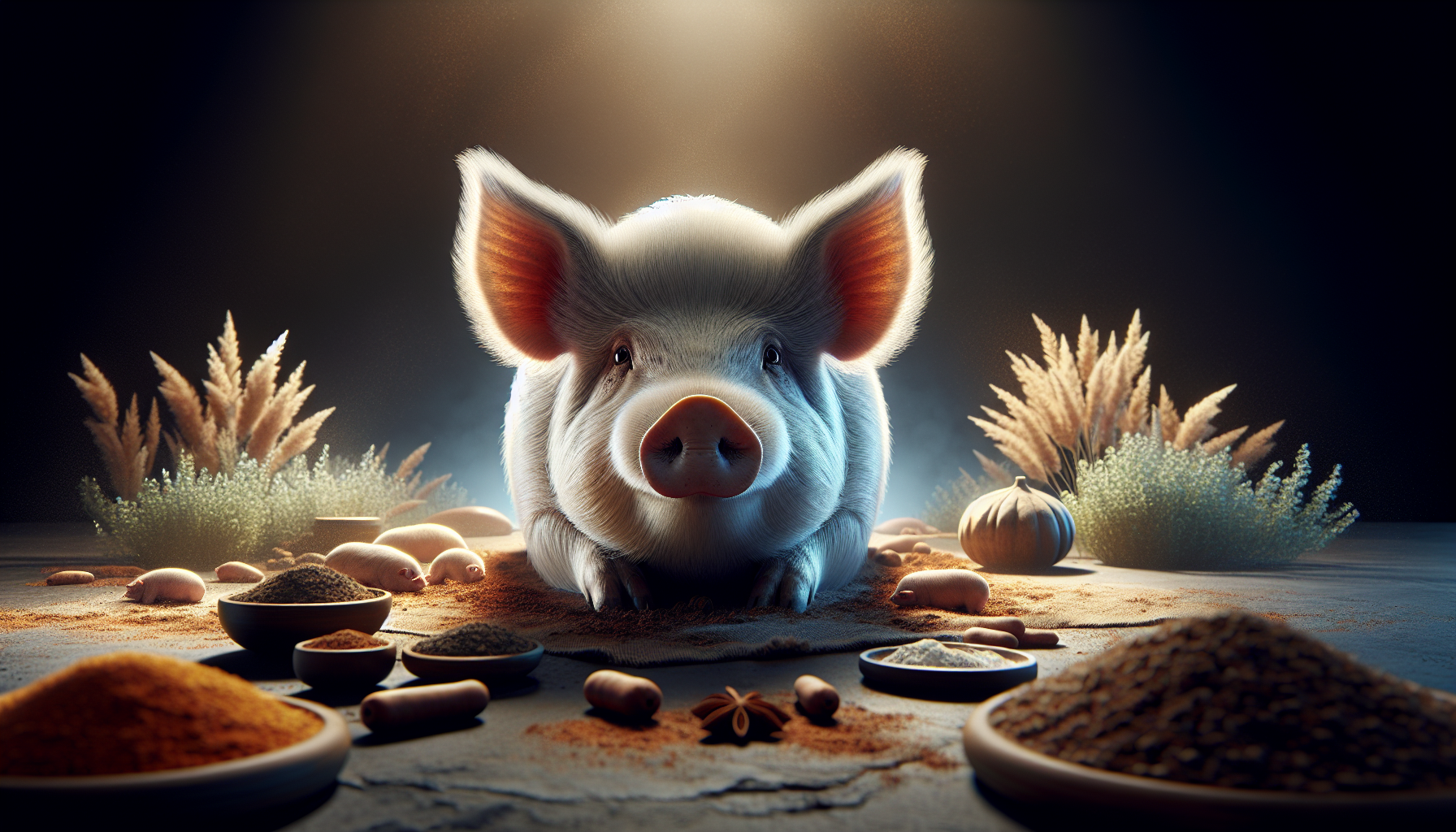
Pigs have played a significant role in human culture, traditions, folklore, and popular culture globally.
Their evolution, symbolic meanings, and associated superstitions offer a plethora of insights into human-animal relationships.
Pigs (or Sus scrofa if we are being all scientific) are believed to have been domesticated around 9,000 years ago in multiple locations, including Southeast Asia and the Near East.
These early domestic pigs were derived from wild boars – as you may have guessed – and have since undergone significant changes through selective breeding, leading to the various breeds we see today.
Pigs have been valued for their adaptability, rapid growth, and omnivorous diet, making them integral to agricultural societies.
In Celtic mythology, pigs are associated with fertility, abundance, and prosperity. They appear frequently in mythological tales as sacred animals connected to gods and goddesses.
In Norse mythology, the boar Gullinbursti, associated with the god Freyr, symbolises fertility and protection.
Pigs are one of the twelve animals in the Chinese zodiac. The Year of the Pig is believed to bring wealth and prosperity. In Chinese culture, pigs symbolise good fortune and happiness.
In Japan, the boar (inoshishi) represents courage and determination. It is one of the animals of the Japanese zodiac, similar to the Chinese zodiac but with slight variations, the biggest difference being that it’s Japanese and not Chinese.
Both Judaism and Islam have dietary laws that prohibit the consumption of pork, viewing pigs as unclean animals. This prohibition has influenced cultural attitudes and practices regarding pigs in these regions.
In some African cultures, pigs are viewed with a mixture of reverence and taboo. They can be symbols of wealth and fertility, but also of gluttony and uncleanliness.
Pigs were introduced to the Americas by European settlers. Some Native American folklore adapted pigs into their stories, often highlighting their foreign nature and the changes they brought to indigenous ways of life.
In many European cultures, pigs are symbols of good luck. The phrase “living high on the hog” refers to prosperity, as the best cuts of pork come from the higher parts of the animal.
The concept of piggy banks stems from the association of pigs with wealth and savings.
In Chinese culture, dreaming of pigs can signify impending wealth and good luck. During the Chinese New Year, images of pigs are used to attract good fortune for the coming year.
In some cultures, pigs are believed to have the power to ward off evil spirits. Pig figurines and symbols are sometimes placed in homes and fields for protection.
In rural folklore, pigs’ behaviour has been used to predict weather. For example, if pigs gather straw, it might indicate an approaching storm. I assume this to mean when the pigs pick up straw in their mouths and add it to their beds and doesn’t have anything to do with pigs driving to the straw merchant in a tractor – but it’s a great visual. You’re welcome.
Pigs have a prominent place in modern popular culture, featuring in literature, film, television, and media. They are beloved characters in children’s stories. “Charlotte’s Web” by E.B. White features Wilbur, a pig who forms a friendship with a spider named Charlotte and the “Olivia” series by Ian Falconer centres around a lively piglet named Olivia – I haven’t read either so I can’t do you a review.
Characters like Porky Pig from Warner Bros.’ Looney Tunes, Miss Piggy from The Muppets, and Peppa Pig from the British animated series of the same name reflect their enduring place in entertainment. These characters have become iconic and beloved by audiences worldwide, except me, it seems.
The movie “Babe” features a pig who defies expectations by becoming a sheepdog. This film won critical acclaim and brought further attention to pigs in popular culture.
The image of the porker is often used in marketing and advertising, symbolising everything from wealth (piggy banks) to culinary delight (food products).
In summary, pigs have a massive presence in human history and culture, symbolising everything from fertility and prosperity to uncleanliness and taboo, depending on the cultural context. Their rich symbolism and the traditions surrounding them highlight the deep and varied connections humans have with these animals, further enriched by their representation in popular culture.
We will finish with a quote from Bricktop, who in case you don’t know him describes himself as..
“A righteous infliction of retribution manifested by an appropriate agent.” Personified in this case by an ‘orrible c*nt: Me”
“They (pigs) will go through bone like butter. You need at least sixteen pigs to finish the job in one sitting, so be wary of any man who keeps a pig farm. They will go through a body that weighs 200 pounds in about eight minutes. That means that a single pig can consume two pounds of uncooked flesh every minute. Hence the expression: “as greedy as a pig”.
Wise words indeed..
credits:
Article researched using AI sources ( you know? Google? Books?). I also used AI to check spelling and context. AI didn’t like the quotes at the end. AI said they were unprofessional. I left them in anyway.
Art created by AI due to the fact I didn’t have time to go and find a pig to take pictures. Don’t judge me. We are more than happy to showcase people’s art – send me your piggy pics :).
Bricktop quotes from Guy Richie’s Lock, Stock and Two Smoking Barrels. Great film.




Leave a Reply