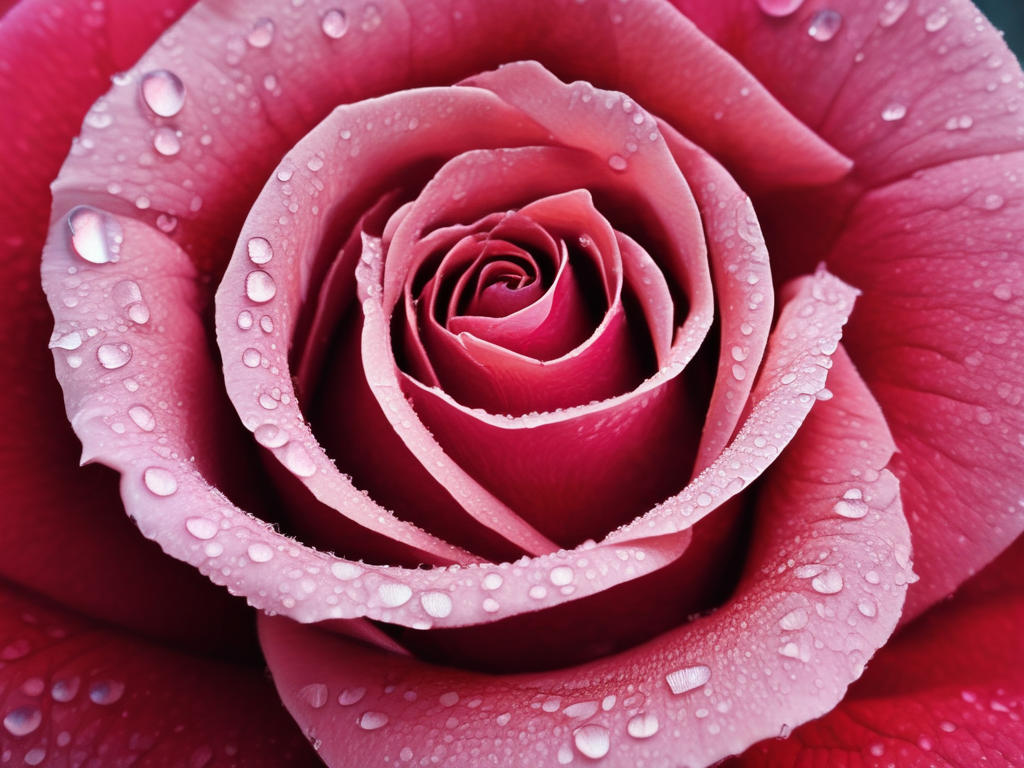
Roses, with their exquisite petals and captivating fragrance, have enchanted humanity for millennia, becoming mainstays of folklore, legends, tales, and medicinal uses across many cultures.
In mythology and folklore, roses symbolize love, beauty, and spirituality. In Greek mythology, the rose is associated with Aphrodite, the goddess of love, who is said to have created the flower from the tears and blood of her beloved Adonis. This mythological origin not only lends the rose its association with romance and passion but also imbues it with a sense of divine beauty and eternal love.
In Christian tradition, the red rose is often seen as a symbol of the Virgin Mary’s purity and the blood of Christ, signifying martyrdom and spiritual sacrifice.
Across ancient Persian and Middle Eastern cultures, roses have been celebrated in poetry and literature as symbols of love and longing. The Persian poet Saadi’s “Gulistan,” or Rose Garden, uses roses as metaphors for beauty, wisdom, and the fleeting nature of life.
In folklore from various parts of the world, roses appear in tales of magic and transformation, such as in “Beauty and the Beast,” where a magical rose symbolizes the unfolding love story between Beauty and the Beast, representing hope, growth, and the passage of time.
Beyond their symbolic significance, roses have practical uses in traditional medicine and culinary arts. Rose water, distilled from rose petals, has been prized since ancient times for its soothing properties and is used in skincare routines and aromatherapy to promote relaxation and rejuvenation.
In herbal medicine, rose hips—the fruit of the rose plant—are rich in vitamin C and antioxidants, supporting immune health and skin vitality. Rose hips are brewed into teas, made into jams, or taken as supplements to boost overall well-being.
Culturally, roses convey a spectrum of meanings through their colors:-
Red roses symbolize passionate love, white roses represent purity and innocence, yellow roses signify friendship and joy, and pink roses convey admiration and gratitude.
These symbolic meanings are often woven into rituals and celebrations, such as weddings, anniversaries, and Valentine’s Day, where roses are exchanged as tokens of affection and appreciation.
Practically, roses also find their way into cuisine, where their petals are used to flavor desserts, jams, and teas. In Middle Eastern and South Asian cuisines, rose water adds a delicate floral essence to sweets like Turkish delight and Indian desserts, enhancing their flavor and aroma.
In essence, roses have transcended mere botanical beauty to become potent symbols of love, spirituality, and cultural richness worldwide.




Leave a Reply