In Japanese folklore, demons and supernatural creatures play a significant role, blending the line between myth, spirituality, and cultural history. Among these entities, the figure of the “demon woman” or “onna oni” stands out as one of the most compelling. Representations of these demon women vary, ranging from tragic figures of betrayal to ruthless, bloodthirsty monsters. Their stories are as diverse as they are chilling, speaking to deeper themes of fear, retribution, love, and the position of women in Japanese society.
A central theme that unites many tales of demon women is transformation. Often, these women were once ordinary human beings who experienced extreme circumstances, resulting in their transformation into demonic beings. This idea of transformation is powerful because it reflects a loss of humanity—whether through betrayal, anger, or jealousy—and the manifestation of these emotions as physical changes. The appearance of these women changes drastically, often becoming grotesque or terrifying to match the internal corruption or pain they’ve endured.
One of the most famous stories of a demon woman is that of the “Yamauba.” Yamauba is depicted as an old woman who lives deep in the mountains, far from human civilization. At first glance, she seems like an innocent, if mysterious, elderly figure. However, in many versions of the story, she is a malevolent creature with a taste for human flesh. She preys on travelers who wander into her mountain domain, luring them with the promise of hospitality, only to reveal her monstrous nature when it is too late for escape. What makes Yamauba particularly interesting is her connection to the elements. As a figure who resides in the mountains and is associated with nature, she can be seen as a reflection of the untamed, wild aspects of the natural world—something both feared and respected in Japanese culture.
The figure of the Yamauba may have originated in real social conditions. During the Edo period, Japan experienced various famines and social upheavals. As a result, families would sometimes abandon elderly relatives who could no longer contribute to the household’s survival. These elderly women, left alone in the wilderness, may have been the source of the Yamauba legend. The demonization of these women could be interpreted as a societal coping mechanism for the guilt and horror of abandoning family members. Yamauba, therefore, embodies both the tragic consequences of survival in times of hardship and the fear of the wild, unknown places outside society’s boundaries.
Another well-known demon woman in Japanese folklore is the “Jorogumo.” The Jorogumo is a spider demon that can transform into a beautiful woman. In many stories, she uses her beauty to seduce young men, leading them to her lair where she ensnares them in her webs, both literally and metaphorically. The Jorogumo represents a different kind of fear than Yamauba: she symbolizes the dangerous allure of beauty and the fear of seduction. In a patriarchal society, the Jorogumo plays on anxieties about female sexuality and the loss of control men might experience under its influence. Her ability to shift between human and spider form highlights the duality of her nature—she is both seductive and predatory, drawing a stark contrast between outward appearances and hidden dangers.
The Jorogumo legend can be read as a warning about the dangers of desire, especially uncontrolled or taboo desires. Young men in these stories often meet their doom because they are unable to see beyond the Jorogumo’s beauty, falling victim to their own lust. However, the legend can also be seen as empowering for women, as it provides a space in which female figures hold power and control over men, inverting traditional gender roles. This duality—of being both a figure of fear and power—makes the Jorogumo a complex and fascinating demon woman in the folklore landscape.
Beyond individual figures like Yamauba and Jorogumo, there is the broader concept of the “kijo,” or female demon, which is a recurring archetype in Japanese myth. Kijo are often depicted as having once been human women, but through some tragedy or intense emotional experience, they transform into demonic creatures. The causes of this transformation vary—sometimes it is jealousy, other times anger or a desire for revenge—but the result is always the same: the woman loses her humanity and becomes a kijo.
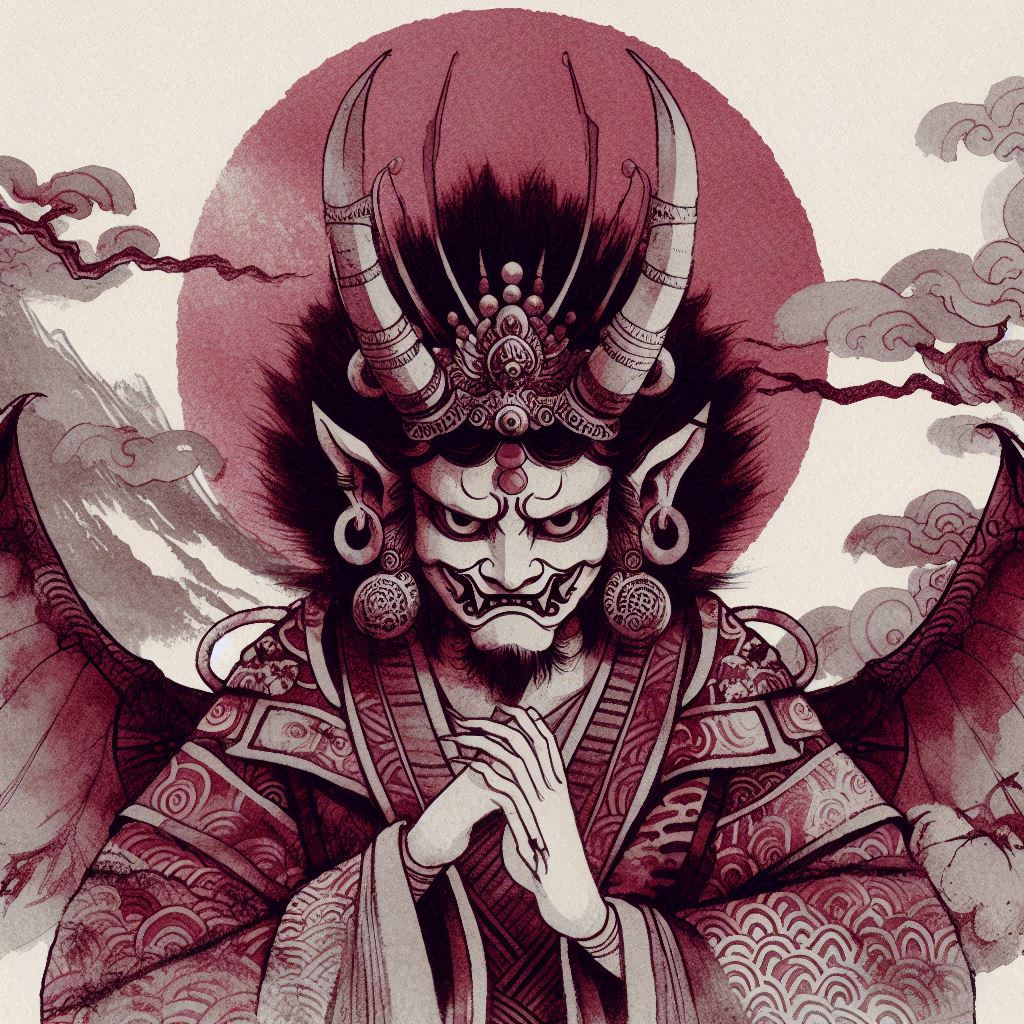
One of the most famous kijo is the story of “Hannya,” a demonic woman who is often depicted wearing a grotesque mask with horns, sharp fangs, and bulging eyes. The Hannya mask, used in Noh theatre, represents a woman who has been driven mad by jealousy and has transformed into a demon. In one famous Noh play, a woman becomes a Hannya after discovering that her lover has been unfaithful. Her intense jealousy and rage twist her soul, turning her into a fearsome being. What makes Hannya particularly tragic is that she is often portrayed as still being tormented by her human emotions. Despite her monstrous form, she is a figure of pity as much as fear, consumed by emotions she cannot control.
This depiction of Hannya is fascinating because it captures the idea of a person being destroyed by their own emotions. The transformation from woman to demon is not a voluntary one; it is a consequence of overwhelming feelings that cannot be contained. The Hannya legend speaks to the broader cultural anxieties about the destructive power of unchecked emotions, particularly those associated with women. The Hannya figure is a powerful metaphor for the dangers of suppressed desires and the societal pressures that force women into emotional extremes.
These legends of demon women in Japanese folklore are not merely stories of horror or supernatural occurrences. They reflect deep societal and cultural concerns, particularly around the role and power of women. Many of these stories, such as those of Yamauba, Jorogumo, and Hannya, revolve around women who have been wronged, abandoned, or marginalized by society. Their transformation into demons can be seen as a response to the injustices they’ve faced. In this way, the demon woman can be interpreted as a symbol of resistance—a manifestation of the rage and pain that comes from being pushed to the fringes of society.
At the same time, these legends also play into fears about female power and sexuality. Many of the demon women, like Jorogumo, are dangerous precisely because they embody traits that are traditionally associated with femininity—beauty, allure, and seduction—but twist them into something deadly. In a patriarchal society, where men are expected to maintain control and authority, the figure of a beautiful woman who uses her attractiveness to entrap and destroy men would have been a potent source of anxiety. These stories act as cautionary tales about the dangers of giving in to temptation and the potential consequences of underestimating women.
In the end, the demon women of Japanese folklore are not one-dimensional villains. They are complex figures who evoke both fear and sympathy. Their stories reflect not only supernatural horror but also the very real human emotions and societal issues that existed in the times and cultures from which they emerged. Whether as tragic victims of circumstance or as terrifying manifestations of suppressed desires, these women continue to captivate the imagination, embodying the darker side of both human nature and society.
Through their legends, we see a reflection of the complexities of gender, power, and emotion in traditional Japanese society, making them some of the most enduring and fascinating figures in the vast pantheon of Japanese folklore. These demon women are more than just monsters; they are symbols of transformation, resistance, and the multifaceted nature of the human experience, which continues to resonate with audiences even in modern times.