Spiders. Just the word sends a shiver down my spine. I know I’m not alone in this. Spiders seem to have a knack for stirring up fear in even the bravest among us.
But here’s the thing: despite their tiny size and mostly harmless nature spiders have captured the human imagination for centuries. And not always in the “run-for-your-life” way that arachnophobes like me experience.
Across the globe spiders have been tangled up in folklore mythology and superstition in ways that are as fascinating as they are creepy. Let’s take a tour around the world and see how different cultures have spun their own webs of superstition around these eight-legged creatures.
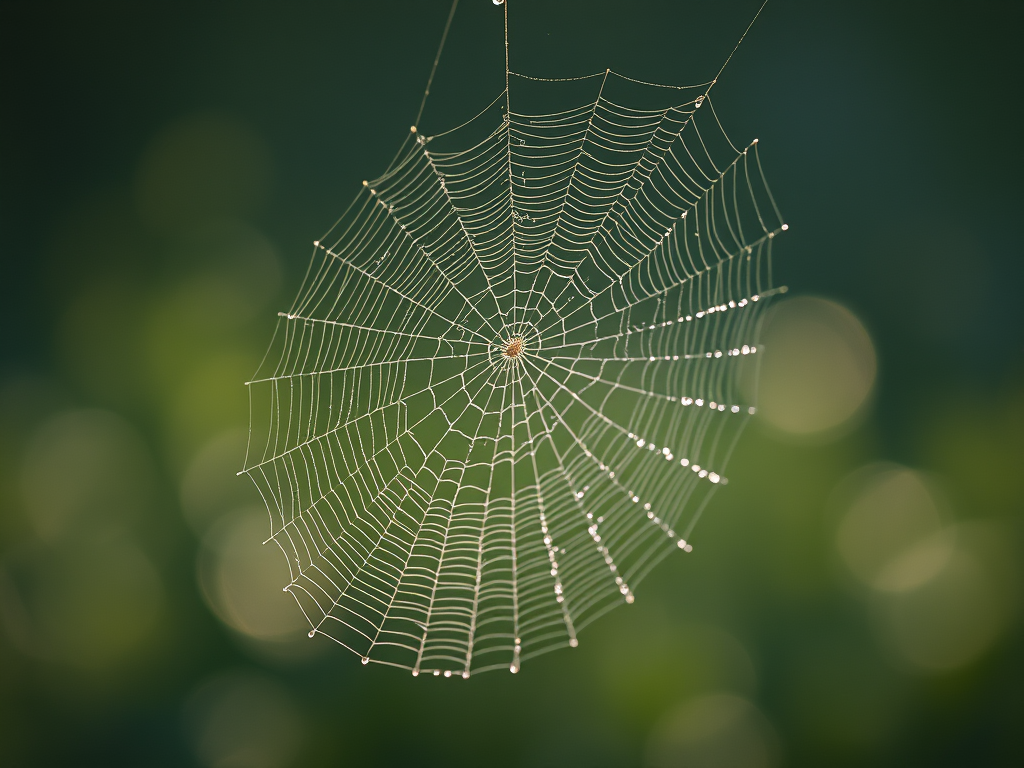
Let’s start with the most classic image of spiders: the cobweb. For the arachnophobes amongst us the sight of a cobweb is usually an invitation to flee the room immediately or at least grab a long broom to clear it from as far away as possible. But cobwebs and their creators have been viewed very differently throughout history. In many cultures cobwebs were seen as good luck particularly if they were found in your home – I know I know that sounds insane.
In medieval Europe for instance a cobweb in the house was thought to bring protection and good fortune. Instead of being signs that you need to dust more often they were considered a shield against evil spirits. Some even believed that if you moved into a new house and found a cobweb it meant your home would be prosperous. Not exactly the same reaction as when I find one lurking in the corner of my ceiling I can assure you.
In some parts of the world spiders were believed to be guardians of wealth. In ancient Greece for example there was a superstition that finding a spider in your house meant that money was coming your way. This might explain why people didn’t immediately squash them. The idea of spiders as symbols of wealth wasn’t limited to Greece either. In Germany there’s an old belief that if you find a spider in the morning it means sadness is on the horizon but if you find one in the evening it’s a sign of good fortune. Now you can see why the timing of your spider sighting matters if you’re living in fear like me. Who knew that spiders could double as financial advisors?
Of course not all spider superstitions are about wealth and fortune. In many cultures they’re more closely associated with creation and wisdom. Take the Ashanti people of West Africa who have the famous figure of Anansi the spider. Anansi is a trickster but also a symbol of knowledge storytelling and wisdom. His web isn’t just something to freak people out, it’s a metaphor for weaving stories and wisdom together. Anansi’s tales have spread far beyond Africa especially into the Caribbean where he’s still a beloved figure in folklore. I suppose if I had to pick one spider to not be completely terrified of it would be Anansi since he seems more interested in spinning stories than lurking in dark corners.
Even across the ocean in North America Native American tribes have their own spider myths. The Hopi people for example have Spider Grandmother a wise old figure who is central to their creation stories. She helped shape the world and taught people how to weave and make pottery. I’ve got to admit there’s something comforting about the idea of a spider as a grandmother figure even if I wouldn’t want her weaving anything in my house. Spider Grandmother also represents protection in some stories she helps guide people to safety during times of trouble. I guess even for a scaredy cat like me there’s a certain appeal in a spider that’s more about nurturing and guiding than scaring the daylights out of me.
But let’s not get too comfortable with all these wise and nurturing spiders. There are plenty of superstitions that lean into the darker side of these eight-legged nightmares.
In Eastern Europe particularly in Slavic folklore spiders have a much spookier reputation. They were sometimes seen as messengers of the dead or omens of death. Finding a spider on your clothing or in your bed was considered a bad sign often indicating that death or illness was near. For me this just confirms my deepest fears. It’s not just the legs the creepy crawly movements or the eyes – now it’s also the idea that they might be carrying some kind of dark message from the beyond. No thank you!
But even in these darker superstitions there’s often a twist. In Poland for example there’s a belief that killing a spider brings bad luck. Now if you’re like me and your first instinct is to squash any spider that dares to cross your path this might make you think twice. Apparently killing a spider could not only curse you with bad luck but also prevent you from receiving important news. So maybe the next time a spider skitters across the floor I’ll pause for a moment before reaching for the nearest shoe. Or maybe I won’t – let’s be honest old habits die hard.
Moving further east to Japan spiders take on a whole new level of mysticism. There’s an ancient Japanese belief that seeing a spider in the morning brings good luck but seeing one at night is a bad omen. This superstition reminds me of the German one where the time of day plays a crucial role in determining whether your spider sighting is fortunate or frightening. Japanese folklore also has tales of the Jorogumo, a spider that can shapeshift into a beautiful woman to lure unsuspecting men to their doom. As if spiders weren’t terrifying enough on their own they’re also out here turning into femme fatales! I can hardly imagine anything worse than a spider that can trick you like that. No wonder spiders in Japanese folklore are viewed with a mix of awe and fear.
But not every spider in folklore is out to get us. In fact some are seen as downright helpful. In Scottish folklore there’s a charming little story about a spider who saved the life of King Robert the Bruce of Scotland. Legend has it that while hiding in a cave to escape his enemies the king watched a spider persistently trying to spin its web. Despite failing multiple times the spider never gave up and eventually succeeded. Inspired by the spider’s determination Robert the Bruce went on to rally his troops and ultimately win a crucial battle. In this story the spider becomes a symbol of perseverance and resilience. I have to admit it’s a nice reminder that even something as terrifying as a spider can have its virtues.
And speaking of webs we can’t forget the tale of the Christmas spider from Eastern Europe. This heartwarming story tells of a poor family who couldn’t afford to decorate their Christmas tree. On Christmas Eve some spiders spun delicate webs all over the tree and when the morning light hit them the webs turned to silver and gold. This is said to be the origin of tinsel on Christmas trees. Now while I still wouldn’t want real spiders anywhere near my tree it’s a sweet story and it almost makes me appreciate the idea of a spider bringing a bit of unexpected beauty into the world.
Almost.
In some parts of the world spiders are even considered good luck charms. In Victorian England it was believed that a spider crawling on your wedding dress meant good luck in your marriage. And in other parts of the UK there’s a belief that seeing a spider on your birthday is a sign of a long life. Imagine that – celebrating your special day and suddenly a spider shows up. For me it would be more of a sign to abandon the cake and run for the hills but apparently for others it’s a reason to celebrate!
Despite all these positive associations spiders still manage to hold onto their eerie reputation in many parts of the world. In Haiti for example there’s a superstition that if you kill a spider it will rain the next day. In a country that experiences frequent storms and hurricanes it’s no wonder that people might think twice before squashing a spider. In some ways it’s almost like spiders are nature’s weather forecasters keeping a close eye on the sky while they spin their webs.
So what have we learned from this global tour of spider superstitions and folklore?
Well for one thing it seems like spiders have been getting mixed reviews throughout history. Some people see them as protectors and bringers of good fortune while others associate them with death and bad omens. For arachnophobes the idea of spiders bringing luck is probably still a hard sell but I can at least appreciate the creativity and symbolism that different cultures have woven around these creatures.
At the end of the day spiders might be creepy crawly and downright terrifying for some of us but they’ve also played an important role in the stories we tell and the superstitions we believe.
So the next time you spot a spider try to remember all the stories that have been spun about these tiny creatures over the centuries. Just maybe don’t expect me to stick around to hear about it!




Leave a Reply