Let me tell you a tale about a time of fire, fertility, and a touch of the uncanny..
Beltane, that bright flicker on the wheel of the year, has long been a liminal moment – a doorway where one foot stands in spring and the other steps boldly into summer. If ever there was a time when the veil between worlds grew thin, it’s this one.
May Day to some, Beltane to others, it’s far more than maypoles and flower crowns, though those are rather charming in their own way. No, this ancient celebration carries far older echoes, ones that whisper of bonfires lit high on hilltops, of shadows dancing in the dark, of old gods and older fears.
We begin with fire.
Always the fire.
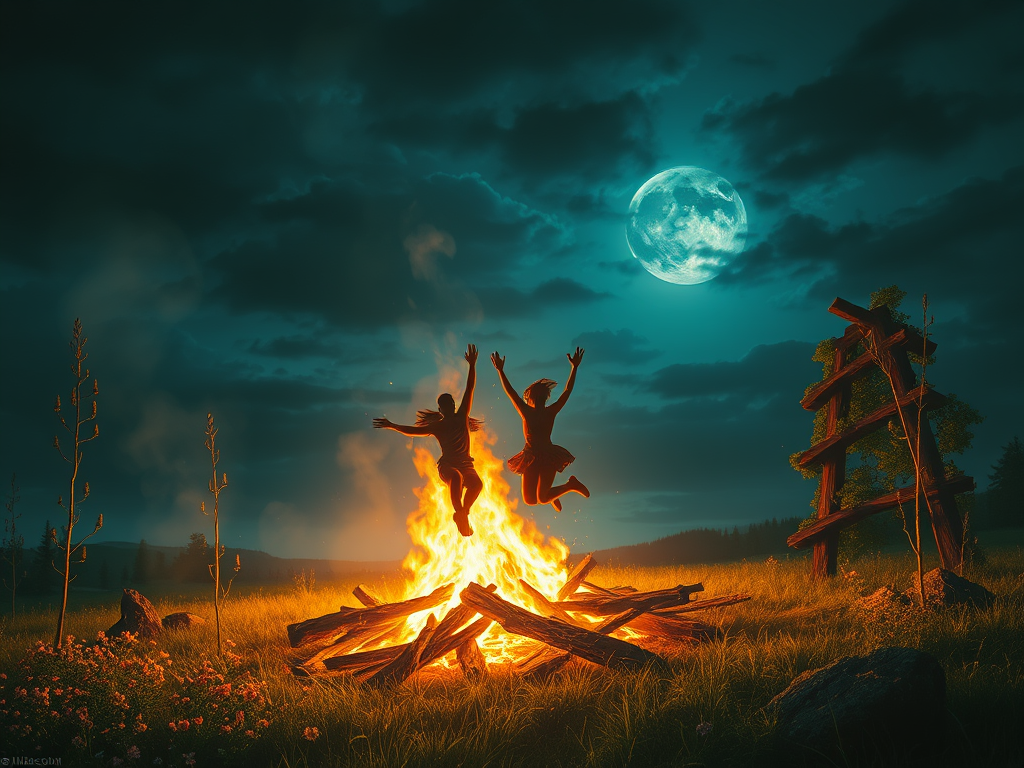
Beltane means “bright fire” or “Bel’s fire”, often linked to the god Belenus, a Celtic solar deity associated with healing, fertility and light. On the eve of May, twin fires were kindled on sacred ground, not just to honour the turning season, but to purify, protect and prepare. Cattle were driven between the flames to keep them safe from illness.
Couples leapt the flames hand in hand, seeking blessings of fertility and luck. Some say the ashes were rubbed into skin or scattered on fields for abundance. This wasn’t just quaint ritual – it was deadly serious. In a world where blight and illness could ruin lives, where spirits were thought to roam freely under the moonlight, this fire was both symbol and shield.
And it wasn’t always joy and laughter.
In truth, Beltane held its fair share of darkness. Beneath the warmth and wildness lies something more primal. A knowing that light and dark must always walk hand in hand.
Older tales hint at sacrifices, whether of effigy or more flesh-and-blood persuasion.
We can’t say for certain what really happened in the depths of the Iron Age, but archaeological finds and folk memory suggest Beltane was not always a gentle celebration. The Wicker Man legend, made famous in that haunting 1970s film, has roots tangled in this old tree.
There are whispers of offerings made to ensure the land would flourish. And whether those offerings were symbolic or something more, well, that depends who’s telling the story.
Then there’s the Green Man, the spirit of renewal who watches with leaf-veiled eyes.
Some say he’s there in every Beltane fire, laughing in the flames, dripping in sap and secrets. Others fear him, that wild embodiment of nature untamed. He’s not the sweet lord of spring many imagine. He’s the pulse of the forest, the crack of antlers, the howl in the night. Beltane brings him close, calls him forth. In the old days, May Kings were crowned to embody him and sometimes, they didn’t last the year. They say to be chosen was both an honour and a death sentence.
Beltane was also the time of the aos sí, the fae folk, the hidden people. It’s their season as much as ours. Doors are left open, milk poured on thresholds, iron nailed to doorways in quiet caution. For while the fae might bring luck, they’re fickle. And this night, their world lies too near for comfort. Step too far into the woods and you might not come back quite the same.
In the countryside, villagers would gather before dawn, trailing through dewy fields to collect hawthorn and rowan. Dew from a Beltane morning was said to make your skin glow for the rest of the year. Young women would wash their faces in it. Old women too, come to that. The May Queen would be crowned – blossoms in her hair, eyes bright as the rising sun. She represented the land herself, full of promise, awakening after winter’s long grip.
And alongside her, sometimes, the May King. Or the Horned God. Or a shadow in the shape of a man.
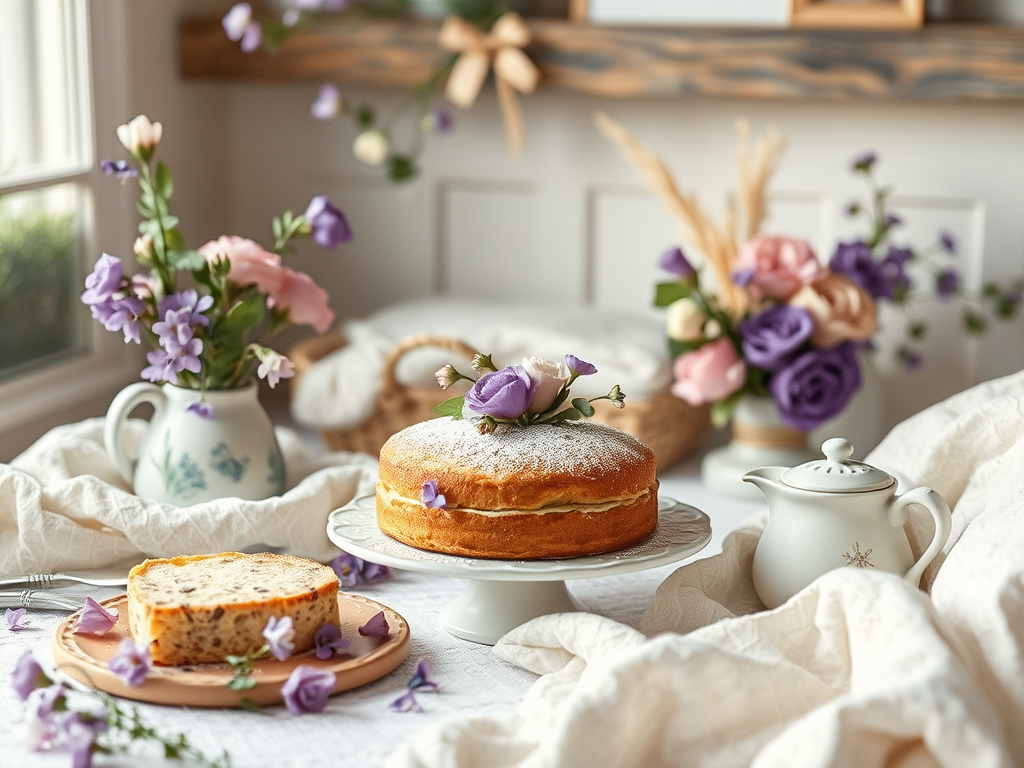
In Scotland and Ireland, Beltane customs lasted into the 19th and even 20th century in places. Farmers lit fires and muttered prayers to ward off fairies and ill-wishing neighbours. Cakes were baked and shared – sometimes with a scorched portion given to the land, or to the spirits below.
In parts of the Hebrides, household fires were extinguished on Beltane Eve and relit from the communal flame, a tradition rooted in unity and trust.
Modern celebrations try to recapture the spirit, and in many ways, they do. Edinburgh’s Beltane Fire Festival is a spectacular revival, full of drumming, flame-dancing, and theatrical nods to the past. But there’s always a wilder edge just beneath the surface. You feel it in the beat of the drum, in the way the air thickens as the sun sets, in the knowing glances exchanged around the fire.
We haven’t forgotten, not really.
Because Beltane, for all its joy, was never just about flowers and dancing. It’s about transformation. The letting go of the cold, the careful, the known… and stepping into heat, hunger, and risk.
It’s about life and death and all the messy business in between.
It’s about honouring nature not as a pet, but as a force.
It’s the fire we light not just to see by, but to change us.
Burn the old. Call in the new. Let the fire choose what stays.
And so if you find yourself near a hilltop on the eve of May, and you see flames licking the sky and figures dancing wild, don’t just smile and call it quaint.
Listen a little deeper.
Watch the shadows.
You’re standing on ancient ground.
And the fire still remembers your name.


Leave a Reply