
There’s an old belief whispered across Ireland and carried over into pockets of the British Isles, that hares are never quite what they seem.
Elegant, twitch-nosed and fleet as shadows, yes. But also watchers, messengers, little furry gatekeepers slipping between our world and the Otherworld on moonlit nights.
Today, as the year leans into its darkest time and the veil grows ever so slightly thinner (or perhaps we just imagine it does), it feels like the right time to curl up with a cup of something warm and talk about the giorria sí – the fairy hare.
The phrase itself is wonderfully simple: giorria meaning hare, sí meaning of the Otherworld, of the fairy mound, of that strange realm just half a breath beyond the hedgerow. A giorria sí isn’t just a hare that happens to have something odd about it. It’s a creature steeped in old magic, often appearing at crossroads, holy wells, lonely hearthsides, and farms where something uncanny has begun to stir.
In countless tales, the hare is the first hint that the boundaries have blurred. The fire crackles a little strangely. The dog refuses to cross the threshold…
And then someone spots a hare sitting far too still, golden eyes fixed on them as though weighing their secrets.
One of my favourite threads in Irish and British folklore is the hare’s link with witches. Hares were said to carry spells in their fur, ferrying enchantments from cottage to field. A suspiciously bold hare, especially one that darted through a churchyard or sat glaring at a cow, was often believed to be a shapeshifted woman. Usually a healer, a midwife, or a widow who’d already raised local eyebrows simply by existing a little too independently.
There’s a very famous old story of a farmer who shot a troublesome hare only to find, moments later, a neighbour woman lying in her bed with a bleeding leg. People swear it happened in their village. It appears in a hundred counties. You can’t walk five miles in folklore without tripping over another shape-shifting hare.
But the giorria sí is something different, something deeper. These aren’t merely mortal women in borrowed fur. The fairy hare belongs to the Aos Sí, that ancient race who inhabit the mounds and hollows, the ruins and ringforts, and every chilly draft that creeps across a doorway when no one has opened a window.
A giorria sí might appear before a birth or a death, standing as a quiet sentinel. Some believe the creatures guide travellers through dangerous landscapes, particularly boggy places where the land has its own appetite. Others insist that if you chase a hare on May Day, you’ll be led straight into the heart of the Otherworld – an excellent way to ruin your afternoon and possibly never return.
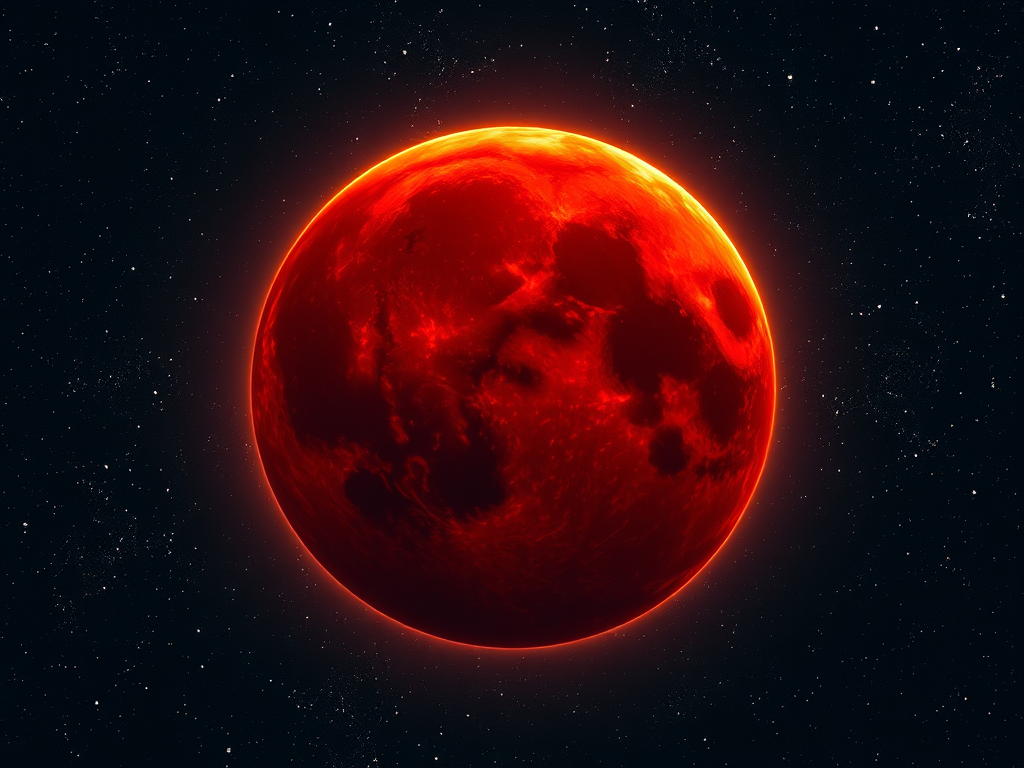
They are also guardians of liminal time – dawn, dusk, the witching hours when the moon hangs low and round as a scrying bowl. Watch a hare at twilight and you’ll see what people mean… That eerie stillness, the switch from soft herbivore to something ancient and knowing. It’s unsettling in a delicious way, the sort of feeling that makes you clutch your coat tighter and feel… just for a moment… that you’re being studied in return.
Hares were traditionally left alone, partly out of respect, partly from superstition. Hunters might refuse to shoot one if its coat looked “too bright” under a grey sky, or if it crossed their path against the wind, or if it paused to stare at them a little too long. The old folk would say,
” Leave it. That one belongs to them. ”
Meaning the sí.
Meaning meddling would only bring trouble. Soured milk, missing livestock, unseasonable storms, a run of bad dreams that left you feeling as though someone had been rummaging around your thoughts.
And yet, for all their associations with witchcraft and fairy mischief, the giorria sí isn’t a threatening spirit. They’re more like quiet omens, neither wicked nor benevolent, but aligned to whatever greater tide is rolling through the landscape. They’re reminders that the world is not a tidy place, and that for every field ploughed and furrowed, there is a patch of thicket where the ancient things still skitter and breathe.
If you’re feeling inclined to honour or at least acknowledge the fairy hare this season, you might leave a pinch of oats in a sheltered spot, or carry a small silver charm when travelling after dark. Some people simply pause when they see a hare and offer a quick greeting into the cold air. Respect is the currency of old folklore, and a little goes a long way.
So, next time you’re wandering along a frost-whitened lane and catch sight of a hare sitting like a carved figure in the dusk, remember the stories. The giorria sí may be watching you as closely as you’re watching it. And perhaps – just perhaps – it’s deciding whether to let you pass untroubled… or to lead you somewhere you never meant to go.
And isn’t there something beautifully comforting in that?
That even in the quietest corners of winter, the old magic still twitches its whiskers.


Leave a Reply