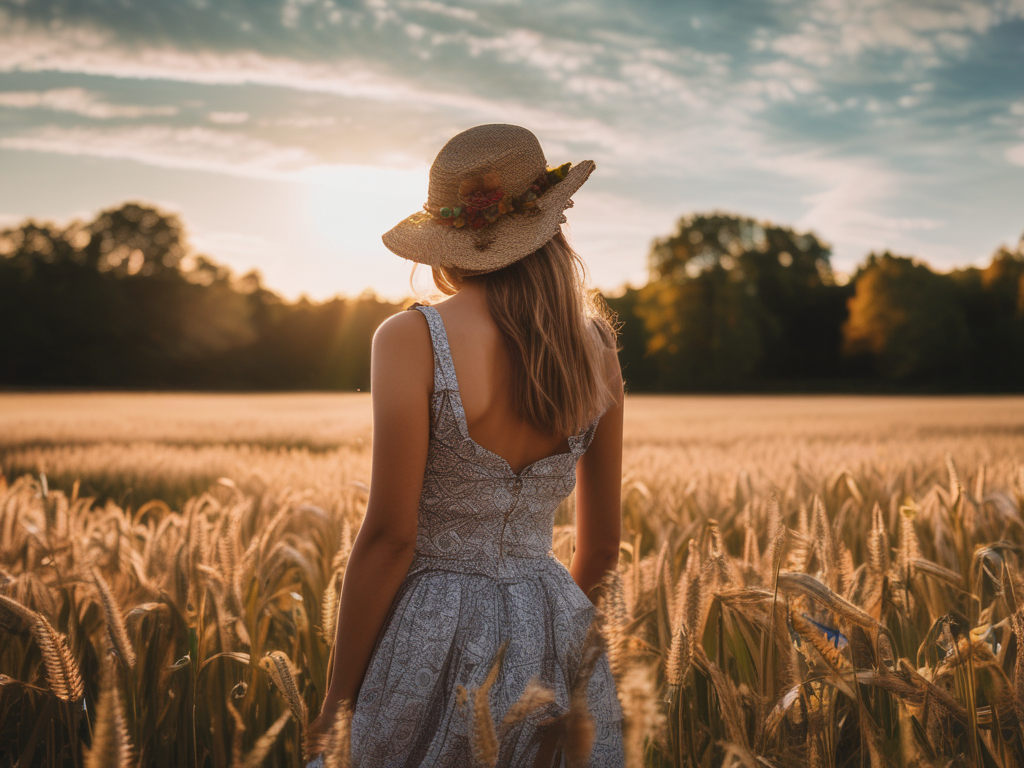
The summer solstice, marking the longest day of the year, is a time rich with meaning, lore, and traditions spanning various cultures. Deities associated with the sun, such as the Greek god Apollo, the Egyptian god Ra, and the Celtic goddess Áine, are honored and Earth and Fertility Goddesses like Demeter, Gaia, and Brigid, who embody fertility, growth, and the earth’s bounty, are also celebrated
The summer solstice is celebrated and recognized in various cultures around the world, each with its own name and unique tradition
Alban Hefin is a term from modern Druidry, referring to the summer solstice. This phrase means “Light of the Shore” in Welsh and is one of the four solar festivals celebrated in the Druid tradition.
Alban Hefin marks the longest day and shortest night of the year. It is a time when the sun is at its peak strength, symbolizing fullness, abundance, and the height of the year’s energy. In Druidic tradition, it is seen as a moment of balance, a turning point where the days begin to shorten again as the cycle moves towards the harvest.
The goddess Áine, associated with summer, love, and sovereignty, is often honored during Alban Hefin. She represents the fertile earth and the life-giving power of the sun. Although primarily linked with Lughnasadh, Lugh, the god of light and craftsmanship, is also celebrated for his solar associations during this time.
In Wiccan and Neopagan traditions, the summer solstice is known as “Litha.” It’s a time for celebrating the power of the sun, fertility, and the bounty of the Earth.
In Wiccan mythology, Litha represents the peak of the Oak King’s reign. He symbolizes the light half of the year, and his victory is celebrated at the summer solstice.
After Litha, the Holly King, who represents the dark half of the year, begins to gain power, marking the gradual return of longer nights.
In Scandinavian countries in the far north, it is a time of the Midnight Sun when the sun does not set at all. The solstice is known as Midsummer or Midsommar, Juhannus in Finland, and Sankt Hans in Denmark and Norway. It is one of the most significant celebrations in Scandinavian cultures. It marks the summer solstice and is celebrated with a variety of traditions that honor nature, community, and the peak of summer.
Noc Kupały, also known as Kupala Night or St. John’s Eve, is a traditional Slavic celebration of the summer solstice. This ancient festival, which takes place on the night of June 23-24, is deeply rooted in pagan traditions and later intertwined with Christian customs. It is a time of fire, water, love, and fertility, reflecting the natural abundance and mystical properties of the solstice.
Jāņi is Latvia’s quintessential summer solstice festival, also celebrated on June 23-24. This event, steeped in ancient pagan traditions, is a vibrant and joyous time that marks the height of summer and the longest day of the year. It is a festival of fertility, nature, and the triumph of light over darkness. Similar to Latvia, Estonia celebrates “Jaanipäev” with bonfires, singing, and traditional dances.
The Inca civilization in Peru celebrated the summer solstice as “Inti Raymi,” or the “Festival of the Sun.” This festival honored the sun god Inti and included elaborate ceremonies and offerings.
The Mapuche people of Chile celebrate “We Tripantu,” which translates to “New Sun.” It marks the Mapuche New Year and includes rituals to welcome the new cycle.
Although “Dōngzhì” refers to the winter solstice, the summer solstice in China is part of the traditional lunar calendar and is a time for honoring ancestors and celebrating harvests.
In France, the summer solstice is associated with “Fête de la Saint-Jean” or “St. John’s Day,” with bonfires and celebrations marking the birth of John the Baptist.
Lighting bonfires during solstice celebrations symbolizes the sun’s energy and its protective and purifying qualities. It is a way to honor the sun’s power and to bring its light into the night.
People often jump over the bonfires for good luck and protection. It is also common to cast herbs into the fire as offerings.
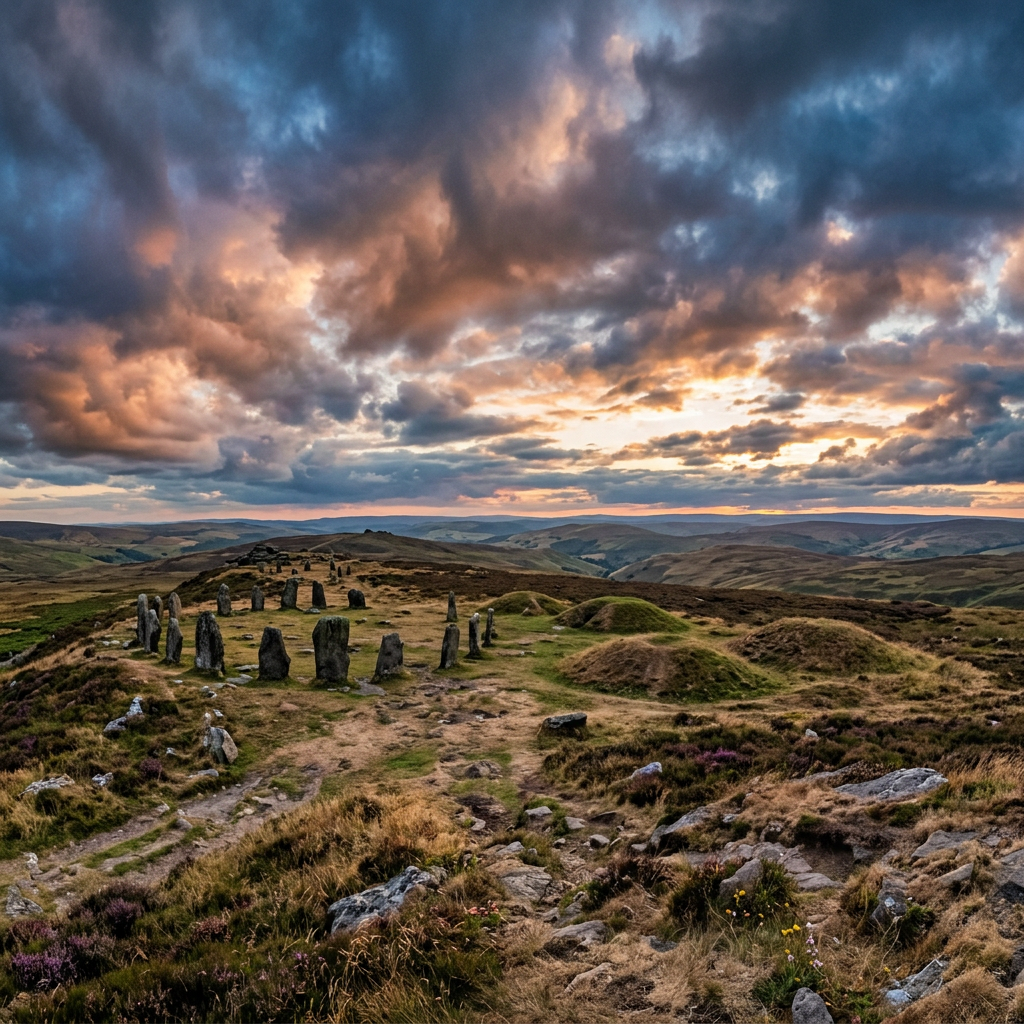
Watching the sunrise is a way to witness the sun at its most powerful moment. Gathering at sacred sites like Stonehenge, which aligns with the solstice sunrise, is a traditional practice. This time is used for meditation and reflection, contemplating the balance of light and dark within oneself and in nature.
St. John’s Wort, and other herbs, is traditionally gathered during the solstice, believed to be most potent at this time. It is used for protection, healing, and divination. Other Herbs you may consider are Mugwort, vervain, and yarrow. Create potpourri or sachets with these herbs to keep their energy throughout the year.
Spending time in nature, particularly near water (reflecting the “Light of the Shore”), connects you with the natural world and the solstice energy – collect wildflowers, meditate, or simply enjoy the long daylight hours.
Gather with friends and family for a meal outdoors. Share seasonal foods like fresh fruits, vegetables, and flowers. Include dishes that celebrate the bounty of the season, such as salads, grilled vegetables, and fruit-based desserts.
Set up an altar with symbols of the sun, summer flowers, candles, and items representing Áine and Lugh. Include personal items that hold meaning for you, and use this space for meditation or rituals.
Practicing yoga, particularly sun salutations, aligns your body and spirit with the sun’s energy. Focus on themes of growth, light, and renewal. Reflect on your personal achievements and future goals.
Create sun catchers, flower crowns, or solstice wreaths. Use materials like flowers, leaves, and natural objects to craft items that honor the season. Engage in creative activities like painting, writing, or playing music that celebrates the sun and nature.
There is a belief that Midsummer night holds magical properties. Young people often pick seven different flowers and place them under their pillows in hopes of dreaming about their future spouse.
The maypole is a tall pole decorated with flowers, greenery, and ribbons, around which people dance traditional folk dances. The raising of the maypole is a communal activity and a highlight of some midsummer celebrations. Traditional music and dances are performed, and people often stay up all night celebrating the endless daylight.
In Denmark, taking a sauna is an integral part of Juhannus. Many families visit their summer cottages and enjoy the sauna, often followed by a dip in a lake.
In some cultures, an effigy of a witch is often burned on top of the fire, symbolizing the banishment of evil spirits.
The summer solstice is a universal event marked by various names and customs across different cultures. From “Litha” in Wiccan traditions to “Inti Raymi” in the Inca civilization, each culture brings its own unique perspective and traditions to this celebration of the sun’s peak and the longest day of the year. Whether through bonfires, feasting, or honoring deities, the solstice is a time of joy, renewal, and connection to nature.


Leave a Reply