On our recent MT Roadtrip to Scotland we passed through Bamburgh. Seeing a sign for the museum I remembered the story of Grace Darling, told to me long ago by a schoolteacher.
Grace Darling was a British lighthouse keeper’s daughter who became a national heroine in the 19th century for her role in a daring sea rescue.
Grace Horsley Darling was born on November 24, 1815, in Bamburgh, Northumberland, England. She was the seventh of nine children born to William and Thomasin Darling. Her father was the keeper of the Longstone Lighthouse on the Farne Islands, off the coast of Northumberland.
The family moved to the lighthouse in 1826 when Grace was ten years old, and it was here that she grew up, living a life marked by isolation but also by a profound connection to the sea.
Life at the lighthouse was rigorous and required the family to be self-sufficient. The duties involved maintaining the light, keeping the building in good repair, and ensuring that the beacon was always operational to guide ships safely. Grace, like her siblings, played an active role in these daily responsibilities, gaining skills and knowledge that would later prove crucial.
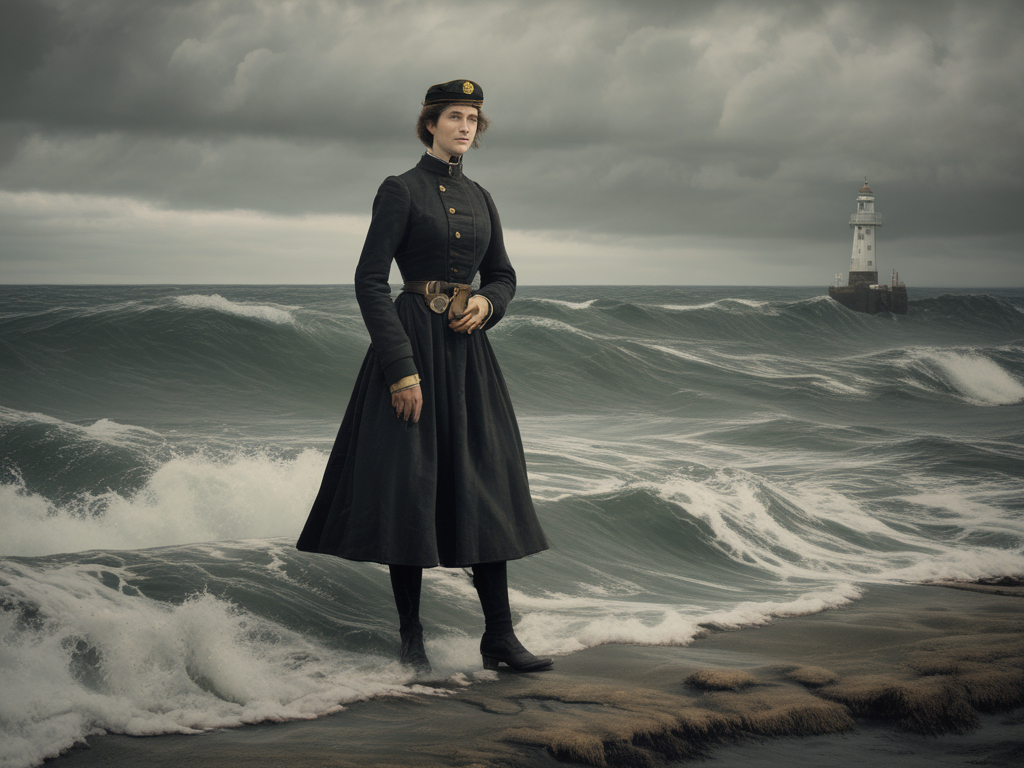
Grace’s moment of fame came on September 7, 1838. The paddle steamer SS Forfarshire, en route from Hull to Dundee, struck rocks and broke in two during a storm off the Farne Islands.
Grace, then 22 years old, spotted the wreck from the lighthouse. Despite the treacherous conditions, Grace and her father, William, took to a small boat—a four-man Northumberland coble—to rescue survivors.
The conditions were dire, with rough seas and strong winds, but they managed to navigate the perilous waters to reach the survivors.
They saved nine people from the wreck: four men and five women. The survivors were clinging to the remnants of the wreck on Big Harcar, a nearby rocky island.
The individuals rescued included Mrs. Sarah Dawson and her two children: Tragically, Mrs. Dawson’s husband had perished in the wreck. She was found clinging to a spar with her two children, William (7 years old) and Sarah Anne (5 years old). The children were taken to the lighthouse first, followed by Mrs. Dawson.
John Tulloch: A commercial traveler who was found in a critical state but later recovered.
William Brooks: Another survivor who was severely injured and later conveyed to safety.
John McLaren: A seaman who, despite his injuries, helped in the rescue efforts once aboard the coble.
James Kelly: A crew member who survived the ordeal and was rescued along with the others.
Thomas Buchanan: Another crew member who was found barely conscious but survived due to the rescue.
Grace’s bravery and the dramatic nature of the rescue captured the public’s imagination. Her actions were not just a remarkable feat of bravery and seamanship but also a poignant example of human compassion and determination.
News of the rescue quickly spread. Grace Darling received numerous awards, including a gold medal from the Royal National Lifeboat Institution (RNLI) and a silver teapot from Queen Victoria. Public donations poured in, and various artists painted her portrait.
Her story was widely covered in newspapers and became the subject of books and poems, amplifying her fame. Among the many tributes were songs and ballads celebrating her heroism, and her likeness was even used in popular prints and memorabilia.
Despite the fame, Grace continued to live a modest life at the lighthouse. She remained dedicated to her family and her duties, shunning the limelight that came with her newfound celebrity.
Her health, however, began to decline. She developed tuberculosis, a common and often deadly disease in the 19th century.
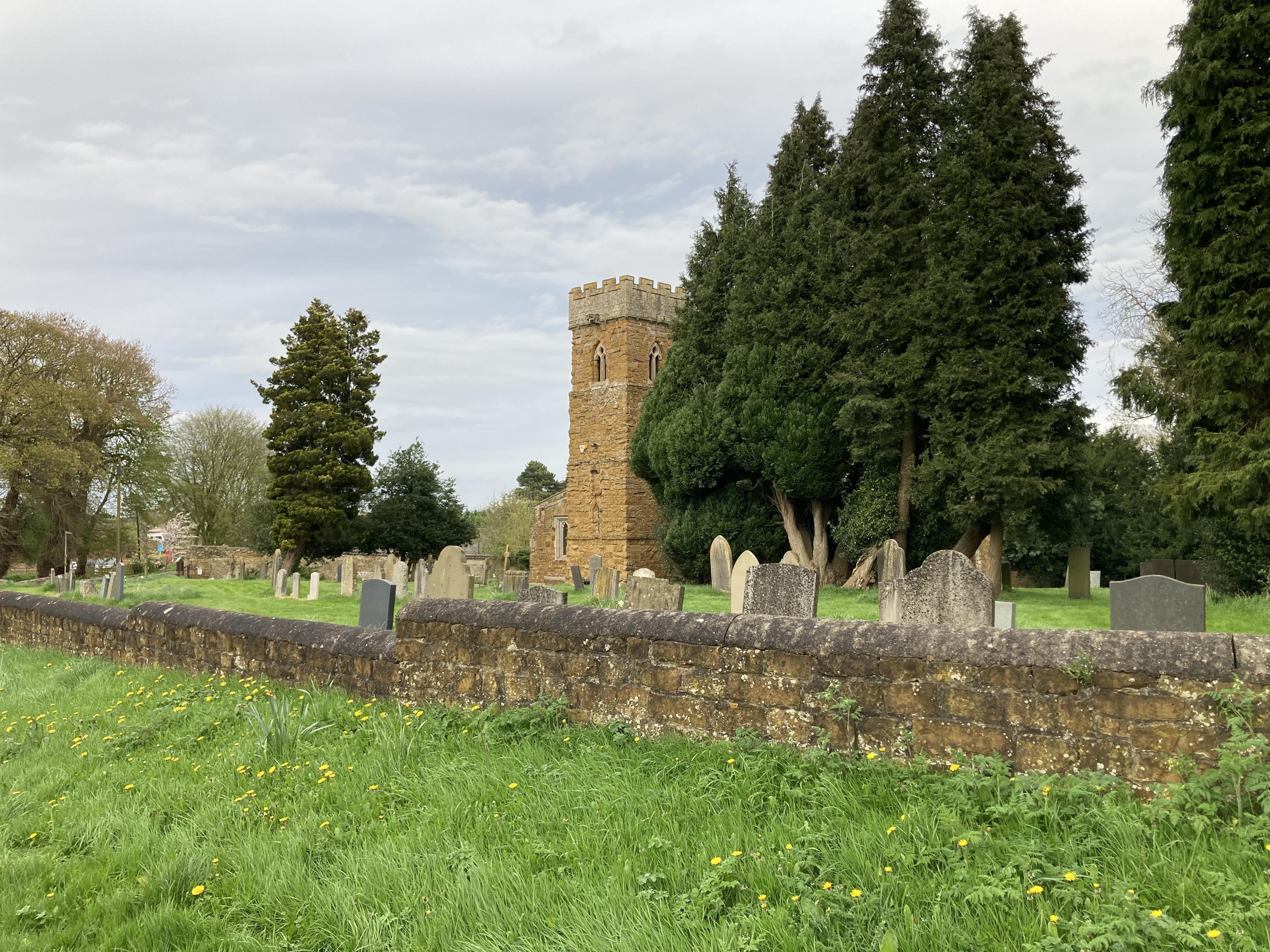
Grace passed away on October 20, 1842, at the age of 26. She was buried in the churchyard of St. Aidan’s Church in Bamburgh, where a monument was later erected in her honor. The monument features a lifeboat in marble, symbolizing her brave actions.
A museum dedicated to Grace Darling’s life was established in Bamburgh, preserving her legacy and offering a deeper look into her world. The Grace Darling Museum houses artifacts from her life, including the boat used in the rescue, personal items, and family memorabilia. The museum also explores the broader history of the RNLI and lighthouse keeping, providing context to her story and highlighting the essential work of maritime rescue services.
Grace Darling’s legacy continues to be a symbol of courage and selflessness. Her story inspired countless others and highlighted the often overlooked heroism of lighthouse keepers and lifeboat crews.
The RNLI named several lifeboats after her, a testament to her lasting impact on maritime safety and rescue operations. In addition to these tangible tributes, her story has been retold in various forms, including books, songs, and films. These cultural retellings have ensured that her heroism is not forgotten, keeping her memory alive for future generations.
Grace Darling is remembered not just for her bravery but also for her humility and dedication to helping others. Her actions on that stormy night continue to inspire new generations, embodying the spirit of selfless service and the profound impact that one individual’s courage can have on the lives of many.
Her legacy is a reminder of the strength and resilience found in ordinary people faced with extraordinary circumstances, and she remains a beloved figure in British history.