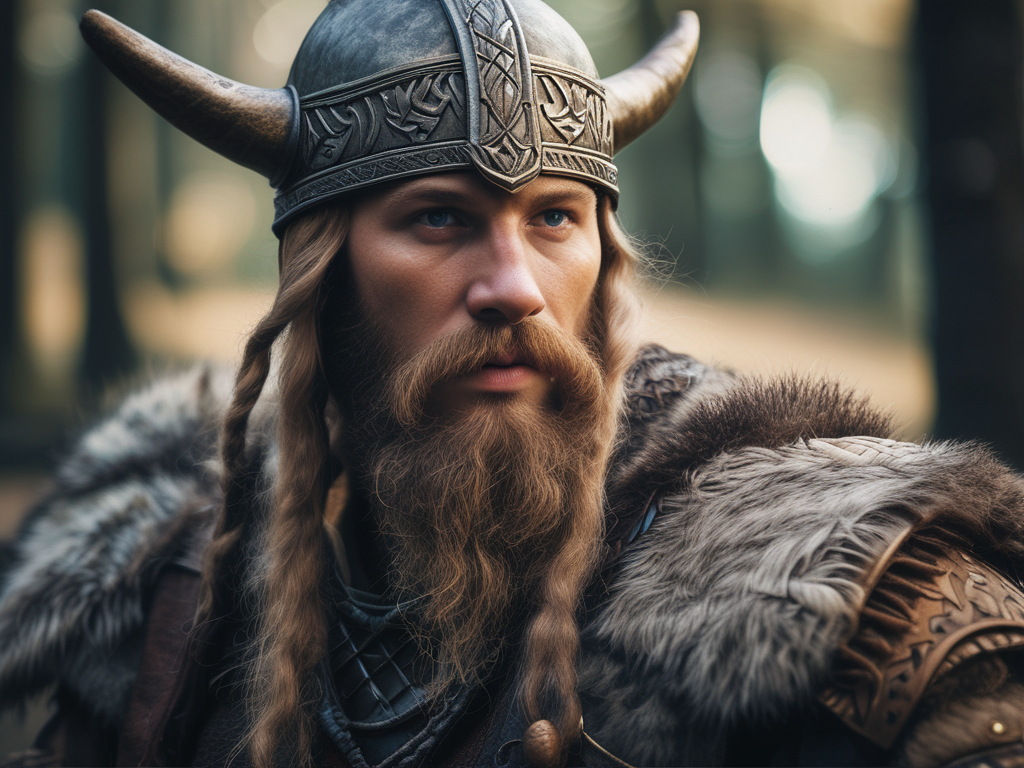
Rune lore encompasses the history, meanings, and uses of runes, which are ancient alphabets used by Germanic peoples, including the Norse, Anglo-Saxons, and other early European tribes.
Runes were not only a system of writing but also held significant cultural, magical, and religious importance.
The earliest runes date back to around the 2nd century CE, evolving from earlier scripts like the Etruscan or Latin alphabets. The three main runic alphabets are Elder Futhark, Anglo-Saxon Futhorc, and Younger Futhark.
Elder Futhark is the oldest and most widely used runic alphabet, consisting of 24 characters. Anglo-Saxon Futhorc is an expanded version used in England, consisting of up to 33 characters. Younger Futhark is a simplified version used by the Vikings, consisting of 16 characters.
Each of these alphabets served different historical and cultural contexts, reflecting the diverse uses and adaptations of runic writing over time.
Runes were more than just a writing system, they were deeply intertwined with Norse mythology and Germanic traditions. They were often inscribed on weapons, stones, and personal items for protection, luck, or to commemorate events. The inscriptions found on runestones and other artifacts reveal a great deal about the beliefs, practices, and daily lives of the people who used them. Runes were believed to hold intrinsic power, and their use extended beyond mere communication to include magical and divinatory practices.
Each rune has a name and symbolic meaning, often linked to natural elements, gods, or concepts.
Fehu (ᚠ), representing wealth and cattle; Uruz (ᚢ), representing strength and health; Thurisaz (ᚦ), representing Thor, giants, and protection and Ansuz (ᚨ), representing Odin, communication, and wisdom.
These meanings were not fixed and could vary somewhat depending on the cultural and regional context. The symbolic meanings of the runes made them suitable for use in rituals and spells.
Runes were used in various magical practices. Amulets and talismans often featured runes carved into objects for protection or to imbue them with specific powers. Runes were also used in inscriptions for spells and charms, often combined with other symbols and rituals to enhance their effectiveness. The act of carving a rune was believed to release its inherent power, making the object it was inscribed on a potent tool for the practitioner.
Divination is another important aspect of rune lore. Similar to tarot cards, runes are used in divination practices to gain insight into questions or situations. Rune casting involves drawing runes from a bag and interpreting their meanings based on their positions and combinations. Common methods include the Single Rune Draw, where a specific question is asked and one rune is drawn for insight, the Three Rune Spread, representing past, present, and future or the situation, challenge, and advice and more complex spreads involving multiple runes to provide detailed guidance.
Interest in runes has seen a resurgence in modern times, often connected with neo-paganism, Norse mythology, and historical reenactment. Contemporary practitioners use runes for spiritual guidance, personal development, and connecting with ancient traditions. The revival of runic practices reflects a broader interest in ancient wisdom and the search for meaning in modern life.
Books, courses, and online resources are widely available for those interested in learning about runes and incorporating them into their spiritual practice.
Runes are also prominent in modern popular culture. They appear in books, movies, and video games, often as symbols of mystery and magic. This mainstream representation helps keep interest in runes alive and introduces them to new audiences, even if these representations sometimes take creative liberties with historical accuracy.
Academic interest in runes remains strong, with researchers studying their origins, development, and cultural significance.
Archaeological discoveries continue to provide new insights into how runes were used in everyday life and in ritual contexts. Scholars analyze runestones, manuscripts, and artifacts to build a more comprehensive understanding of runic traditions and their evolution over centuries.
The runes themselves are typically simple, angular symbols, making them well-suited for carving into wood, stone, or metal. This practicality likely contributed to their widespread use in various forms of material culture, from monumental inscriptions to everyday items.
Each rune’s design is intentional, often reflecting the concept or object it represents. For example, the rune Fehu (ᚠ) resembles a pair of horns, symbolizing cattle and wealth.
Understanding runes involves studying their mythological roots. According to Norse mythology, the god Odin discovered the runes after a profound ordeal. He hung from the World Tree, Yggdrasil, for nine days and nights, sacrificing himself to himself to gain the knowledge of the runes. This myth underscores the sacred nature of the runes and their association with wisdom, magic, and sacrifice.
For those who practice runic divination or magic today, the runes serve as a bridge to the past, offering a way to connect with the wisdom of ancient traditions while addressing contemporary spiritual needs.