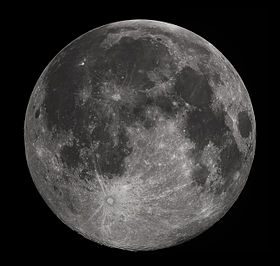
Stargazing is a timeless activity that connects us to the vastness of the universe, but in our modern world, finding a truly dark sky can be a challenge. Light pollution from cities and towns washes out the night sky, making it difficult to see the stars in all their brilliance. Fortunately, there are special places around the world where the night sky is preserved, offering pristine views of the cosmos. These designated dark sky areas provide a refuge from artificial light, allowing us to experience the awe-inspiring beauty of the stars, planets, and distant galaxies in their full, natural splendour. Whether you’re an avid astronomer or simply seeking a moment of wonder beneath the stars, these dark sky locations are the best places on Earth to reconnect with the night sky.
International Dark Sky Parks
These are areas specifically designated for their minimal light pollution and commitment to preserving dark skies:
1. Galloway Forest Park, Scotland, UK
2. Northumberland National Park, England, UK
3. Big Bend National Park, Texas, USA
4. Death Valley National Park, California/Nevada, USA
5. Cherry Springs State Park, Pennsylvania, USA
6. Joshua Tree National Park, California, USA
7. Crater Lake National Park, Oregon, USA
8. Grand Canyon-Parashant National Monument, Arizona, USA
9. Westhavelland Nature Park, Germany
10. Aoraki/Mount Cook National Park, New Zealand
11. Brecon Beacons National Park, Wales, UK
12. Mont-Mégantic National Park, Quebec, Canada
13. NamibRand Nature Reserve, Namibia
14. Pic du Midi, France
15. Elqui Valley, Chile
16. Sark Island, Channel Islands
17. Zselic Landscape Protection Area, Hungary
18. Iriomote-Ishigaki National Park, Japan
19. Rhön Biosphere Reserve, Germany
International Dark Sky Reserves
These are large, protected areas that include both core dark sky areas and surrounding regions that support dark sky conservation:
1. Aoraki Mackenzie, New Zealand
2. Brecon Beacons, Wales, UK
3. Central Idaho, USA
4. Central Appalachian, Virginia/West Virginia, USA
5. Exmoor National Park, England, UK
6. Kerry, Ireland
7. Snowdonia, Wales, UK
8. South Downs National Park, England, UK
9. The Greater Big Bend International Dark Sky Reserve, Texas, USA
10. Rhön Biosphere Reserve, Germany
International Dark Sky Sanctuaries
These are remote locations with minimal light pollution, making them some of the best places in the world for stargazing:
1. Aotea / Great Barrier Island, New Zealand
2. Gabriela Mistral, Chile
3. Katahdin Woods and Waters National Monument, Maine, USA
4. Cosmic Campground, New Mexico, USA
5. Stewart Island/Rakiura, New Zealand
6. Great Barrier Island, New Zealand
7. Veen Observatory, Michigan, USA
8. Devils River State Natural Area, Texas, USA
Dark Sky Communities
These communities have made significant efforts to reduce light pollution and promote dark skies:
1. Flagstaff, Arizona, USA
2. Borrego Springs, California, USA
3. Homer Glen, Illinois, USA
4. Moffat, Scotland, UK
5. Horseshoe Bay, Texas, USA
6. Sedona, Arizona, USA
7. Norwood, Colorado, USA
8. Ketchum, Idaho, USA
Other Notable Dark Sky Locations
While not officially designated, these locations are renowned among astronomers for their dark skies:
1. Mauna Kea, Hawaii, USA
2. La Palma, Canary Islands, Spain
3. Atacama Desert, Chile
4. Tenerife, Canary Islands, Spain
5. Uluru-Kata Tjuta National Park, Australia
6. Mount John Observatory, New Zealand
7. Namib Desert, Namibia
8. Alqueva Dark Sky Reserve, Portugal
9. Cederberg Mountains, South Africa
10. Tasmanian Wilderness, Australia
These locations represent some of the best places globally to observe the night sky, with minimal interference from artificial light and excellent atmospheric conditions for astronomy. Whether you’re an amateur stargazer or a professional astronomer, these spots offer some of the most breathtaking views of the cosmos.