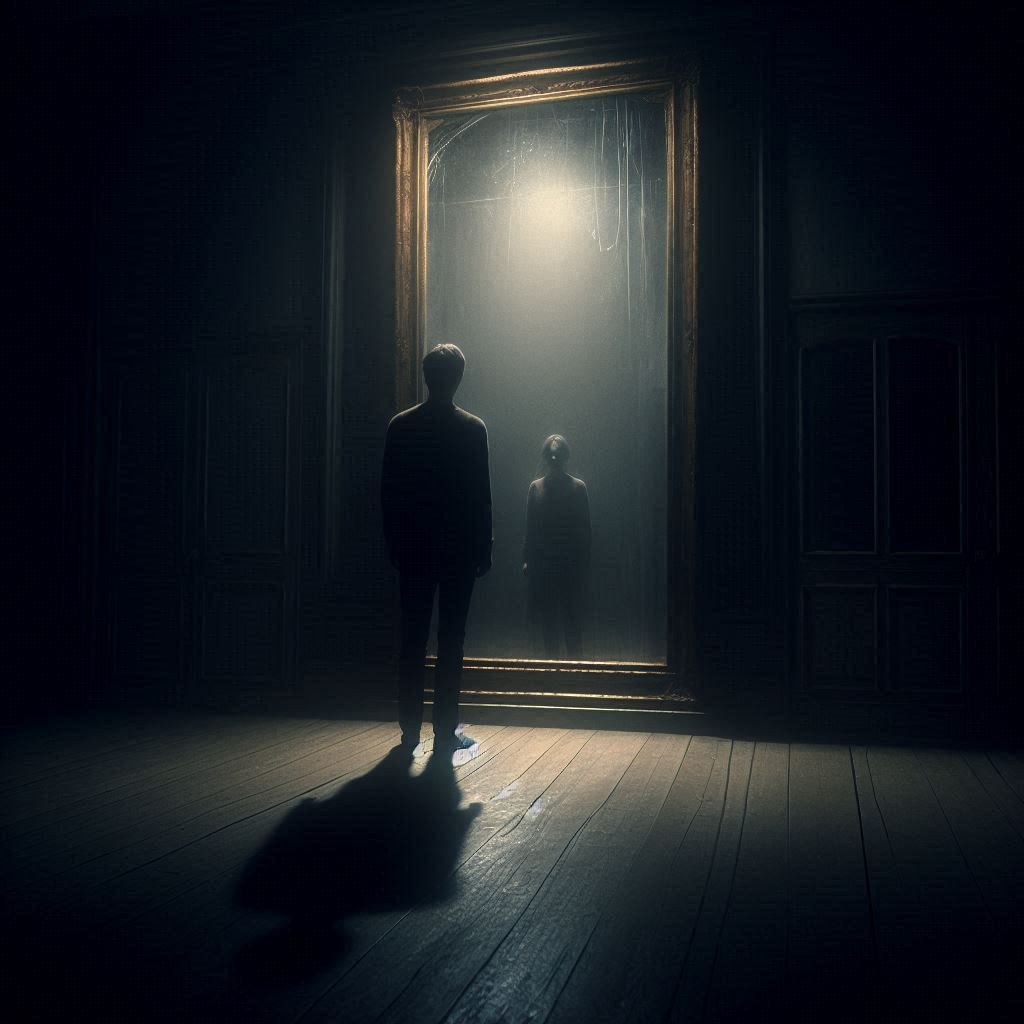
The fear of torture is one of the most primal and universal human fears, rooted deeply in our understanding of pain, vulnerability, and the powerlessness that comes with it. It’s not just the anticipation of physical pain that makes this fear so dark – it’s the idea of enduring prolonged suffering without any hope of escape. Torture is designed to strip away a person’s sense of control, their dignity, and, in many cases, their humanity.
This is what makes it such a terrifying concept. It taps into the darkest corners of the mind, where the fear of losing everything that makes you who you are -your thoughts, your memories, your sense of self – resides.
When we think about torture, we often imagine the physical horrors.. beatings, mutilation, and excruciating forms of bodily harm. The fear of pain is something every person can relate to on some level. Whether it’s the memory of a broken bone or a childhood injury, everyone understands that pain is something to be avoided at all costs.
But torture is not just about the pain itself; it’s about the deliberate infliction of pain in a way that breaks down a person’s spirit. It’s the idea that someone else holds complete control over your body, and by extension, your mind, using pain as a tool to force compliance, to extract information, or simply to dehumanize.There is something uniquely terrifying about the idea that another person could intentionally cause you to suffer, and not just for a moment, but over a prolonged period of time. This fear is intensified by the uncertainty that comes with it – when you’re being tortured, you don’t know when, or if, it will end.
That lack of knowledge, the sense of being trapped in a situation where the pain might continue indefinitely, is psychologically overwhelming. The mind begins to spiral into despair, and the fear of what comes next becomes even worse than the pain itself. Torture, then, isn’t just a physical experience – it’s a psychological one. The tormentor controls your reality, determining how much you suffer and for how long, leaving you powerless to stop it.
This loss of control is a central component of the fear of torture. As humans, we are wired to seek control over our environments and our bodies. We build routines, create safe spaces, and rely on a certain predictability in life to feel secure. Torture shatters all of that. It strips away every semblance of autonomy. In situations of torture, you can’t control what happens to you. You can’t protect yourself. You can’t negotiate your way out of it. The person inflicting the pain holds all the power, and that imbalance is terrifying because it puts you in a position of absolute helplessness.
Psychological torture, in particular, can be even more insidious than physical pain. It’s harder to define, harder to escape from, and can leave lasting scars that are much deeper than any physical injury. Psychological torture can take many forms: isolation, sleep deprivation, sensory overload, or even threats that never materialize but hang over you like a dark cloud. It’s the fear of what might happen that can drive someone to the edge of their sanity.
When you’re cut off from the world, deprived of basic human interaction, or constantly bombarded with noise or light, your mind begins to unravel. You start to lose your grip on reality, and with that loss comes an overwhelming sense of dread. The fear of torture in this context is the fear of losing yourself, of not being able to trust your own thoughts or feelings, and of being completely at the mercy of your tormentor.
In many cases, psychological torture is designed to break a person without ever laying a hand on them. The fear that builds up in anticipation of pain can be just as effective as the pain itself. For example, a common tactic in torture is to make the victim believe that something horrible is about to happen. The interrogator might show them the instruments of torture, or describe in graphic detail what they are planning to do. This creates a heightened sense of terror, and in many cases, the anticipation is worse than the act. The victim’s mind begins to work against them, imagining all the possible ways they could be hurt, and the fear of that unknown suffering becomes unbearable. Torture, then, becomes a psychological game – one in which the victim is always losing.
The fear of torture also taps into a more existential dread. It forces us to confront the fragility of the human body and the mind. We like to think of ourselves as resilient, as capable of withstanding difficult situations. But torture strips away that illusion. It reveals just how vulnerable we really are. The body can only endure so much pain before it breaks, and the mind can only handle so much fear before it begins to fracture. Torture reminds us that, no matter how strong or brave we believe ourselves to be, we all have a breaking point.
And that’s a terrifying realization.
In a broader sense, the fear of torture is also about the fear of dehumanization. Torture isn’t just about causing pain, it’s about reducing someone to their most basic, vulnerable state. It’s about stripping away their dignity and turning them into an object- something to be manipulated, controlled, and broken. The fear of being treated as less than human, of being subjected to suffering without reason or mercy, is one of the deepest fears we can experience. It’s a fear that goes beyond the individual and speaks to something much larger about what it means to be human. When we think about torture, we’re forced to confront the capacity for cruelty that exists within humanity, and that realization is profoundly unsettling.
In many ways, the fear of torture is the fear of ultimate powerlessness. It’s the fear that, in the end, we might not be able to protect ourselves or our loved ones from harm. It’s the fear that no matter how much we prepare, how strong we are, or how safe we think we are, there is always the possibility that we could be put into a situation where we have no control. Torture strips away every defense, every coping mechanism, and leaves you exposed to the worst kinds of suffering. It’s a fear that lingers in the background of our consciousness, a reminder that in some situations, we are completely at the mercy of others.
Perhaps that is why the fear of torture is so deeply ingrained in us. It represents the ultimate violation of trust – the trust we place in the world, in other people, and in our own ability to endure hardship. Torture is the extreme end of what it means to suffer, and the fear of it is a reflection of our deepest anxieties about pain, control, and vulnerability. It’s a fear that, in many ways, connects us all. No one wants to imagine themselves in a situation where they are subjected to prolonged suffering, but it’s a fear that exists because we know, on some level, that it’s possible.
Even in a world where most of us are far removed from the realities of torture, the fear remains. It’s woven into our stories, our histories, and our nightmares. We read about it in the news, see it depicted in films, and hear about it in the testimonies of survivors. The fear of torture is a reminder of the darker side of human nature, of what can happen when cruelty is given free rein. It’s a fear that forces us to confront the worst-case scenarios, to imagine what we would do if we were put in a situation where there was no escape from pain, and no hope for relief.
In the end, the fear of torture is about more than just the fear of pain. It’s about the fear of losing everything that makes us who we are. It’s about the fear of being reduced to nothing more than a body in pain, stripped of our humanity, our dignity, and our sense of self. It’s a fear that reminds us of the fragility of life, and of the terrible power that others can have over us. And while it’s a fear that most of us will never have to confront directly, it’s one that lingers in the darker corners of our minds, a reminder of what it means to truly suffer.