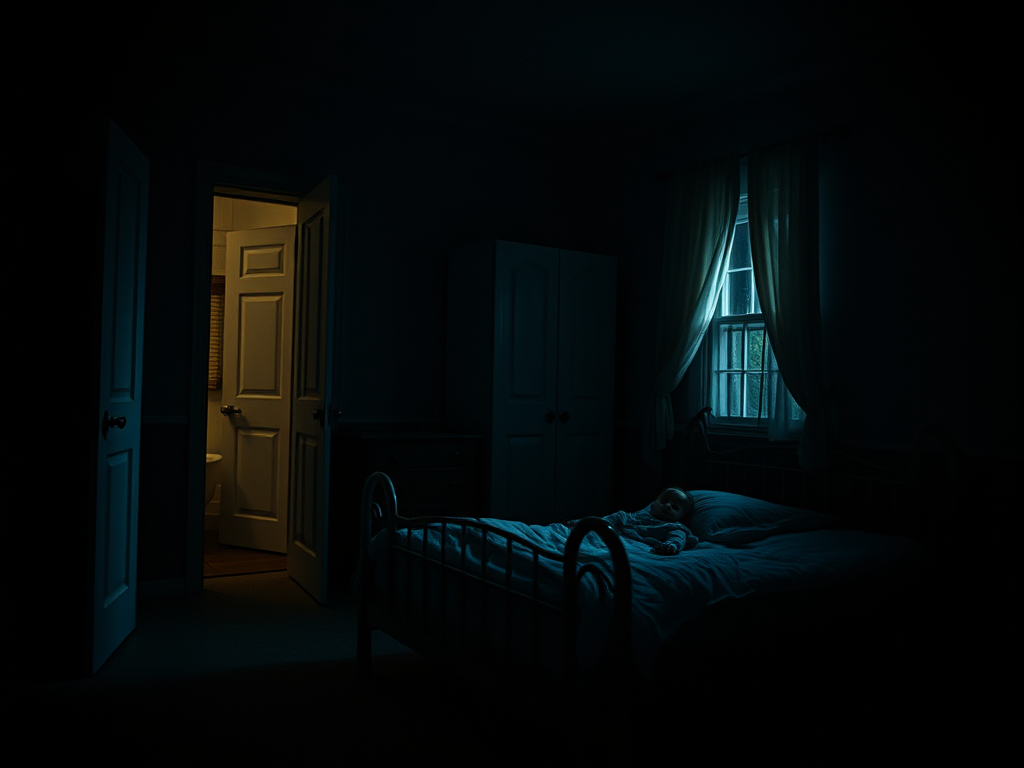
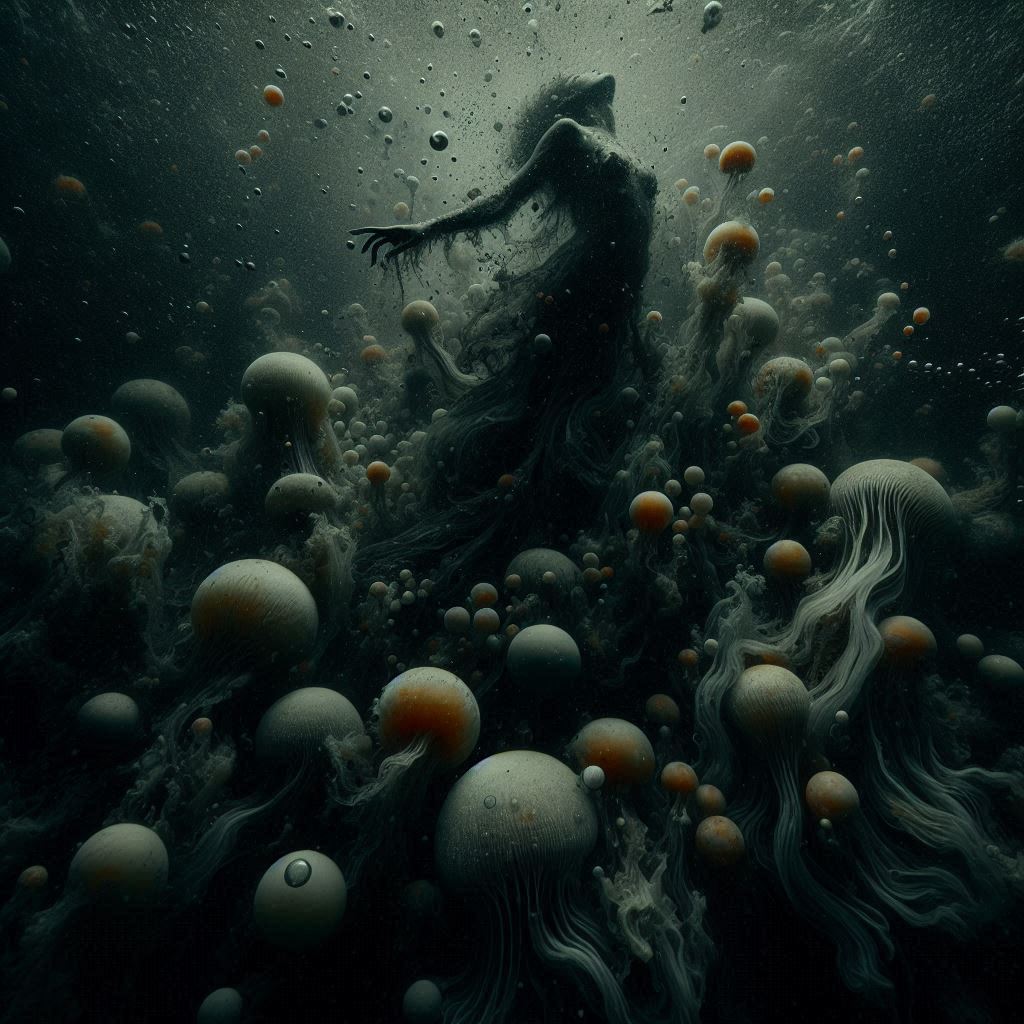
The fear of being powerless in a crisis taps into one of our most primal instincts: the need to protect ourselves and those we care about. Whether in the face of a natural disaster, a sudden emergency, or even societal collapse, the idea of losing control—of being unable to act or make decisions that could safeguard our survival—is a deep and all-encompassing fear. It is the fear that, despite our best efforts, we could be caught in a situation so overwhelming that our instincts, resources, and willpower are rendered useless. In such moments, we are not just afraid of harm or danger; we are afraid of our own helplessness in the face of forces much larger than ourselves.
This fear is deeply ingrained because, throughout history, human beings have had to confront crises that threatened their survival. From natural disasters like earthquakes, hurricanes, and floods to societal breakdowns during wars, famines, or political upheavals, our ancestors lived with the constant threat of external forces that could devastate their lives in an instant. Even in modern times, where we have built systems of relative security, the reality of a world where chaos can strike at any moment still lingers just beneath the surface. A crisis can arrive with no warning, sweeping away the structures we rely on and leaving us vulnerable, exposed, and—worst of all—without the means to protect ourselves or our loved ones.
At the heart of this fear is the recognition that we are, in many ways, at the mercy of forces beyond our control. No matter how advanced our technology becomes, how organised our societies are, or how prepared we think we might be, there are some crises that defy prediction and preparedness. In a natural disaster, for example, the earth itself seems to turn against us. A hurricane or a tornado can wipe out homes, sever communication lines, and disrupt the very infrastructure we depend on. In those moments, no amount of planning or foresight can guarantee safety. We are reminded that, for all our advancements, we are still fragile creatures living on a planet that can shift and change in ways that make us feel small and insignificant.
This fear becomes even more acute when we think about protecting others, particularly those who depend on us. It is one thing to feel powerless in the face of danger ourselves; it is quite another to fear that we cannot protect our children, our partners, our families, or our communities. The fear of failing to protect those we love strikes at the core of what it means to be a caregiver, a protector, a human being in relationship with others. When a crisis hits, the instinct to protect those closest to us kicks in, but so does the gnawing doubt: What if I can’t? What if, despite my best efforts, the situation spirals out of control, and I am left powerless to keep them safe?
In the context of societal collapse, this fear takes on a broader and more terrifying dimension. We live in a world that is, for the most part, structured and ordered. Governments, law enforcement, hospitals, and social safety nets provide a semblance of stability. We go about our daily lives under the assumption that these institutions will function when we need them to—that if disaster strikes, there will be someone or something to turn to for help. But the fear of societal collapse—the fear that these systems could break down entirely—undermines that sense of security. In a world where the rules no longer apply, where the structures we rely on crumble, and where it’s every person for themselves, we are confronted with the chilling reality of our own vulnerability.
In such a scenario, we are forced to confront not only external threats but also the darker side of human nature. When the fabric of society unravels, when the usual protections disappear, the fear isn’t just about natural disasters or shortages of food and water—it’s about other people. The fear that others, too, are desperate, that they will act in ways that are harmful or dangerous, is a key part of the anxiety surrounding societal collapse. In a crisis, it’s not just the storm or the earthquake or the lack of resources that we fear—it’s the breakdown of trust, the loss of community, and the rise of chaos in human behaviour. In moments of extreme desperation, the social bonds that hold us together can fray, and the fear that we cannot protect ourselves from the actions of others becomes all too real.
This fear is compounded by the uncertainty of how we would respond ourselves in a crisis. Many of us like to believe that, in an emergency, we would act decisively, that we would be the calm, collected person who steps up when things go wrong. But the truth is, most of us have never been tested in that way. We’ve never been thrust into a situation where everything we know collapses around us, where survival becomes a day-to-day challenge. And so we fear not just the crisis itself, but our potential failure in the face of it. We worry about freezing, about making the wrong decision, about being paralysed by fear when action is needed most. This self-doubt, this questioning of our own ability to handle a crisis, adds another layer to the fear of powerlessness.
The rise of climate change and the increasing frequency of natural disasters have only heightened this fear in recent years. We are constantly reminded that the forces of nature are becoming more unpredictable, more destructive. Wildfires, floods, hurricanes, and other extreme weather events seem to be happening more frequently and with greater intensity. The sense that the planet itself is becoming more hostile, and that we are losing control over the environment, feeds into the broader fear of powerlessness. It’s not just about one-off events—it’s about living in a world where the future feels increasingly uncertain, where the systems we rely on to protect us might no longer be enough.
The global pandemic of COVID-19 brought this fear to the forefront in a way that few crises have. It was a stark reminder that, despite all our technological and medical advancements, we can still be brought to our knees by forces we cannot see, cannot fully understand, and cannot easily control. The virus spread rapidly, upending lives, economies, and social structures in ways that no one could have predicted. For many, the pandemic felt like a slow-motion crisis, one in which the usual avenues of control—hospitals, governments, even our own behaviour—were constantly shifting. The sense of powerlessness was palpable: the inability to stop the virus, the uncertainty about how to protect ourselves and our loved ones, the overwhelming feeling that life as we knew it was slipping away.
But even in the face of these crises, the fear of being powerless is not absolute. Human beings are remarkably resilient, and history is full of examples of people who have found strength, courage, and ingenuity in the most desperate of circumstances. The fear of powerlessness is, in some ways, a survival mechanism—it forces us to confront our vulnerabilities and prepare for the worst. But it can also be paralysing, leading to inaction and despair. The challenge is in finding the balance between acknowledging the reality of our fears and recognising our own capacity to respond, adapt, and overcome.
In many ways, the fear of being powerless in a crisis is a fear of the unknown. We don’t know when a crisis will strike, how severe it will be, or how we will respond. And that uncertainty is what makes the fear so pervasive. But we also have the capacity to prepare, to build resilience, and to foster communities of support that can help mitigate the worst effects of a crisis. We may not be able to control the forces of nature or the breakdown of societal systems, but we can control how we respond, how we prepare, and how we support one another in times of need.
Ultimately, the fear of powerlessness in a crisis is a reminder of our interconnectedness. While we may feel isolated in our fears, the reality is that crises, by their very nature, affect many people at once. In those moments, our strength comes not from trying to control the uncontrollable but from recognising the importance of solidarity, of mutual aid, and of working together to navigate the challenges we face. The fear of being powerless may never fully go away, but it can be tempered by the knowledge that we are not alone in our struggle to survive and protect the ones we love. In times of crisis, it is our shared humanity—our capacity for compassion, cooperation, and collective action—that can help us reclaim a sense of agency, even in the most daunting of circumstances.