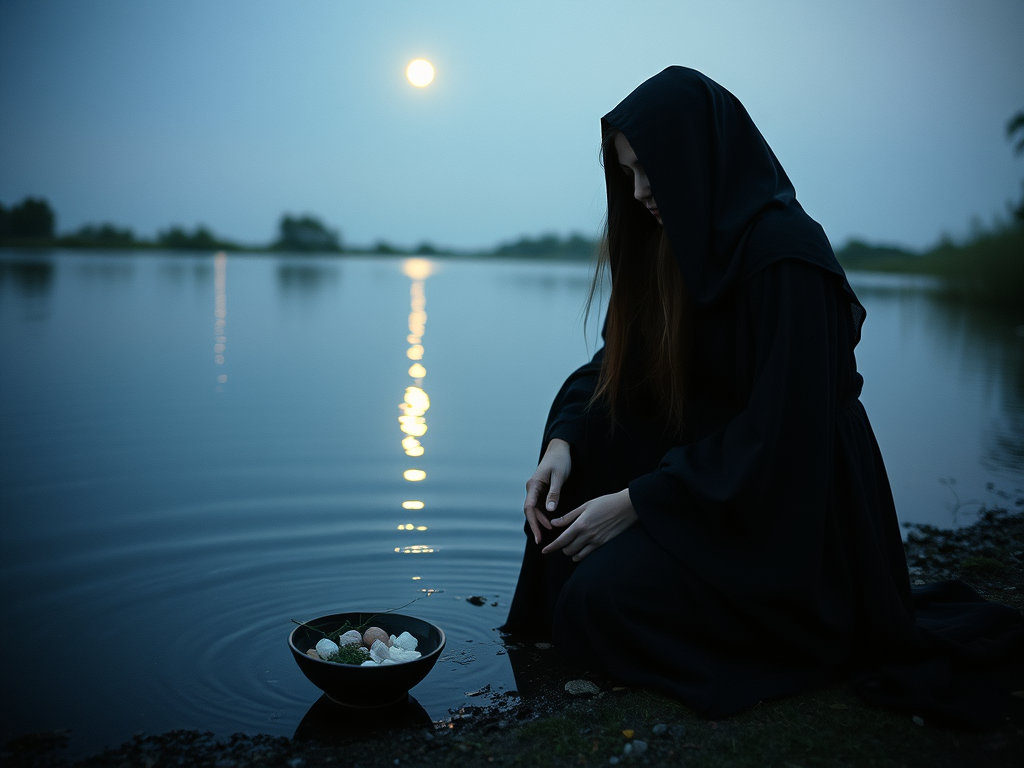
Water has always been a powerful element in the practice of witchcraft, serving as a crucial tool for witches throughout history.
It’s not just a physical substance; for witches, water is symbolic, magical, and deeply connected to the natural world. Water is the element of emotion, intuition, and the subconscious, making it central to many witchcraft practices.
The way witches use water varies from rituals to divination, to spells, and in more subtle, symbolic ways. Whether drawing on the energy of a babbling brook, the stillness of a pond, or the ferocity of the ocean, witches have always understood water as a gateway to both spiritual and natural realms.
One of the most common uses of water in witchcraft is for purification. Just as water cleanses physically, it is used in rituals to cleanse spiritually. Before beginning a spell or ritual, witches may wash their hands or immerse themselves in a bath infused with herbs and oils to wash away negative energy or unwanted influences. This is not merely a practical action but a deeply symbolic one. By engaging in this ritual, witches believe they are aligning their own energy with that of the water, purging themselves of distractions or harmful energies that might interfere with their intent.
Water also plays a prominent role in creating sacred space. Witches may sprinkle water around an area to purify it, sometimes mixed with salt to invoke both the powers of water and earth. This practice is especially common in Wicca, where the mixture of water and salt represents the joining of feminine and masculine energies, creating balance and harmony in the space where magic will be worked. The water is seen as an extension of the witch’s will, carrying their intentions into the world, readying the space for whatever spiritual work is to come.
One of the more intriguing ways witches use water is for scrying, a form of divination. In water scrying, witches look into the reflective surface of still water, much like one would with a crystal ball. The water becomes a mirror to the soul, allowing them to receive messages, symbols, or visions.
Some witches use bowls of water, while others may prefer the natural reflection of moonlight on a pond or the dark surface of a well. In ancient times, scrying with water was believed to be a way to connect with the divine, to peer into the future or uncover hidden truths. It’s a deeply intuitive practice, relying on the witch’s ability to interpret the ripples, shapes, and images that appear in the water.
Beyond its reflective properties, water’s natural movement and flow are also significant. In magic, water is often associated with change and transformation because of its fluid nature. Witches use this energy in spells where they seek to release something from their lives or invite change. For example, a witch might write down something they want to let go of — a fear, a grudge, or a bad habit — and cast it into a river, allowing the water to carry it away. This simple act harnesses the transformative power of water, symbolizing the release of whatever is written down, trusting the water to absorb and transmute it.
Water collected from natural sources holds special significance for witches. Rainwater, for instance, is often used in spells for growth, renewal, and new beginnings. The energy of a fresh rainstorm is invigorating, bringing life and vitality to the earth, and witches tap into this power when working with rainwater. It’s often stored in bottles to be used later in rituals or spellwork, especially for spells involving growth, creativity, or emotional healing. The type of rainwater collected can further influence its magical properties. Water from a thunderstorm, charged with lightning, is especially potent for powerful, high-energy spells, while gentle rain might be used in spells for peace or comfort.
Similarly, water from the ocean is prized for its association with strength, protection, and the unknown depths of the subconscious. The vastness of the ocean represents both creation and destruction, and its tides, ruled by the moon, symbolize the ebb and flow of emotions. Witches might use ocean water in spells related to emotional healing, dreamwork, or protection. The salt in seawater is also significant, as salt itself is considered protective in many traditions. By combining the power of water and salt, ocean water becomes an especially potent tool for cleansing and protection.
Witches also have a deep connection to lunar water, or “moon water,” which is water left out under the light of the full moon to absorb its energy. Full moons are a time of heightened magic, associated with completion, clarity, and illumination. Witches use moon water in various ways, from anointing themselves or their magical tools to adding it to baths, potions, or spells that need a boost of lunar energy. Each phase of the moon brings its own energy, and witches may create moon water during specific phases depending on their intention. For instance, water charged under a waxing moon might be used for growth or manifestation spells, while water from a waning moon might help with banishing or releasing.
Another significant practice is working with holy or blessed water. This isn’t exclusive to witchcraft, as many religions use holy water in rituals, but witches may create their own blessed water for use in their magic. This water is typically infused with intent, perhaps during a ritual under a certain moon phase or in the presence of specific deities or spirits. It might be used to cleanse a person, an object, or a space, and can even be used in protection spells. Water blessed in this way is often kept on hand for emergency situations where quick spiritual cleansing or protection is needed.
In addition to all its active uses, water also holds a quiet, meditative place in a witch’s life. The mere presence of water can create a sacred atmosphere, whether it’s the gentle trickling of a stream, the rhythmic crashing of ocean waves, or the stillness of a lake. Witches often meditate near water to attune themselves to its energy, finding peace, clarity, and connection to their intuition. Water is an element that encourages emotional depth, helping witches explore their own feelings and subconscious through quiet reflection. In fact, water’s ability to mirror — not just physically, but emotionally and spiritually — makes it one of the most powerful elements for internal work.
Witches also respect the cycles of water in nature, understanding that water is never static. It evaporates, condenses, and falls as rain, moving through an endless cycle of transformation. This cycle mirrors many of the spiritual beliefs held by witches, such as the cycles of life, death, and rebirth. Water’s ability to take different forms — liquid, solid, and gas — is a reminder of the fluidity of life, the inevitability of change, and the interconnectedness of all things. It is both gentle and fierce, nurturing and destructive, always in motion. Witches often use water as a symbol of this natural flow, especially in rituals honoring the cycles of the seasons or the phases of the moon.
In every form, water holds a deep and sacred place in the craft. Its role in witchcraft is multifaceted, offering both practical and spiritual uses. From purification to divination, from healing to transformation, water is a constant, flowing presence in the life of a witch. It is a reminder of the powerful forces of nature that witches seek to align themselves with and the profound emotional and spiritual depths they strive to explore. For witches, water is more than just an element; it is a living, breathing force of magic.