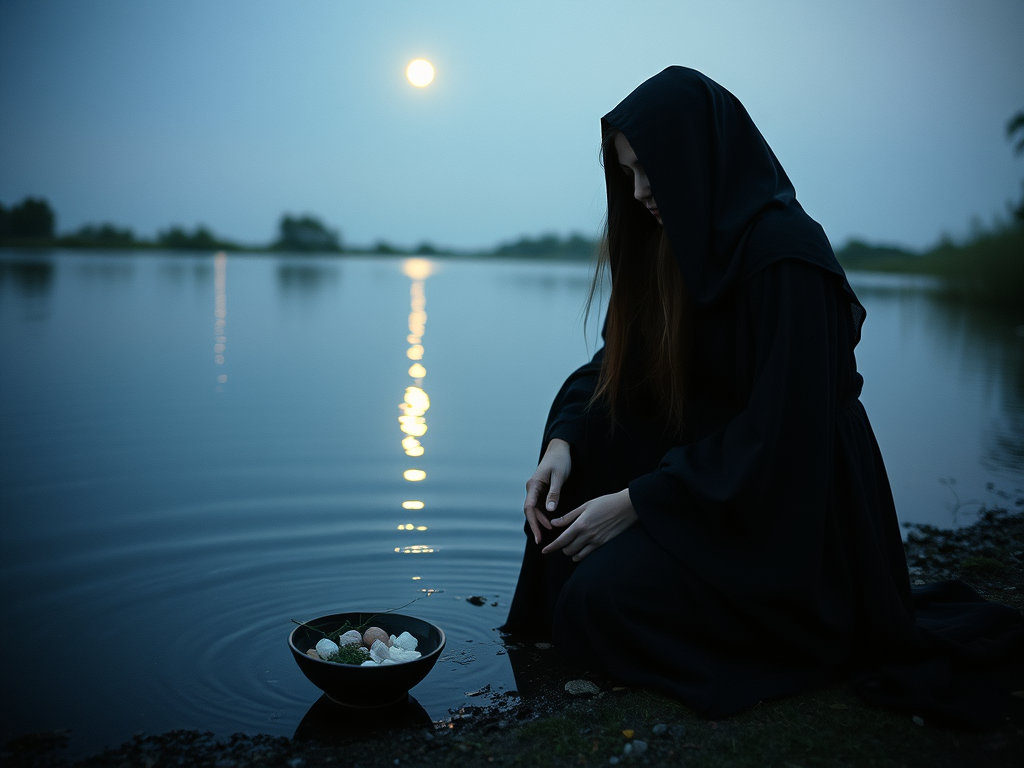
In every form, water holds a deep and sacred place in the craft. Its role in witchcraft is multifaceted, offering both practical and spiritual uses.
Tag: Pagan

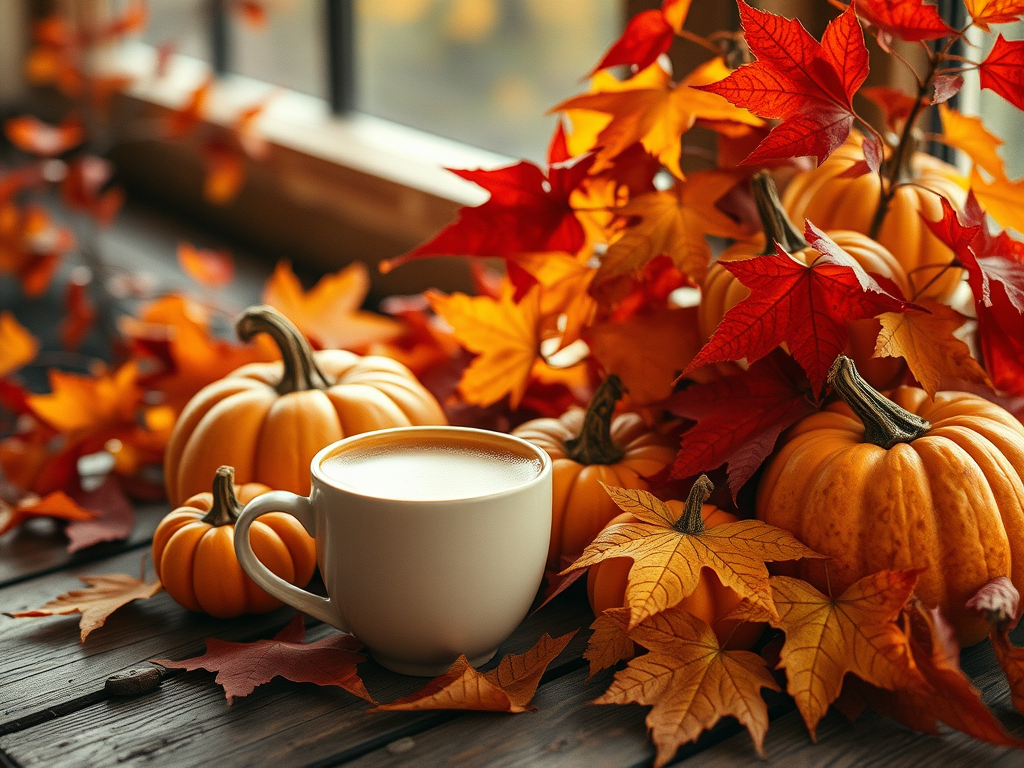
Mabon – A Harvest Celebration and Celtic Deity
Ever wonder what the difference between the Equinox and Mabon is? Well, pull up a pumpkin..
Sharing's Caring!


Harvest Moon 2024 – Ancient Traditions and Superstitions
The Harvest Moon of 2024 is a time steeped in ancient superstition, rich folklore, and long-standing traditions. Falling on the 17th of September, this full […]
Sharing's Caring!


Lammas and Lughnasadh – Gratitude, Rituals, and Community Gatherings
Lughnasadh, also known as Lammas, is a traditional Gaelic festival that marks the beginning of the harvest season and is celebrated on August 1st. As […]
Sharing's Caring!


Practical Magic: Full Buck Moon Rituals, Capricorn Influence, and Feast
I’m still so wrapped up in Welsh folklore and mythology after our recent MT Roadtrip to Wales that I almost forgot to write up an […]
Sharing's Caring!


Beltane.
Beltane is a Gaelic festival marking the beginning of summer, celebrated on May 1st in the Northern Hemisphere. Traditionally observed with maypole dancing, bonfires, floral decorations, feasting, and rituals, it symbolizes renewal and fertility. Today, it is celebrated by neopagans, Wiccans, and nature-connected communities as a time of joy and connection.
Sharing's Caring!


The Morrigan in Celtic Mythology
The Morrigan, a central figure in Celtic mythology, embodies sovereignty, battle, and prophecy. Her enigmatic nature and association with war and sovereignty have inspired debates among scholars. In Irish mythology, she appears as a crow or a woman, influencing battles and testing kings. Her influence extends to contemporary culture and spirituality, resonating with seekers and practitioners.
Sharing's Caring!

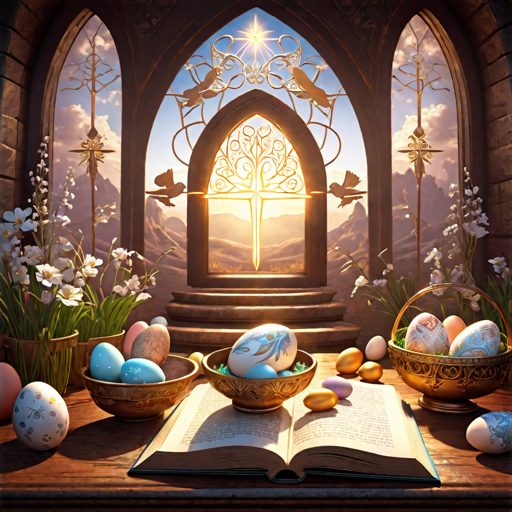
Embrace the Spirit of Eostre: A Guide to Rituals, Spells, Offerings, and Feast Ideas.
Eostre, also known as Ostara, symbolizes spring, renewal, and fertility in pagan traditions. Celebrate with rituals like the Spring Equinox, cleansing, and seed planting. Cast spells for fertility, renewal, and abundance. Offer eggs, flowers, and honey to honor Eostre. Feast on spring salad, herb-roasted vegetables, and lemon-herb roast chicken. Embrace renewal, fertility, and new beginnings. Blessed be!
