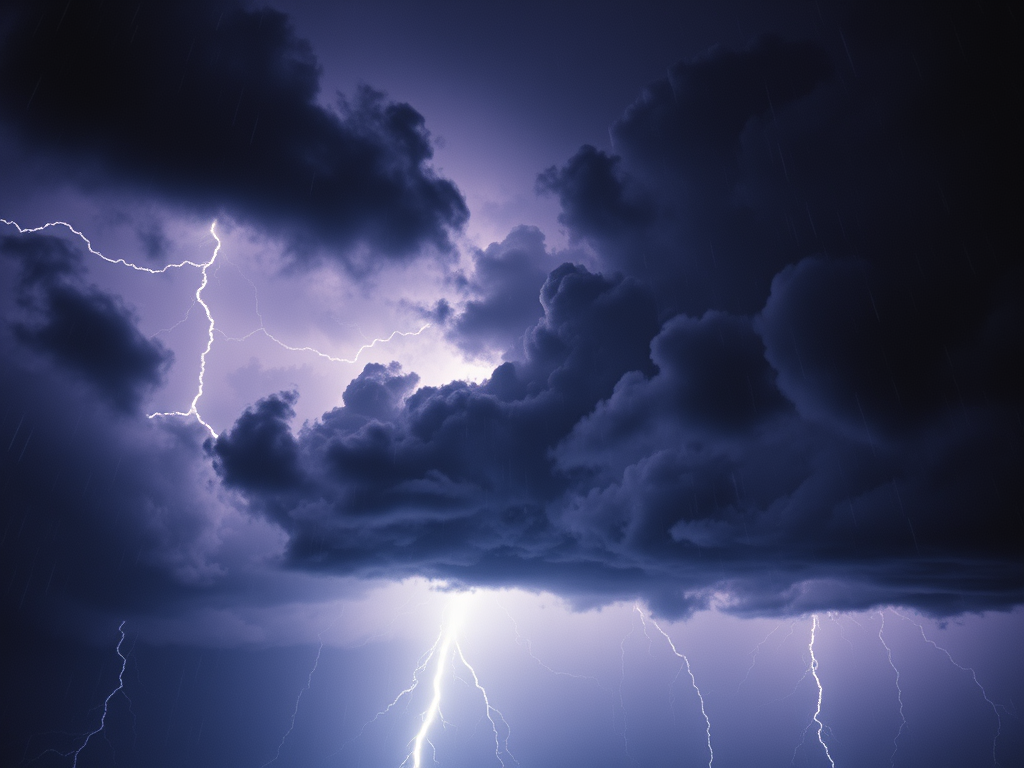
The fear of thunder and lightning, often referred to as astraphobia or brontophobia, is one of the more common fears experienced by both children and adults.
Despite our technological advancements and the ability to predict weather patterns with relative accuracy, the raw, unpredictable power of a thunderstorm still evokes a deep primal fear in many people.
This reaction is deeply rooted in psychology, biology, and the history of human experience with nature. To understand why thunder and lightning create such anxiety for some individuals, we must explore the layers of psychology behind this fear, its origins, and how it manifests in different stages of life.
To begin with, fear itself is a fundamental survival mechanism. It’s the brain’s way of protecting us from perceived threats by triggering a series of physiological responses – what we know as the “fight or flight” response. When faced with a potential danger, like the roar of thunder or the sudden flash of lightning, the brain sends signals to the adrenal glands to release adrenaline and cortisol, the stress hormones. These hormones prepare the body to either flee from the threat or confront it, depending on the situation.
For our ancestors, these responses were essential. Thunderstorms presented real dangers – trees could fall, floods could occur, and lightning strikes could cause fires. Over time, our brains evolved to associate these natural phenomena with risk and potential harm. Even though most modern humans are safely indoors during storms, the brain’s hardwired response to thunder and lightning remains.
Another aspect of the fear of thunderstorms comes from the unpredictability of these events. The human brain craves order, predictability, and control. Thunderstorms, with their chaotic bursts of sound and light, represent the opposite of that. A person can be sitting quietly at home when suddenly, a thunderclap shatters the peace. It’s this suddenness and lack of control that can trigger feelings of anxiety or dread. The brain is constantly seeking patterns to make sense of the world, and thunderstorms refuse to follow a simple, predictable pattern. This unpredictability can make some people feel powerless, a feeling that amplifies their fear.
Moreover, there is the sheer sensory overload that thunderstorms bring. Thunder is loud. It can make windows rattle and walls shake. For some, particularly those with heightened sensitivity to noise, this can be overwhelming. The sound of thunder triggers the amygdala, the part of the brain responsible for processing emotions like fear, and activates the body’s startle reflex.
Lightning, too, can be jarring. The bright, sudden flash followed by the booming sound of thunder can create a sensory dissonance that unsettles the nervous system. These sensory experiences, combined with the natural human aversion to loud noises and sudden flashes of light, contribute significantly to the fear response.
This fear is also compounded by the cultural and historical narratives surrounding thunderstorms. In many ancient civilizations, thunderstorms were seen as manifestations of divine wrath. The gods were often thought to control the weather, and a thunderstorm was interpreted as a punishment or warning.
In Greek mythology, for example, Zeus would hurl thunderbolts as a weapon. Similarly, in Norse mythology, Thor wielded a hammer that created thunder and lightning. These ancient beliefs may no longer be prevalent in modern society, but they have left a lasting psychological imprint. The association between thunderstorms and power beyond human control still lingers in our collective consciousness, feeding into the fear some people feel.
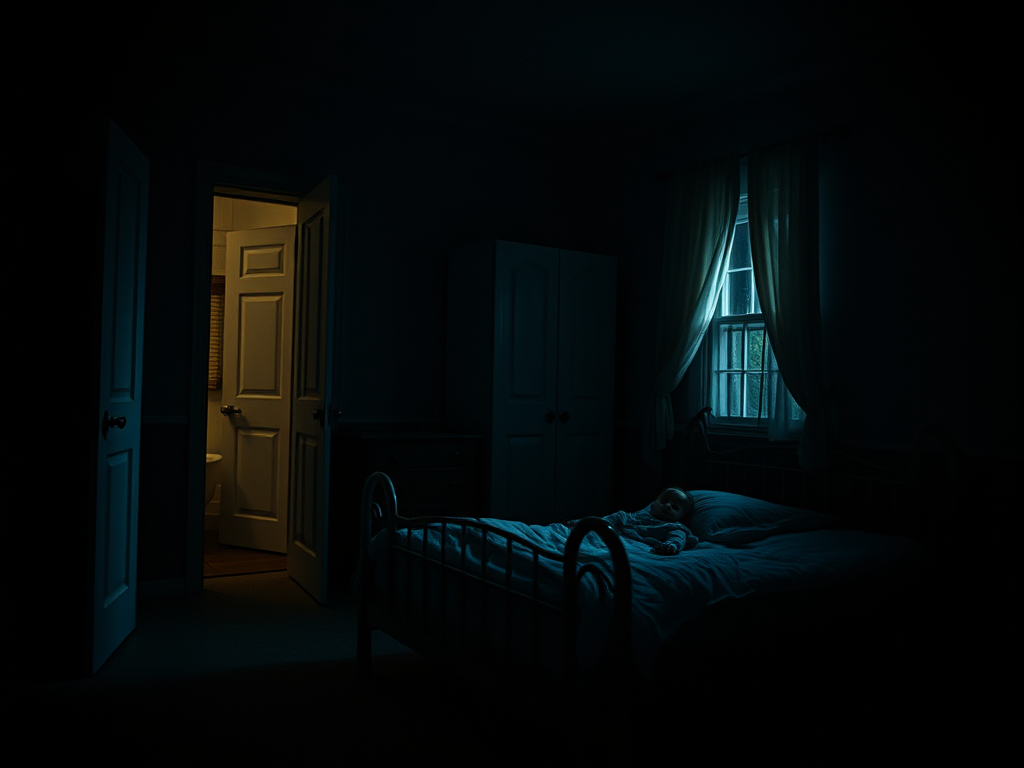
Children, in particular, are prone to developing fears of thunderstorms. Their minds are still forming, and their ability to rationalize and understand natural phenomena is limited. To a young child, a thunderstorm can seem like a terrifying force of nature, something monstrous that comes without warning and brings with it loud, frightening sounds. It’s not uncommon for children to cover their ears, hide under blankets, or run to their parents during a thunderstorm. This behavior is a natural response to the fear, as children look to their caregivers for safety and reassurance. If a parent reacts calmly to the storm, the child may eventually learn to do the same. However, if a parent or other adult figure expresses fear or anxiety during thunderstorms, the child might internalize this response and carry it into adulthood.
Phobias like astraphobia can also develop in adulthood, often stemming from a traumatic experience related to thunderstorms. For instance, someone who has witnessed a lightning strike up close, experienced property damage from a storm, or even heard about such events might develop an acute fear. The brain, in an attempt to protect the individual, may start to associate the sight of dark clouds or the sound of distant thunder with the traumatic memory. Over time, this can lead to heightened anxiety even before the storm begins, as the person anticipates the fear they will feel once the storm is fully underway. This type of conditioned fear response is a key component of many phobias and can be difficult to break without professional help.
On a deeper psychological level, the fear of thunderstorms can also be symbolic of broader anxieties or feelings of helplessness. Storms, by their nature, are uncontrollable forces. They come whether we want them to or not, and we can do little to stop them. For some individuals, this lack of control over the external environment mirrors a lack of control they feel in their personal lives. The storm becomes a metaphor for chaos or overwhelming emotions that they feel unable to manage. In this way, astraphobia can sometimes be less about the storm itself and more about the individual’s overall sense of security and control in the world.
Interestingly, some people who are fearful of thunderstorms are also fascinated by them. There’s a certain awe that comes with witnessing the power of nature unleashed. For these individuals, the fear is mixed with a sense of wonder and curiosity. This dual response can create a complex relationship with thunderstorms, where the individual feels both drawn to and repelled by them. This is not unlike the way some people react to other dangerous phenomena, such as watching a horror movie or standing near the edge of a cliff. The thrill of facing something terrifying from a safe distance can provide a rush of adrenaline that is both exciting and frightening.
In cases where the fear of thunderstorms becomes debilitating, therapy can be highly effective. Cognitive behavioral therapy (CBT), in particular, is often used to help individuals challenge and reframe their fear responses. By exposing the individual to the sounds and sights of thunderstorms in a controlled setting, therapists can help desensitize them to the stimuli that trigger their fear. Over time, the brain learns that thunderstorms, while powerful, are not as dangerous as it initially perceived them to be. In some cases, relaxation techniques such as deep breathing or progressive muscle relaxation can also help individuals manage their physical reactions to fear, reducing the intensity of the fight or flight response.
There is also a social component to overcoming the fear of thunderstorms. Sharing the experience with others can reduce the feeling of isolation that often accompanies intense fear. Whether it’s a family member, friend, or support group, talking about the fear and hearing others share similar experiences can normalize the emotions and make them feel less overwhelming. For children, having a trusted adult explain thunderstorms in a calm and reassuring way can go a long way in reducing fear. Sometimes, simply learning about how thunderstorms form and why they happen can demystify the experience and lessen the anxiety associated with them.
In conclusion, the fear of thunder and lightning is a complex psychological phenomenon rooted in both biological survival instincts and cultural influences. While it can vary in intensity from mild discomfort to a full-blown phobia, it is a fear that has been passed down through generations, shaped by our ancestors’ experiences with the natural world.
Whether it’s the unpredictability of the storm, the sensory overload, or the feeling of helplessness in the face of such a powerful force, thunderstorms tap into some of our deepest fears about safety and control. However, through understanding, therapy, and support, it is possible for individuals to overcome this fear and learn to coexist with the awe-inspiring power of nature.