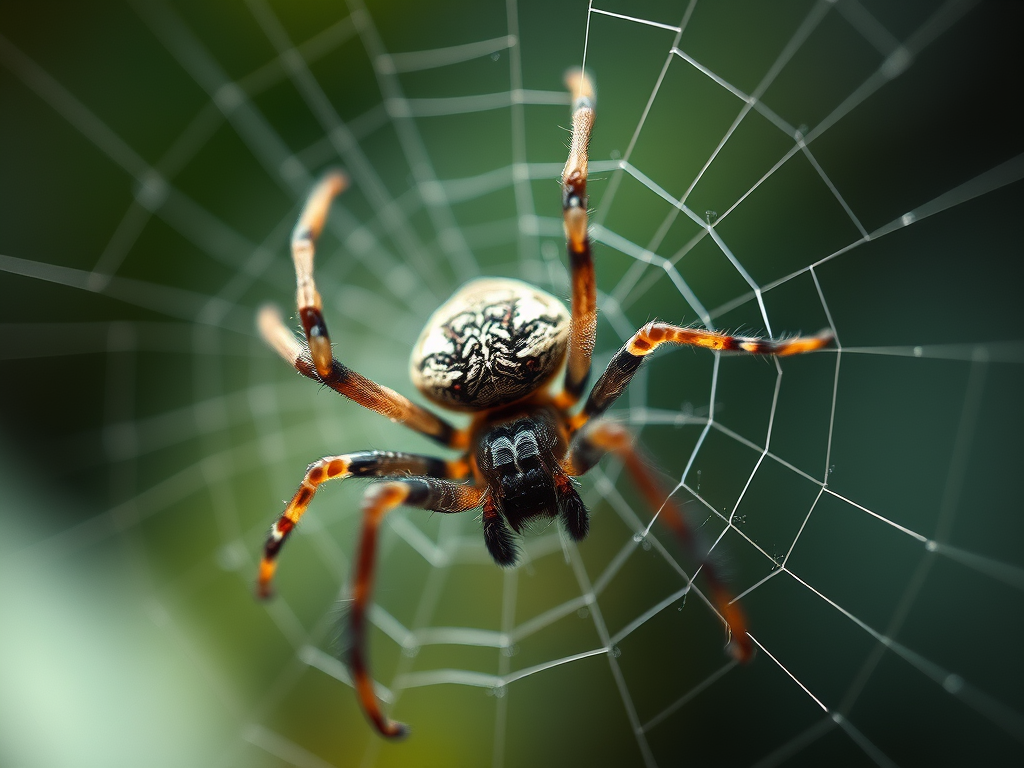
Arachnophobia, or the fear of spiders, is one of the most common specific phobias, affecting millions of people worldwide. This intense and often irrational fear of spiders has perplexed psychologists for years, as it seems disproportionate to the actual threat spiders pose, at least in most modern settings. Understanding the psychology of arachnophobia requires delving into the biological, evolutionary, cognitive, and emotional factors that contribute to its development and persistence.Phobias, in general, are characterized by an excessive and persistent fear of a specific object, situation, or activity, which leads to avoidance behavior or intense distress when confronted with the feared stimulus. In the case of arachnophobia, the mere sight of a spider or even thinking about one can trigger a range of anxiety responses, from mild unease to full-blown panic attacks. This reaction is often out of proportion to the actual danger posed by the spider, which, in most cases, is minimal. While some species of spiders are venomous, the majority are harmless, and serious harm from a spider bite is rare. Nonetheless, the fear persists in many individuals, leading to significant distress and avoidance behaviors.One of the key questions in understanding arachnophobia is why some people develop such an intense fear of spiders while others do not. There is no single answer to this question, but rather a combination of biological, environmental, and psychological factors that contribute to the development of arachnophobia.From an evolutionary perspective, some researchers believe that arachnophobia may have an adaptive basis. Throughout human history, encountering venomous creatures such as spiders could have posed a genuine threat to survival. In this sense, a heightened sensitivity to potentially dangerous animals like spiders would have been advantageous in ancestral environments. Those who were more cautious or fearful of spiders may have been more likely to avoid harmful encounters and, thus, survive to pass on their genes. This theory, known as the evolutionary preparedness hypothesis, suggests that humans may have an innate predisposition to fear certain types of animals, particularly those that were historically dangerous, such as snakes, spiders, and large predators. This predisposition is not a guarantee that someone will develop a phobia, but it may make some individuals more susceptible to fear of spiders, especially if they encounter negative experiences or learn fear responses from others.Learning and conditioning also play a significant role in the development of arachnophobia. From a psychological standpoint, phobias are often acquired through classical conditioning. A person may have a traumatic or frightening experience involving a spider, such as being bitten or seeing a spider in a startling or threatening situation. This experience can create a strong association between spiders and fear. Over time, the fear response becomes automatic and is triggered by even the smallest reminder of spiders, such as seeing a picture of one or hearing about them. In some cases, individuals may not even remember the initial event that triggered their fear, but the conditioned response remains.Observational learning, or modeling, can also contribute to the development of arachnophobia. Children, in particular, are highly influenced by the reactions of their parents and caregivers. If a child observes a parent or sibling reacting with fear or disgust to a spider, they may learn to associate spiders with fear, even if they have never had a negative encounter with one themselves. This type of fear transmission is common in families where one or more members have a specific phobia. The child may come to believe that spiders are dangerous or disgusting simply because they have witnessed others reacting that way. Over time, this learned fear can become deeply ingrained and difficult to overcome.Cognitive factors also play an important role in the maintenance of arachnophobia. People with arachnophobia often overestimate the likelihood and severity of encountering a spider, and they may also overestimate the danger posed by the spider. This cognitive distortion, known as catastrophic thinking, can lead to a heightened state of anxiety and hypervigilance. For example, someone with arachnophobia might believe that if they see a spider, it will inevitably crawl on them or bite them, even though the actual risk of this happening is very low. This type of thinking reinforces the fear response and makes it difficult for the person to approach spiders in a calm and rational manner.Avoidance behavior is another critical factor in the persistence of arachnophobia. When someone avoids spiders, they do not give themselves the opportunity to disconfirm their fears. Instead, avoidance reinforces the belief that spiders are dangerous and that the fear is justified. This creates a vicious cycle in which the person becomes more and more fearful of spiders, as they never have the chance to learn that their fears are exaggerated or unfounded. Over time, the avoidance behavior can become more extreme, with the person going to great lengths to ensure they do not encounter a spider. This can significantly impact their quality of life, as they may avoid certain activities, places, or even entire regions where they believe spiders are more likely to be present.Emotional regulation is another key aspect of arachnophobia. People who are more prone to anxiety in general may be more likely to develop specific phobias like arachnophobia. Research has shown that individuals with high levels of trait anxiety – a stable tendency to experience anxiety across a range of situations – are more susceptible to developing phobias. This may be because people with high trait anxiety are more likely to interpret ambiguous or neutral stimuli as threatening, leading them to develop fears that others might not. In the case of arachnophobia, someone with high trait anxiety might be more likely to interpret a spider’s movement or appearance as menacing, even if the spider poses no real threat. This heightened sensitivity to potential danger can make it more difficult for the person to regulate their emotional response to spiders, leading to a stronger and more persistent fear.Biological factors, such as genetics and neurobiology, may also contribute to the development of arachnophobia. Some research suggests that certain individuals may be genetically predisposed to develop anxiety disorders, including specific phobias. Twin studies, for example, have shown that identical twins are more likely to both have specific phobias than fraternal twins, suggesting a genetic component to the development of these fears. In addition, neuroimaging studies have shown that individuals with arachnophobia often exhibit heightened activity in the amygdala, a region of the brain that plays a key role in processing fear and threat-related information. This heightened activity may make it more difficult for individuals with arachnophobia to regulate their fear response to spiders, as their brain is more sensitive to perceived threats.Treatment for arachnophobia typically involves a combination of cognitive-behavioral therapy (CBT) and exposure therapy. CBT helps individuals identify and challenge the distorted thoughts and beliefs that contribute to their fear of spiders, such as the belief that all spiders are dangerous or that they are likely to be harmed if they encounter one. By addressing these cognitive distortions, individuals can begin to reduce their anxiety and approach spiders in a more rational and controlled way. Exposure therapy, on the other hand, involves gradually and systematically exposing the person to spiders in a controlled and safe environment. The goal of exposure therapy is to help the person confront their fear and learn that their anxiety decreases over time, even in the presence of the feared object. Over time, repeated exposure can help desensitize the person to spiders and reduce their fear response.Virtual reality (VR) exposure therapy is a newer approach that has shown promise in treating arachnophobia. In VR therapy, individuals are exposed to virtual spiders in a realistic but controlled environment. This allows them to confront their fear without the risks or unpredictability of real-world exposure. VR therapy can be particularly useful for individuals who are extremely fearful of spiders and may not be ready to face a real spider in the early stages of treatment.In addition to therapy, some individuals with severe arachnophobia may benefit from medication, such as anti-anxiety medications or beta-blockers, to help manage their symptoms. However, medication is typically not a long-term solution and is often used in conjunction with therapy to help individuals cope with the anxiety associated with exposure to spiders.Despite the various treatment options available, overcoming arachnophobia can be challenging, especially for those who have lived with the fear for many years. However, with the right combination of therapy and support, many individuals are able to significantly reduce their fear of spiders and improve their quality of life. For some, the goal may not be to completely eliminate their fear, but rather to learn to manage it in a way that allows them to live without excessive avoidance or distress.In conclusion, arachnophobia is a complex and multifaceted fear that is shaped by a combination of evolutionary, psychological, cognitive, and emotional factors. While spiders may no longer pose a significant threat to most people in modern society, the fear of spiders persists for many individuals, often causing significant distress and avoidance behavior. Understanding the underlying causes of arachnophobia is key to developing effective treatments that can help individuals manage their fear and lead more fulfilling lives. Whether through traditional cognitive-behavioral therapy, exposure therapy, or newer approaches like virtual reality therapy, there is hope for those who struggle with this common and debilitating fear.
31 Days of Fear – 26. Fear of Spiders