November is a month rich in history and tradition, celebrated across the world with a blend of festivals, saints’ days, and significant historical dates. It’s a time when the year turns colder (in the northern hemisphere) and communities come together to reflect, honor their cultures, and observe meaningful rituals.
Let’s journey through this remarkable month, highlighting global and historical days that bring us together.
All Saints’ Day and All Souls’ Day (November 1-2) – November kicks off with two deeply spiritual days in many Christian traditions.
All Saints’ Day, celebrated on November 1, honors the saints—both famous and lesser-known—who’ve achieved spiritual grace. Originating as a way to remember saints and martyrs, the day evolved from an early Christian feast to a widely recognized holy day.
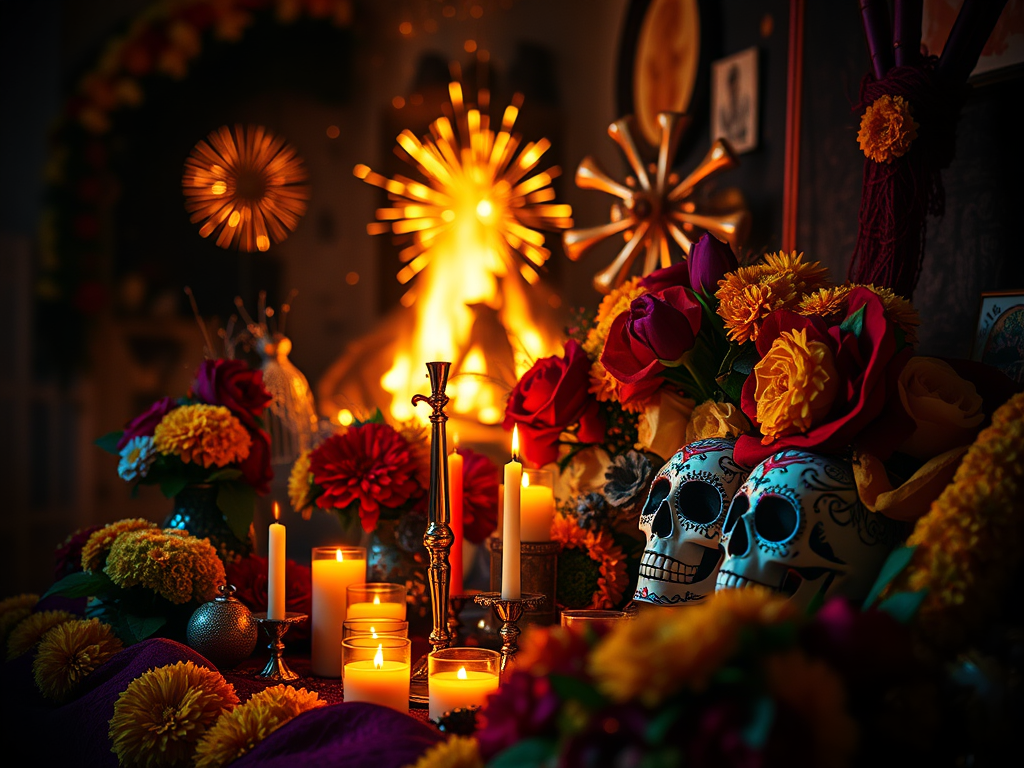
On November 2, All Souls’ Day, people honor their deceased loved ones. This day, closely linked with the Mexican Día de los Muertos, or Day of the Dead, sees families remembering and celebrating the lives of those who have passed on. In Mexico, Day of the Dead festivities can be especially vibrant, involving music, sugar skulls, colorful altars, and marigolds. It’s a time of joy, remembrance, and the idea that death is merely a part of life.
Guy Fawkes Night (November 5)
One of the most famous November events in Britain is Guy Fawkes Night, held on November 5. The holiday commemorates the failed Gunpowder Plot of 1605, when conspirator Guy Fawkes attempted to blow up the English Parliament. The plot, aimed at overthrowing the government, was foiled, and Guy Fawkes became infamous as the man who symbolized this rebellion.
People across the UK light bonfires and set off fireworks to commemorate this day, often with a straw effigy of Fawkes on top of the bonfire. It’s a night of excitement and nostalgia, with toffee apples, sparklers, and hot drinks to combat the chilly autumn air.
Armistice Day and Remembrance Day (November 11)
November 11 holds significant historical weight, marking the end of World War I. Known as Armistice Day in many countries, it was on this day in 1918 that hostilities ceased on the Western Front. Armistice Day is widely observed as Remembrance Day in Commonwealth countries, particularly in the UK and Canada.
People wear red poppies as a symbol of the bloodshed and to honor fallen soldiers. The “eleventh hour of the eleventh day of the eleventh month” is often marked by two minutes of silence.
Veterans Day, observed on the same day in the United States, honors all who have served in the military.
Diwali (Varies, often in November)Diwali, the Hindu festival of lights, typically falls between October and November, depending on the lunar calendar. This five-day festival is celebrated by millions in India and around the world. Diwali represents the triumph of light over darkness and good over evil.
During the festival, homes are cleaned and decorated with clay lamps, candles, and rangoli art made of colored powders or flowers. Families gather for feasts, exchange sweets, and set off fireworks. Diwali’s spirit of renewal and hope brings people together to celebrate life, prosperity, and the bonds of family and friendship.
Saint Martin’s Day (November 11)
Saint Martin’s Day, celebrated primarily in parts of Europe, is held in honor of St. Martin of Tours. He’s remembered for his kindness, famously sharing his cloak with a beggar during a snowstorm.
In countries like Germany, the Netherlands, and Austria, children celebrate by carrying lanterns and singing songs in evening processions.
Saint Martin’s Day also marks the end of the agricultural year and the start of preparations for winter in certain regions. A traditional meal on this day often includes roast goose, a symbolic part of the celebration in several European cultures.
Thanksgiving (Fourth Thursday in November in the United States)
Thanksgiving, observed in the United States on the fourth Thursday of November, is one of the most iconic holidays of the month.
Rooted in harvest traditions, Thanksgiving as we know it began in the 17th century with the Pilgrims and Native Americans in Plymouth.
Today, it’s a secular holiday for giving thanks, sharing a meal with loved ones, and celebrating the autumn bounty.
Turkey, stuffing, cranberry sauce, and pumpkin pie are mainstays of the Thanksgiving feast. Americans across the country also enjoy watching the Macy’s Thanksgiving Day Parade or a football game.
Thanksgiving reminds people to pause, reflect, and appreciate the good in their lives.
St. Andrew’s Day (November 30)
St. Andrew’s Day on November 30 is Scotland’s official national day and a celebration of its patron saint, Andrew the Apostle. The day has a festive, cultural significance as Scots gather to celebrate their heritage.
Scottish symbols like the Saltire (St. Andrew’s cross) and thistles are prominent. Many towns hold events with traditional Scottish music, dancing, and food, such as haggis, neeps, and tatties.
Though not as widely known as St. Patrick’s Day for Ireland, St. Andrew’s Day marks a time of pride for Scots and is an official holiday in Scotland.
International Men’s Day (November 19)Observed in more than 70 countries, International Men’s Day on November 19 is dedicated to promoting positive male role models, gender equality, and men’s health.
While not as widely celebrated as Women’s Day, the event highlights the importance of men’s mental health, the value of fatherhood, and the need to address gender-based issues that affect men and boys. This day seeks to create a balanced conversation about gender and to foster respect and understanding.
World Diabetes Day (November 14)
November 14 is World Diabetes Day, held on the birthday of Frederick Banting, who co-discovered insulin. The day raises awareness of diabetes, a global health issue affecting millions.
World Diabetes Day aims to educate the public about risk factors and promote better understanding of this chronic illness. Cities worldwide light up monuments in blue, the symbol of diabetes awareness, to call attention to the importance of early diagnosis and access to treatment.
Other Notable Days in November
The month also includes other interesting and noteworthy days.
November 13 is celebrated as World Kindness Day, encouraging people to spread kindness and positivity. Meanwhile, November 20 is Universal Children’s Day, promoting the welfare and rights of children around the world, especially in developing countries.
Singles Day on November 11, originally a humorous anti-Valentine’s Day celebration in China, has turned into the world’s largest online shopping day, as retailers encourage single individuals to “treat themselves.” And on November 25, the United Nations marks the International Day for the Elimination of Violence Against Women, calling for awareness and action against gender-based violence.
November weaves together a variety of traditions, from solemn remembrances to joyous festivals, all marking significant themes: gratitude, remembrance, and renewal. From celebrating historic figures and saints to embracing kindness and community, these dates reflect the heart of humanity.