Porridge, a simple yet deeply comforting dish, has long been a cornerstone of Scottish culture and identity. More than just a humble breakfast, it embodies centuries of tradition, superstition, and folklore, weaving its way through Scotland’s history and hearths. To many, porridge is more than sustenance; it’s a ritual, a symbol, and even, at times, a matter of pride and contest.
In Scotland, porridge is made traditionally from oats, a grain perfectly suited to the country’s harsh climate and rocky soil. While oats may seem unassuming, their cultivation and use have been integral to the Scottish way of life for centuries.
Porridge, in particular, was once the lifeblood of many rural communities, offering a hearty, inexpensive meal that could sustain farmers and labourers through long days of toil.
But while porridge’s practicality is undeniable, its cultural significance stretches far beyond its nutritional value.
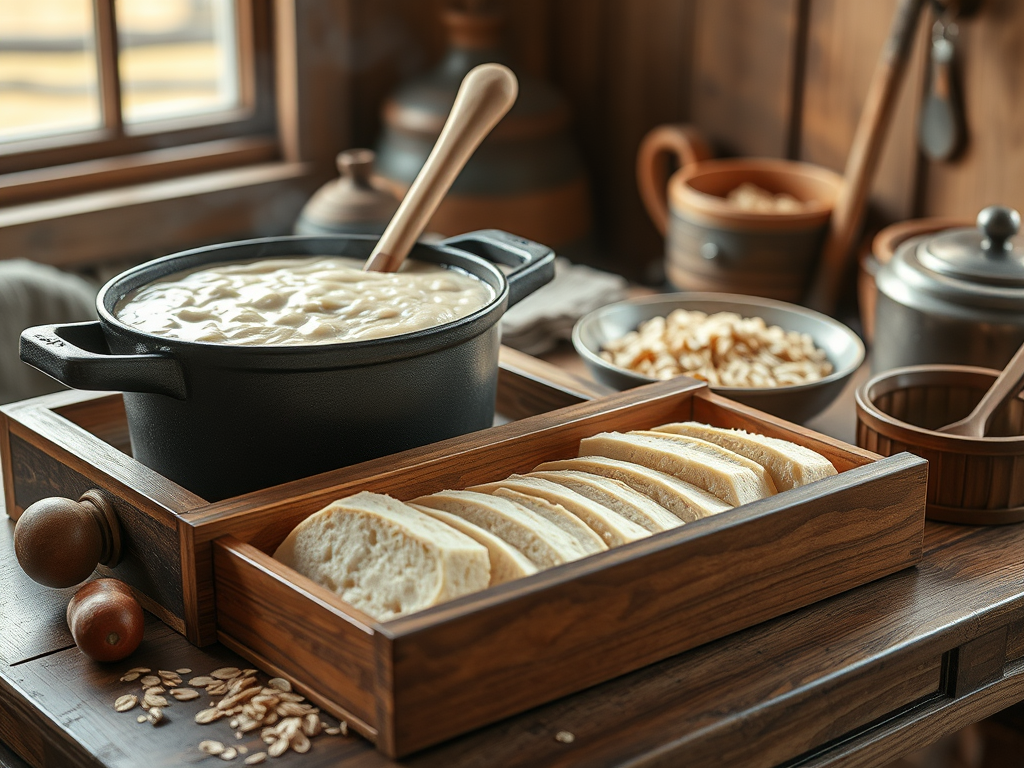
Let’s begin with the preparation, a process steeped in both practicality and mystique. Traditionally, porridge is made in a pot, ideally a cast-iron one, with nothing but oats, water, and a pinch of salt. No milk, no sugar, and certainly no modern sweeteners were allowed in the original recipe.
Purists maintain that these three simple ingredients are all you need to make authentic porridge. The cooking process is slow and deliberate, requiring constant stirring to achieve the ideal creamy consistency without lumps.
This stirring, however, isn’t just for culinary reasons. According to tradition, the porridge must always be stirred clockwise with a wooden spurtle – a stick-like utensil specifically designed for the task.
Why clockwise?
Folklore dictates that stirring anticlockwise invites bad luck and might even summon the devil himself.
This ritualistic stirring is thought to align with the sun’s movement, warding off malevolent spirits and ensuring the household’s wellbeing.
Once the porridge is ready, the eating of it brings its own set of customs.
Historically, porridge was poured into a wooden drawer to cool and then sliced into portions. This allowed it to be eaten throughout the day, sometimes cold, as a portable snack for workers in the fields.
Some families even had designated porridge drawers, which were cleaned meticulously and dedicated solely to this purpose. In the days before refrigeration, this ingenious method of storage kept the porridge edible for longer, although modern hygiene enthusiasts might find the idea somewhat alarming.
Another long-standing tradition is the use of individual porridge bowls. In some Scottish households, these bowls were family heirlooms, passed down through generations. Everyone had their own bowl, and woe betide anyone who dared use someone else’s. This practice underscores the deep personal connection Scots often feel with their porridge, treating it not merely as food but as a shared ritual tied to family and history.
Superstitions don’t stop at preparation and eating. In times past, porridge played a role in divination and protection. Farmers might leave a small bowl of porridge on the hearth as an offering to household spirits, seeking their favour for a bountiful harvest.
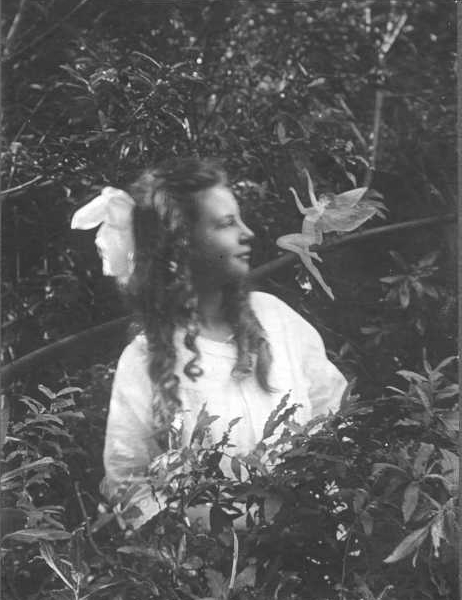
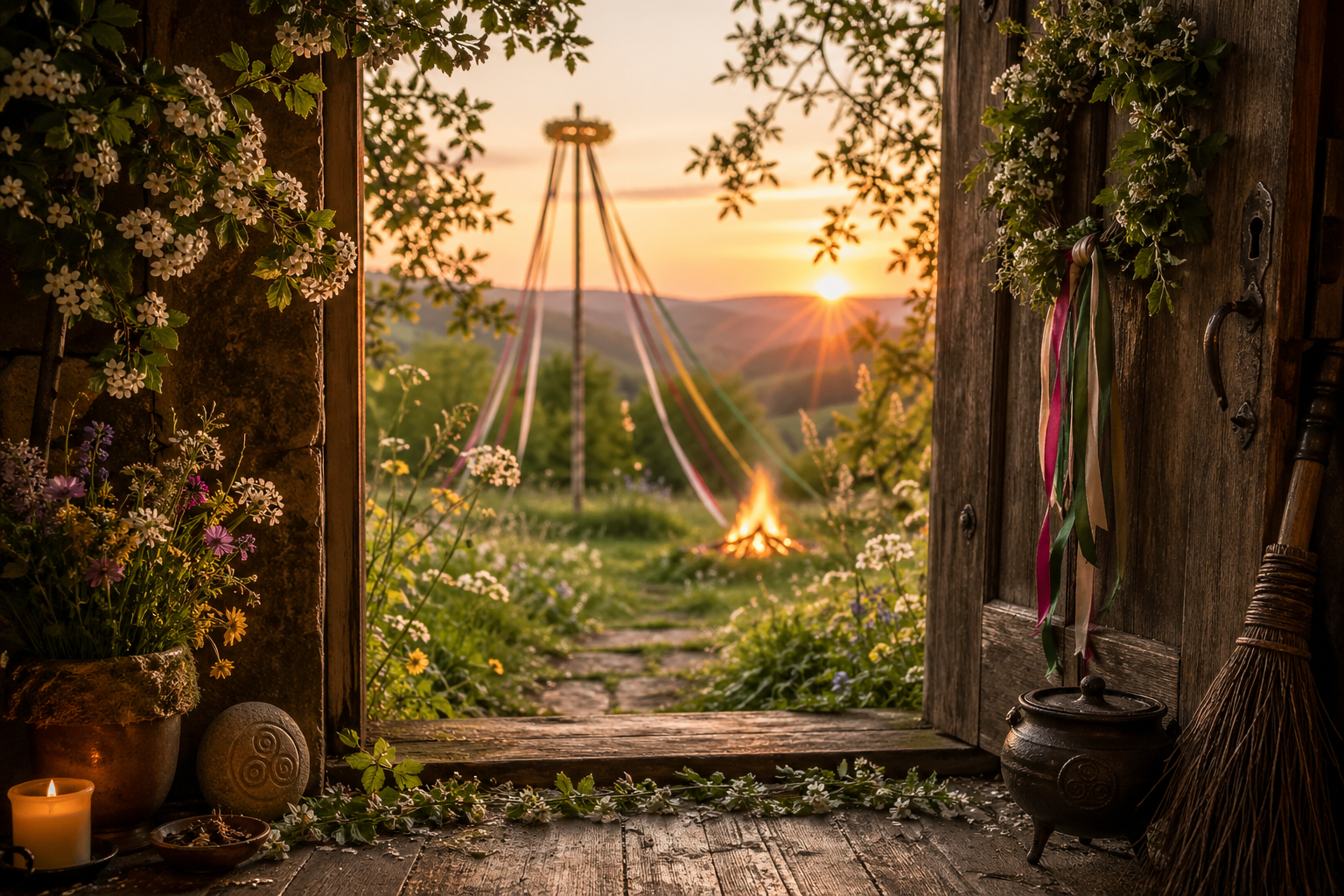
On Samhain, the Celtic festival marking the end of harvest and the onset of winter, porridge was sometimes left outside overnight for wandering souls or mischievous faeries. Neglecting such traditions could lead to misfortune, or so the stories went.
In folklore, porridge also symbolises resilience and perseverance. Many old Scottish tales feature characters sustained by porridge, overcoming adversity thanks to its nourishing qualities.
One story tells of a poor crofter who, faced with a harsh winter, survived solely on a seemingly endless pot of porridge – a gift from a grateful faerie. Whether cautionary or celebratory, these stories often highlighted the importance of thrift and gratitude, values closely tied to the culture of porridge.
The way porridge is eaten has also sparked debates, some of which persist today. Purists will argue that the only acceptable topping is a sprinkle of salt. Others prefer a drizzle of golden syrup or honey, a scattering of berries, or a dollop of cream.
These debates, while ( sometimes )light-hearted, speak to the deep cultural significance of porridge in Scotland – It’s not just about taste; it’s about heritage and identity. While these modern variations, with their exotic toppings and oat milk bases, might horrify traditionalists, they also demonstrate how this simple dish continues to evolve.
Porridge has also found its place in competition. The annual World Porridge Making Championships, (yes, really) held in the village of Carrbridge, celebrates this humble dish with much fanfare.
Competitors from around the world gather to demonstrate their porridge-making prowess, with a coveted Golden Spurtle awarded to the best traditional porridge. There’s even a category for creative recipes, showing how far the dish has come from its austere beginnings.
Yet, despite these modern flourishes, the essence of porridge remains deeply rooted in the past. It’s a dish that carries with it the warmth of family kitchens, the resilience of a people who thrived in challenging conditions, and the charm of folklore that weaves magic into the mundane.
For Scots, porridge is more than just oats and water; it’s a connection to their ancestors, a comfort on cold mornings, and a reminder of the enduring power of tradition.
So, the next time you sit down to a steaming bowl of porridge, take a moment to think about its rich history and the hands that stirred it before yours. Stir clockwise, add a pinch of salt, and savour not just the taste but the stories, superstitions, and spirit that make porridge a dish worthy of celebration.