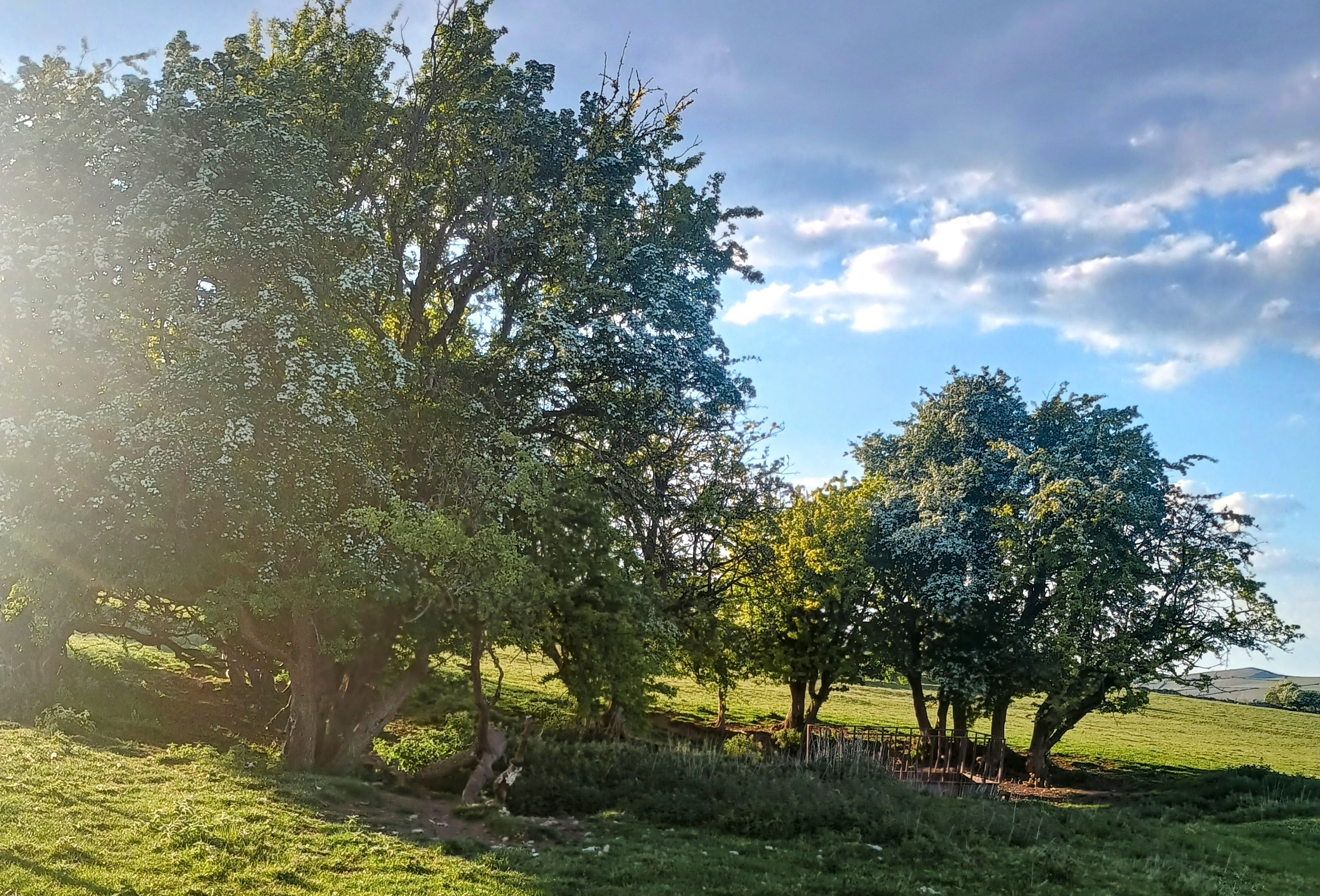
The Rowan tree has long been associated with folklore, magic, and superstition, its bright red berries and delicate leaves standing as symbols of protection and mystery.
In February, a month of shifting seasons and deep-rooted traditions, the rowan holds a special place, its lore intertwined with ancient beliefs of warding off evil, connecting to the spirit world, and ensuring safety in an unpredictable time of year.
In Celtic tradition, the rowan was sacred. It was called Luis in the Ogham alphabet, a script used in early Irish writings, and its presence near homes, sacred sites, and burial grounds was no accident.
It was believed to form a barrier against dark forces, keeping witches, spirits, and misfortune at bay. This belief was so strong that cutting down a rowan tree was considered not just bad luck but outright dangerous. To do so without a sacred purpose could bring misfortune upon a household, and in some regions, rowan was only ever harvested with great reverence, often with a ritualistic offering left in return. Even to this day, old rowan trees can be found growing beside cottages and farmhouses, their presence a quiet nod to the past.
February is a time of transition, when winter still clings to the land but spring begins to stir beneath the soil. It is a month of purification and preparation, marked by traditions such as Imbolc, the Celtic festival celebrating Brigid, goddess of healing, fertility, and poetry. This was a time when rowan was particularly important. Its protective qualities were called upon to keep homes safe through the last stretch of winter, a season still fraught with dangers of illness and scarcity.
Branches of rowan were hung above doorways, placed in the rafters of barns, or tied with red thread and carried as charms. These little bundles of protection were thought to guard against not just witches but the mischievous fairies that could bring trouble to unsuspecting homes.
There is an old belief that rowan trees grow where lightning has struck, reinforcing their supernatural reputation. Whether or not this is true, the association with fire and divine energy only strengthened the idea that rowan was a tree of power. Its berries, small and red, each marked with a five-pointed star at their base, were considered especially potent. The pentagram was a symbol of protection long before it was associated with modern mysticism, and to find it naturally occurring on the fruit of the rowan only deepened its connection to magic.
Rowan’s reputation extended beyond the home and into travel. In Scotland and across the Norse world, rowan wood was carried by those journeying into unknown lands. It was believed that a staff or even a small twig of rowan could protect a traveller from harm, ensuring they would not be led astray by spirits or lost to misfortune.
Sailors, too, valued rowan for its protective properties, sometimes carving charms from its wood to keep on their ships.
One of the most enduring customs associated with rowan is the making of small crosses tied with red thread. These were placed above doors, in stables, and sometimes even sewn into clothing. The red thread itself was significant, as red was believed to be a colour of power, able to ward off the evil eye and unwanted supernatural attention.
In Wales, rowan was commonly tied to cattle, particularly during calving season in February, to ensure the safety of newborn animals. A piece of rowan might be tucked into the roof of a barn or woven into a wreath and hung in a place where the animals rested.
Rowan trees were also believed to have a strong connection to the Otherworld. They were planted in graveyards not just as protection against wandering spirits but as a guide for those who had passed on. In some legends, rowan trees served as portals between worlds, a threshold between the living and the dead. There are stories of people who rested beneath a rowan tree and found themselves waking in another realm, surrounded by fairy folk or spirits who had lured them away. Because of this, there were those who avoided sleeping beneath a rowan’s branches, fearing they might not wake up in the world they knew.
As February’s full moon – the Snow Moon – rises, casting its cold light over the landscape, the presence of rowan feels all the more fitting. The Snow Moon is a time of patience, of waiting for spring to arrive, of trusting that the hardships of winter will not last forever. It is a time when protection is still needed, when the world is still uncertain, and when the rowan’s quiet strength continues to hold its place in folklore.
There is an old superstition that hearing thunder in February foretells a cold spring and a late planting season. Farmers and country folk would listen carefully, watching the skies and hoping for clouds rather than storms. Rowan, always a symbol of balance and protection, was often called upon in times of unpredictable weather. Some believed that carrying a sprig of rowan could help ensure a favourable planting season, that its presence in the fields could bless the land and encourage growth. Even today, in some rural traditions, rowan is considered a tree that brings luck to a garden, its bright berries a sign of prosperity to come.
February also holds another bit of folklore tied to fate and choice – leap year traditions.
It was once said that in a leap year, women were allowed to propose to men rather than waiting for the expected courtship rules to play out. If a man refused the proposal, he was supposed to buy the woman a pair of gloves to hide the shame of her unringed hand. This custom, though humourous in hindsight, echoes an older tradition of women taking control of their own fates, much like the protective magic of the rowan itself – strong, independent, and resilient.
The rowan tree’s reputation has survived centuries, its role shifting slightly with each new generation but never truly fading. It remains a symbol of protection, of wisdom, of the balance between worlds.
Whether growing beside an old cottage, marking the edge of a forgotten graveyard, or thriving in the wild places where few dare to tread, the rowan stands as a reminder of the unseen forces that people once feared, respected, and sought to understand.And perhaps, even now, as February’s winds whisper through the branches, some of that old magic still lingers.