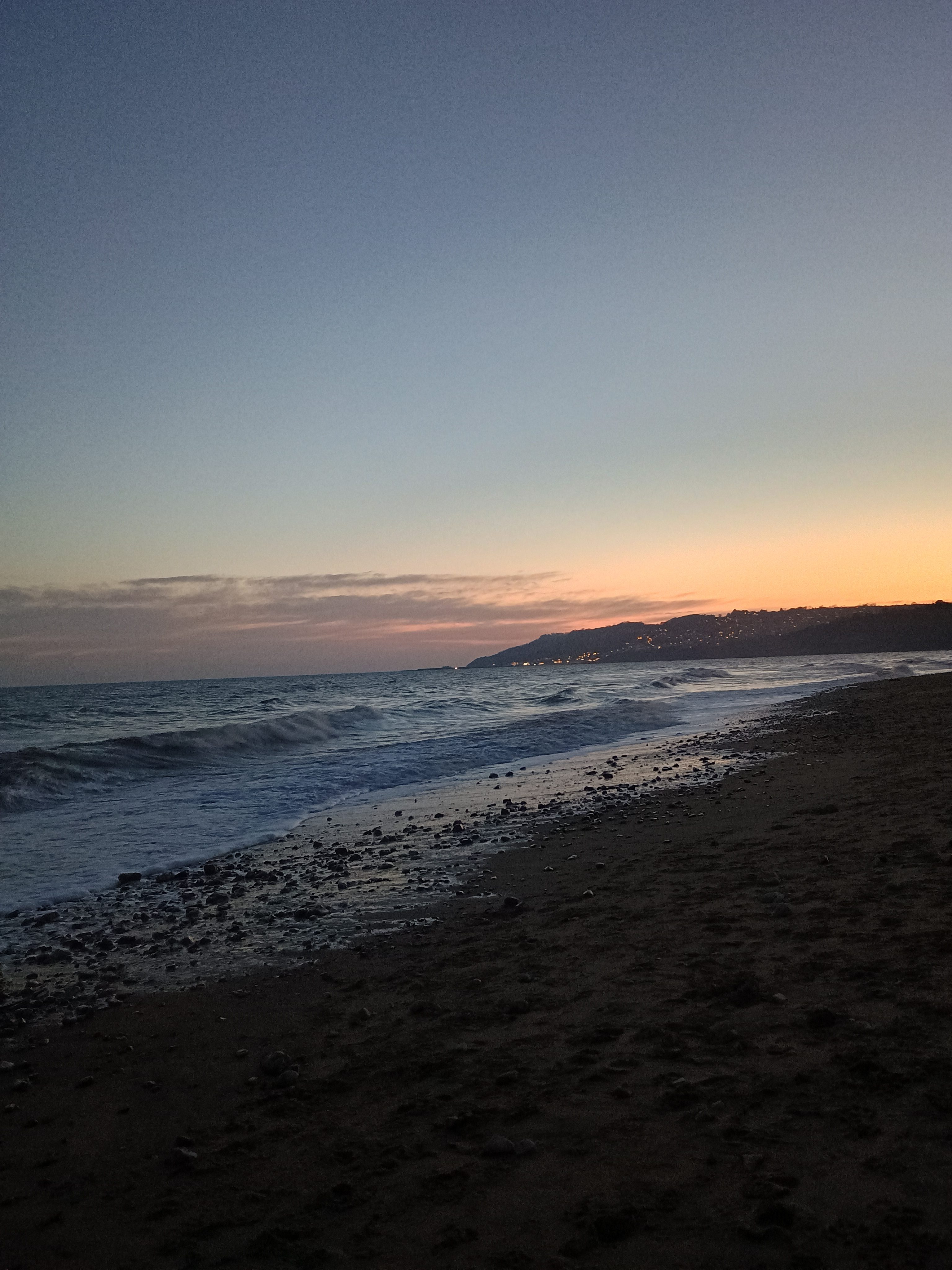
Charmouth, perched along the fossil-rich Jurassic Coast of Dorset, is a quiet village with a wild heart. Its cliffs crumble into the sea, revealing secrets from millions of years ago, but not all the stories unearthed here are ancient bones and ammonites.
There’s a deeper eeriness to Charmouth, particularly around the beach, where history and the paranormal seem to drift together on the sea breeze.The beach at Charmouth is best known for its fossil hunting – an activity that draws visitors of all ages, armed with hammers and hopes. But behind the innocent clatter of chisels and the excitement of a rare find, there are whispers of something else entirely.
Locals and returning visitors alike speak of a strange energy that descends on the beach at twilight. It’s subtle – an odd chill, a sense of being watched, or the inexplicable sound of footsteps on shingle when no one’s near.
The area’s history plays into the atmosphere. During the 17th century, Charmouth was tied up in royalist plots and sea-bound escapes. Most notably, King Charles II is said to have tried and failed to flee from Charmouth during his escape after the Battle of Worcester. He stayed at a local inn under disguise, hoping to board a ship and sail to safety, but the plan unravelled. That failed flight left an impression not just in the history books but, some say, in the air itself.
There are reports of a figure in old-fashioned dress seen walking the shoreline late at night, gazing out to sea before vanishing into the mist.
Shipwrecks, unsurprisingly, form a big part of Charmouth’s lore. The coast here is unforgiving – sharp rocks, unpredictable tides, and treacherous currents have claimed many vessels over the centuries. One of the most frequently spoken of is a ghostly ship, occasionally seen offshore in heavy fog. It appears silently, sails full despite the lack of wind, only to vanish moments later. Some describe it as a fishing boat; others say it’s an old schooner with tattered sails and no crew. Dogs often react badly when it appears – whining, barking, or pulling away from the water.
Another recurring tale is that of the “Lady in the Sea.” She is said to be seen near the waterline, often in the early morning or just after sunset. Dressed in pale clothing, sometimes mistaken at first for a person in distress, she never responds to shouts or gestures. Those who approach find nothing there… just wet sand where no footprints lead away. One version of the legend claims she was the widow of a smuggler, drowned in a storm while waiting for her husband’s return. Others believe she may have been a passenger aboard a wrecked ship, never identified, her body lost to the tide.
There are also stories tied to the fossils themselves. Strange, perhaps, but some fossil hunters have claimed to experience fleeting visions while searching along the shore, glimpses of figures in the corner of their eye, odd voices carried on the wind, or sudden vertigo that passes as quickly as it came.
One amateur collector, after finding a particularly pristine ichthyosaur vertebrae, swore he heard whispering that followed him all the way back to the car park, vanishing only once he’d wrapped the fossil and placed it in the boot. Though easily dismissed as imagination, similar experiences pop up again and again, shared quietly among fossil enthusiasts who don’t want to be laughed at.
Charmouth’s charm lies in its stillness, but that calm often feels like it’s holding something just out of sight. The constant crumble of the cliffs reveals prehistoric life, but the sea, restless and grey, seems to keep its more recent secrets. When the mist rolls in and the tide begins to turn, even the most sceptical beachcomber might feel a pull, a whisper, a shadow where there shouldn’t be one. In Charmouth, the past isn’t just buried in the rock. It walks the shore.