*Some names and locations have been changed to protect the privacy of those involved*
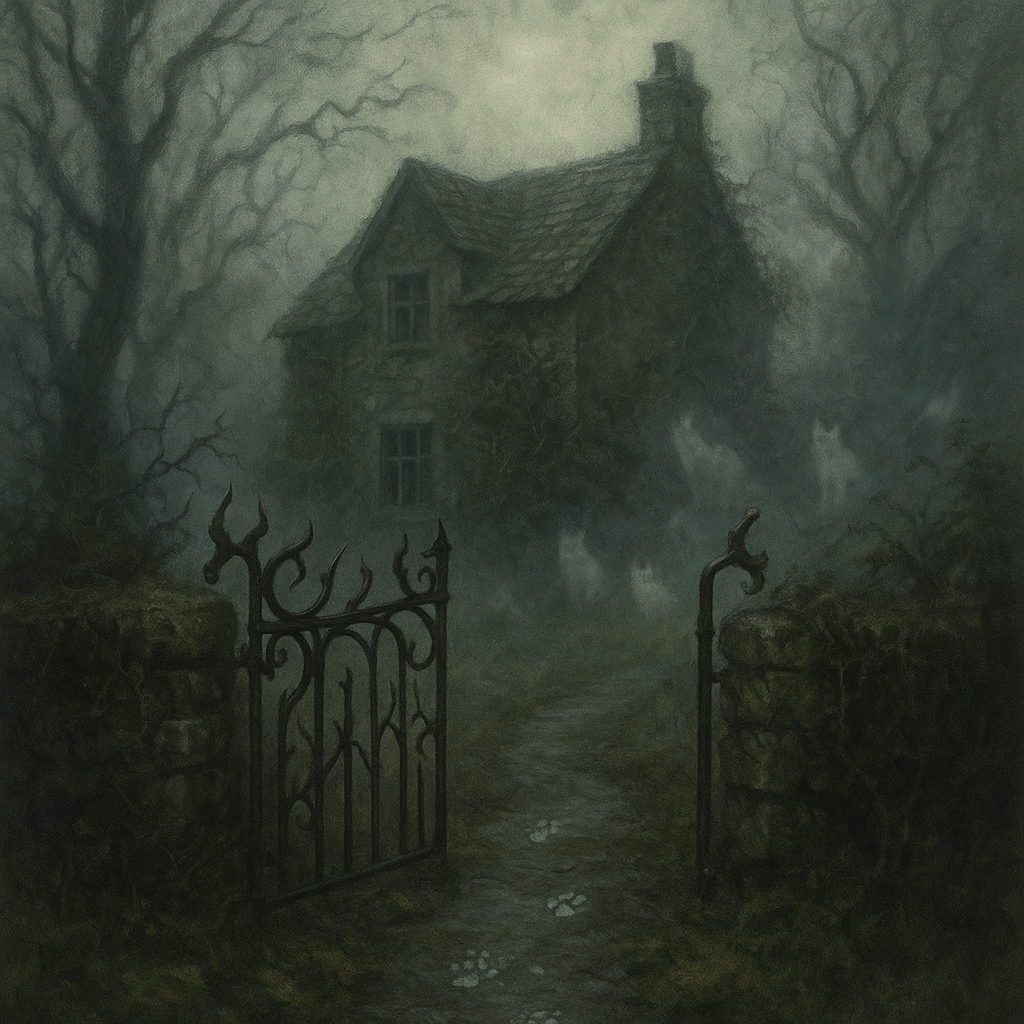
There’s a cottage in a forgotten corner of England where the lanes grow too narrow for cars and the hedgerows are so thick they silence birdsong. Hemlock Cottage, as I’ll call it, lies hidden behind elder trees and a wrought iron gate that has rusted in the shape of claws.
I’d heard murmurs of the place before -whispered warnings in folklore archives, a footnote in a trial record, a dog-eared postcard tucked into an old book – but it wasn’t until Simon and I arrived in the region on unrelated business that we found the story taking shape beneath our feet.
We were supposed to be looking into a vanished priest and a cursed font stone. Instead, we were handed the tale of Mrs Dandridge and her Milk Cats, a tale that, even after three decades of paranormal investigation, still unsettles me more than I care to admit.
Mrs Dandridge, a widow twice over, moved into Hemlock Cottage in the winter of 1978. She brought with her only a few possessions, a collection of fine china bowls, and a Persian cat named Bartholomew. The villagers – superstitious in that half-joking, half-serious way country folk often are – took an instant dislike to the cat. “It had witch-eyes,” one said. “It looked straight through you.”
Bartholomew died not long after they arrived. That should’ve been the end of it. But then the scratching began. Scratches on doors, then windows, then under floorboards. Neighbours started hearing mewling from the hedge at night. Soft at first, then like something in pain.
Then the footprints started.. neat, white paw prints on the windowsills, always in pairs, never leading in or out.
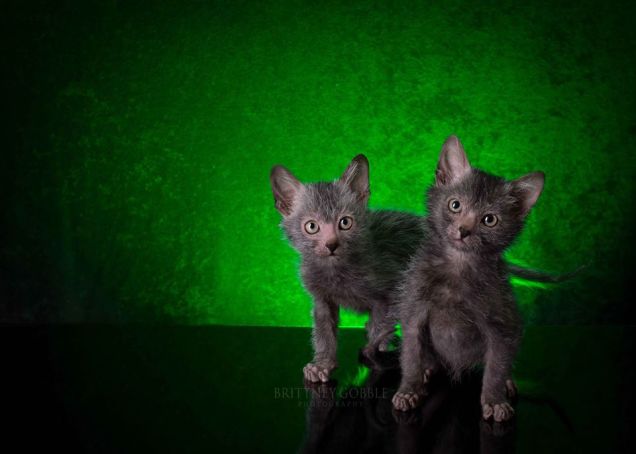
By the end of her life, Mrs Dandridge was said to keep twenty-three cats. None of them ever seen by anyone else. All of them dead. All of them returned.
I’ve seen the garden. I’ve seen the bowls, still there, still full. Simon and I witnessed the prints for ourselves – not muddy, not bloody, but like chalk pressed into the earth. The smell around the garden was sweet, milky, cloying.
And above all this, was the watching.
That unmistakable feeling that something was watching from somewhere close. Somewhere wrong.
The locals called them the Milk Cats – and when I heard that term, my stomach dropped.
It wasn’t new.
In the course of writing and researching the history of witchcraft in the British Isles, I’ve come across hundreds of accounts of so-called familiars, spiritual creatures that served witches, often taking the form of animals, and while the cultural imagination clings to black cats and crows, the actual records, especially from the 16th and 17th centuries, paint a far more unsettling picture.
The Essex witch trials of 1645 recorded a woman named Elizabeth Clarke who confessed (under torture) to having a familiar named Vile Tom, a greyhound-headed imp that walked upright. Agnes Waterhouse, executed in Chelmsford in 1566, was said to keep a cat called Sathan who “spake with her in hollow voice” and killed a neighbour’s pig after being denied milk.
But it was the accounts of white-furred familiars that caught my attention.
A 1621 pamphlet from East Anglia records a woman named Joan Flood, who allegedly kept three spirits – one of them “a white, soft thing that sucked from between her fingers and whispered in her dreams.”
Trial transcripts from the Pendle witch cases make mention of “a pale-furred mouse which walked like a thing bewitched” and a “milk-drinker” that “left no droppings nor trace but haunted the corners like fog.”
Milk-drinker.
White, soft thing.
Whispers in dreams.
These details come up too often to ignore. These aren’t mere cats. They’re revenant things, pale imitations of living beasts that returned for something. Affection, perhaps. Revenge, more likely. Or just a continuation of a service long demanded by the living and now forced into habit by the dead.
Simon and I didn’t go into the house. Something told us not to. We lingered only at the gate. But what we saw – those neat white prints, the coldness in the air, the strange flatness of sound – convinced us that something remains. And it is old. Far older than Mrs Dandridge.
When she died – some say of fright, others say of madness – the coroner found her with her mouth open in a scream and her hands clutched to her chest. Her eyes were missing. Clean gone. No blood. No mess. Just the look of something that had seen too much.
And the cats? Vanished. Not a single one found, though Reverend Hargreaves swore he counted at least fifteen sitting on her roof the night before she passed.
So what are they? Spirits? Familiars abandoned by their mistress? Echoes of an older pact?
There are whispers in the oldest folk records of white-furred imps that no longer need witches to tether them. Of milk-drinkers that live off offerings left unknowingly by modern hands. Of watchers that latch on to loneliness, grief, or hunger.
Perhaps Mrs Dandridge didn’t summon them. Perhaps she simply gave them reason to stay.
Whatever the truth, I would warn any would-be explorers of Hemlock Cottage to keep their distance. If you see paw prints that don’t fade, or catch a glimpse of something white slipping through the trees just past twilight, do not follow it. And for the love of your own reflection never leave milk out for strays.
You might not like what comes to drink it.