
In Scotland, encounters with fairies were a common part of everyday life, reflecting the close connection to the land. The Seelie Court represents fairies known for their friendly nature, offering aid and joy to humans. Their benevolence is mirrored in tales and art, a testament to the enduring cultural significance of Scottish folklore.
Category: Traditions

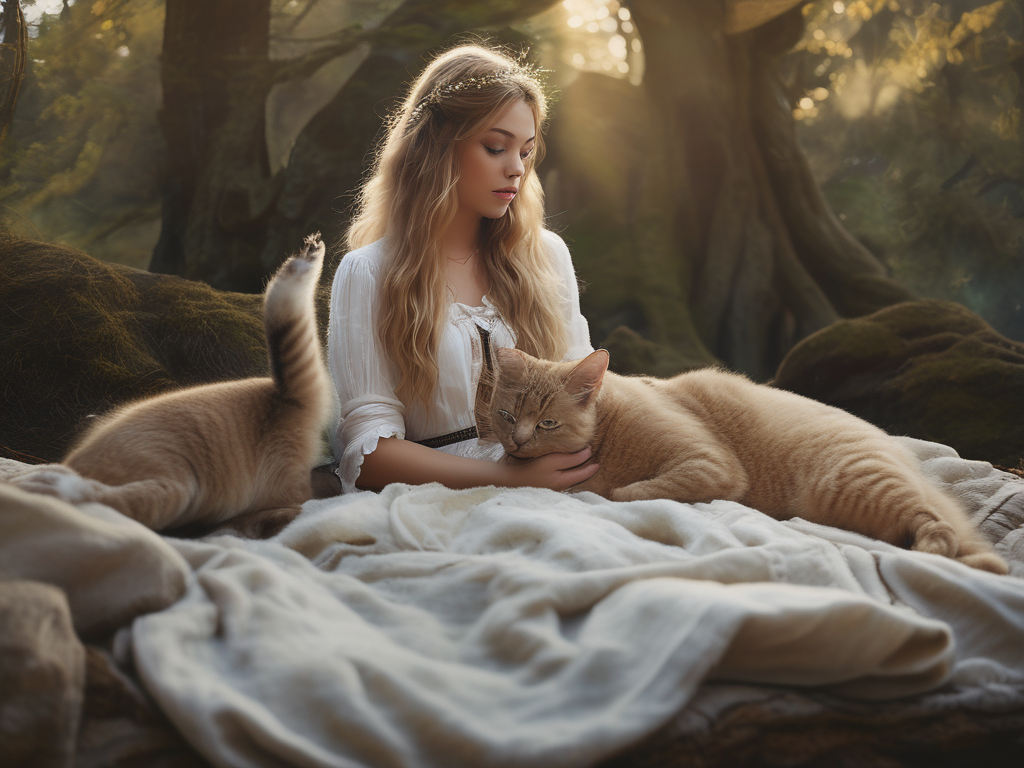
Freya – Goddess of Love And War.
Freya, the captivating Norse goddess, embodies love, fertility, and war in Norse mythology. Her radiant beauty enchants mortals and gods, and she is a skilled practitioner of ancient Norse magic. As a leader and warrior, she guides fallen warriors to the afterlife. Freya’s multifaceted nature represents the delicate balance between love, beauty, and strength in Norse mythology.
Sharing's Caring!


Australian Folklore.
Australia, with its vast landscapes and ancient Aboriginal heritage, is home to a rich tapestry of folklore that weaves together Indigenous Dreamtime stories, colonial history, […]
Sharing's Caring!


The Hidden Meanings Behind the Days of the Week
Superstitions about the days of the week reflect cultural, historical, and religious influences worldwide, shaping daily activities and rituals. From the “Monday blues” in the West to Friday’s significance in Islamic tradition, each day carries unique connotations. Global beliefs highlight cultural commonalities and the human tendency to seek meaning in time, enriching our understanding of cultural diversity.
Sharing's Caring!


Weasels: Folklore, Legends, and Cultural Significance
Weasels, members of the Mustelidae family, are versatile carnivores found in various habitats. In folklore, they have been associated with both positive and negative omens in different cultures, serving as symbols of protection, cunning, and death. Weasels have been perceived as intermediaries between the living and supernatural, and are still influential in some cultural practices today, especially in Japan and China.
Sharing's Caring!

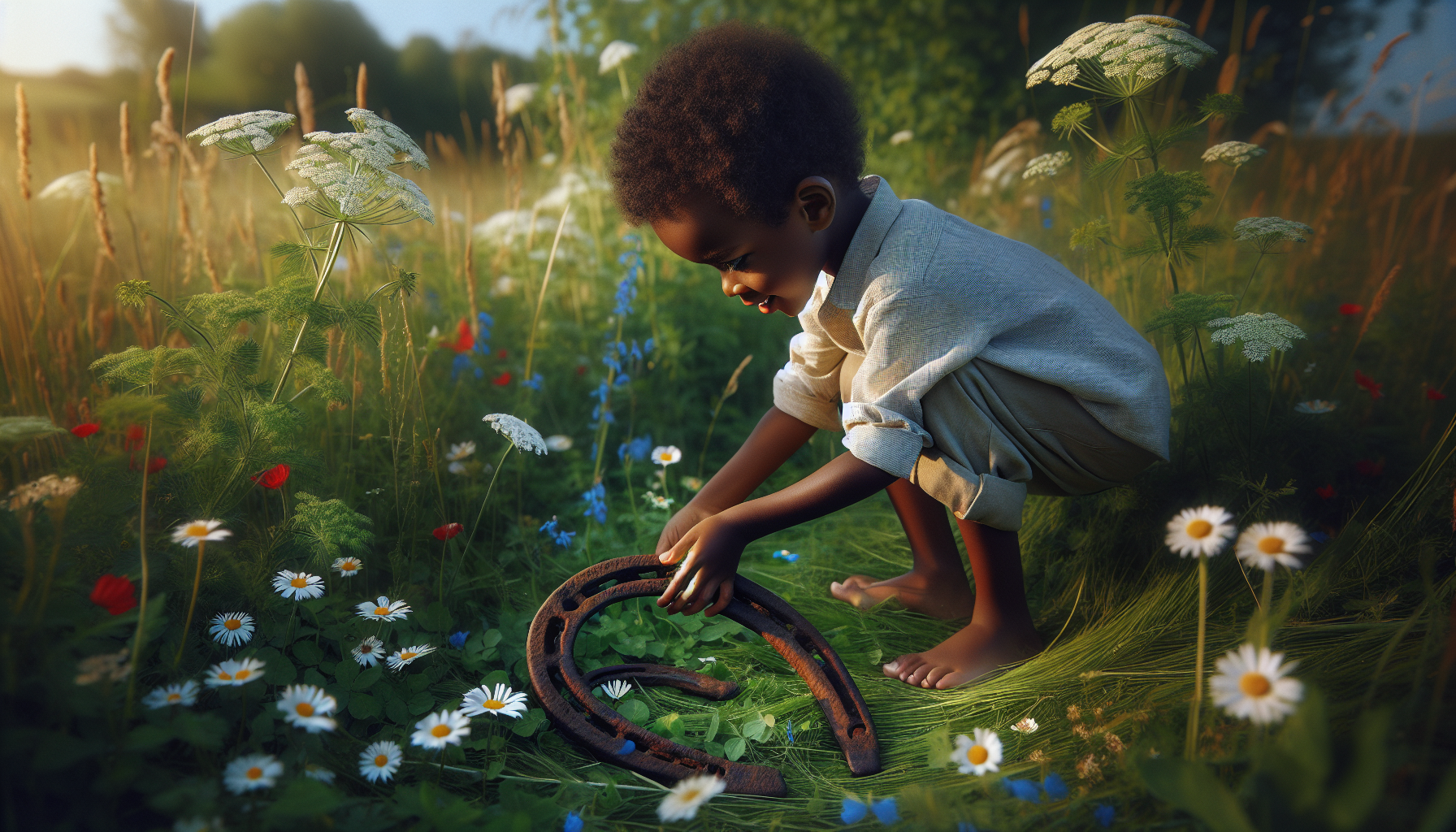
Horseshoes.
As I delved into the depths of ancient folklore, the call of the horseshoe beckoned me like a siren’s call, promising untold riches and mystical […]
Sharing's Caring!

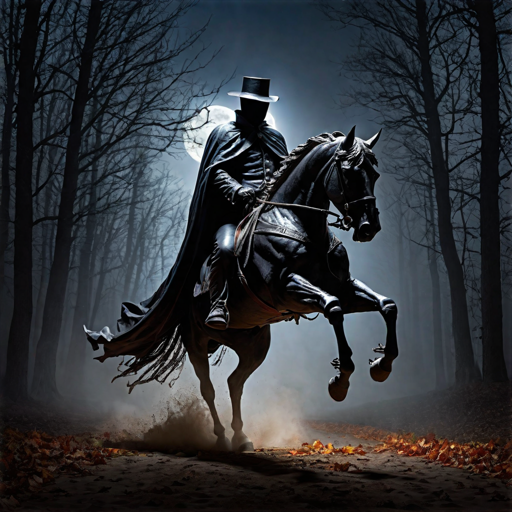
The Headless Horseman Phenomena
The Headless Horseman, an enduring and chilling legend, originates from diverse cultures like Celtic and Norse folklore. Most famously associated with Washington Irving’s “The Legend of Sleepy Hollow,” it has evolved into a global symbol of doom and vengeance. This spectral figure features in literature, film, and urban legends, captivating audiences with timeless, eerie appeal.
Sharing's Caring!


May.
The month of May in the United Kingdom is a vibrant mix of traditions, holidays, and celestial events. Celebrations like May Day and VE Day bring communities together, while astronomical phenomena offer stargazing opportunities. Local festivals and saints’ days add to the rich tapestry of May in the UK, showcasing the nation’s diverse heritage.
Sharing's Caring!


The Folklore of Crows.
Throughout history and across cultures, crows have held a complex and multifaceted role, embodying both positive and negative aspects depending on the context and interpretation. They have appeared in mythology, folklore, literature, and art as symbols of wisdom, death, trickery, and the supernatural.
Sharing's Caring!


Beltane.
Beltane is a Gaelic festival marking the beginning of summer, celebrated on May 1st in the Northern Hemisphere. Traditionally observed with maypole dancing, bonfires, floral decorations, feasting, and rituals, it symbolizes renewal and fertility. Today, it is celebrated by neopagans, Wiccans, and nature-connected communities as a time of joy and connection.
Sharing's Caring!


Walpurgisnacht.
Walpurgis Night, or Walpurgisnacht, is a traditional spring festival celebrated on April 30th in European countries, with origins in pagan and Christian traditions. The festival includes bonfires, feasting, and superstitions about witches and supernatural beings. Various customs and traditions, such as bonfire gatherings, costume parties, and outdoor activities, are part of the celebration.
Sharing's Caring!


Celebrating Saint George’s Day – Tradition, Heritage, and Identity in the UK.
This year it falls on a Tuesday, so everyone will be at work instead…
Sharing's Caring!

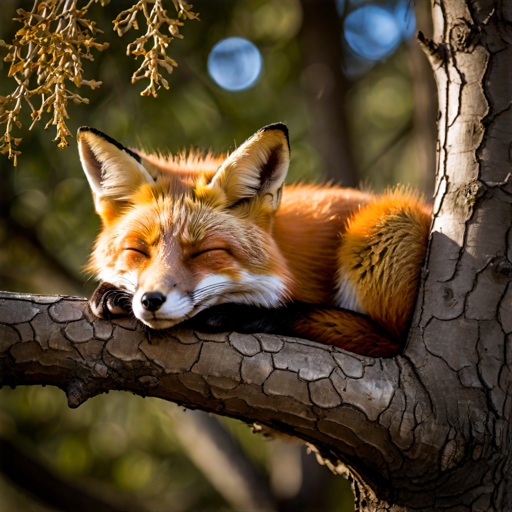
Sly Signs – Foxes in Omens and Folklore.
Whether revered as symbols of wisdom and cunning or feared as harbingers of misfortune and deceit, foxes continue to captivate and intrigue us with their mysterious nature – and long may they continue!
Sharing's Caring!

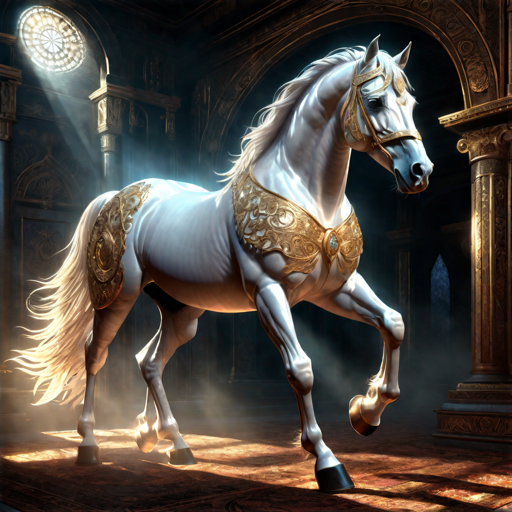
Myths, Superstitions, Traditions, Omens, and Folklore of the Horse
Horses have been integral to human civilization for millennia, inspiring myths and legends across cultures, such as the tales of Pegasus and the Ashvins. Superstitions and traditions, like yabusame in Japan and the Kentucky Derby, reflect the diverse relationships between societies and horses. Their folklore offers insight into cultural heritage and human imagination.
