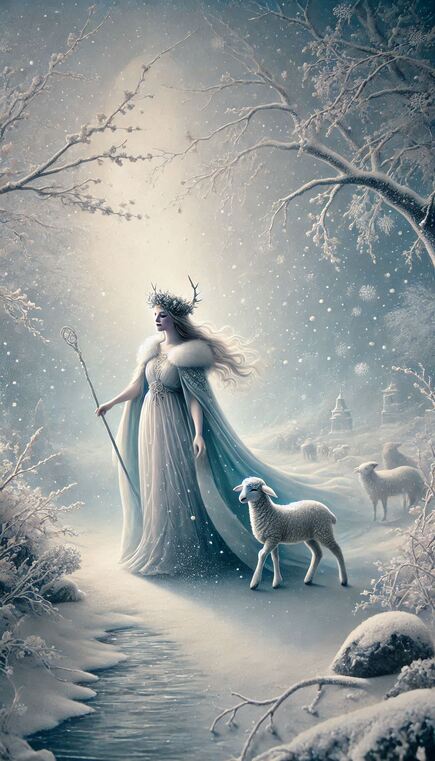
Whether as a goddess, a fairy tale character, or a seasonal spirit, Frau Holle reminds us of the interconnectedness of life and the lasting power of myth. Her snowy feather beds, spinning wheels, and sacred wells are not just remnants of the past but living symbols that continue to inspire and enchant.
Tag: divine feminine



Medusa
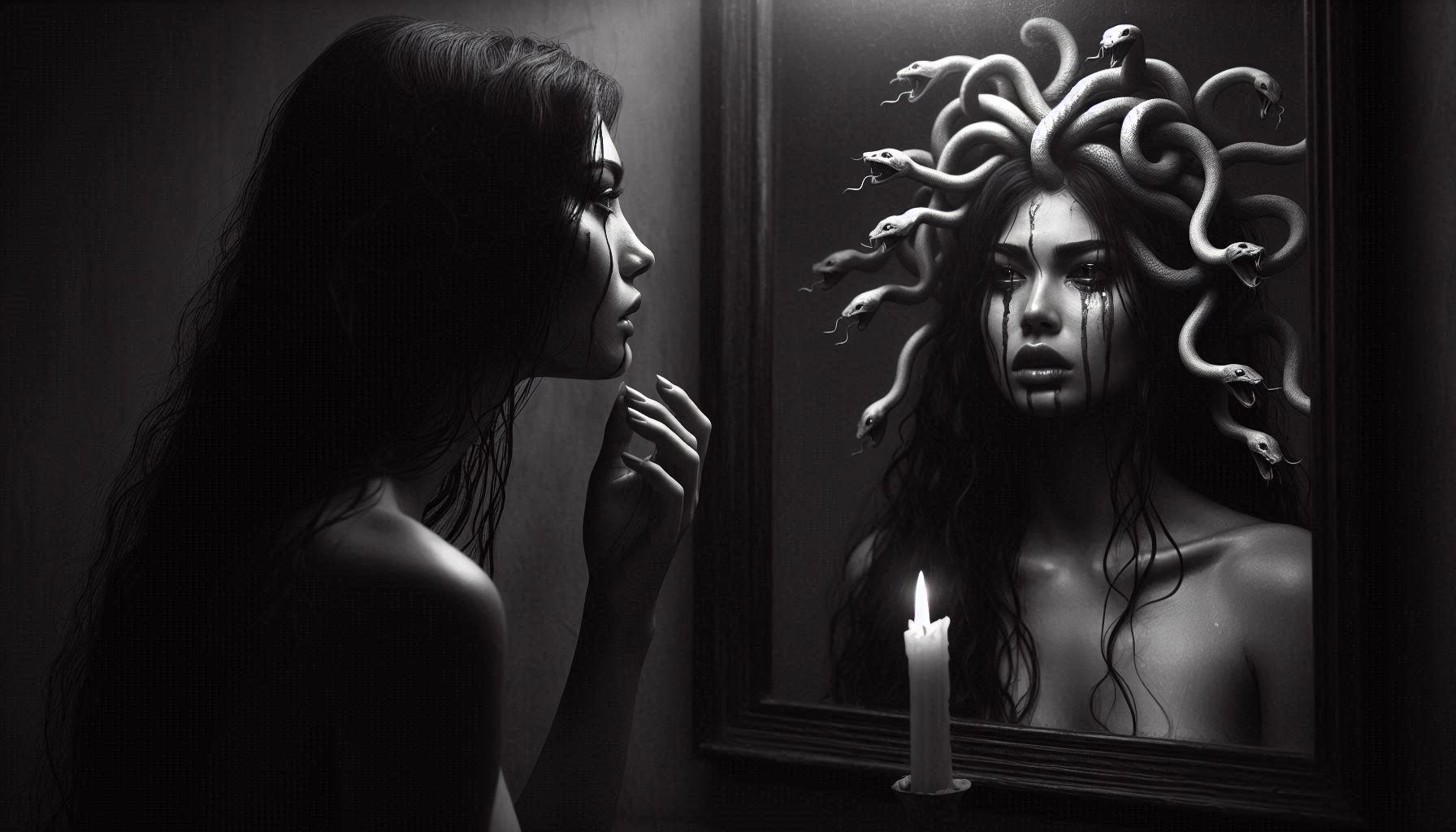
Medusa was never the monster they made her out to be. Long before the snakes, before the stone, she was a priestess—violated, abandoned, and cursed by the very goddess she served. In modern witchcraft, she’s rising again – not as a villain, but as a protector, an avenger, and a sacred force for anyone who’s ever been silenced or blamed.
Sharing's Caring!

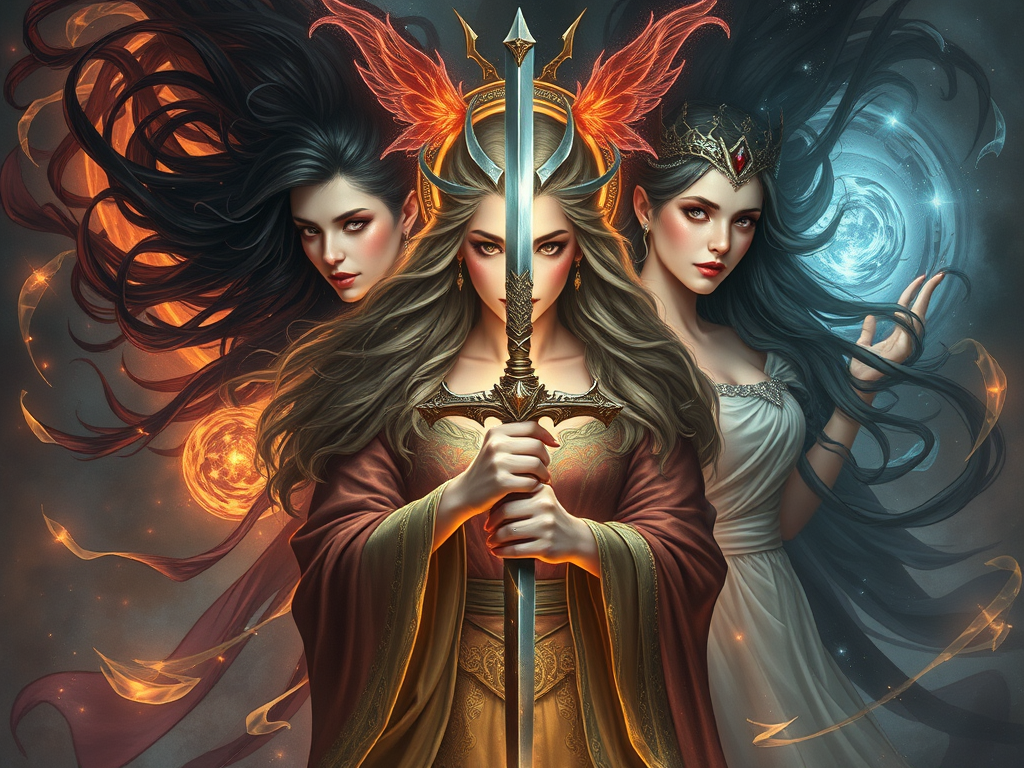
Hellewes, Nimue, and Morgan le Fay – Feminine Power in Arthurian Legend
Their stories remind us of the ways in which the divine feminine has been misunderstood, feared, and, at times, suppressed throughout history. But no matter how much their power is feared or rejected, it remains a vital force in both the myths of the past and in modern interpretations of their characters.
Sharing's Caring!

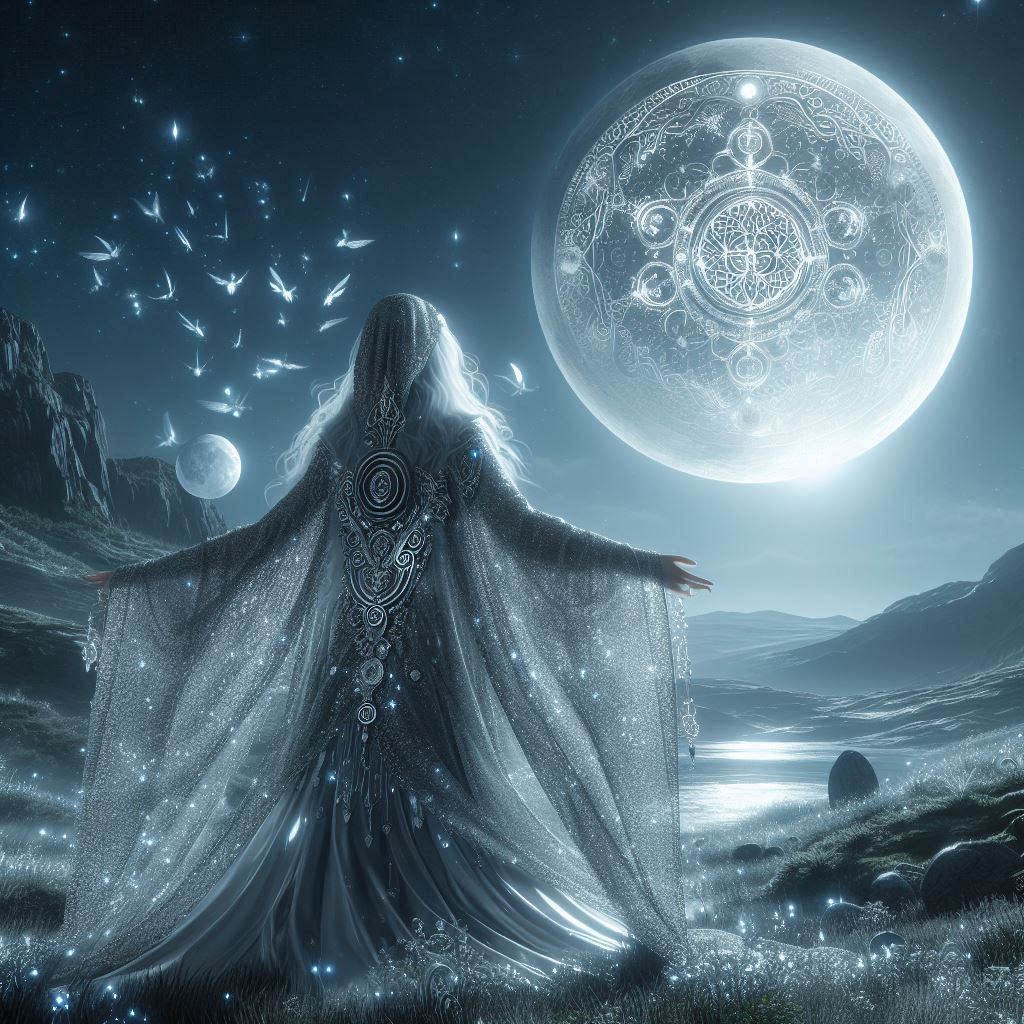
Arianrhod. A Tale of Mystery and Moonlight
Arianrhod (pronounced AH-ree-an-rhod) has always fascinated me as a figure of independence and mystery in Celtic mythology. Her name, meaning “silver wheel,” calls to mind the moon and stars. A goddess of cycles and destiny, her tale from Welsh lore weaves themes of power, resilience, and transformation.
