The fear of pain is a deeply rooted aspect of human nature, something we all instinctively recoil from. Whether it’s the sharp sting of physical injury or the agonizing ache of emotional trauma, pain is universally recognized as something to be avoided. It’s a part of our survival instinct, signaling danger and warning us to steer clear of anything that could cause harm.
But pain is complex, multifaceted, and its avoidance, while necessary at times, can lead us to make choices that diminish our lives in ways we don’t always realize. Both physical and emotional pain hold sway over our decisions, shaping how we live, relate to others, and understand ourselves.
Physically, the fear of pain is tied to self-preservation. We are biologically wired to avoid injury and protect ourselves from harm. From childhood, we learn quickly that touching something hot will burn us, that falling will hurt, and that we must be careful. This physical pain serves an important function: it teaches us boundaries, alerts us to threats, and keeps us alive.
But there’s more to the fear of physical pain than simply reacting to injury. It can also be anticipatory, where we fear the possibility of pain even when we haven’t yet experienced it. This is why many people are afraid of going to the dentist, getting vaccinated, or undergoing medical procedures. The pain itself may be short-lived, but the dread of it can be overwhelming.
This avoidance of pain can, however, sometimes lead to greater harm. Take, for example, the case of someone who avoids seeking medical help for a minor ailment out of fear that the diagnosis or treatment will be painful. Over time, that minor issue can grow into something far more serious. In this case, the fear of pain leads to a larger, more harmful consequence.
The same logic applies to everyday scenarios. How many times do we hesitate to engage in physical activities out of fear of injury? How often do we stay in our comfort zones, choosing sedentary habits over the risk of physical exertion because we fear the discomfort that might follow? This kind of avoidance might keep us safe from immediate pain, but it can also prevent us from leading full, healthy lives.
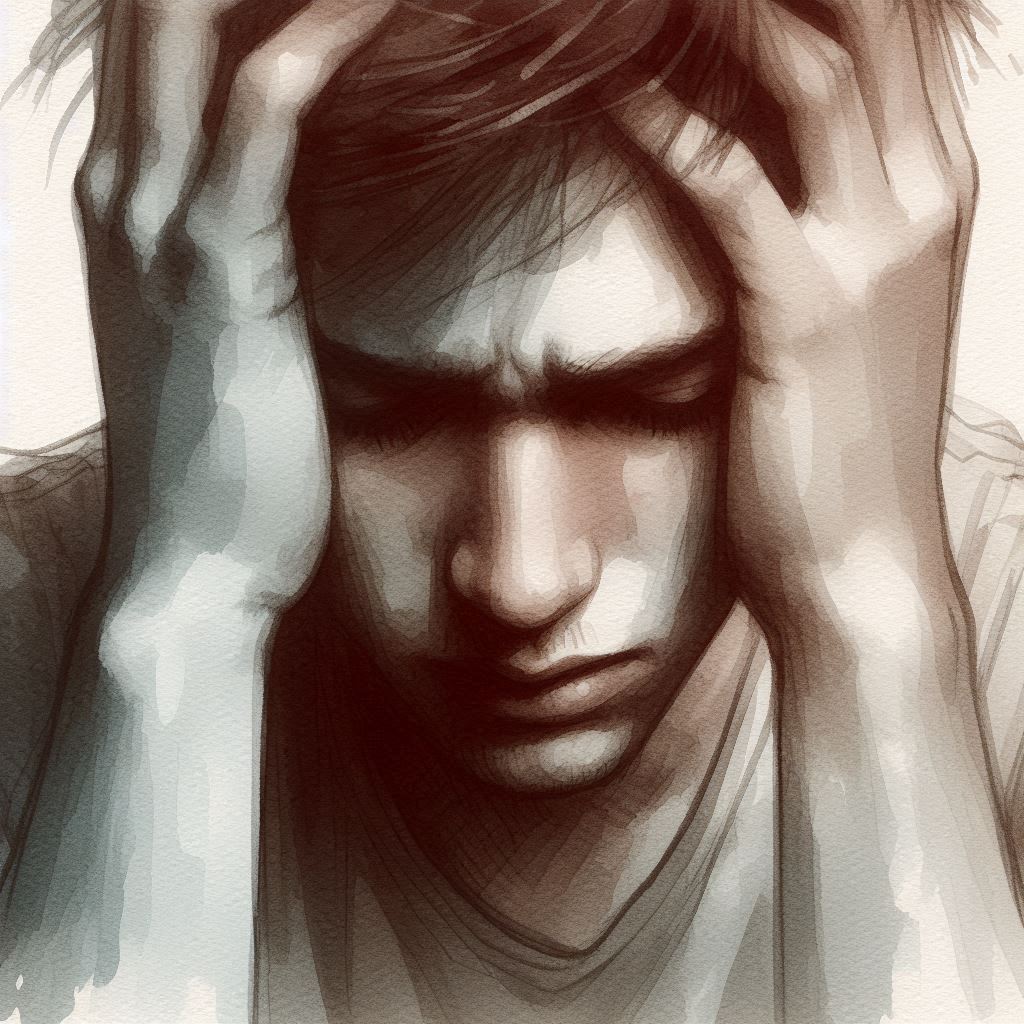
The fear of emotional pain, however, is arguably even more complicated. Emotional pain stems from many sources – loss, rejection, failure, heartbreak – and its effects are often more lasting than those of physical pain. While physical wounds usually heal over time, emotional scars can linger for years, if not a lifetime. This fear of emotional suffering shapes many of our choices, often in ways we don’t immediately recognize.
We avoid confrontation because we fear the emotional fallout. We hesitate to express our true feelings or take risks in relationships because of the potential for rejection. We stay in unhealthy relationships because the pain of loneliness or starting over seems worse than the pain of staying in a bad situation. We even limit our ambitions, afraid that the failure to meet our own or others’ expectations will bring emotional pain too great to bear. The fear of feeling inadequate, unloved, or unsupported is a powerful force, and it can quietly dictate much of how we live our lives.
But what is it about emotional pain that makes it so terrifying? One reason might be that emotional pain strikes at the core of our identities. Physical pain, for all its intensity, is usually temporary and external, it affects our bodies, but not necessarily our sense of self. Emotional pain, on the other hand, often targets who we are. When someone rejects us, it feels personal, as though our worth has been diminished. When we fail at something important to us, it can feel like a reflection of our inadequacies. Emotional pain gets to the heart of our insecurities and vulnerabilities, making it feel more profound and harder to escape.
The anticipation of emotional pain is, like with physical pain, often more unbearable than the pain itself. Many of us replay potential scenarios in our minds, imagining how much it will hurt if we take a risk and it doesn’t work out. We agonize over future breakups, professional failures, or public embarrassments, imagining the devastation these events could bring.
By doing this, we often end up creating more anxiety and suffering for ourselves in the present, based on pains that may never even come to pass. This fear becomes a prison of sorts, keeping us from the very experiences that could enrich and fulfill our lives.
A major irony in this avoidance of pain – both physical and emotional – is that pain itself is often an essential part of growth and change. In physical terms, anyone who has trained for a sport or worked to build their strength knows that some level of discomfort is unavoidable. Muscles only grow stronger by first being broken down through exertion. The soreness that comes from physical activity isn’t something to be feared but embraced as a sign that progress is being made. Yet, many of us are conditioned to shy away from even this productive form of pain, preferring comfort over the temporary discomfort that comes with growth.
The same holds true for emotional pain. Growth, healing, and self-understanding often come through difficult emotional experiences. Relationships can teach us more about ourselves – our strengths, our needs, our boundaries – than anything else, but they often bring heartache. Losing someone we love, whether through a breakup, death, or another form of separation, is among the most painful experiences we can endure. Yet, those experiences also force us to confront deep truths about our own resilience, our capacity for love, and our ability to move forward despite the pain. Without these emotional trials, it’s hard to imagine developing the depth of character that makes us who we are.
But even as pain is necessary for growth, it’s natural to avoid it. No one wants to suffer, and in many cases, pain avoidance serves a valuable purpose. It keeps us from engaging in reckless behavior, protects us from harm, and preserves our emotional well-being. The key, though, is recognizing when our fear of pain is preventing us from living fully. Sometimes, in our effort to avoid hurt, we end up hurting ourselves in different ways—by limiting our experiences, closing off from relationships, or holding back from pursuing our dreams.
Fear of pain is not something that can simply be eliminated. It’s a fundamental part of the human experience, deeply embedded in both our biology and psychology. What we can do, however, is change how we relate to that fear. Instead of seeing pain solely as something to be avoided, we can learn to understand it as part of life’s ebb and flow. There will always be times of suffering, but there will also be moments of joy and connection that make those times worthwhile. Avoiding pain at all costs might keep us safe in the short term, but it also prevents us from experiencing the richness and fullness of life.
To live fully means accepting that pain, both physical and emotional, is inevitable. It’s a part of loving, learning, and growing. It teaches us about our limits, but it also shows us what we’re capable of enduring.
The fear of pain will always be present, but it doesn’t have to dictate our lives. By facing it head-on, we allow ourselves the chance to experience all that life has to offer – both the highs and the lows. And in doing so, we find that we are far more resilient, far more capable, than we ever thought possible.