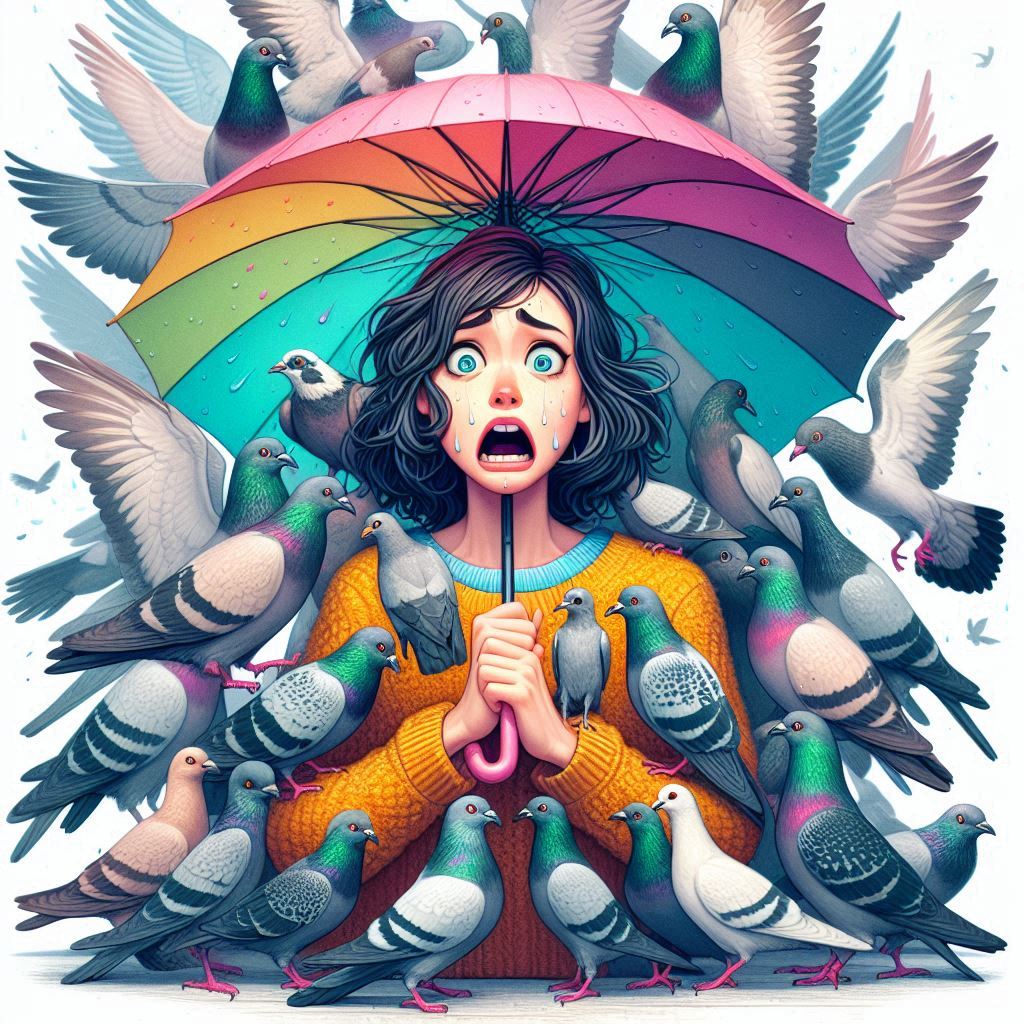
Fear of birds, known as ornithophobia, can be an overwhelming and distressing experience for those who suffer from it. While it might seem irrational to some, like many phobias, this fear is deeply rooted in the brain’s mechanisms for processing danger, often shaped by personal experiences or cultural influences. To understand this fear more fully, we must explore how the mind perceives birds and what psychological factors contribute to this intense reaction.
At its core, a phobia is an exaggerated response to a stimulus that most people might not find particularly dangerous. In the case of birds, the stimulus might be anything from a bird’s unpredictable movements to its appearance or even the sounds it makes. The human brain is wired to react strongly to the unknown or the uncontrollable. Birds, especially wild ones, are often seen as erratic in their behavior. Their ability to fly quickly and change direction without warning can evoke a sense of unpredictability. This lack of control may trigger a heightened state of alertness in those prone to anxiety, amplifying their fear response.
For many people with ornithophobia, their fear stems from a negative or traumatic experience in the past. Perhaps they were attacked by a bird or witnessed a frightening encounter involving birds. These memories can become deeply embedded in the brain’s emotional centers, particularly in the amygdala, which is responsible for processing fear. Over time, even seeing or thinking about birds can trigger a fear response, as the brain automatically associates them with danger. This conditioning is a key psychological aspect of phobias, as the brain learns to link a specific stimulus—in this case birds—with a threat.
Another layer of complexity in ornithophobia can come from cultural influences. Birds have long been symbols in myths and folklore, sometimes representing omens of death or misfortune. Certain species of birds, such as crows or ravens, have been associated with darkness or malevolence in various cultures. While not everyone who is familiar with these cultural associations will develop a fear of birds, for those who are already predisposed to anxiety, these symbols can feed into their existing fears, reinforcing the belief that birds are dangerous or sinister.
The physical characteristics of birds may also play a role in triggering fear. Birds’ sharp beaks, talons, and the quick darting movements of their wings can evoke a primal sense of threat. From an evolutionary perspective, humans may have developed an instinctual aversion to creatures that exhibit these traits, as they could be interpreted as signs of aggression. Similarly, the way birds flock or swoop down can appear menacing to someone already on edge, as it may resemble predatory behavior. This blend of instinctual reactions and learned associations contributes to the intensity of the fear.
People with ornithophobia may also struggle with the sounds birds make. Bird calls, squawks, or flapping wings can be startling, and for some, these sounds trigger immediate anxiety. Auditory stimuli have a direct line to the brain’s threat detection system. If someone has been conditioned to view birds as dangerous, even the sound of wings flapping can be enough to trigger panic, as it sets off the brain’s alarm system that something is nearby and unpredictable.
The psychological impact of this fear can extend beyond moments of direct exposure to birds. Someone with ornithophobia might go out of their way to avoid parks, beaches, or outdoor areas where birds are common. This avoidance can lead to isolation and a restriction of their daily activities, which can in turn reinforce their fear. The more they avoid birds, the less they confront their fear, and over time the phobia becomes more entrenched. In extreme cases, even images of birds in media or art can provoke an anxious reaction, making it difficult for those with the phobia to engage in everyday life without encountering their fear in some form.
Ornithophobia can also be tied to a more generalized fear of animals or nature. In these cases, birds may represent one facet of a broader anxiety about the natural world. People with a fear of unpredictability or loss of control might find the wildness of birds particularly distressing, as birds are harder to anticipate and manage than many other animals. This connection between a fear of birds and a more generalized anxiety can make treatment more complicated, as it may require addressing underlying issues of control, uncertainty, or safety.
Interestingly, not all birds provoke the same level of fear in those with ornithophobia. For some, the size of the bird is a key factor. Larger birds, such as swans or vultures, may seem more menacing due to their size and the physical threat they pose. Others may be specifically afraid of smaller birds like pigeons, often due to their proximity to human environments and the way they flock together in large numbers. The unpredictability of their movements in crowded urban spaces can heighten the fear of being attacked or overwhelmed.
These individual differences suggest that the phobia is highly personal and shaped by a range of factors, including previous experiences and specific triggers.
The treatment of ornithophobia often involves a combination of cognitive behavioral therapy and exposure therapy. Cognitive behavioral therapy helps individuals recognize and change the thought patterns that contribute to their fear. By examining the beliefs they hold about birds and gradually challenging these beliefs, those with the phobia can begin to reframe their reactions. Exposure therapy, on the other hand, involves slowly and safely introducing the individual to birds in a controlled environment. Over time, repeated exposure can reduce the intensity of the fear, as the brain learns that birds do not actually pose a threat.
Medication may also be used in more severe cases to help manage anxiety. However, medication alone is not a cure for phobias, as it does not address the underlying psychological causes. Instead, it is typically used as a supplement to therapy, helping to reduce the intensity of the fear response so that the person can engage more fully in treatment.
While ornithophobia can be debilitating for some, it is also highly treatable with the right approach. Understanding the psychology behind this fear can be the first step toward managing it. By recognizing the role of past experiences, cultural influences, and biological responses in shaping this phobia, individuals can begin to unravel the complex web of fear that birds evoke in them. With time and patience, the intense dread that once accompanied the sight or sound of a bird can become manageable, allowing those with ornithophobia to reclaim their sense of safety and control.