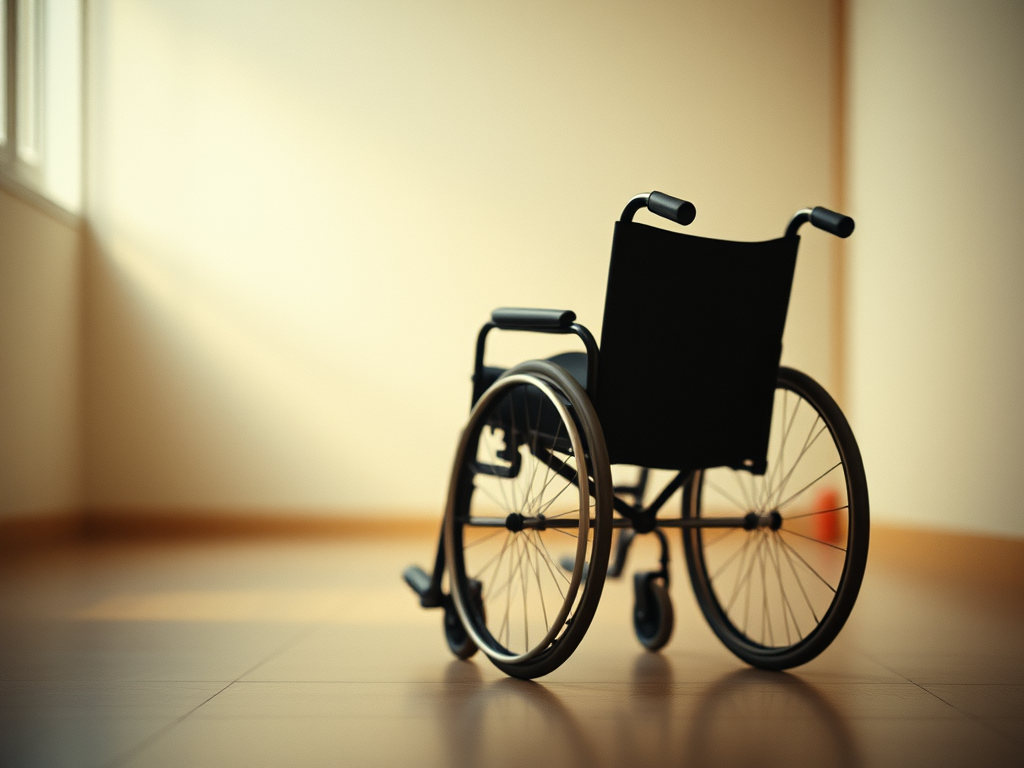
The fear of mental illness and disability in other people is a deeply rooted psychological phenomenon that touches on our most basic human emotions and social instincts. This fear, while often unspoken, can affect how we relate to others, shaping our attitudes, behaviors, and even our view of society. It taps into feelings of vulnerability, control, empathy, and often misunderstanding, which can lead to avoidance, judgment, or even cruelty toward those who live with mental illness or disabilities. To truly understand the psychology of this fear, we must look at its origins, how it plays out in everyday life, and how it influences our relationships with those affected.
At its core, the fear of mental illness and disability in others is often connected to our fears about our own fragility. Mental illness and disability are reminders that health and stability are not guaranteed. They bring to the surface a sense of vulnerability that most people would prefer not to confront. When we see someone else struggling with a mental health condition or a disability, it forces us to acknowledge that life is unpredictable, that our own minds or bodies could also betray us at any moment. This realization can be deeply unsettling. Rather than face this discomfort, many people unconsciously distance themselves from those who represent this perceived loss of control, perhaps hoping to keep such uncomfortable realities at arm’s length.
Another aspect of this fear is linked to our views around independence and competence. From a very young age, many people are taught to value self-sufficiency, productivity, and mental sharpness. In many societies, there is a cultural narrative that places a high premium on being able to “pull yourself up by your bootstraps” and take care of yourself without needing help from others. This emphasis on independence means that dependence, whether it be physical or psychological, is seen as something to avoid or fear. When someone encounters a person with a mental illness or disability, it can challenge these deeply held values. It brings up questions about what it means to live a “valuable” life or how we define a person’s worth if they cannot fully conform to these societal ideals of independence and rationality.
This fear of dependence often morphs into something more insidious: the dehumanization of those who live with mental illness or disabilities. Rather than seeing these individuals as whole people with unique experiences, personalities, and strengths, they may be reduced in the minds of others to their illness or disability. This reductionist view strips away the complexity of the person, allowing the fear to grow. When someone becomes merely “the mentally ill person” or “the disabled person,” it becomes easier to avoid them, dismiss them, or even mistreat them. This is where stereotypes, prejudice, and stigma often take root.
Stereotypes about mental illness are rampant and damaging. Many people grow up with distorted views of what it means to live with a mental health condition, often based on sensationalized media portrayals or misunderstood cultural narratives. Mental illness is often linked with violence, unpredictability, or incompetence, which fuels fear. In reality, these stereotypes are not only untrue but also harmful, as they prevent people from understanding the true nature of mental illness and the many forms it can take. This fear of the unknown – the unpredictability that mental illness supposedly brings – can cause people to isolate themselves from those who are mentally ill, even when there is no real threat. This fear-driven isolation only deepens the divide between people with mental illnesses and those without, perpetuating misunderstanding and alienation.
The fear of mental illness and disability in others can also be tied to a fear of helplessness. People may worry about how they would cope if a loved one developed a serious mental health condition or disability. This worry often stems from a lack of confidence in their ability to provide adequate support or from the belief that they might become overwhelmed by the demands of caregiving. In some cases, individuals may feel powerless in the face of something they do not understand or cannot “fix.”
This fear of helplessness can lead to avoidance behaviors, where individuals choose to distance themselves rather than face the potential emotional or practical challenges of supporting someone with a mental illness or disability. The fear here is not just about the person who is suffering but about the perceived burden that suffering might place on those around them.
Empathy, or rather the struggle with empathy, is also a significant component of this fear. Mental illness and disability can be hard for people to relate to, especially if they have never experienced anything similar themselves. When someone cannot easily put themselves in another’s shoes, it can be difficult to know how to respond. Instead of feeling compassion, people might feel frustration or even irritation because they do not understand why the person cannot just “snap out of it” or “get better.” This lack of empathy can exacerbate fear because it reinforces the idea that people with mental illness or disabilities are fundamentally different or “other.”
What makes this dynamic even more complex is that, paradoxically, many people also fear developing too much empathy. It can be emotionally draining to fully engage with someone who is going through intense suffering, and the fear of being overwhelmed by someone else’s emotions is a real concern for many. This fear of emotional contagion or the idea that we might be “pulled down” by someone else’s pain, can lead people to distance themselves from those who need support the most. It creates a tension between wanting to help and wanting to protect oneself from the emotional toll of caregiving or deep emotional involvement.
Furthermore, many of the fears surrounding mental illness and disability are tied to a lack of understanding about what these conditions actually involve. Mental illness, in particular, is often invisible. Unlike a physical disability that can be seen and recognized, mental illness often operates beneath the surface. Because of this, many people do not recognize the struggles others face or may assume that mental illness is something a person can control if they just tried harder. This ignorance can fuel fear because it creates a gap between how mental illness is perceived and the reality of living with it. Without accurate knowledge, people are left to fill in the gaps with assumptions, many of which are based on fear-driven stereotypes.
Cultural attitudes play a significant role in how the fear of mental illness and disability is shaped and expressed. In some cultures, mental illness is heavily stigmatized, seen as a shameful secret to be hidden from others. This cultural baggage can lead people to fear not just mental illness in others but the social consequences of being associated with someone who has a mental health condition. This fear of guilt by association can cause people to distance themselves from loved ones or acquaintances who are struggling, driven more by fear of societal judgment than by a lack of compassion. The stigma surrounding mental illness can be so strong that it leads people to reject or ostracize those who are most in need of support, even when they know it is wrong to do so.
At the same time, the way society structures itself can contribute to fear. Many systems are not built to support people with mental illnesses or disabilities adequately, whether through healthcare, employment opportunities, or social services. This lack of support sends a message that these individuals are not valued, and it can create a fear of what will happen to them, or to anyone who might end up in their position. When people feel that they do not live in a society that will care for those with mental health conditions or disabilities, the fear is compounded by the sense that they will be left to face these challenges alone. The fear is not just about the person with the condition but about the broader system’s failure to provide for them.
In conclusion, the fear of mental illness and disability in others is a complex and multifaceted issue. It is influenced by personal insecurities, societal values, cultural stigma, and a lack of understanding or empathy. This fear is not always conscious, but it often manifests in avoidance, judgment, and dehumanization of those who are living with these conditions.
To overcome this fear, individuals must confront their own vulnerabilities and engage in open, compassionate conversations about mental health and disability. Education and awareness are key to breaking down the stereotypes and misconceptions that fuel fear, and fostering a culture of empathy and support is crucial for creating a society where mental illness and disability are not something to fear but something to understand and address with kindness and humanity.
Here is a list of global resources and support organizations for individuals affected by mental illness and disability, as well as for their families and caregivers. These resources provide assistance ranging from mental health crisis support, education, advocacy, and rights protection to peer support networks and services for living with disabilities.
Global Mental Health Resources:
- World Health Organization (WHO) – Mental Health
Website: WHO Mental Health
The WHO offers global guidelines, mental health data, and resources on mental health disorders. They also provide a comprehensive framework for mental health policy and services.
- International Association for Suicide Prevention (IASP)
Website: IASP
IASP provides resources and support for suicide prevention, including crisis helplines globally and initiatives to address mental health.
- Mental Health Innovation Network (MHIN)
Website: MHIN
A global community of mental health professionals and advocates who share innovative approaches to mental health care and policies around the world.
- MindFreedom International
Website: MindFreedom
Focused on promoting human rights in mental health care and advocating for individuals who have experienced psychiatric abuse. They offer resources for those facing forced treatments and work to empower those with mental health issues.
- Befrienders Worldwide
Website: Befrienders Worldwide
A global network providing emotional support to prevent suicide. They operate helplines in many countries, offering help to those in distress.
- International Mental Health Collaborative Network (IMHCN)
Website: IMHCN
An international network that promotes community-based mental health services and provides training and resources for mental health workers and advocates.
- The Anxiety and Depression Association of America (ADAA)
Website: ADAA
While U.S.-based, the ADAA offers resources and information on anxiety, depression, and co-occurring disorders, including tools for finding international support.
- The Depression and Bipolar Support Alliance (DBSA)
Website: DBSA
DBSA offers peer-led support groups and resources for individuals and families dealing with depression and bipolar disorder. They provide online tools and international directories for finding local support.
Global Disability Support and Advocacy Organizations:
- United Nations – Disability Rights (CRPD)
Website: UN Disability Rights
The UN provides a range of materials, guidelines, and advocacy tools aimed at promoting the rights of persons with disabilities worldwide. They uphold the Convention on the Rights of Persons with Disabilities (CRPD).
- Disabled Peoples’ International (DPI)
Website: DPI
DPI is a global organization representing the voices of people with disabilities, advocating for human rights and equal access to services, education, and employment worldwide.
- The International Disability Alliance (IDA)
Website: IDA
A network of global and regional organizations of persons with disabilities that advocates for the rights and inclusion of disabled people at international policy levels.
- International Federation of Hard of Hearing People (IFHOH)
Website: IFHOH
A worldwide federation that promotes the rights and well-being of people who are hard of hearing. They offer resources, educational materials, and global advocacy.
- The World Federation of the Deaf (WFD)
Website: WFD
WFD advocates for the human rights of deaf people worldwide and provides educational, social, and cultural support for the deaf community.
- Leonard Cheshire Disability
Website: Leonard Cheshire
This international organization provides support for people with disabilities, focusing on inclusive education, independent living, and economic empowerment across several countries.
- Global Disability Innovation Hub
Website: GDI Hub
GDI Hub focuses on research and innovation to improve the lives of disabled people worldwide through technology, design, and policy advocacy.
- International Paralympic Committee (IPC)
Website: IPC
While primarily focused on sports, the IPC advocates for the empowerment of people with disabilities and promotes social inclusion through sports and physical activities.
Mental Health and Disability Crisis Hotlines (Global Networks):
- Lifeline International
Website: Lifeline International
Operates across multiple countries offering 24/7 crisis support and suicide prevention services.
- Samaritans
Website: Samaritans
A UK-based organization providing emotional support to anyone in distress. They offer services worldwide and are part of an international network for crisis support.
- Crisis Text Line
Website: Crisis Text Line
Available in the U.S., UK, Ireland, and Canada, this text-based crisis support service is designed to help people in immediate emotional distress, with trained counselors providing support through texting.
- Shout (UK)
Website: Give Us A Shout
A UK-based crisis text service that provides free support to people experiencing a mental health crisis.
- National Suicide Prevention Lifeline (U.S.)
Website: Suicide Prevention Lifeline
A U.S.-based network of crisis centers offering free, confidential support for people in emotional distress, along with resources for prevention and education. They also offer links to international suicide prevention helplines.
- SANE (Australia)
Website: SANE
SANE Australia offers support, research, and advocacy for people affected by complex mental health issues and disability, including an online helpline.
International Peer Support and Advocacy:
- Hearing Voices Network (Global)
Website: Hearing Voices Network
A global community offering peer support for people who hear voices or experience other extreme mental states. The network provides non-pathologizing support and resources for understanding these experiences.
- Global Peer Supporters Network (GPSN)
Website: GPSN
A network of mental health peer support workers from around the world that aims to strengthen peer-led support services.
- We Are Undefeatable (UK)
Website: We Are Undefeatable
A UK campaign supporting individuals with long-term health conditions, including disabilities, to be more active. Their website offers resources and personal stories.
These organizations and resources provide crucial support, ranging from immediate crisis intervention to long-term advocacy and empowerment. They play a vital role in raising awareness, reducing stigma, and fostering a culture of inclusion and compassion for those affected by mental illness and disability globally.