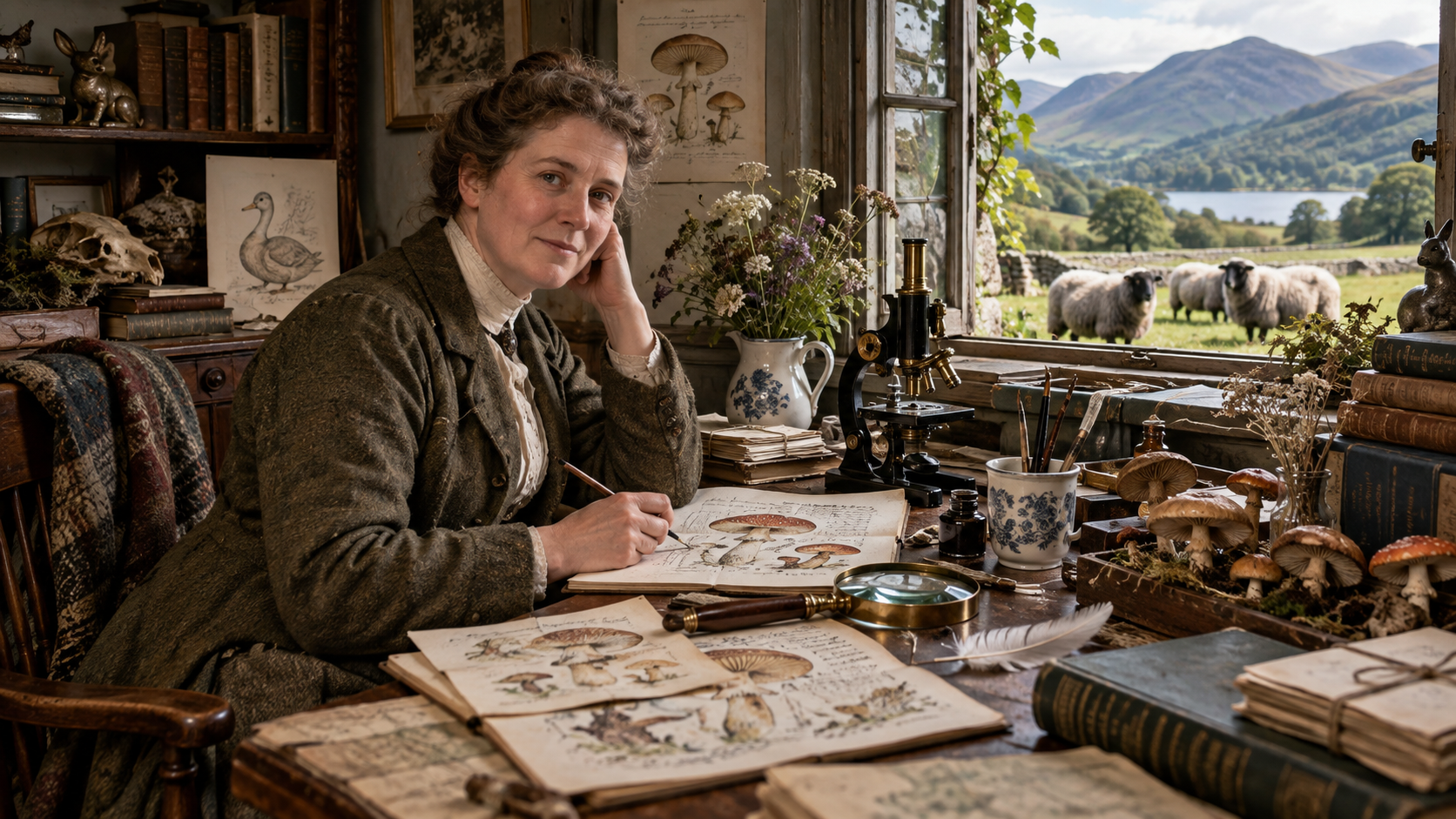
Forget Peter Rabbit for a moment. Beatrix Potter was a mycologist, scientific illustrator, shrewd businesswoman, prize-winning sheep breeder and conservationist who helped preserve thousands of acres of the Lake District. Behind the little animals in jackets was a considerably more formidable woman – and one with a surprising fondness for fungi.
Category: Social History


Eliza Maud Inglis (1864-1917)
Doctor, suffragist and formidable organiser, Elsie Inglis refused to accept the limits placed upon women. When Britain rejected her offer of an all-female medical unit during the First World War, she simply took her hospitals elsewhere – and changed thousands of lives.
Sharing's Caring!


Lilian Bland
In 1910, when aviation was still in its infancy, Lilian Bland decided she could build an aeroplane herself. Armed with determination, ingenuity, a Jameson’s whisky bottle and her aunt’s ear trumpet, she built the Mayfly – and then climbed aboard and flew it.
Sharing's Caring!


Maria Dickin CBE (1870-1951)
Maria Dickin saw something others had overlooked: poverty affected animals as well as people. From a Whitechapel basement she built the PDSA, transformed access to veterinary care and created the Dickin Medal for animal bravery.
Sharing's Caring!


Eglantyne Jebb
Eglantyne Jebb founded Save the Children, was arrested for campaigning for starving enemy children, and helped establish the revolutionary idea that children had rights of their own. One remarkable Shropshire woman whose legacy changed millions of lives.
Sharing's Caring!

The Seventh Chair – Kirst D’Raven
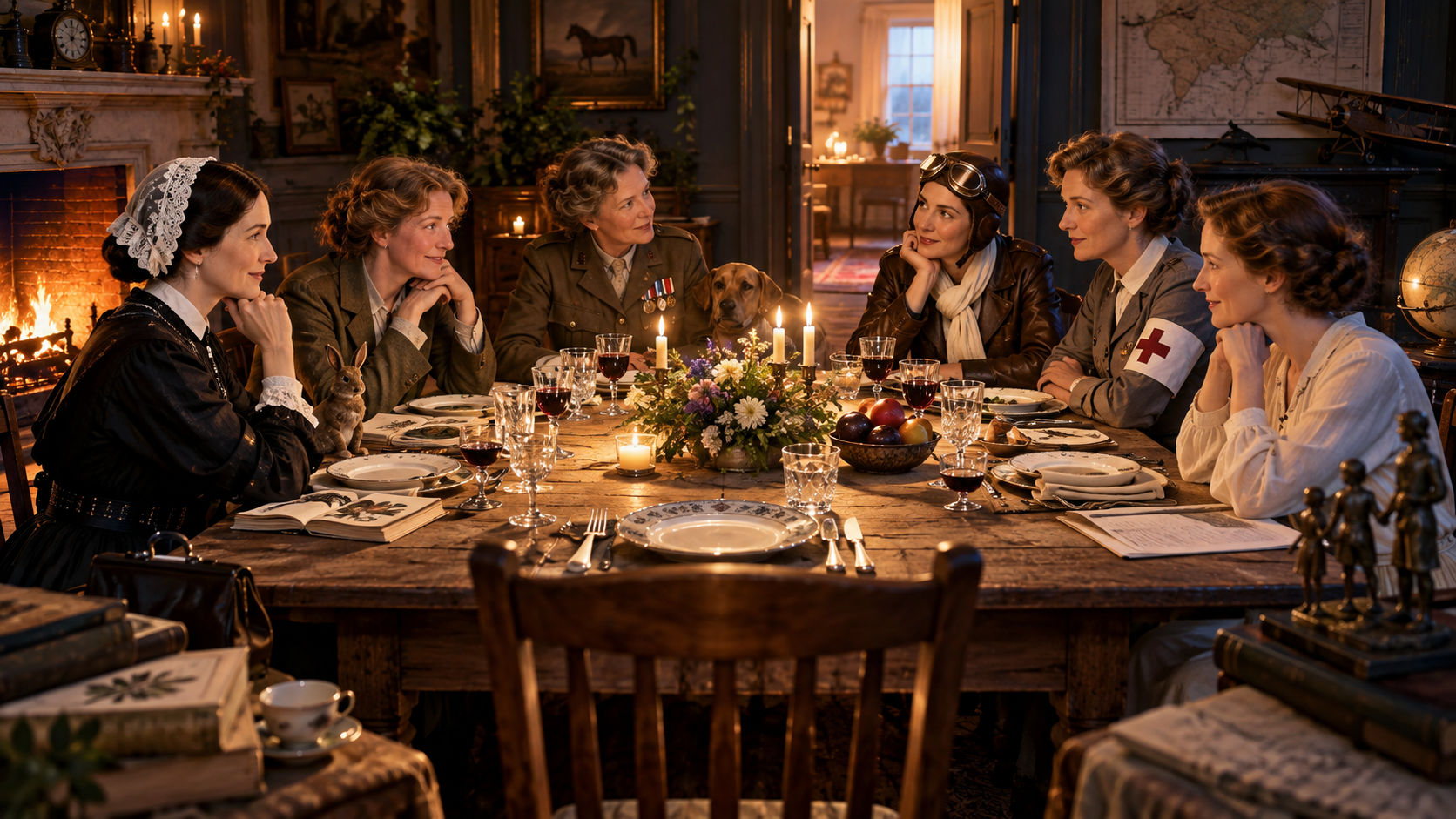
Six women. Seven chairs. One invitation that makes no sense. Around a dinner table where time has apparently stopped, Florence Nightingale, Beatrix Potter, Maria Dickin, Lilian Bland, Elsie Inglis and Eglantyne Jebb discover they have rather more in common than history remembers. But one place remains empty. And perhaps it was never meant for them.
Sharing's Caring!

Florence Nightingale
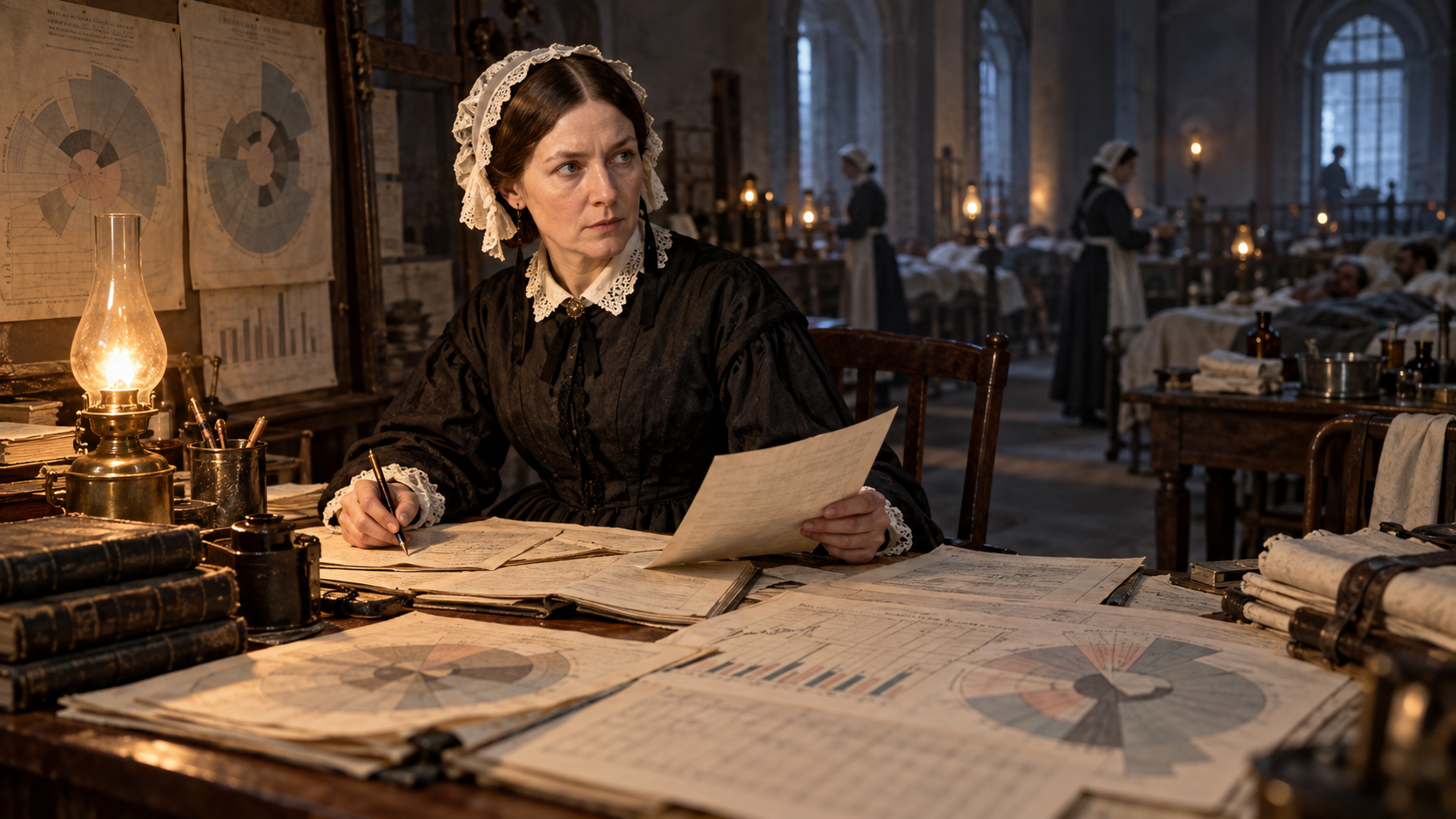
Forget the gentle Lady with the Lamp. Florence Nightingale was a statistician, political operator and relentless reformer who used evidence to expose preventable deaths and force the British establishment to change.
Sharing's Caring!

The Golden Age of Magic – When Conjurors Became Superstars
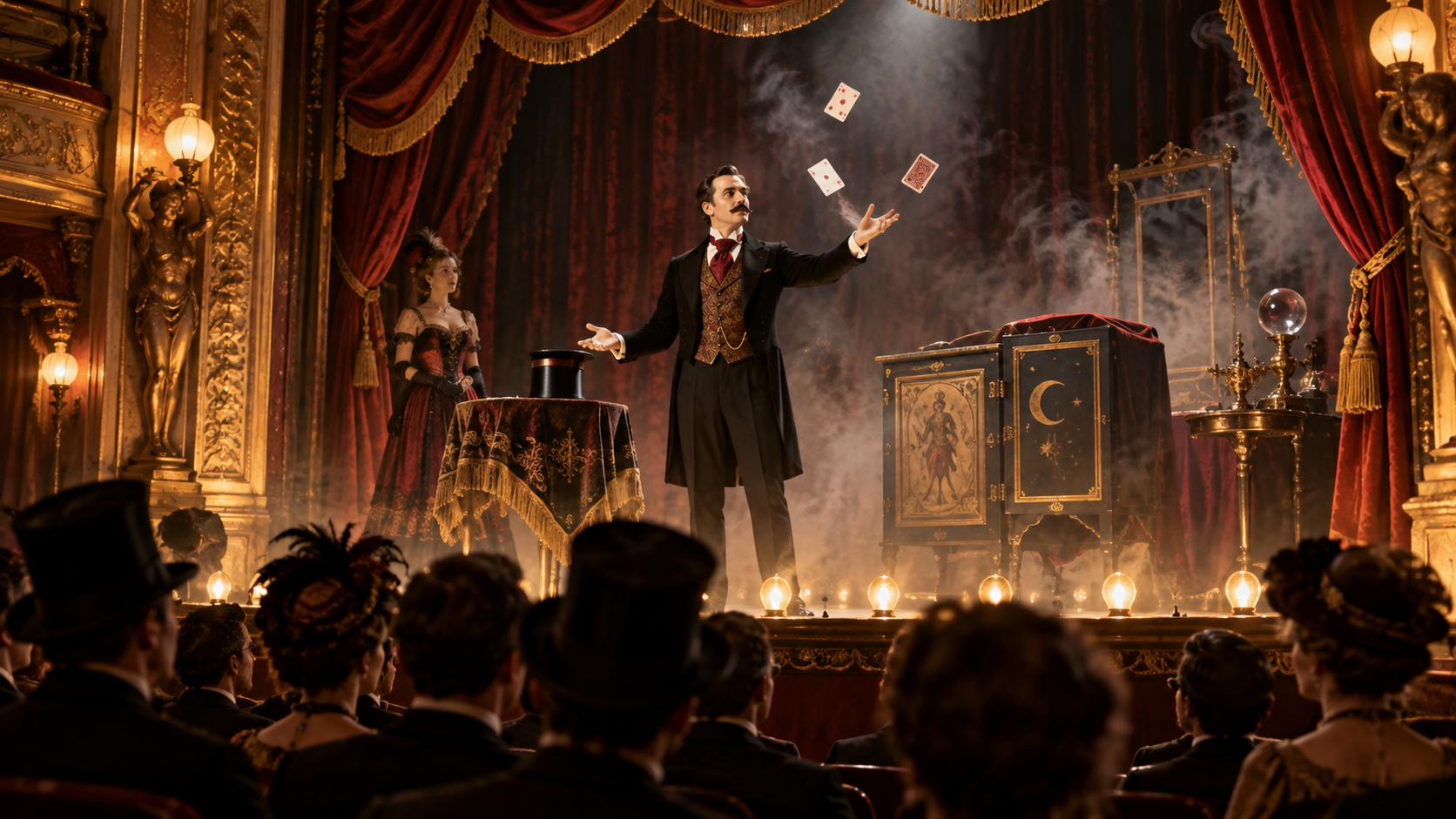
In the late nineteenth century, London’s Golden Age of Magic emerged, transforming magicians into celebrated entertainers. Figures like Jean-Eugène Robert-Houdin and John Nevil Maskelyne utilized technology and theatrical techniques to captivate audiences. The rise of Spiritualism also inspired magicians, fostering a collision between entertainment and belief. Magic became a respected art form, paving the way for its future.
Sharing's Caring!


The Woman Who Gave Birth To Rabbits
In 1726, Mary Toft became one of the most notorious women in England after apparently giving birth to rabbits. Doctors investigated, royal physicians became involved and London was transfixed. But behind one of history’s most infamous medical hoaxes lies a stranger story of pregnancy, belief, deception and a young woman whose role may have been far more complicated than the legend suggests.
Sharing's Caring!

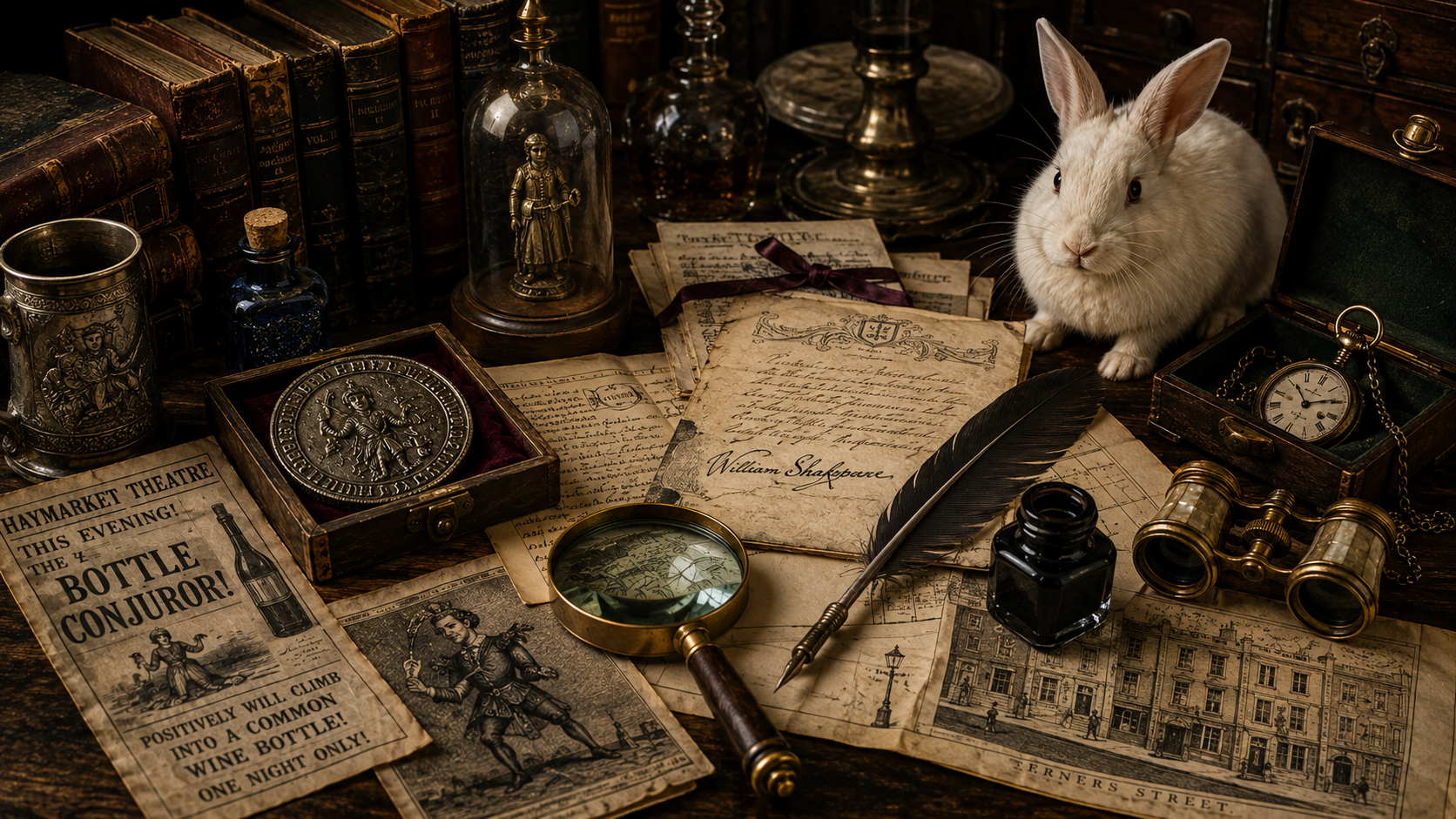
When Britain Loved Being Fooled
Britain has a long and glorious history of being fooled. From forged antiquities and impossible performances to mysterious princesses and women supposedly giving birth to rabbits, the greatest hoaxes succeed not because our ancestors were stupid, but because someone gave them exactly what they wanted to believe.
Sharing's Caring!


The Screaming Skull of Bettiscombe – Who Was She?
A human skull has guarded Bettiscombe Manor for generations, but science revealed the famous legend had the wrong victim. So who was the mysterious woman behind Britain’s screaming skull? 💀
Sharing's Caring!


When the Dead Don’t Stay Dead
There are few things that humanity has been quite so consistently afraid of as a dead person who refuses to behave like one.
Sharing's Caring!

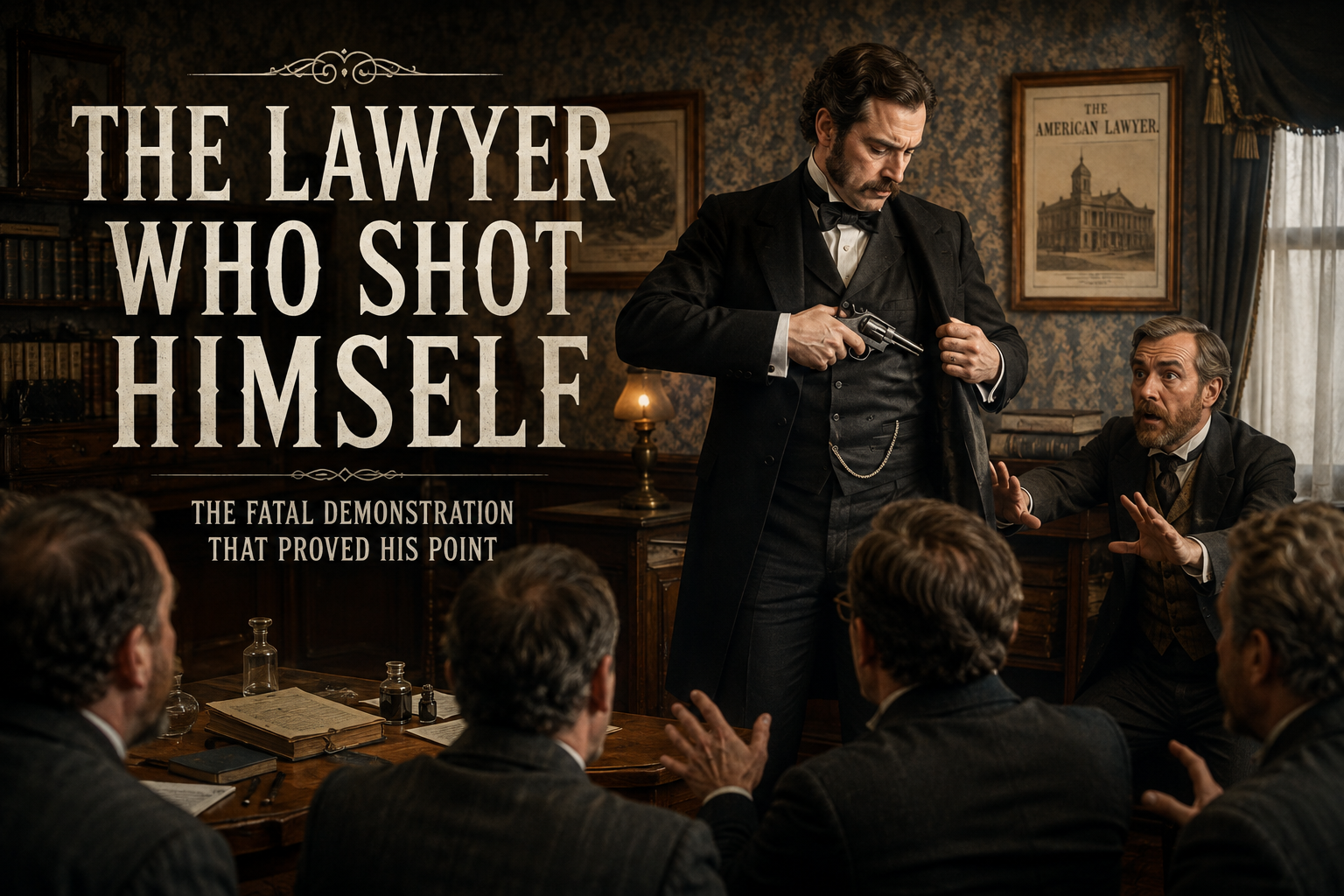
The Lawyer Who Shot Himself
How Clement Vallandigham became history’s unluckiest defence lawyer
Sharing's Caring!


Dressed to Kill
Beauty, style, a little fire… What can possibly go wrong?
Sharing's Caring!


Lady Killers – The Black Widow Who May Have Got Away With Murder
Wherever Belle Gunness went, people had an alarming tendency to die. Children. Husbands. Suitors. Farmhands. And then, just when the authorities finally closed in… Belle herself apparently died.
Sharing's Caring!


Lady Killers: The Baby Farmer Who Betrayed Victorian Britain
Some stories are hard to tell.. Not because the facts have been lost to time or because history has become tangled with folklore and legend. But because every page reminds us that the greatest horrors are often committed not by mythical monsters, but by ordinary people living ordinary lives.
Sharing's Caring!


Lady Killers: The Devil of Royal Street
Some monsters are born in the darkness. Others host lavish dinner parties beneath glittering chandeliers while the city applauds their elegance…
Sharing's Caring!

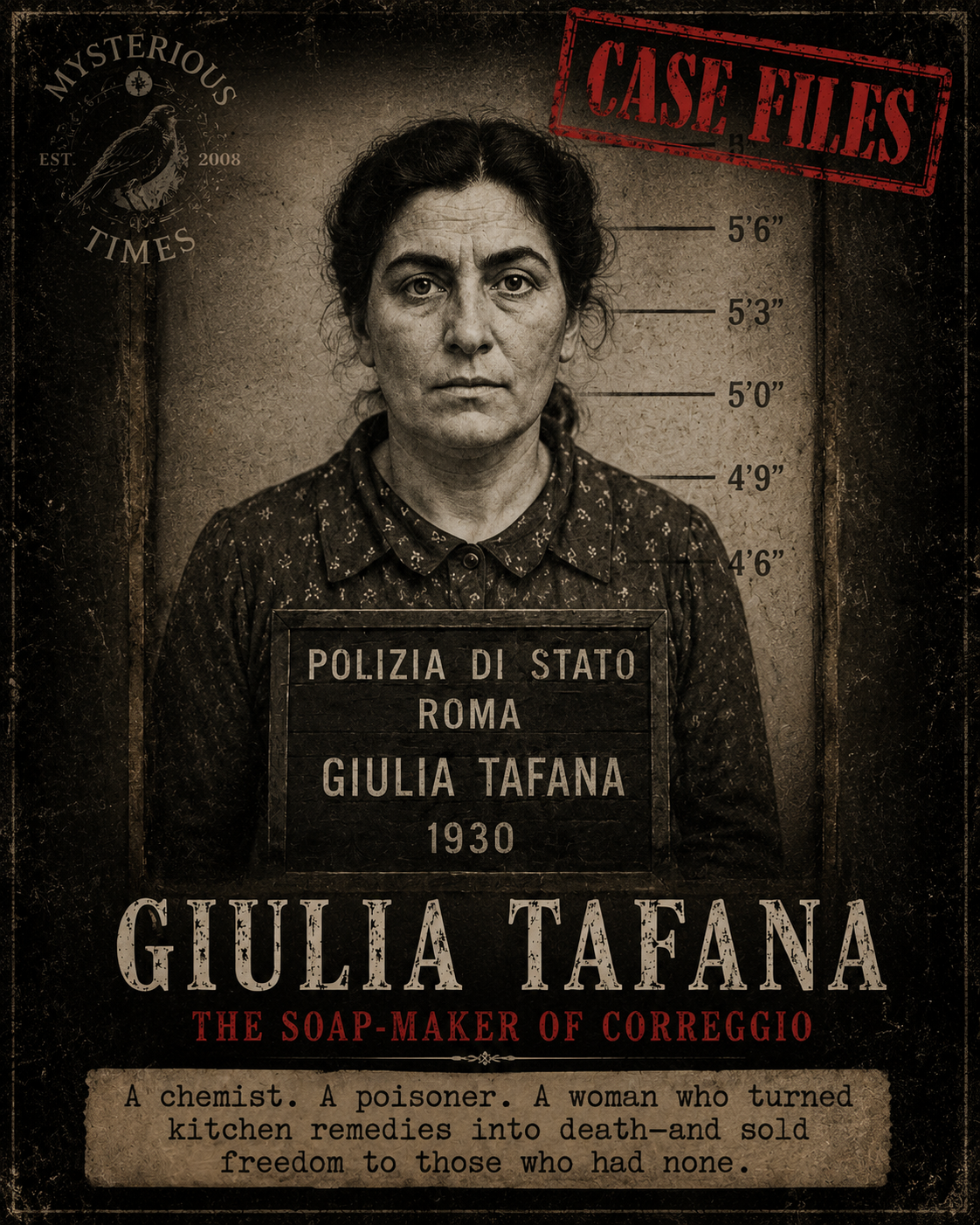
Lady Killers: The Patron Saint of Unhappy Wives.
Every Legend needs its patron saint and the story of Giulia Tofana is no exception. Over 600 men allegedly succumbed to her concoctions – but how much of her story is truth and how much is fiction? Pull up a chair….
Sharing's Caring!


More Than a Game
The Superstitions, Rituals and Folklore of Football
Sharing's Caring!


The Three Lions
The Medieval Beast That Still Roars
Sharing's Caring!


When the Final Whistle Never Blows
The Ghosts of Britain’s Football Grounds.
Sharing's Caring!

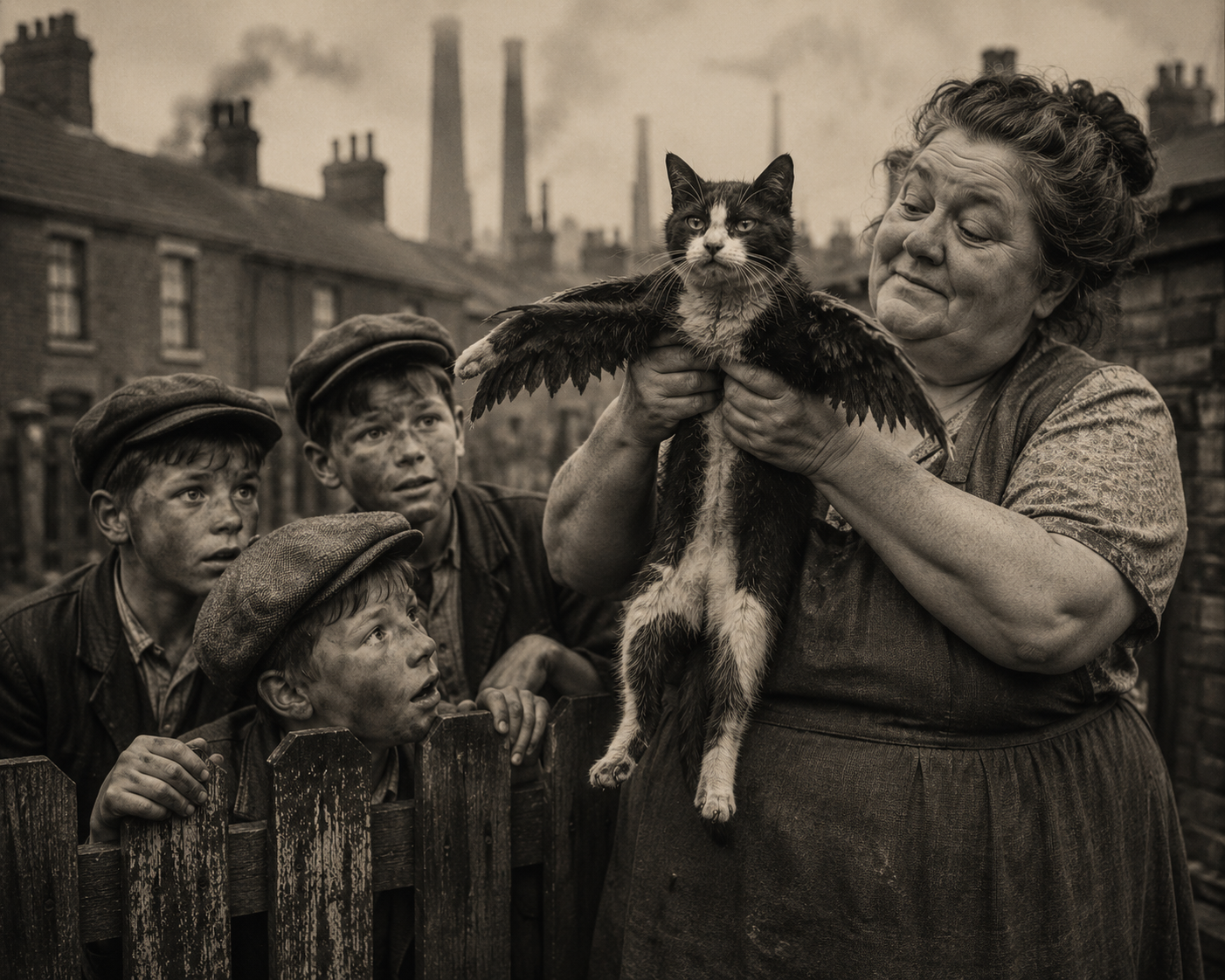
Did Harry Meet Sally?
My Grandad Harry was a great storyteller. Yet amongst the lions, crocodiles and other improbable adventures was a story that always intrigued me. Harry swore that, when he was a boy, there was a woman in Attercliffe who owned a cat with wings…
Sharing's Caring!

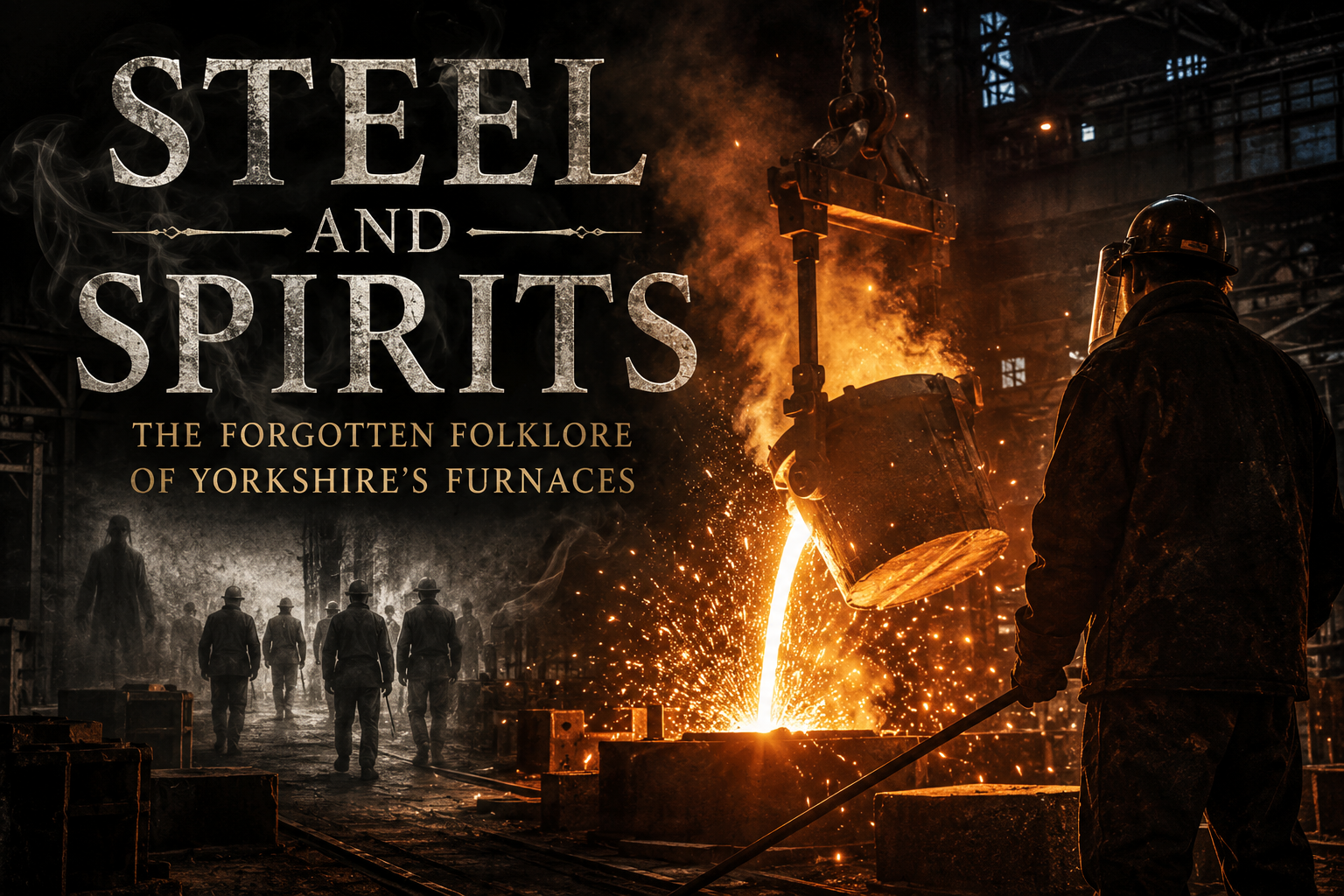
Steel & Spirits – The Forgotten Folklore of Yorkshire’s Furnaces
The steel industry shaped towns, communities and families. Yet, alongside the engineering, economics and industry there existed something else. Stories.
Sharing's Caring!


Hexing the Bomb
The Witches of Greenham Common and Britain’s Most Magical Protest
