The fear of moths, known as mottephobia, is a specific phobia that can cause intense anxiety and discomfort for those who experience it. While moths may seem harmless or even mundane to many people, individuals with mottephobia can feel overwhelmed by fear at the sight or even the thought of these small, fluttering creatures. This fear may seem irrational to outsiders, but like any phobia, it is a very real experience for those who suffer from it.
Phobias are more than just simple dislikes or preferences. They involve a deep-seated emotional response, often rooted in fear or anxiety, that can be hard to explain. For someone with mottephobia, the presence of a moth can trigger a range of physical and emotional reactions. These can include feelings of panic, a racing heart, difficulty breathing, and an overwhelming urge to escape the situation. Some people may even go to great lengths to avoid encountering moths, such as keeping windows tightly shut at night or avoiding outdoor areas where moths are common.
The fear of moths can be puzzling to those who don’t share it, but like most phobias, it’s likely that there’s more going on beneath the surface. Phobias often develop as a result of past experiences, even ones that seem minor or long forgotten. A person might have had a negative encounter with a moth as a child, like one flying into their face or getting trapped in their clothes, and over time, this memory has grown into a full-blown fear. Other times, the fear may have developed without a clear trigger, emerging gradually as the person becomes more aware of moths and begins to associate them with danger or disgust.
One aspect that might contribute to mottephobia is the unpredictability of moths. Unlike some insects that stay relatively still or follow predictable patterns, moths tend to move erratically, especially when they are near light sources. Their flight can seem chaotic, with sudden changes in direction, which may make them feel difficult to avoid or control. This unpredictability can heighten feelings of unease, as people are often startled by moths when they least expect it. For someone who is already anxious about the presence of moths, this erratic movement can feel like an invasion of their personal space, intensifying their fear.
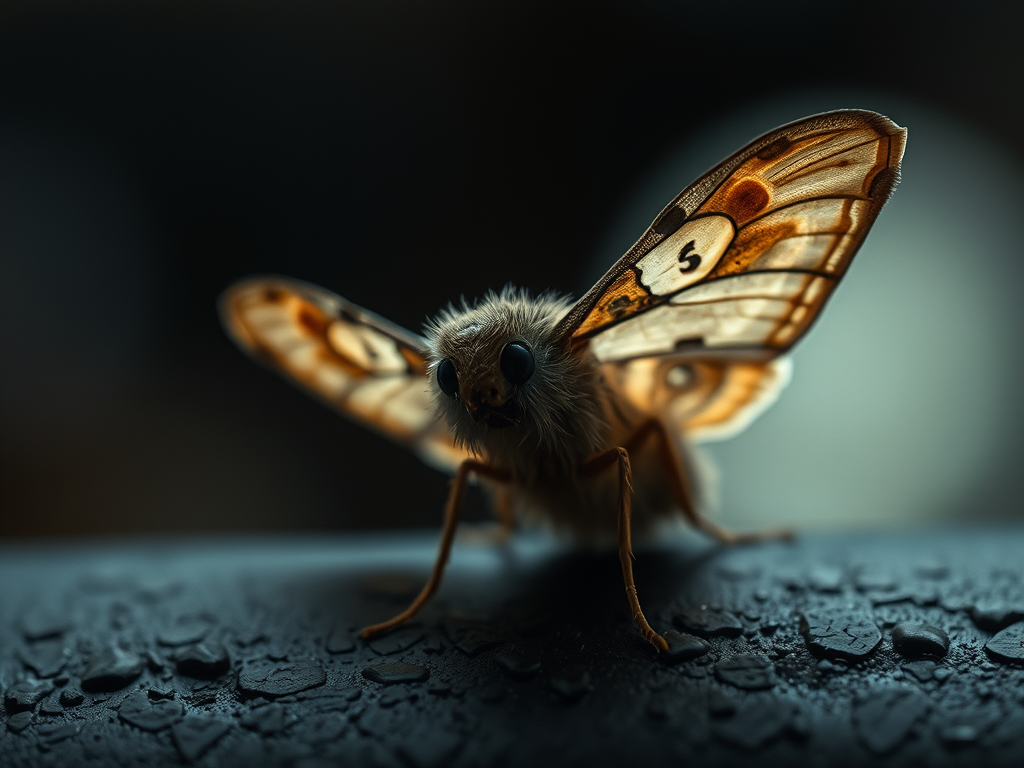
Moths, with their fuzzy bodies and often dull, powdery wings, can also trigger a sense of revulsion in some people. Unlike butterflies, which are often celebrated for their bright colours and delicate beauty, moths are sometimes associated with dirt, decay, or nocturnal activity, feeding into negative perceptions. They are often seen as pests, known for chewing holes in clothes or gathering around lights at night. This association with damage or nuisance can contribute to the fear, as moths become not just creatures to avoid, but pests that need to be eliminated.
In many cultures, moths have been linked with superstitions or omens, which might also play a role in shaping people’s fears. In some traditions, moths are seen as symbols of death or bad luck. While these beliefs may not be as prevalent in modern times, remnants of them can still linger in the collective consciousness. Even if someone doesn’t actively believe in these superstitions, they might have an ingrained sense of unease around moths that stems from these cultural associations.
As with any phobia, the experience of mottephobia can vary widely from person to person. Some people might only feel a mild discomfort when they see a moth, while others can experience full-blown panic attacks. The degree to which the fear interferes with daily life also differs. For someone who lives in an area where moths are rarely encountered, the phobia might only be a minor inconvenience. But for someone who frequently encounters moths, whether indoors or outdoors, the fear can become a constant source of anxiety.
The impact of this phobia on daily life can be significant. A person with a severe fear of moths might avoid activities they would otherwise enjoy, such as hiking, camping, or even sitting outside on warm summer evenings. The simple act of opening a window at night can become a stressful ordeal if there’s a chance that a moth might fly in. Some people might go so far as to alter their home environments, using special screens, keeping lights off, or spraying insect repellent to minimize the likelihood of encountering a moth.
Understanding why someone might develop a fear of moths is key to addressing it. Phobias are not logical, and they don’t always respond to rational explanations or reassurance. Telling someone that moths are harmless or that they don’t pose a real threat won’t necessarily alleviate the fear. This is because phobias are often deeply rooted in the emotional parts of the brain, where fear responses are automatic and difficult to control.
Treatment for mottephobia typically follows similar approaches to other specific phobias. Cognitive-behavioural therapy (CBT) is one of the most common methods used. CBT helps individuals identify and challenge the negative thoughts and beliefs that fuel their fear. For instance, a person might learn to reframe their thinking about moths, recognizing that while they find them unpleasant, the moths themselves are not dangerous. Over time, this process can help to reduce the intensity of the fear.
Exposure therapy is another strategy that can be effective for treating phobias. In exposure therapy, the person is gradually introduced to the source of their fear in a controlled and safe environment. This might start with looking at pictures of moths, then progress to being in the same room as a moth, and eventually, interacting with one. The goal is to desensitize the individual to the fear by slowly increasing their exposure until the presence of a moth no longer triggers a strong anxiety response.
For those who suffer from mottephobia, the condition can feel isolating. Unlike more common fears, like a fear of heights or snakes, the fear of moths isn’t always taken seriously by others. It can be difficult to explain to friends or family why the sight of a moth provokes such a strong reaction, and this lack of understanding can lead to feelings of embarrassment or frustration. In some cases, people with mottephobia might try to hide their fear, avoiding situations where they might encounter moths rather than discussing their feelings openly.
It’s important for people to recognize that phobias are not a matter of choice or personal weakness. They are a type of anxiety disorder that can cause significant distress, and they deserve to be treated with compassion and respect. For those who don’t share the fear, it can be helpful to avoid teasing or dismissing someone’s discomfort. While moths might seem harmless or even unremarkable to one person, they represent a very real source of fear to another.
The fear of moths, like any phobia, can be debilitating, but it is also treatable. With the right support and strategies, people with mottephobia can learn to manage their fear and regain control over their reactions. By understanding the roots of the fear and addressing it with patience and care, it’s possible to reduce the impact of mottephobia on everyday life, allowing those who suffer from it to experience greater peace of mind and confidence in facing their fears.