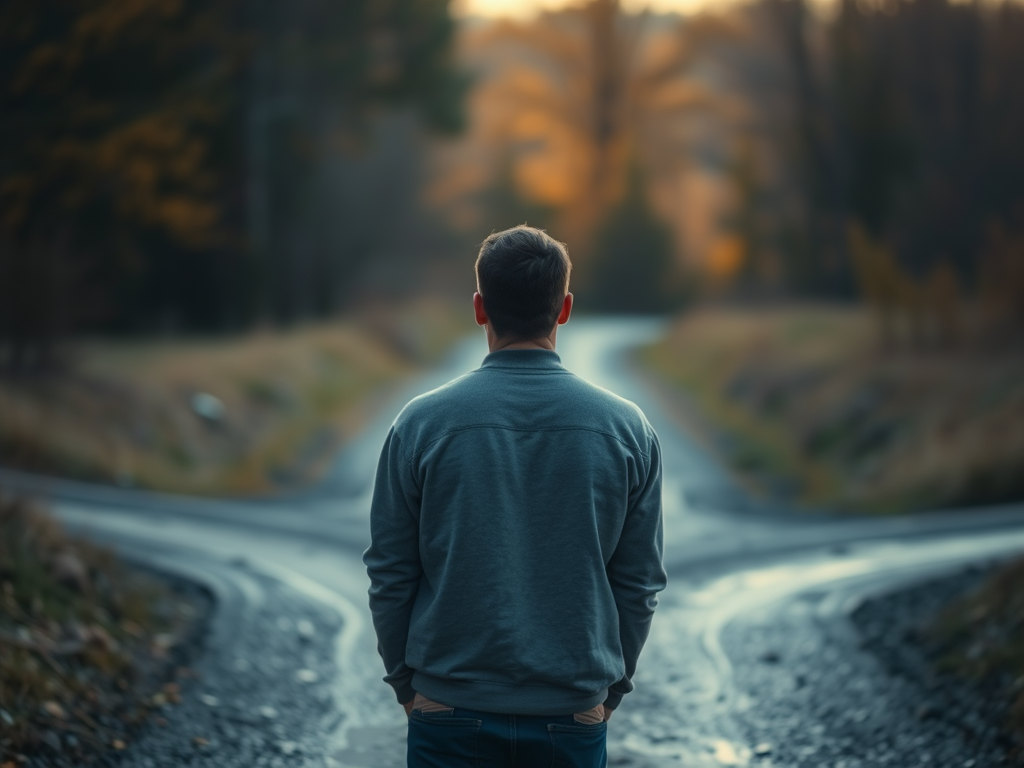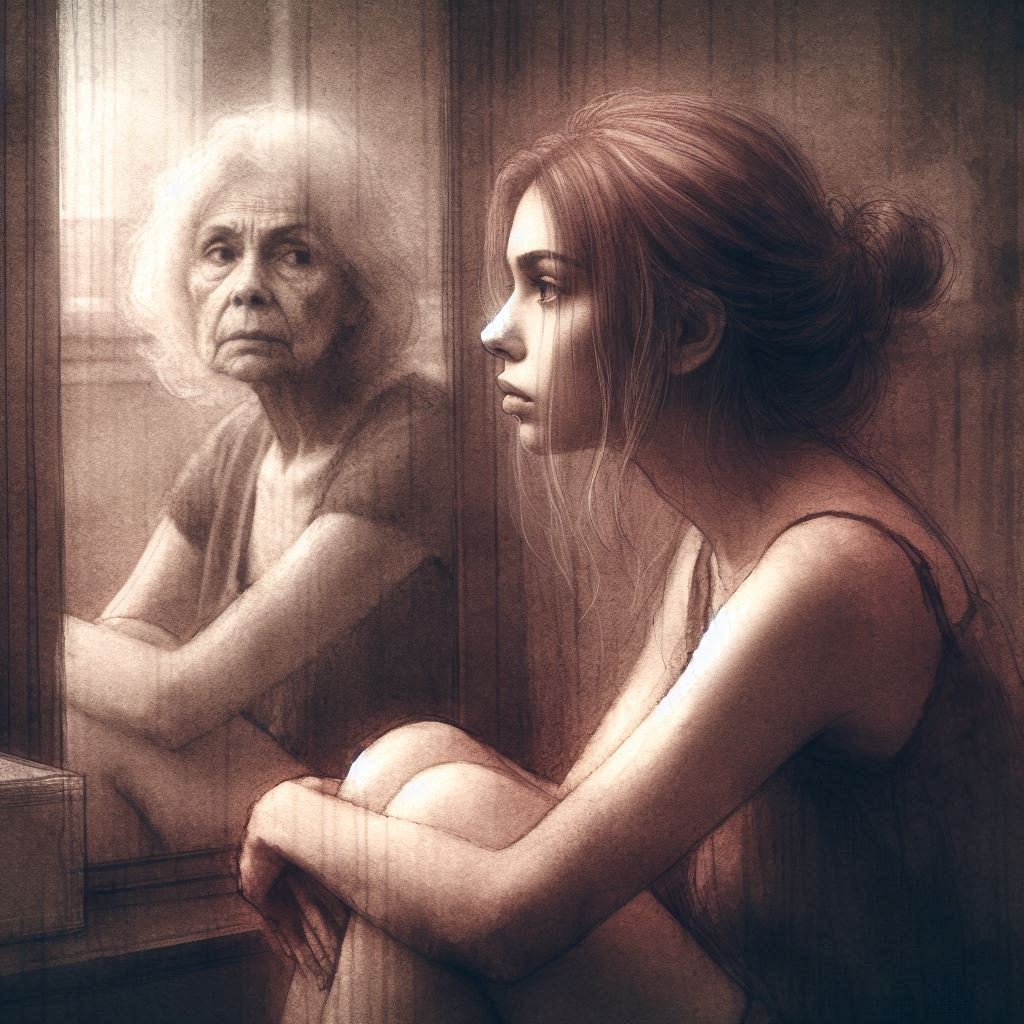
The fear of getting old is a deeply ingrained concern that many people experience at some point in their lives. It’s a fear that goes beyond the surface worries of physical decline, wrinkles, and grey hair.
At its core, the anxiety surrounding aging often touches on our broader fears about mortality, loss of control, social relevance, and even personal identity. In a world where youth is celebrated and aging is often sidelined or stigmatized, it’s no surprise that the idea of growing older can provoke feelings of dread.
Psychologically, the fear of aging, or gerascophobia, is complex and multi-faceted. It can arise at various points in life and manifest differently for each individual. For some, the fear is subtle and comes in waves as they approach certain milestones. For others, it can be a pervasive anxiety, affecting daily decisions, relationships, and self-esteem. At its most extreme, this fear can lead to avoidance behaviors or even clinical anxiety. Understanding where this fear comes from and why it persists is key to addressing it in a healthy way.
As we age, certain aspects of our lives may feel increasingly beyond our grasp—our physical bodies may weaken, our cognitive abilities may decline, and our social roles may shift. This can lead to feelings of helplessness and vulnerability, two emotions that most people strive to avoid.
The desire for independence is deeply rooted in human psychology, and anything that threatens that autonomy can trigger anxiety. Aging, unfortunately, is one of those threats, as it can bring with it illness, frailty, and a dependence on others for care.
But it’s not just about loss of physical ability. The fear of getting old is often wrapped up in concerns about identity. As we grow older, the roles and labels that once defined us – whether they’re related to our careers, family, or social status – begin to shift.
Retirement, for instance, can bring an abrupt end to a working life that once provided structure, purpose, and a sense of self-worth. For people whose identity is closely tied to their profession or their productivity, this transition can be particularly jarring. It can leave them feeling adrift, questioning their value in a world that tends to equate worth with youth and achievement.
Additionally, aging can lead to a feeling of invisibility in a society that glorifies youth. Younger generations are often seen as the innovators and the drivers of cultural trends, while older individuals may feel pushed to the sidelines, their voices and contributions less valued. This societal devaluation can exacerbate feelings of irrelevance or being left behind.
For those who have spent their lives in positions of influence or power, the idea of becoming “invisible” can be especially difficult to accept. This fear of becoming obsolete is a significant factor in the anxiety around aging.
Moreover, the physical changes that accompany aging – whether it’s wrinkles, weight gain, or hair loss – can trigger deep insecurities. In a culture that is saturated with images of youthful beauty and vitality, growing older can feel like an affront to our sense of attractiveness and desirability. The natural signs of aging are often portrayed as something to be avoided at all costs, with countless industries dedicated to anti-aging products and procedures. This pressure to maintain a youthful appearance can lead to a persistent sense of inadequacy or shame as the body inevitably changes with age.
Underlying these physical insecurities is a more profound fear of loss. Aging often means watching loved ones pass away, friendships change, and social circles shrink. The loss of companionship and connection can leave people feeling lonely and isolated, which can heighten anxiety about the future.
In later years, people may also face the challenge of losing a spouse or partner, a transition that can deeply impact one’s emotional well-being and sense of stability. The fear of being alone, especially in a time when one might be more physically or emotionally vulnerable, can intensify the dread of growing old.
It’s also important to consider how cultural narratives and stereotypes about aging shape our psychology. In many Western cultures, aging is seen as something negative – something to be fought off as long as possible. Advertisements and media often depict older individuals as frail, slow, or out of touch, reinforcing the idea that youth is superior. These ageist stereotypes can become internalized, leading to self-stigma as people age. Even those who once celebrated their birthdays may start to view them with anxiety or even dread as the numbers climb higher, influenced by a societal message that says aging is something to fear.
Of course, not everyone fears aging in the same way, and many people approach it with grace, acceptance, or even enthusiasm. However, for those who do struggle with gerascophobia, there are ways to manage and even overcome this fear. One of the most effective approaches is to challenge the negative beliefs and assumptions about aging that fuel the fear. This might involve reframing the way we think about aging, focusing on the wisdom, experience, and freedom that often come with later life, rather than just the losses.
For instance, many people find that, as they age, they have a clearer sense of what matters to them. They may become less concerned with the opinions of others and more focused on pursuing meaningful goals or deepening personal relationships. In this way, aging can bring a sense of liberation, as the pressures to conform to societies expectations begin to fade. By emphasizing the positive aspects of aging – such as emotional resilience, perspective, and self-confidence – it’s possible to shift the focus away from the more negative or frightening aspects.
Another important psychological tool in addressing the fear of aging is acceptance. Aging is, after all, a natural and unavoidable process. Fighting against it or trying to deny it can lead to increased stress and anxiety.
Embracing the inevitability of aging, rather than viewing it as a personal failure, can help alleviate some of the fear surrounding it. This doesn’t mean giving up or neglecting self-care, but rather approaching aging with an attitude of self-compassion and understanding.
Mindfulness practices can also be helpful in managing anxiety about aging. By staying present and focusing on the here and now, individuals can reduce the tendency to ruminate on future fears.
Aging, like so many other aspects of life, is filled with unknowns, and mindfulness helps cultivate a sense of peace in the face of uncertainty. Through mindfulness, people can learn to appreciate the moment they are in, rather than worrying about what is to come.
Social connections are another key factor in combating the fear of aging. People who maintain strong relationships – whether with family, friends, or community – tend to feel more supported and less anxious as they grow older. Having a solid social network can provide emotional support and reduce feelings of loneliness, which are often exacerbated by aging. Staying engaged with others also helps combat the sense of isolation that many fear will come with old age.
For those who find their fear of aging particularly overwhelming, therapy can be an effective way to explore the underlying causes of their anxiety. Cognitive-behavioral therapy (CBT), for example, can help individuals identify and challenge the negative thought patterns that contribute to their fear. Therapy can also provide a space to work through deeper existential concerns, such as the fear of death or loss of identity, and to develop coping strategies for managing those fears.
In the end, the fear of getting old is not just about physical decline or the approach of death – it’s about how we relate to ourselves, to others, and to the passage of time. It’s about the stories we tell ourselves about what it means to age, and how those stories shape our sense of identity and purpose. By confronting these fears head-on and learning to embrace the natural process of aging, we can transform the dread of getting older into an opportunity for growth, self-acceptance, and even joy. Aging is, after all, a universal human experience. Each one of us will grow older, and while we may not be able to control the physical changes that come with age, we do have some control over how we perceive and experience this journey. By shifting our focus from fear to acceptance, from loss to gain, we can begin to see aging not as something to dread, but as a continuation of the rich, complex story that is our life.