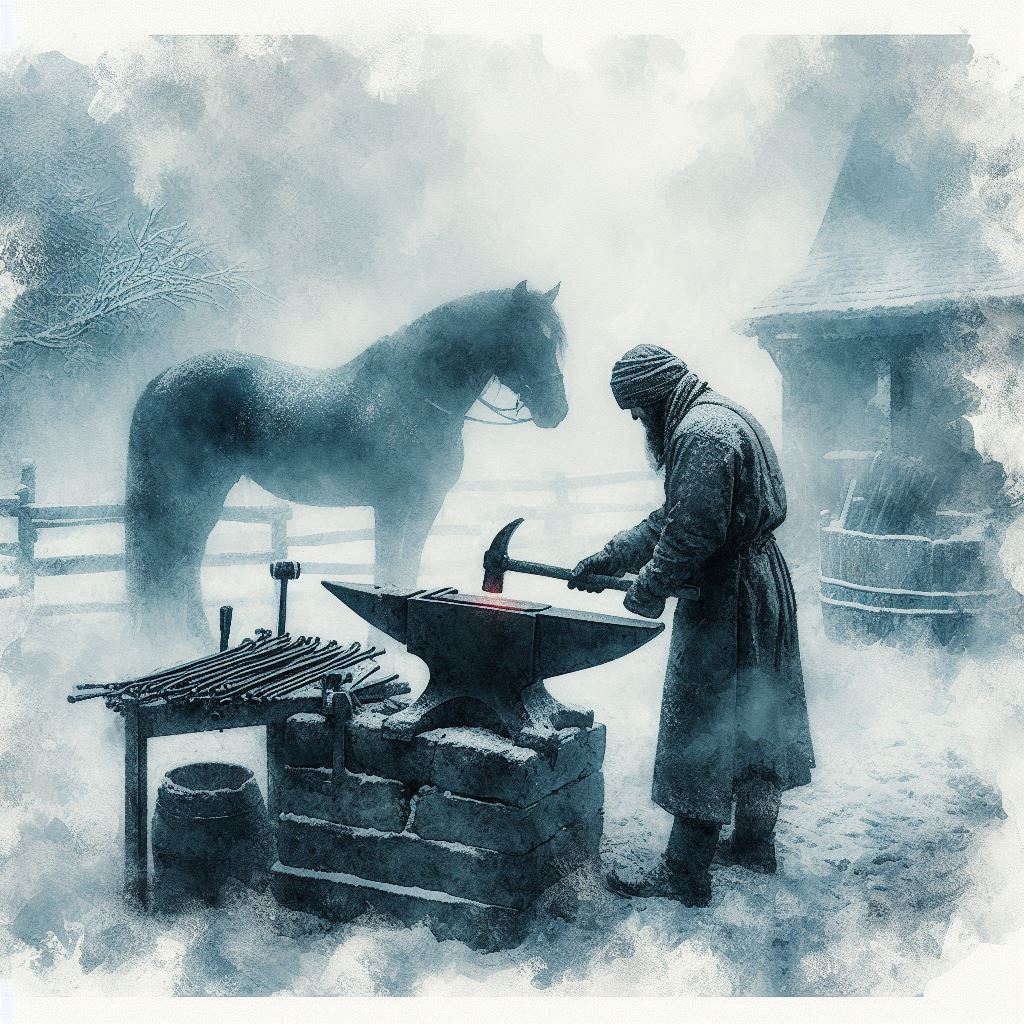
The world of blacksmiths and farriers has long been wrapped in an aura of mystery strength and fire. These skilled craftsmen and women wield hammers with precision and forge metal into functional works of art, all while standing over the blazing heart of a forge. Their trade not only shapes tools horseshoes and weapons but also carries a rich history steeped in folklore superstitions and cultural significance.
To understand the blacksmith we must first step back into the mists of time. The practice of working metal dates back thousands of years to ancient civilizations such as the Sumerians and Egyptians. These early societies discovered that heating metal made it more malleable and easier to shape.
Copper bronze and later iron became essential materials for tools and weaponry. The transition from bronze to iron marked a transformative period known as the Iron Age around 1200 BCE. This shift brought about more durable tools and stronger weapons revolutionising agriculture construction and warfare.
In many cultures blacksmiths were seen as both practical artisans and almost mystical figures. The forge was not merely a place of labour; it was a portal where the elements of earth air fire and water converged. Blacksmiths possessed the ability to tame fire and shape metal, a skill that often seemed superhuman to ordinary people. This perception gave rise to countless myths and legends surrounding the trade.
One of the most famous examples of blacksmithing in mythology is the Greek god Hephaestus known to the Romans as Vulcan. Hephaestus was the divine craftsman forging weapons for the gods and creating wonders like Achilles’ armour and Zeus’ thunderbolts.
In Norse mythology the dwarves were master blacksmiths credited with crafting legendary items such as Thor’s hammer Mjölnir and Odin’s spear Gungnir. These tales elevated blacksmiths to a near-divine status as creators of objects imbued with power and magic.
The blacksmith’s role as a guardian or protector is another recurring theme in folklore. In many European traditions iron was believed to ward off evil spirits and witches. Horseshoes in particular became potent symbols of luck and protection. A horseshoe nailed above a door was thought to prevent malevolent forces from entering a home. The shape of the horseshoe its association with iron and the protective intent behind its placement all contributed to its enduring symbolism. Superstitions about horseshoes even extended to how they were hung – with the open end pointing upward to hold in the luck.
Blacksmithing was often intertwined with local superstitions and spiritual practices. The sparks flying from the anvil were seen as a reflection of the divine spark of creation. Some cultures believed blacksmiths held secret knowledge of alchemy or the ability to transform base materials into gold. Others feared them viewing their connection to fire and metal as a link to the underworld. This duality, the blacksmith as both creator and potential wielder of dark powers, cemented their role as figures of respect, awe and sometimes suspicion.
Farriers, the specialist blacksmiths who focus on crafting and fitting horseshoes, occupy a unique place in the trade. Their work requires not only skill in forging but also an understanding of equine anatomy and behaviour. Horses have been companions and workers for humans for millennia, and their care has always been vital. Farriers were often seen as healers with their ability to improve a horse’s gait and alleviate pain through the proper fitting of shoes. This specialised knowledge added to their mystique as people who straddled the line between the practical and the arcane.
In rural communities blacksmiths and farriers were indispensable. They were the makers of ploughs nails tools and of course horseshoes. Their work supported agriculture transportation and industry forming the backbone of daily life. Yet their role was not merely functional. They often became central figures in their communities, keepers of lore, skilled storytellers and even mediators. The rhythmic sound of the hammer striking the anvil became a symbol of productivity and stability.
The forge itself was a place of transformation. To the untrained eye it was chaotic. A space filled with smoke fire and the clang of metal. But to the blacksmith it was a realm of order and precision where raw materials were shaped into items of necessity or beauty.
The fire was not just a tool but a living presence demanding respect and care. Many blacksmiths developed rituals or habits to ensure their work went smoothly. These might involve specific ways of lighting the forge or even speaking to it as though it were an old friend.
Superstitions about blacksmithing extended into the anvil a central tool in the trade. The anvil was often treated with reverence as it bore the brunt of countless strikes and was seen as a symbol of resilience and permanence. Some believed that an anvil could absorb curses or bad luck protecting the blacksmith and their work. If an anvil cracked it was considered a bad omen and replacing it might be accompanied by ceremonies to ward off misfortune.
The decline of traditional blacksmithing began with the Industrial Revolution. Factories and mass production made many handcrafted items obsolete or at least less economically viable. Yet even as blacksmithing became less common, the trade never fully disappeared.
Modern blacksmiths often focus on artistic creations or highly specialised work blending old techniques with new technologies. Farriery remains an essential trade particularly in equestrian circles where the care of horses is paramount.
Today the blacksmith stands as a symbol of human ingenuity strength and perseverance. Festivals and reenactments celebrate their craft and enthusiasts around the world keep the traditions alive.
The ringing of the anvil continues to evoke a sense of connection to our shared past a reminder of the enduring relationship between humanity and the materials of the earth.
The folklore and superstitions surrounding blacksmiths and farriers add depth to their already fascinating history. They were not just makers of tools but shapers of stories protectors of homes and sometimes even magicians in the eyes of their communities. Their legacy lives on in the horseshoe above a door, the legends of mythic forges and the sparks that fly when hammer meets metal.

Leave a Reply